
Gluten-Free Sausage Gravy
Make authentic gluten-free sausage gravy at home in 15 minutes! This creamy, peppery breakfast gravy is perfect for biscuits and southern comfort food lovers.
Rich, savory, and completely gluten-free! Try this easy gluten-free beef and sausage recipes for more comforting and flavorful meals.
Nothing says comfort food like warm, creamy sausage gravy spooned over warm biscuits—and guess what? You don’t have to give that up when you’re eating gluten-free. My grandmother’s traditional recipe inspired this version, and I’m thrilled to share how easy it is to adapt for a gluten-free kitchen.
Making this dish is surprisingly simple—it’s just a straightforward flour swap using gluten-free alternatives instead of regular all-purpose flour. The result tastes exactly like the original, with that same creamy, peppery goodness your family craves for breakfast.
You know how sometimes the simplest recipes are the ones that bring the most joy to your table? This one absolutely delivers that cozy, nostalgic feeling without any of the gluten concerns.
Table of Contents
Ingredients

| Ingredient | Amount |
|---|---|
| Gluten-free sausage | 1 pound |
| Gluten-free flour | ¼ cup |
| Milk | 2 cups |
| Salt | To taste |
| Black pepper | To taste |
Instructions
Step 1: Brown your sausage

In a large skillet, cook the sausage over medium heat until completely browned, breaking it into small pieces as it cooks—this usually takes about 5–7 minutes. You’re looking for that beautiful caramelized color that develops when the meat makes contact with the hot pan. Don’t rush this step; those browned bits create incredible flavor that transforms this dish into something restaurant-quality.
Step 2: Create your roux base
Sprinkle the gluten-free flour evenly over the browned sausage and stir thoroughly to combine everything together. This flour coating will absorb the sausage fat and create a paste-like base that thickens your dish. Cook this mixture for about 1–2 minutes, stirring constantly, until the raw flour taste disappears and the mixture becomes fragrant.
Step 3: Add milk gradually for silky texture
Pour your milk in slowly while stirring constantly—this is the key to avoiding lumps in your gluten-free sausage gravy. Start with about ½ cup of milk, stir until smooth, then gradually add the remaining milk in small amounts. The constant stirring prevents clumps and creates that smooth, velvety texture that makes this gravy absolutely craveable.
Step 4: Thicken to perfection
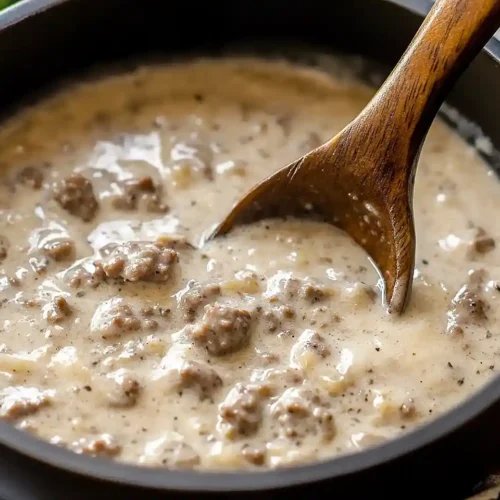
Continue stirring over medium heat for 3–5 minutes until the mixture reaches your desired thickness. You’re looking for a creamy consistency that coats the back of a spoon—it should pour easily but not be watery. This gluten free sausage gravy will continue thickening slightly as it cools, so don’t overdo it.
Step 5: Season generously
Add salt and pepper to taste, remembering that this gluten-free sausage gravy will be poured over neutral items like biscuits. Start with ½ teaspoon of each and adjust from there—your personal preference matters most. Taste as you go and build those flavors to match your family’s preferences perfectly.
Step 6: Serve immediately while hot
Pour your finished gluten free sausage gravy over warm biscuits, gluten-free toast, or even roasted potatoes while it’s still steaming hot. The warmth brings out all those savory, peppery flavors and creates the coziest breakfast experience imaginable.
Substitutions
Alternative gluten-free flours
You can use cornstarch, arrowroot powder, or tapioca starch in place of gluten-free all-purpose flour for your gluten-free sausage gravy. Use the same ¼ cup amount, though cornstarch might thicken slightly faster, so watch your consistency carefully. Each alternative creates marginally different textures—experiment to find which one your family prefers.
Dairy-free milk option
Swap the 2 cups of milk for unsweetened oat milk, almond milk, or cashew cream for a dairy-free version of this sausage gravy. Cashew cream creates the richest, creamiest texture that mirrors traditional dairy beautifully. Your dairy free gluten free sausage gravy will taste just as luxurious and comforting.
Half and half for extra richness
Replace half the milk (1 cup) with heavy cream or half and half to create an ultra-creamy gluten-free sausage gravy that feels absolutely indulgent. This variation is perfect for special occasion breakfasts or when you want to impress guests with how restaurant-quality your gluten free sausage gravy tastes.
Turkey sausage alternative
Use 1 pound of lean ground turkey sausage instead of pork sausage for a lighter gluten-free sausage gravy with the same delicious flavor profile. The gravy-making process remains identical—you’ll just have a less heavy final result. This swap makes this sausage gravy perfect for health-conscious families.
Spicy version for bold palates
Add ¼ teaspoon of cayenne pepper, red pepper flakes, or hot sauce to your gluten-free sausage gravy for a kick that wakes up your taste buds. Start small and taste as you go, since spice preferences vary widely. Spicy gluten free sausage gravy pairs beautifully with sharp cheddar cheese biscuits.
Man, oh man, once you’ve mastered this recipe, you’ll wonder why you ever bought the boxed versions with all their questionable ingredients. You might love pairing this with our easy sheet-pan pancake recipe for complete breakfast meals. For more savory breakfast options, check out our spinach and feta egg muffins that work wonderfully alongside this dish.
Troubleshooting Tips
Lumpy gravy happened—now what?
If your gluten-free sausage gravy develops lumps, pour it through a fine-mesh strainer into a clean pot and gently whisk to smooth it out. Alternatively, use an immersion blender to break up the lumps while the gravy is still hot. Lumps usually happen from not stirring constantly when adding milk, so slow and steady next time.
Gravy is too thick
Add more milk a tablespoon at a time, stirring between additions, until your gluten free sausage gravy reaches the desired consistency. Remember that it thickens slightly as it cools, so aim for consistency slightly thinner than you want the final result. This happens when the flour ratio is high or if you cooked it longer than needed.
Gravy is too thin and watery
Mix 1 tablespoon of gluten-free flour with 2 tablespoons of cold milk to create a slurry, then stir it into your simmering gluten free sausage gravy. Cook for another minute or two, stirring constantly, until the desired thickness develops. This fix works beautifully without creating lumps if you do it carefully.
It tastes bland
Your gluten-free sausage gravy might need more seasoning—salt and pepper are often the culprits. Add salt in small pinches and black pepper generously, tasting between additions. Don’t underestimate pepper in this dish; it’s actually a key flavor component that makes good sausage gravy taste memorable.
The sausage seems greasy
If there’s excessive grease on top of your gluten-free sausage gravy, use a paper towel to gently blot the surface. This is totally normal with pork sausage and doesn’t affect the taste—just a texture preference. Some people love that richness, while others prefer to remove some of the fat.
Storage and Meal Prep
Refrigerator storage
Keep your cooled gluten free sausage gravy in an airtight container in the fridge for up to 4 days. The gravy will thicken significantly as it cools, which is completely normal and actually makes reheating easier. Just add a splash of milk when you reheat to bring it back to that perfect creamy consistency.
Freezing for future mornings
This gluten-free sausage gravy freezes beautifully for up to 3 months in a freezer-safe container or even in ice cube trays for portion control. Thaw in the refrigerator overnight, then reheat gently on the stovetop with a touch of additional milk stirred in. Frozen sausage gravy makes busy weekday mornings feel less stressful when you’re meal prepping ahead.
Serving Suggestions and Pairings
Classic pairing with biscuits
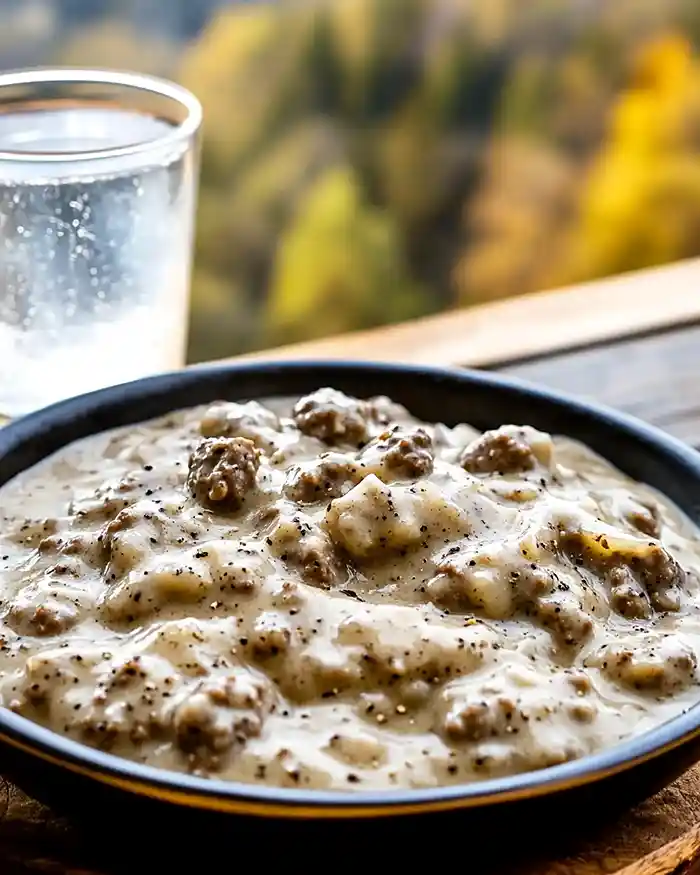
Pour warm gluten-free sausage gravy over warm gluten-free biscuits for that classic southern breakfast that tastes exactly like you remember. The creamy gravy melts slightly into warm biscuits, creating pure breakfast comfort that families love. This combination is basically unstoppable for morning contentment.
Creative serving options
Spoon your sausage gravy over crispy roasted potatoes, toasted English muffins, or even scrambled eggs for versatile breakfast applications. You can also serve it alongside turkey sausage patties as a dipping sauce for a fun, interactive breakfast experience. Your gluten-free sausage gravy works with practically any breakfast item you can imagine.
Brunch entertaining made simple
Serve your gluten-free sausage gravy in a small slow cooker at brunch events to keep it warm throughout the morning. Guests can serve themselves over their choice of sides, making it incredibly convenient. This approach makes feeding a crowd with this gluten-free sausage gravy effortless and impressive.
Variations and Dietary Adjustments
Kid-friendly milder version
Reduce the black pepper to just ⅛ teaspoon for gentler gluten-free sausage gravy that doesn’t overpower little taste buds. You can always serve a pepper shaker on the side for adults to season their own portions. Milder gluten-free sausage gravy often means more kids will actually eat it happily.
Loaded with vegetables twist
Sauté ½ cup of diced bell peppers, mushrooms, or onions in the skillet before adding the sausage for vegetable-studded gluten-free sausage gravy. The vegetables soften during cooking and add incredible texture and nutrition. Vegetable-loaded gluten-free sausage gravy transforms this simple dish into something that feels hearty enough for lunch.
Cheesy sausage gravy upgrade
Stir ½ cup of shredded sharp cheddar or white pepper jack cheese into your finished gluten-free sausage gravy for luxurious cheesy depth. The cheese melts beautifully and creates an entirely different flavor profile that’s absolutely addictive.
Herbaceous southern style
Add 1 teaspoon of fresh or dried sage, thyme, or poultry seasoning to your gluten-free sausage gravy for authentic southern flavor enhancement. Herbs add complexity without making it spicy, creating a sophisticated taste that impresses everyone.
FAQs About Gluten-Free Sausage Gravy
Can I use gluten-free sausage that’s already seasoned?
Absolutely! Just taste your finished gluten free sausage gravy before adding salt and pepper, since pre-seasoned sausage often contains both already. You might need less or possibly none—let your taste buds guide the seasoning. This shortcut doesn’t compromise flavor at all in your gluten-free sausage gravy.
What’s the best gluten-free flour for this sausage gravy?
All-purpose gluten-free flour works beautifully, though cornstarch creates a slightly silkier texture in your gluten free sausage gravy. Test both options to see which one your family prefers for mouthfeel and thickening power. Most people don’t notice a huge difference between options in this gluten-free sausage gravy recipe.
Can I make this ahead for meal prep?
Yes! Make your gluten-free sausage gravy up to 4 days ahead and store it in an airtight container in the refrigerator. Reheat gently on the stovetop with a splash of milk to restore creamy consistency. Meal-prepped gluten-free sausage gravy makes weekday breakfasts impossibly convenient.
Final Tips for Success
Well, the secret to restaurant-quality results is honestly just patience and constant stirring when you’re adding the milk. Don’t rush the browning process with your sausage—those caramelized bits are flavor gold. Most importantly, remember that this dish is incredibly forgiving, so don’t stress if your first batch isn’t perfect.
For deeper insights into how gluten-free flours work in sauces and gravies, the authoritative guide to gluten-free flour substitutions from King Arthur Baking Company provides expert explanations of thickening power and texture development. Understanding these fundamentals helps you troubleshoot recipes and adapt them confidently for your family’s needs.
Easy Gluten-Free Sausage Gravy
Equipment
- Large skillet
- Wooden spoon or whisk
- Measuring cups and spoons
- Fine-mesh strainer (optional)
Ingredients
Main Ingredients
- 1 pound Gluten-free sausage ground or bulk
- 0.25 cup Gluten-free flour all-purpose blend
- 2 cups Milk whole milk or dairy-free alternative
- To taste Salt
- To taste Black pepper freshly ground recommended
Instructions
- In a large skillet, cook the gluten-free sausage over medium heat until completely browned, breaking it into small pieces as it cooks—this usually takes about 5–7 minutes. You’re looking for that beautiful caramelized color that develops when the meat makes contact with the hot pan. Don’t rush this step; those browned bits create incredible flavor that makes your gluten-free sausage gravy taste restaurant-quality.
- Sprinkle the gluten-free flour evenly over the browned sausage and stir thoroughly to combine everything together. This is your thickening agent—the flour coating will absorb the sausage fat and create a paste-like base. You’ll cook this mixture for about 1–2 minutes, stirring constantly, until the flour loses that raw taste and becomes fragrant.
- Pour your milk in slowly while stirring constantly—this is the key to avoiding lumps in your gluten-free sausage gravy. Start with about ½ cup of milk, stir until smooth, then gradually add the remaining milk in small amounts. The constant stirring prevents clumps and creates that smooth, velvety texture that makes this gravy absolutely craveable.
- Continue stirring over medium heat for 3–5 minutes until the mixture reaches your desired thickness. You’re looking for a creamy consistency that coats the back of a spoon—it should pour easily but not be watery. This gluten-free sausage gravy will continue thickening slightly as it cools, so don’t overdo it.
- Add salt and pepper to taste, remembering that this gluten-free sausage gravy will be poured over neutral items like biscuits. Start with ½ teaspoon of each and adjust from there—your personal preference matters most. Taste as you go and build those flavors to match your family’s preferences perfectly.
- Pour your finished gluten-free sausage gravy over warm biscuits, gluten-free toast, or even roasted potatoes while it’s still steaming hot. The warmth brings out all those savory, peppery flavors and creates the coziest breakfast experience imaginable.