Gluten-Free Shrimp Scampi
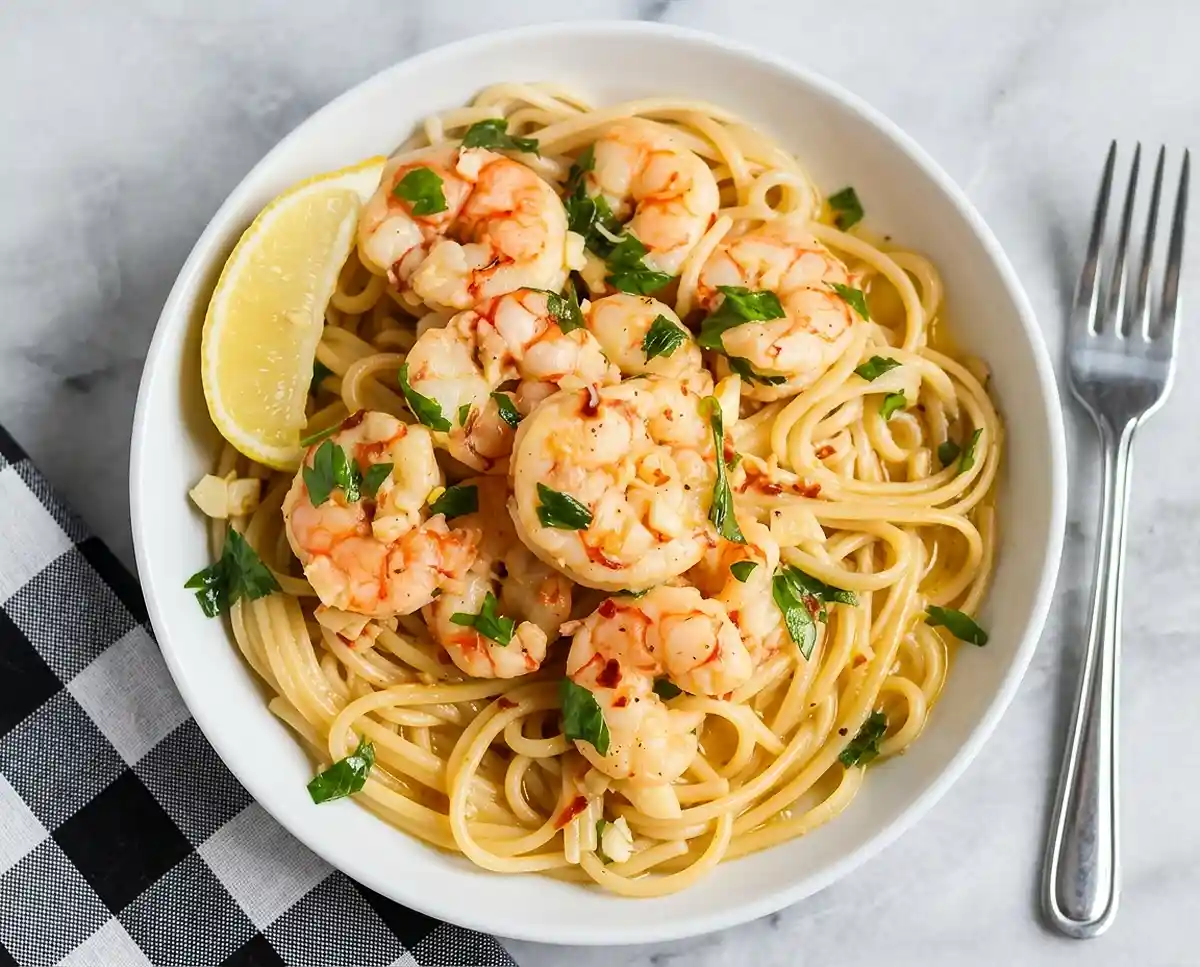
This Gluten-Free Shrimp Scampi features succulent garlic butter shrimp in a lemony white wine sauce. A quick dinner that’s ready in just 25 minutes!
Well… if there’s one dish that proves gluten-free eating never means sacrificing flavor, it’s this Gluten-Free Shrimp Scampi. Plump shrimp swimming in a pool of garlic butter, brightened with white wine and lemon, served over perfectly cooked pasta—it’s the kind of meal that makes you wonder why you’d ever order takeout when something this magnificent comes together in under half an hour.
What separates a good shrimp scampi from a great one? Is it the quality of the shrimp, the balance of garlic and lemon, or the silkiness of that butter sauce? The answer is all of the above, and this recipe nails every element. The garlic is fragrant but not harsh, the wine adds depth without being boozy, and the lemon brings brightness that lifts every bite.
Table of Contents
Quick Overview
- Prep Time: 10 minutes
- Cook Time: 15 minutes
- Total Time: 25 minutes
- Yield: 4 servings
- Diet: Gluten-free
Why This Recipe Works
- One-pan sauce preparation – building the sauce in stages (butter, garlic, wine, cheese) creates layers of flavor without dirtying multiple pots.
- Properly cooked shrimp stay tender – adding shrimp to a simmering sauce and cooking just until pink prevents the rubbery texture that ruins many scampi dishes.
- White wine deglazes and adds complexity – the alcohol cooks off while leaving behind fruity, acidic notes that balance the richness of the butter.
- Parmesan creates silky sauce body – the cheese melts into the wine-butter mixture, adding savory depth and helping the sauce cling to the pasta.
Ingredients
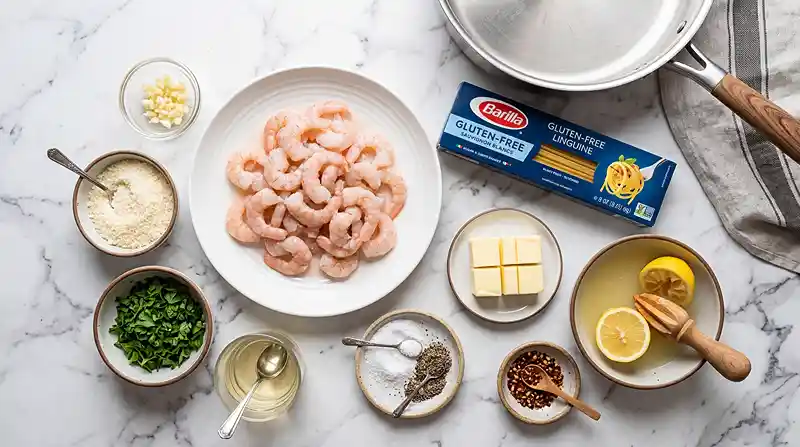
| Component | Amount | Notes |
|---|---|---|
| Shrimp | 1 lb | Peeled and deveined, 21-25 count preferred |
| Gluten-free pasta | 8 oz | Linguine, spaghetti, or fettuccine work well |
| Butter | 4 Tbsp | Unsalted preferred |
| Garlic | 4 cloves | Minced |
| Dry white wine | ½ cup | Sauvignon Blanc or Pinot Grigio recommended |
| Lemon juice | 2 Tbsp | Fresh squeezed preferred |
| Grated Parmesan | ¼ cup | Freshly grated melts best |
| Fresh parsley | ¼ cup | Chopped |
| Salt | ¼ tsp | Adjust to taste |
| Black pepper | ½ tsp | Freshly ground |
| Red pepper flakes | ¼ tsp | Adjust for heat preference |
Step-by-Step Instructions
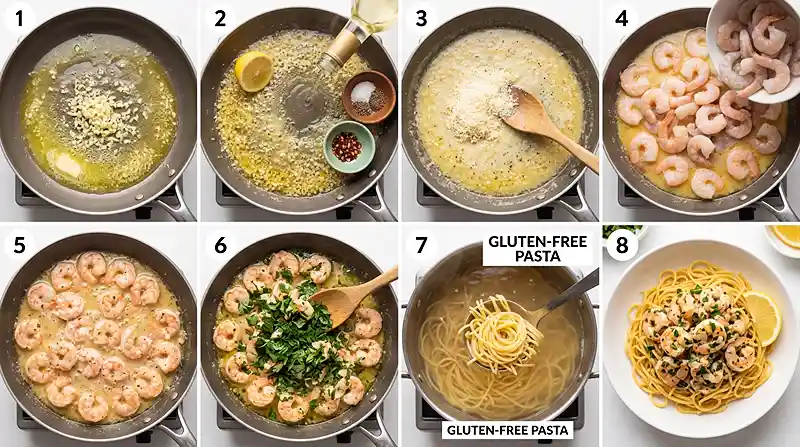
1. Start the Pasta Water
Fill a large pot with salted water and bring to a boil. You’ll start cooking the pasta while preparing the sauce so everything finishes at the same time. Use about 1 tablespoon of salt per quart of water—the pasta water should taste like the sea.
Pro Tip: Reserve ½ cup of pasta cooking water before draining. This starchy liquid is liquid gold for adjusting sauce consistency.
2. Prepare Your Ingredients
While the water heats, mince the garlic, chop the parsley, juice the lemon, and grate the Parmesan if using a block. Pat the shrimp dry with paper towels—excess moisture will cause the butter to sputter and prevent proper searing. Having everything ready before you start cooking (mise en place) makes this quick dinner come together seamlessly.
3. Cook the Garlic in Butter
Add the butter to a large skillet or sauté pan and heat over medium heat. Once the butter is melted and beginning to foam, add the minced garlic. Cook for 1-2 minutes, stirring frequently, until the garlic is fragrant and just starting to turn golden. Watch carefully—garlic goes from perfect to burnt in seconds. The aroma should make your kitchen smell like an Italian restaurant.
At this point, start cooking your gluten-free pasta according to package directions.
4. Build the Wine Sauce
Add the white wine, lemon juice, salt, black pepper, and red pepper flakes to the garlic butter. Stir to combine and let the mixture simmer for 2-3 minutes. Man, oh man… you’ll see the sauce reduce slightly and the harsh alcohol smell will mellow into something wonderfully aromatic. The liquid should reduce by about one-third.
5. Add the Parmesan
Sprinkle the grated Parmesan into the simmering sauce and stir until it melts completely, creating a slightly thickened, glossy sauce. The cheese adds body and savory umami depth that takes this garlic butter shrimp from simple to spectacular. Keep the heat at medium—too high and the cheese can become stringy.
6. Cook the Shrimp
Add the peeled and deveined shrimp to the sauce in a single layer. Cook without stirring for about 2 minutes, then flip each shrimp and continue cooking until they’re pink and opaque throughout—about 4-6 minutes total depending on size. The shrimp should curl into a loose “C” shape when done; a tight “O” means they’re overcooked.
You know… the shrimp will release some liquid as they cook, which actually helps create more sauce. Don’t worry if it looks a bit thin at first—it will come together.
7. Finish with Fresh Parsley
Once the shrimp are cooked through, add the chopped fresh parsley and stir to combine. Let everything cook together for another minute or two, allowing the parsley to wilt slightly and its bright, herbaceous flavor to infuse the sauce. Taste and adjust seasoning—you may want more lemon juice, salt, or red pepper flakes.
8. Serve Immediately
Drain your cooked pasta (don’t forget to save that pasta water!) and divide among four shallow bowls or plates. Spoon the shrimp and sauce generously over each portion of pasta, making sure everyone gets plenty of that glorious garlic butter sauce. Alternatively, add the drained pasta directly to the pan and toss to coat before serving.
Garnish with extra parsley, a sprinkle of Parmesan, and lemon wedges if desired. Serve immediately while everything is hot.
Substitutions & Variations
This quick dinner recipe is incredibly flexible. Here are some delicious ways to customize your Gluten-Free Shrimp Scampi:
Pasta Alternatives: For a lower-carb option, serve over zucchini noodles (zoodles), spaghetti squash, or cauliflower rice. The sauce is so flavorful it makes any base delicious. You can also use gluten-free rice noodles or chickpea pasta for extra protein.
Wine Substitute: If you prefer not to cook with alcohol, substitute the white wine with an equal amount of low-sodium chicken broth plus an extra teaspoon of lemon juice. The flavor will be slightly different but still delicious.
Dairy-Free Version: Well… replace the butter with a quality vegan butter or ghee, and use nutritional yeast instead of Parmesan. The sauce won’t be identical, but it’s still incredibly satisfying.
Add Vegetables: Toss in cherry tomatoes (halved), spinach, asparagus tips, or artichoke hearts during the last few minutes of cooking for added nutrition and color.
Extra Protein: Add sliced chicken breast, scallops, or even lobster tail alongside the shrimp for a surf-and-turf variation that’s perfect for special occasions.
Spicier Version: Increase the red pepper flakes to ½ teaspoon, or add a diced fresh jalapeño with the garlic for serious heat lovers.
Lemon Lovers: Add the zest of one lemon along with the juice for an extra citrus punch that brightens every bite.
Expert Troubleshooting
Even simple recipes can have pitfalls. Here’s how to solve the most common issues:
Shrimp Are Rubbery: Overcooked shrimp is the number one complaint with scampi. Shrimp cook quickly—medium-sized shrimp (21-25 count) need only 2-3 minutes per side. Remove them from heat the moment they turn pink and opaque. Remember, residual heat continues cooking them even off the stove.
Sauce Is Too Thin: If your sauce seems watery, there are a few fixes. Simmer the wine mixture longer before adding shrimp to reduce it further. Add a splash of reserved pasta water (the starch helps thicken). Or, remove the cooked shrimp and reduce the sauce over high heat for 1-2 minutes before reuniting them.
Sauce Is Too Thick or Clumpy: This usually means the Parmesan was added to sauce that was too hot, causing it to clump. Add a splash of pasta water or wine and whisk vigorously to smooth it out. Next time, reduce heat before adding the cheese.
Garlic Burned: Burned garlic is bitter and will ruin the dish. If you see dark brown or black spots, start over with fresh butter and garlic. Cook garlic over medium heat, stirring constantly, and add the wine as soon as it’s fragrant—the liquid stops the cooking immediately.
Pasta Sticking Together: Gluten-free pasta can be stickier than wheat pasta. Use plenty of boiling water, stir frequently during cooking, and toss with a drizzle of olive oil immediately after draining if not adding to the sauce right away.
Dish Tastes Flat: The sauce needs acid and salt to shine. Add more lemon juice (a little at a time) and taste as you go. Sometimes a pinch more salt is all it takes to make flavors pop.
Storage & Meal Prep
| Component | Storage Method | Duration | Reheating Notes |
|---|---|---|---|
| Cooked shrimp scampi (with sauce) | Refrigerate in airtight container | 2-3 days | Reheat gently over low heat; add splash of water or broth |
| Cooked pasta (separate) | Refrigerate tossed with olive oil | 3-4 days | Reheat in microwave or boiling water briefly |
| Complete dish combined | Refrigerate | 2 days | Best reheated in skillet; pasta may absorb sauce |
| Not recommended for freezing | N/A | N/A | Shrimp become rubbery when frozen and reheated |
For the best meal prep approach, store the shrimp and sauce separately from the pasta. The pasta tends to absorb the sauce overnight, leaving you with dry noodles and no glorious garlic butter to drizzle. When reheating, warm the shrimp gently over low heat—high heat will make them rubbery. Add a splash of water, broth, or white wine to loosen the sauce. Freshly cooked pasta tossed with reheated scampi is nearly as good as the original.
FAQs About Gluten-Free Shrimp Scampi
Is shrimp scampi naturally gluten-free?
Traditional shrimp scampi is naturally gluten-free—the sauce is made from butter, garlic, wine, and lemon juice, none of which contain gluten. The only component to verify is the pasta. Using certified gluten-free pasta makes the entire dish safe for those with celiac disease or gluten sensitivity. Always check that your white wine hasn’t been processed with wheat-based fining agents if you’re highly sensitive.
What’s the best gluten-free pasta for shrimp scampi?
Long, thin pastas like linguine, spaghetti, or fettuccine work best because the sauce clings to the strands beautifully. Brands like Jovial, Barilla Gluten-Free, and Banza (chickpea pasta) all produce excellent results. Cook according to package directions, but check a minute early—gluten-free pasta can go from al dente to mushy quickly.
Can I use frozen shrimp?
Absolutely! Frozen shrimp work wonderfully—just thaw them completely in the refrigerator overnight or under cold running water for 15 minutes. Pat them very dry before cooking, as excess moisture will dilute your sauce and prevent proper cooking.
What wine should I use for shrimp scampi?
A dry white wine with good acidity works best—Sauvignon Blanc, Pinot Grigio, or dry Vermouth are excellent choices. Avoid oaky Chardonnays, which can taste heavy, or sweet wines like Moscato. The general rule: if you wouldn’t drink it, don’t cook with it.
How do I know when shrimp are done?
Properly cooked shrimp are pink on the outside, opaque white inside, and curled into a loose “C” shape. If they curl into a tight “O,” they’re overcooked. According to the USDA Food Safety Guidelines, shrimp should reach an internal temperature of 145°F for food safety.
Serving Suggestions
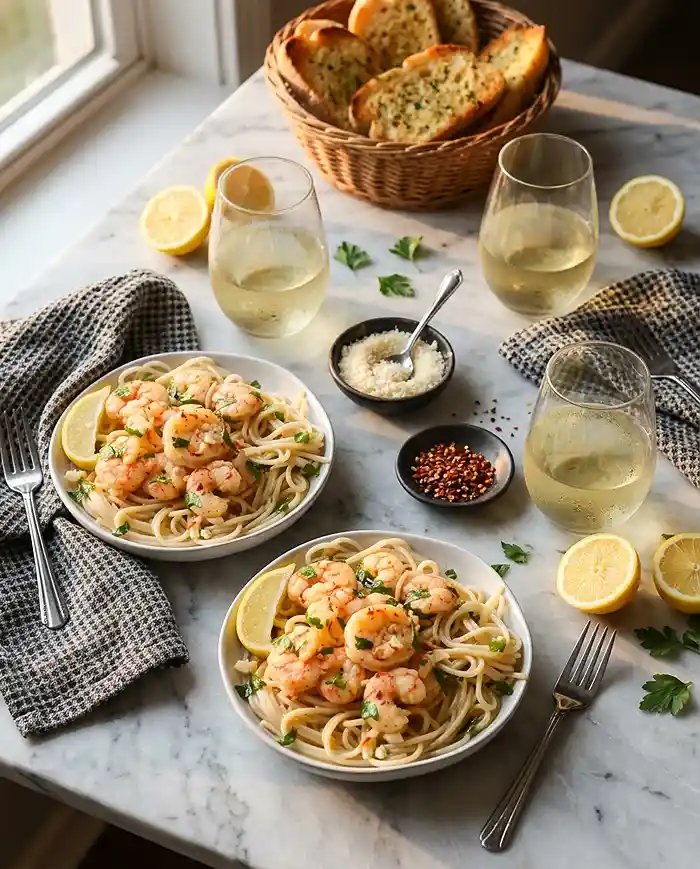
This Gluten-Free Shrimp Scampi is a complete meal on its own, but it also pairs beautifully with simple sides that complement without competing. A crisp green salad with lemon vinaigrette echoes the citrus notes in the scampi, while roasted asparagus or steamed broccolini add color and nutrition. For bread lovers, serve with crusty gluten-free bread for sopping up every last drop of that incredible garlic butter sauce.
For a special Valentine’s Day dinner or anniversary celebration, start the meal with elegant Gluten-Free Brie and Fig Crostini and end with Gluten-Free Dairy-Free Mimosa Cake for dessert. Sunday brunch? Pair leftover scampi with Gluten-Free Eggs Benedict for an indulgent spread. A chilled glass of the same white wine you used in the sauce makes the perfect accompaniment.
Final Thoughts
There’s a reason shrimp scampi has remained a beloved classic for generations—the combination of garlic, butter, wine, and lemon is simply irresistible. This gluten-free version proves that dietary restrictions don’t have to mean flavor restrictions. In under 30 minutes, you can have a restaurant-quality meal on the table that will impress family and guests alike.
Let’s Connect!
Have you made this Gluten-Free Shrimp Scampi for your family? I’d love to hear how it turned out! Share your photos, tips, or favorite variations in the comments below. If this recipe has become a weeknight staple in your home, please share it with fellow gluten-free food lovers or pin it for your next quick dinner night. Your support helps our community grow!
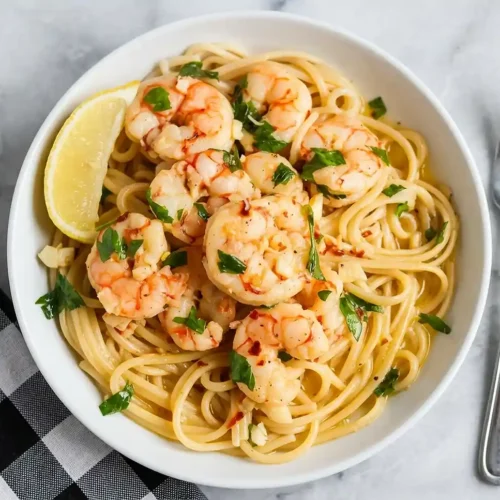
Gluten-Free Shrimp Scampi
Equipment
- Large skillet or sauté pan
- Large pot for pasta
- Wooden spoon or spatula
- Colander
Ingredients
Shrimp Scampi
- 1 lb shrimp peeled and deveined
- 8 oz gluten-free pasta linguine, spaghetti, or fettuccine
- 4 Tbsp butter unsalted preferred
- 4 cloves garlic minced
- ½ cup dry white wine Sauvignon Blanc or Pinot Grigio
- 2 Tbsp lemon juice fresh squeezed preferred
- ¼ cup grated Parmesan freshly grated
- ¼ cup fresh parsley chopped
- ¼ tsp salt adjust to taste
- ½ tsp black pepper freshly ground
- ¼ tsp red pepper flakes adjust for heat preference
Instructions
- Bring a large pot of salted water to a boil for the pasta. Start cooking your gluten-free pasta according to package instructions while preparing the sauce. Reserve ½ cup pasta water before draining.
- Add the butter to a large skillet and heat over medium heat. Once the butter is melted and foaming, add the minced garlic and cook for 1-2 minutes, stirring frequently, until fragrant and just starting to turn golden.
- Add the white wine, lemon juice, salt, black pepper, and red pepper flakes to the garlic butter. Stir to combine and let simmer for 2-3 minutes until the liquid reduces slightly and the harsh alcohol smell mellows.
- Sprinkle the grated Parmesan into the simmering sauce and stir until it melts completely, creating a slightly thickened, glossy sauce.
- Add the peeled and deveined shrimp to the sauce in a single layer. Cook without stirring for about 2 minutes, then flip and continue cooking until the shrimp are pink and opaque throughout, about 4-6 minutes total.
- Once the shrimp are cooked through, add the chopped fresh parsley and stir to combine. Let everything cook together for another minute or two. Taste and adjust seasoning as needed.
- Serve immediately by dividing the drained pasta among bowls and topping with the shrimp and sauce, or add the pasta directly to the pan and toss to coat before serving. Garnish with extra parsley and Parmesan if desired.