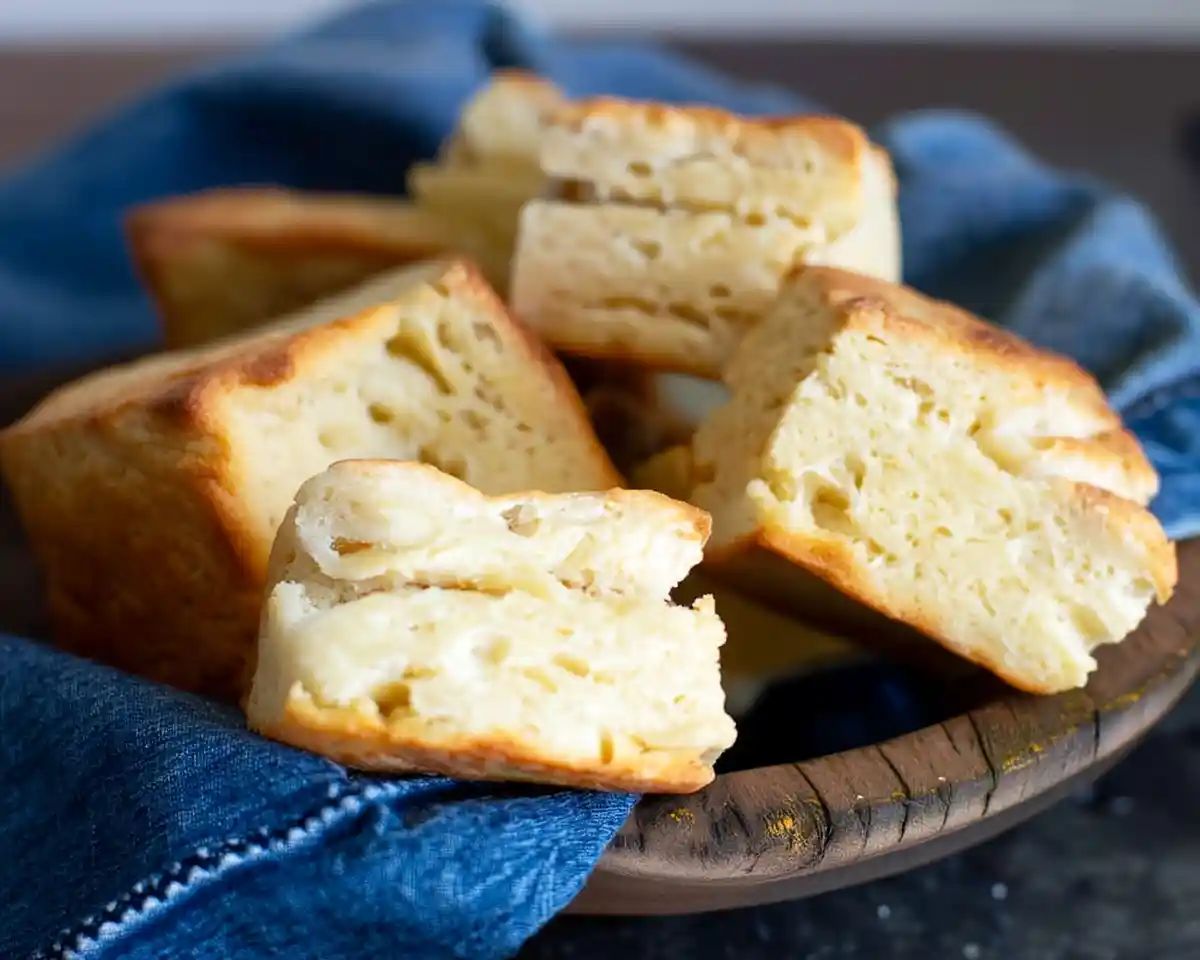
Gluten-Free Sourdough Discard Biscuits
Master gluten-free sourdough discard biscuits with this beginner-friendly recipe. Fluffy, buttery, and perfect for busy families. Step-by-step guide included!
You know that moment when you’re standing in front of your sourdough starter, wondering what on earth to do with all that discard? Well, I’ve been there—probably more times than I’d like to admit! That’s when I discovered that gluten-free sourdough discard biscuits aren’t just a solution to feeding your starter; they’re honestly some of the most satisfying little bites you can pull from your oven.
These fluffy gluten-free sourdough biscuits are my secret weapon for weeknight dinners and holiday tables alike. The sourdough discard brings this subtle tangy depth that takes your biscuits from ordinary to “wow, where did you learn to bake?” territory. Plus, they come together faster than you’d think.
If you’re new to gluten-free baking or just juggling too many kitchen projects at once, I’ve made this as straightforward as possible. No fancy equipment needed—just a few pantry staples and about an hour from start to warm, buttery biscuits on your plate.
Table of Contents
Ingredients For Gluten-Free Sourdough Discard Biscuits
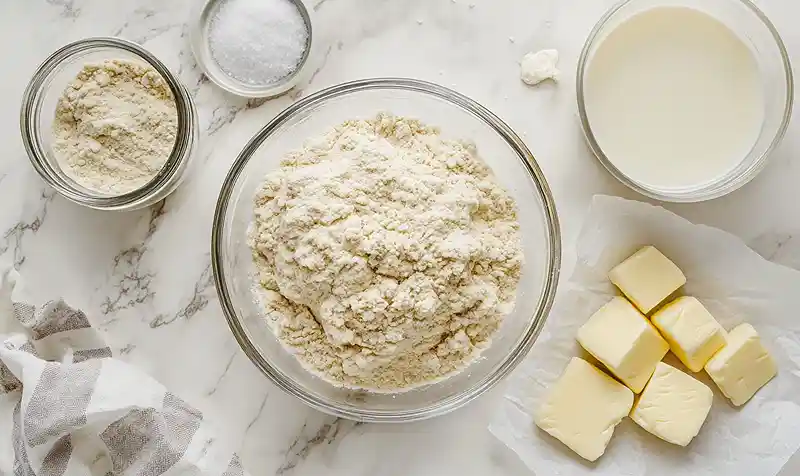
| Ingredient | Amount | Notes |
|---|---|---|
| Gluten-free flour blend | 2 cups | See recipe notes for blend recommendations |
| Baking powder (aluminum-free) | 2 tablespoons | Aluminum-free is important for best taste |
| Sea salt | 1 teaspoon | Fine or coarse, your choice |
| Gluten-free sourdough discard | 1 cup | Room temperature or softened |
| Unsalted butter | 7 tablespoons | Frozen, then grated or cubed |
| Milk or non-dairy milk | ½ cup | Oat, almond, or dairy all work beautifully |
| Extra milk (optional) | 1-2 tablespoons | Depending on your flour blend |
Instructions For Gluten-Free Sourdough Discard Biscuits
Step 1: Combine Your Dry Ingredients
Add your 2 cups of gluten-free flour blend, 2 tablespoons of baking powder, and 1 teaspoon of sea salt to a large mixing bowl. Use a whisk to blend everything together until it’s evenly combined.
This dry mix is the foundation of your fluffy gluten-free sourdough biscuits, so take a moment to make sure there are no baking powder clumps hiding anywhere.
Step 2: Cut in the Butter
Grab your 7 tablespoons of frozen butter and choose your method: use a pastry cutter to work it into pea-sized pieces, or freeze the butter and grate it directly into the flour using a box grater. Either way works beautifully for these biscuits.
The cold butter creates those gorgeous layers as the biscuits bake, so try not to let it warm up too much while you’re working.
Step 3: Prepare Your Wet Ingredients
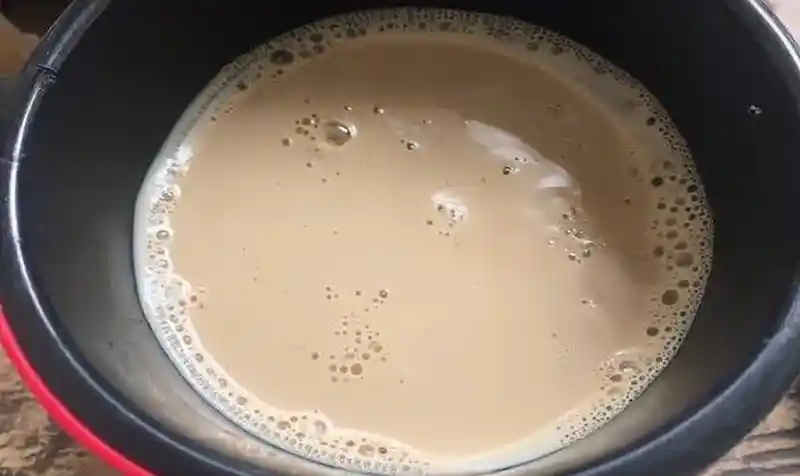
Pour your 1 cup of gluten-free sourdough discard into a mixing bowl with your ½ cup of milk (I love using oat milk for creaminess). If your discard feels stiff from time in the fridge, just whisk gently until it softens and blends smoothly.
This is where the magic starts—you’re about to wake up those tangy flavors!
Step 4: Bring It Together
Pour your wet mixture into the dry ingredients and gently mix until you have a cohesive, workable dough. The texture should feel neither sticky nor dry—think soft cookie dough rather than bread dough.
If your dough feels too dry, add an extra tablespoon of milk at a time. Gluten-free flours vary, so this is totally normal!
Step 5: Chill (Optional but Recommended)
Wrap your dough in plastic wrap and pop it in the fridge for 30 to 45 minutes if you have time. This rest lets the flour fully hydrate and makes the dough easier to handle.
No time? Skip this step—your biscuits will still turn out wonderfully.
Step 6: Prep Your Workspace & Oven
Pull your dough from the fridge and preheat your oven to 425°F. Position your oven rack in the middle—this helps your biscuits bake evenly.
Dust a silicone mat or piece of parchment with a light dusting of gluten-free flour, then place your dough on top.
Step 7: The Folding Technique (This Creates Layers!)
This is the secret step that gives you those gorgeous, flaky layers. Flatten your dough with your hands or a rolling pin, fold it over itself, then flatten again. Repeat this fold-and-flatten motion three times total.
Work quickly so the butter stays cold and doesn’t melt into the dough—that’s what creates those beautiful flakes!
Step 8: Cut Your Biscuits
Take a dough scraper and cut your dough into biscuit-sized squares. You can make them small (2-inch) or bigger (3-inch)—whatever works for your dinner table.
Squares are honestly the easiest route if you’re new to shaping, and they bake just as beautifully as round biscuits.
Step 9: Arrange & Brush with Milk
Place your dough squares onto a parchment-lined baking sheet, spacing them about an inch apart. Brush the top of each biscuit with a little milk—this gives you those gorgeous golden-brown tops.
This small step makes such a visible difference in the final look!
Step 10: Bake Until Golden
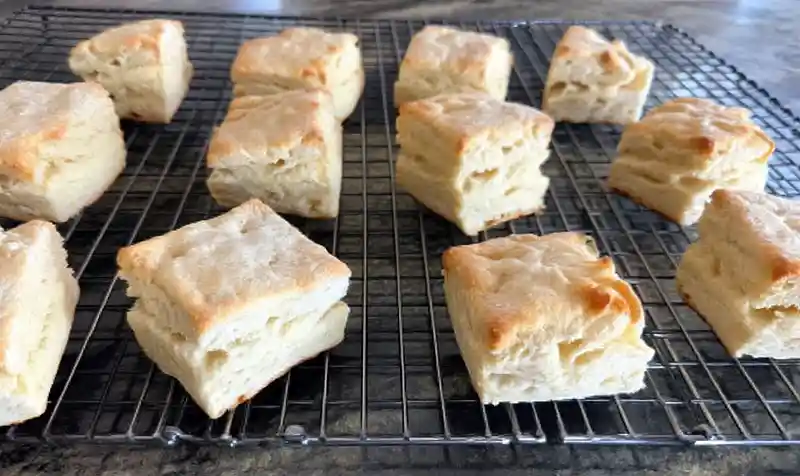
Slide your biscuits into the preheated oven and bake for 22 to 25 minutes. The exact time depends on how thick you cut them, so check around the 20-minute mark.
Your gluten-free sourdough biscuits are done when they’re risen up tall and the tops are a beautiful golden brown. That’s when you know the magic happened inside.
Step 11: Cool & Enjoy
Remove your baked biscuits to a cooling rack and let them rest for a few minutes before diving in. They’ll firm up slightly as they cool, but honestly? These taste amazing warm with a pat of butter melting into them.
Substitutions for Your Gluten-Free Sourdough Biscuits Recipe
Different Gluten-Free Flour Blends
While I love using a blend with xanthan gum already mixed in, you can experiment with other blends too. Just know that different blends absorb moisture differently, so you might need to adjust your milk amount by 1 to 2 tablespoons.
If you’re using a blend without xanthan gum, add ¼ teaspoon per cup of flour for better structure.
Dairy-Free Option for Gluten-Free Sourdough Biscuits
Swap the milk for oat, almond, or coconut milk—I’ve tested all three and they work beautifully. You can even use a non-dairy butter substitute if you want to keep everything plant-based.
The tangy depth from the sourdough discard actually makes the dairy-free version taste rich and satisfying, so you won’t miss anything!
Using Regular Sourdough Discard (Not Gluten-Free)
Man, oh man, here’s a thought: if you have a regular wheat-based sourdough starter, you can use that discard in place of gluten-free discard if you’re not strictly avoiding gluten. Just keep the rest of the recipe gluten-free for the main flour.
The flavors will be just as lovely, though the biscuits won’t be fully gluten-free.
Vegan Gluten-Free Sourdough Biscuits
Use a plant-based butter alternative and swap the milk for non-dairy milk throughout. The folding technique still works beautifully with vegan butter.
Want more gluten-free baking inspiration? Check out our easy dairy-free dessert ideas and beginner-friendly baking tips to level up your kitchen game. And if you’ve got other sourdough starter recipes on your mind, our complete gluten-free starter recipes section has plenty of creative uses beyond just biscuits!
Troubleshooting Your Gluten-Free Sourdough Biscuits
Biscuits Came Out Dry or Crumbly
This usually happens when your gluten-free flour needs a touch more moisture. Next time, add an extra tablespoon of milk and mix gently until you have that soft dough texture.
Don’t be shy—gluten-free flour blend formulations vary, so adjusting liquid is totally normal!
Not Getting Those Beautiful Flaky Layers
The key is that folding step and keeping everything cold. If your butter is melting during mixing, your dough got too warm.
Try chilling the flour blend bowl for 10 minutes before you start, and work quickly through the butter-cutting step.
Biscuits Are Too Gummy or Dense
You might have over-mixed the dough, which can happen more easily with gluten-free flour. Mix just until everything comes together—no extra stirring needed!
Also double-check that your baking powder is fresh and aluminum-free, as old leavening can affect the rise.
Uneven Baking or Pale Tops
Make sure your oven rack is truly in the middle and your oven temperature is accurate. Every oven runs a little different, so if your tops aren’t browning well, you might need an extra minute or two.
The milk wash really does help with browning, so don’t skip that step!
Storage & Make-Ahead Tips
Storing Your Baked Biscuits
Keep cooled biscuits in an airtight container at room temperature for up to 3 days. They stay fresh and soft thanks to that sourdough tang, which is a natural preservative.
For longer storage, freeze them in a freezer bag for up to 3 months and reheat gently in a warm oven.
Make-Ahead Dough
You can prepare your dough through step 4, wrap it tightly, and refrigerate overnight. This actually improves the flavor as the sourdough discard has more time to work its magic.
Just let the dough come to room temperature before shaping—this makes handling much easier and gives you the best texture.
Serving Suggestions & Perfect Pairings
Breakfast & Brunch Ideas
These fluffy gluten-free sourdough biscuits are incredible split open with scrambled eggs, vegan sausage, and a slice of your favorite cheese tucked inside. They’re also wonderful alongside roasted vegetables and a big salad for a hearty breakfast bowl.
The subtle tanginess plays beautifully with savory morning flavors.
Dinner Table Stars
Serve them alongside soups, stews, or chili for that cozy, comforting meal feeling. They’re also perfect for Thanksgiving or any holiday gathering when you want everyone at the table to feel included, gluten-free or not.
These biscuits honestly steal the show next to roasted chicken and seasonal vegetables.
Variations to Make Them Your Own
Savory Herb Version
Fold 2 tablespoons of fresh or dried herbs into your dry ingredients—I love rosemary, thyme, or a mixed Italian blend. Add ¼ teaspoon of garlic powder for extra savory depth.
Your gluten-free sourdough biscuits become something special that pairs perfectly with soup or salad.
Cheddar Cheese Biscuits
Stir ¾ cup of shredded sharp cheddar into your dry ingredients before adding the wet ingredients. The cheese adds richness and a lovely salty note.
These are absolutely incredible alongside chili and become a family favorite fast.
Kid-Friendly Sweet Version
Add 2 tablespoons of honey or maple syrup to your wet ingredients and reduce the salt to ½ teaspoon. These become more of a sweet biscuit that little ones love with jam or honey butter.
Even gluten-free sourdough biscuits can have a softer, slightly sweet side!
FAQs About Gluten-Free Sourdough Discard Biscuits
Can I make these without sourdough discard?
You could use ½ cup of plain yogurt mixed with ½ cup of milk instead, though you’ll lose that gorgeous sourdough tang. The yogurt adds a subtle tang and helps with texture, so the biscuits will still turn out well.
How do I know if my gluten-free sourdough discard is ready to use?
If it’s bubbly and smells tangy, you’re good to go! Discard works best when it’s been recently fed and is at peak activity, which is usually 4 to 8 hours after feeding your starter.
Can I use a different baking powder?
Stick with aluminum-free baking powder if you can, as it has a cleaner taste. Regular baking powder works too, but some people notice a slight metallic aftertaste.
Best way to reheat leftover biscuits?
Wrap them loosely in foil and pop them in a 325°F oven for about 10 minutes until they’re warm and soft again. You can also split them and toast them in a skillet with a little butter for a crispy-outside, soft-inside texture.
Why is my dough sticky even after adjusting milk?
Different gluten-free flour blends vary wildly in absorbency! If you’re working with a particularly moisture-hungry blend, dust your hands and work surface lightly with flour as you shape.
Can these work with kid-friendly or dairy-free diets?
Absolutely yes to both! See the variations section for dairy-free and kid-friendly options. These biscuits are naturally flexible and adapt beautifully to different dietary needs.
Final Tips for Success
Well, I’ll leave you with this: the beauty of gluten-free sourdough discard biscuits is that they’re forgiving and fun to make. Don’t stress over perfection—focus on keeping things cold, working quickly, and enjoying the process.
Every batch teaches you something about your flour blend and your oven, so even if the first round isn’t picture-perfect, you’re already becoming a better baker. That tanginess from the sourdough discard is doing all the heavy lifting, creating flavor depth that makes these biscuits taste homemade and special.
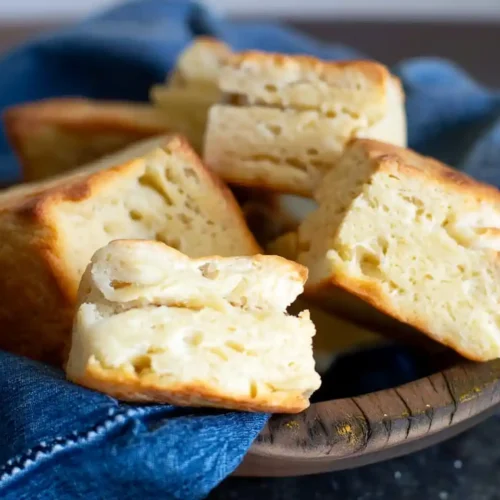
Gluten-Free Sourdough Discard Biscuits
Equipment
- Large mixing bowl
- Whisk
- Pastry Cutter or Box Grater
- Dough Scraper
- Silicone mat or parchment paper
- Baking sheet
- Rolling pin (optional)
- Cooling rack
Ingredients
Dry Ingredients
- 2 cups Gluten-free flour blend See notes for blend recommendations
- 2 tablespoons Baking powder Aluminum-free
- 1 teaspoon Sea salt Fine or coarse
Wet Ingredients
- 1 cup Gluten-free sourdough discard Room temperature or softened
- 7 tablespoons Unsalted butter Frozen, then grated or cubed
- ½ cup Milk or non-dairy milk Oat, almond, or dairy all work; may need 1-2 TBSP additional
Instructions
- Add 2 cups of gluten-free flour blend, 2 tablespoons of baking powder, and 1 teaspoon of sea salt to a large mixing bowl. Use a whisk to blend everything together until it’s evenly combined. This dry mix is the foundation of your fluffy biscuits, so make sure there are no baking powder clumps hiding anywhere.
- Grab your 7 tablespoons of frozen butter and choose your method: use a pastry cutter to work it into pea-sized pieces, or freeze the butter and grate it directly into the flour using a box grater. The cold butter creates gorgeous layers as the biscuits bake, so try not to let it warm up too much while working.
- Pour your 1 cup of gluten-free sourdough discard into a mixing bowl with your 1/2 cup of milk. If your discard feels stiff from time in the fridge, whisk gently until it softens and blends smoothly. This is where the magic starts—you’re awakening those tangy flavors!
- Pour your wet mixture into the dry ingredients and gently mix until you have a cohesive, workable dough. The texture should feel neither sticky nor dry—think soft cookie dough rather than bread dough. If your dough feels too dry, add an extra tablespoon of milk at a time.
- Wrap your dough in plastic wrap and pop it in the fridge for 30 to 45 minutes if you have time. This rest lets the flour fully hydrate and makes the dough easier to handle. No time? Skip this step—your biscuits will still turn out wonderfully.
- Pull your dough from the fridge and preheat your oven to 425°F. Position your oven rack in the middle—this helps your biscuits bake evenly. Dust a silicone mat or parchment with a light dusting of gluten-free flour, then place your dough on top.
- Flatten your dough with your hands or a rolling pin, fold it over itself, then flatten again. Repeat this fold-and-flatten motion three times total. This creates gorgeous, flaky layers and is the secret step! Work quickly so the butter stays cold and doesn’t melt.
- Take a dough scraper and cut your dough into biscuit-sized squares. You can make them small (2-inch) or bigger (3-inch)—whatever works for your dinner table. Squares are honestly the easiest route if you’re new to shaping, and they bake just as beautifully as round biscuits.
- Place your dough squares onto a parchment-lined baking sheet, spacing them about an inch apart. Brush the top of each biscuit with a little milk—this gives you those gorgeous golden-brown tops. This small step makes such a visible difference in the final look!
- Slide your biscuits into the preheated 425°F oven and bake for 22 to 25 minutes. Check around the 20-minute mark. Your biscuits are done when they’re risen up tall and the tops are a beautiful golden brown. That’s when you know the magic happened inside.
- Remove your baked biscuits to a cooling rack and let them rest for a few minutes before diving in. They’ll firm up slightly as they cool, but honestly? These taste amazing warm with a pat of butter melting into them.