Gluten-Free Sourdough Pizza Crust
Master gluten-free sourdough pizza crust with this foolproof recipe. Crispy edges, chewy center, naturally fermented. Perfect for pizza night!
What if I told you that making a genuinely delicious gluten-free sourdough pizza crust at home is actually easier than ordering delivery? I remember the first time I bit into a slice and couldn’t believe it was gluten-free—no weird gummy texture, no sad crumbles, just honest-to-goodness pizza satisfaction.
The secret to this gluten-free sourdough pizza crust is psyllium husk, which creates structure where gluten normally would. Combined with your sourdough starter and a mix of gluten-free whole grain flours, you get something that tastes like real pizza and feels like a win. Here’s the beautiful part: you probably already have most of these ingredients if you’re a sourdough enthusiast.
Whether you’re craving a thick, Sicilian-style crust or prefer something thinner and crispier, this recipe adapts beautifully. Does gluten-free pizza dough have to be complicated? Not anymore, friend.
Table of Contents
Why This Gluten-Free Sourdough Pizza Crust Works So Well
The magic of this recipe comes from combining three key elements: psyllium husk for structure, sourdough starter for flavor and fermentation, and gluten-free whole grain flours for nutrition. Psyllium husk has incredible binding properties that mimic what gluten does, creating that chewy-yet-crispy texture you crave in pizza.
The sourdough component means your gluten-free pizza dough is naturally fermented, which improves digestibility and develops complex flavors that store-bought dough simply can’t match. You’re not just making pizza; you’re creating something with personality and soul.
Ingredients
| Ingredient | Amount |
|---|---|
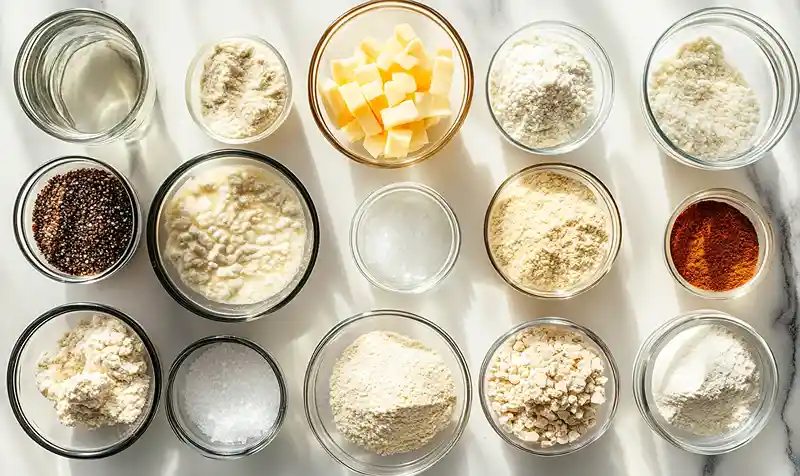
| Psyllium husk | 12–15g |
| Filtered water, room temperature | 300g |
| Gluten-free sourdough starter (active or discard) | 150g |
| Starch (potato, tapioca, or arrowroot) | 80g |
| Gluten-free whole grain flours (quinoa, sorghum, brown rice, or mix) | 145g |
| Sea salt | 10g |
Instructions
Step 1: Create Your Psyllium Base
Combine the psyllium husk and room-temperature filtered water in a large bowl or stand mixer bowl. Let this mixture sit for about 5 minutes while it thickens and gels—you’ll watch it transform into a slightly gelatinous base that’ll become your pizza dough’s secret weapon.
Step 2: Add Your Sourdough Starter
Mix in your gluten-free sourdough starter, whether it’s active and bubbly or just fresh discard from your regular feedings. Stir everything together until well combined—this is where the tangy sourdough flavor and natural fermentation magic begins.
Step 3: Build Your Dough
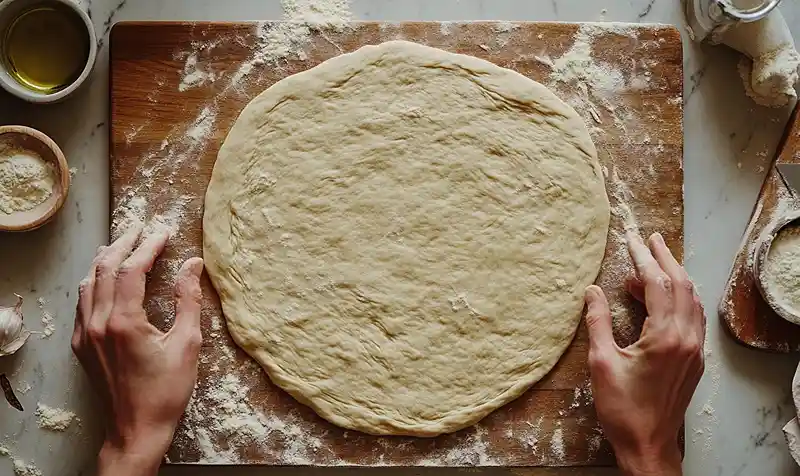
Add the starch, flour, and sea salt all at once, then mix until a smooth dough forms. If it feels sticky, don’t panic—let it rest for a few minutes to allow the psyllium and flours to absorb moisture. Your gluten-free sourdough pizza dough should be soft and workable, not stiff.
Step 4: Decide Your Crust Thickness
For a thick, Sicilian-style crust, leave the dough as one ball and transfer it to a well-greased bowl. For thinner, crispier crusts, divide the dough in half, form two balls, and place each in separate greased bowls. This flexibility is one of the best parts about this recipe.
Step 5: Let It Rise
Cover and let your gluten-free sourdough pizza dough rise at room temperature for 3 hours, or refrigerate overnight for deeper flavor development. The longer, cooler rise in the fridge is honestly my preference because it gives the sourdough more time to work its magic and makes the dough easier to handle.
Step 6: Prepare Your Oven and Pan
Preheat your oven to 450°F with a Lodge Cast Iron Pizza Pan inside. You want that pan smoking hot and ready to go—this creates those beautiful crispy edges you’re dreaming about.
Step 7: Shape Your Crust
Lightly grease a sheet of parchment paper and place it on a large cutting board or sheet pan. Flip your dough out onto the parchment, drizzle lightly with oil if it seems sticky, then use your hands or a rolling pin to gently press it into a circle, working from the center outward. Don’t stress about perfect shape—rustic is beautiful, and remember that gluten-free dough stretches differently than traditional pizza dough.
Step 8: Transfer to the Hot Pan
Slide the entire sheet of parchment with your shaped gluten-free sourdough pizza crust onto the preheated pizza pan in one smooth motion. You’ve got this—the parchment makes it nearly foolproof.
Step 9: Pre-Bake Without Toppings
Bake for about 10 minutes to set the crust and develop a light golden color on the edges. You’re looking for it to be firm enough that you can slide it off the parchment paper. This pre-baking step is key to preventing a soggy bottom once you add toppings.
Step 10: Add Your Toppings
Carefully remove the crust from the oven, slide it off the parchment directly onto the pizza pan, then add all your favorite pizza toppings. Go wild with sauce, cheese, vegetables, and whatever makes your heart happy.
Step 11: Final Bake and Enjoy
Return the pan to the oven and bake for 5 to 10 more minutes until the toppings are golden and the cheese is melted into bubbly perfection. Remove from the oven, slice while warm, and prepare to be amazed by what you’ve created.
Substitutions for Your Gluten-Free Sourdough Pizza Crust
Different Starches for Different Results
Potato starch creates a lighter, airier gluten-free pizza dough, while tapioca starch gives a slightly chewier texture. Arrowroot starch is gentler on sensitive digestive systems. Try different combinations to see which creates your ideal crust—this flexibility is one of the beauties of this recipe.
Swap Your Flours
Quinoa flour adds a subtle nuttiness, sorghum brings earthiness, and brown rice flour is mild and versatile. You can use equal parts of all three, or focus on two if that’s what you have on hand. Just keep your gluten-free sourdough pizza dough’s total flour weight around 145g for consistency.
Using Whole Wheat or Teff Flour?
Absolutely, if you’re making this for friends who can eat wheat, or for variety. These darker flours create a more substantial, rustic crust. Note that gluten-free sourdough pizza dough with these may need slightly more water since they absorb differently.
Want Extra Crispy?
Use more psyllium husk (closer to the 15g mark) and less water, which firms up your gluten-free pizza dough and makes it easier to crisp in the oven. You’ll get a crust that’s like a cracker-pizza hybrid.
Making It Vegan?
This recipe is already naturally vegan—just use your favorite vegan toppings. The gluten-free sourdough pizza crust itself has no eggs or dairy, so customize the toppings to match your needs.
Ready to explore more gluten-free dinner ideas? Check out our complete guide to gluten-free weeknight dinners for other crowd-pleasing meals, or discover our beginner-friendly gluten-free baking tips for more success in the kitchen.
Troubleshooting Your Gluten-Free Sourdough Pizza Crust
The Dough Is Too Sticky to Handle
This is actually normal for gluten-free dough—it behaves differently without gluten’s stretch. Let it rest a bit longer so the psyllium and flours absorb more moisture, or add an extra 1-2g of psyllium next time. Your gluten-free sourdough pizza dough should feel soft like a gentle cloud but still workable.
My Crust Came Out Gummy Inside
You likely didn’t pre-bake long enough, or your oven temperature wasn’t hot enough. Make sure that pizza pan is truly preheating inside the oven—no shortcuts. Pre-bake for at least 10 minutes until you see color on the edges.
The Crust Is Too Dense or Heavy
This suggests your psyllium husk amount was too high or your rise time was too short. The gluten-free sourdough pizza crust needs adequate rise time to develop airiness—3 hours at room temperature is the minimum. Try a longer, cooler rise in the fridge next time.
It Spreads Too Thin and Won’t Hold Shape
Your dough needs more body. Increase the psyllium husk to 15g and decrease water slightly, or extend the rise time so fermentation develops more strength in your gluten-free pizza dough.
The Bottom Isn’t Crispy Enough
Make absolutely sure your pizza pan is preheating inside the oven. A cold pan won’t crisp the bottom. You can also increase the pre-bake time to 12-15 minutes if your oven runs cool.
Storage and Make-Ahead Tips
Refrigerator Storage for Dough
Your prepared gluten-free sourdough pizza dough keeps beautifully in the fridge for up to 3 days in a covered container. In fact, the longer cold fermentation means even more complex sourdough flavor—this is actually better than fresh. Just let it come to room temperature for 30 minutes before shaping.
Freezing Your Gluten-Free Pizza Dough
Shape your dough and wrap it tightly in plastic wrap, then freeze for up to 3 months. Thaw overnight in the fridge, then let it come to room temperature before pre-baking. This makes weeknight pizza nights completely manageable.
Meal Prep Strategy
On Sunday, mix your gluten-free sourdough pizza crust dough and portion it into the fridge. Throughout the week, you can shape and bake fresh pizza whenever the craving hits. It’s genuinely easier than ordering delivery, and tastes infinitely better.
Serving Suggestions and Pairings
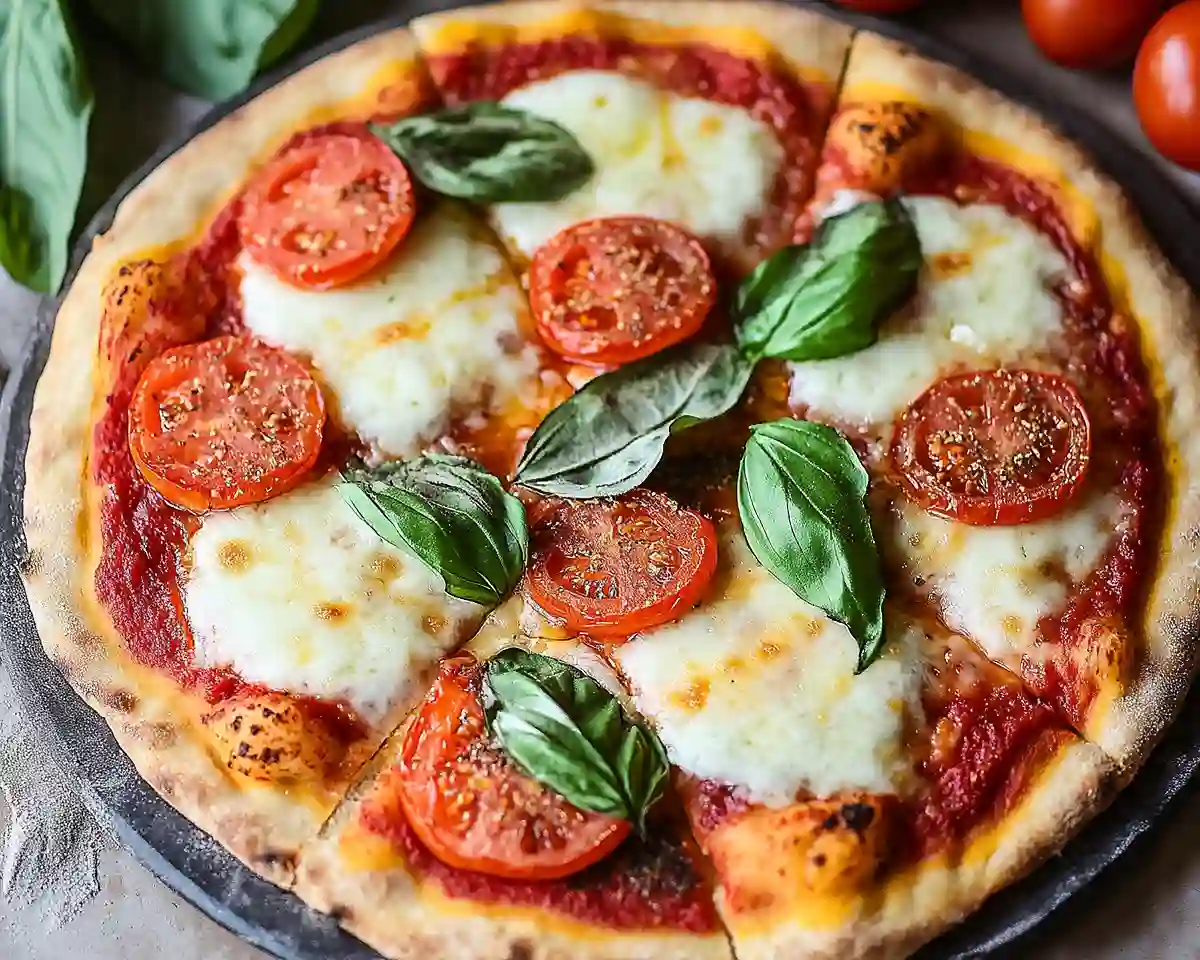
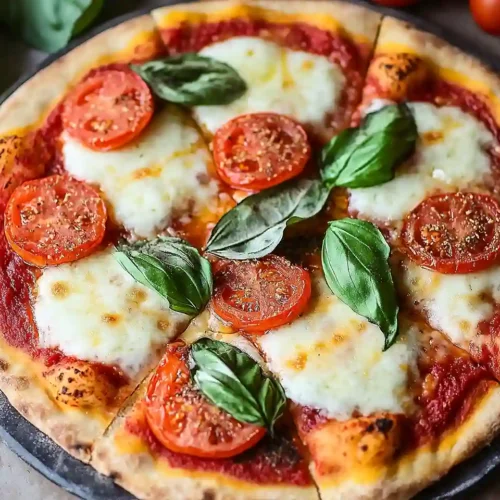
Serve your warm gluten-free sourdough pizza crust with simple toppings that let the crust shine—good quality sauce, fresh mozzarella, and basil is honestly perfection. If you’re feeding a crowd on a holiday weekend, set up a pizza bar and let everyone build their own dream combination.
This crust pairs beautifully with a simple green salad tossed in lemon vinaigrette, or alongside roasted vegetables. For drinks, a crisp white wine or cold sparkling water complements the tangy sourdough notes wonderfully.
Variations to Make Them Your Own
Thick Pan Pizza for Game Day
Keep your gluten-free sourdough pizza crust dough as one big ball for a thick, focaccia-style pizza. Press it into a 12-inch round and you’ll get that satisfying, doughy texture perfect for feeding a crowd while watching the big game.
Ultra-Thin Cracker Crust Version
Divide the dough into thirds instead of halves, creating three thin crusts. These bake faster (about 8 minutes pre-bake) and are ideal for party pizza or when you want something that’s more about toppings than bread.
Herb-Infused Gluten-Free Pizza Dough
Well, mix dried Italian herbs, garlic powder, or everything bagel seasoning right into your gluten-free sourdough pizza dough before the rise. You’ll get seasoning throughout the crust instead of just on top, creating a more flavorful base.
Stuffed Crust Adventure
Man, oh man, here’s a fun idea: before the final bake, arrange mozzarella sticks or cheese-filled dough around the outer edge of your gluten-free pizza crust. You get that dreamy stuffed-crust experience while staying completely gluten-free.
Totally Dairy-Free Topping Version
Your crust is already vegan, so top it with dairy-free cheese, loads of veggies, and your favorite plant-based proteins. The beauty of gluten-free sourdough pizza is that the crust is the star—toppings are flexible.
FAQs About Gluten-Free Sourdough Pizza Crust
Can I use my regular sourdough starter instead of gluten-free?
If your regular starter has never been exposed to gluten-containing grains, then yes—go for it! The starter itself doesn’t contain gluten; just the flour fed to it. If you’re sensitive, keep your gluten-free sourdough pizza dough starter dedicated to gluten-free flours to be safe.
What if I don’t have psyllium husk on hand?
Psyllium husk is really the key to this recipe’s success—it creates structure where gluten can’t. You could try xanthan gum at 1-2 teaspoons as a backup, but the texture will be different in your gluten-free pizza dough. I’d honestly recommend ordering psyllium; it’s inexpensive and keeps forever.
How do I know when my sourdough starter is ready to use?
Both active and discard work here, which is the beauty of this gluten-free sourdough pizza crust recipe. If you want extra rise, use an active starter that’s been fed 4-8 hours prior. Discard works fine for flavor but might need slightly longer rise time.
Can I make this without a pizza pan?
Absolutely—use a preheated baking stone or even a cast iron skillet. The key is preheating whatever surface you choose inside the oven so your gluten-free pizza dough gets that immediate heat for crispiness.
Why does my gluten-free pizza dough feel different than regular dough?
Without gluten’s network, this dough won’t have the same stretch or elasticity. That’s normal and actually creates a different, wonderful texture in your gluten-free sourdough pizza crust. Embrace the difference—it’s part of the charm.
How long can I refrigerate the dough?
Keep your gluten-free sourdough pizza dough in the fridge for up to 5 days if it’s in an airtight container. The sourdough fermentation continues slowly, actually improving flavor over time. Just punch it down occasionally if it rises too much.
Final Thoughts
Making gluten-free sourdough pizza crust from scratch is one of those cooking achievements that feels way more complicated than it actually is. You’re going to slice into that warm crust, taste the subtle tang of sourdough fermentation, and realize you’ve officially joined the homemade pizza club—except your version is gluten-free and actually delicious.
The best part? This recipe proves that gluten-free doesn’t mean sacrificing flavor or texture. It means getting creative, understanding different ingredients, and trusting the process. Your family and friends won’t even realize they’re eating gluten-free pizza until you tell them—and then comes the amazed reaction.
For more information on sourdough fermentation science and how it improves digestibility, check out this authoritative guide to sourdough health benefits.
Gluten-Free Sourdough Pizza Crust
Equipment
- Large mixing bowl or stand mixer
- Lodge Cast Iron Pizza Pan
- Parchment paper
- Large cutting board or sheet pan
- Rolling pin or hands for shaping
- Greased bowls for rising
- Pizza cutter or sharp knife
Ingredients
Base Ingredients
- 12–15 g psyllium husk higher amount = firmer dough
- 300 g filtered water, room temperature
- 150 g gluten-free sourdough starter can be active or fresh discard
Dry Ingredients
- 80 g starch potato, tapioca, or arrowroot starch
- 145 g gluten-free whole grain flours quinoa, sorghum, brown rice, or combination
- 10 g sea salt
Instructions
- Combine the psyllium husk and room-temperature filtered water in a large bowl or stand mixer bowl. Let this mixture sit for about 5 minutes while it thickens and gels—you’ll watch it transform into a slightly gelatinous base that’ll become your pizza dough’s secret weapon.
- Mix in your gluten-free sourdough starter, whether it’s active and bubbly or just fresh discard from your regular feedings. Stir everything together until well combined—this is where the tangy sourdough flavor and natural fermentation magic begins.
- Add the starch, flour, and sea salt all at once, then mix until a smooth dough forms. If it feels sticky, don’t panic—let it rest for a few minutes to allow the psyllium and flours to absorb moisture. Your gluten-free sourdough pizza dough should be soft and workable, not stiff.
- For a thick, Sicilian-style crust, leave the dough as one ball and transfer it to a well-greased bowl. For thinner, crispier crusts, divide the dough in half, form two balls, and place each in separate greased bowls. This flexibility is one of the best parts about this recipe.
- Cover and let your gluten-free sourdough pizza dough rise at room temperature for 3 hours, or refrigerate overnight for deeper flavor development. The longer, cooler rise in the fridge is honestly my preference because it gives the sourdough more time to work its magic and makes the dough easier to handle.
- Preheat your oven to 450°F with a Lodge Cast Iron Pizza Pan inside. You want that pan smoking hot and ready to go—this creates those beautiful crispy edges you’re dreaming about.
- Lightly grease a sheet of parchment paper and place it on a large cutting board or sheet pan. Flip your dough out onto the parchment, drizzle lightly with oil if it seems sticky, then use your hands or a rolling pin to gently press it into a circle, working from the center outward. Don’t stress about perfect shape—rustic is beautiful, and remember that gluten-free dough stretches differently than traditional pizza dough.
- Slide the entire sheet of parchment with your shaped gluten-free sourdough pizza crust onto the preheated pizza pan in one smooth motion. You’ve got this—the parchment makes it nearly foolproof.
- Bake for about 10 minutes to set the crust and develop a light golden color on the edges. You’re looking for it to be firm enough that you can slide it off the parchment paper. This pre-baking step is key to preventing a soggy bottom once you add toppings.
- Carefully remove the crust from the oven, slide it off the parchment directly onto the pizza pan, then add all your favorite pizza toppings. Go wild with sauce, cheese, vegetables, and whatever makes your heart happy.
- Return the pan to the oven and bake for 5 to 10 more minutes until the toppings are golden and the cheese is melted into bubbly perfection. Remove from the oven, slice while warm, and prepare to be amazed by what you’ve created.