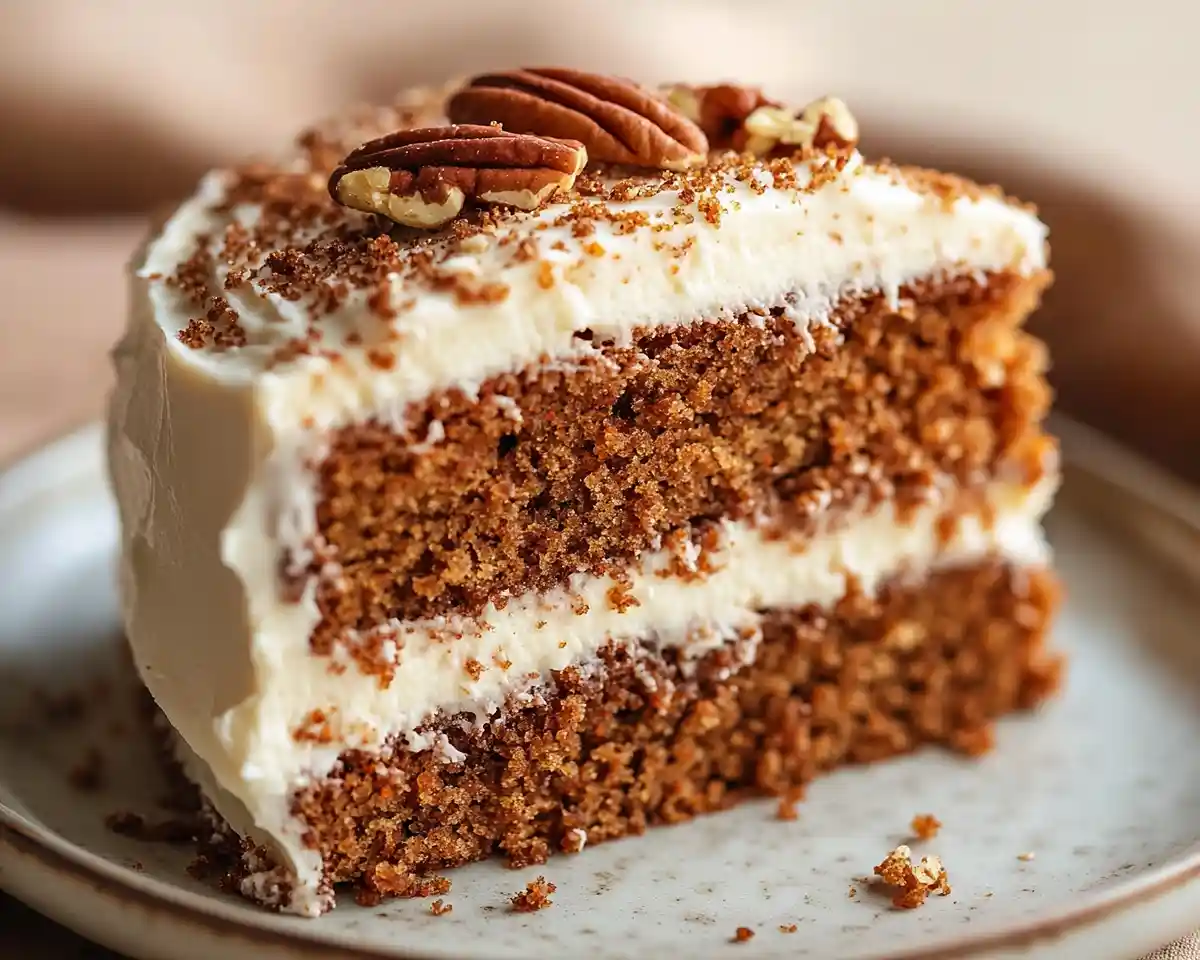
Gluten-Free Sugar-Free Carrot Cake
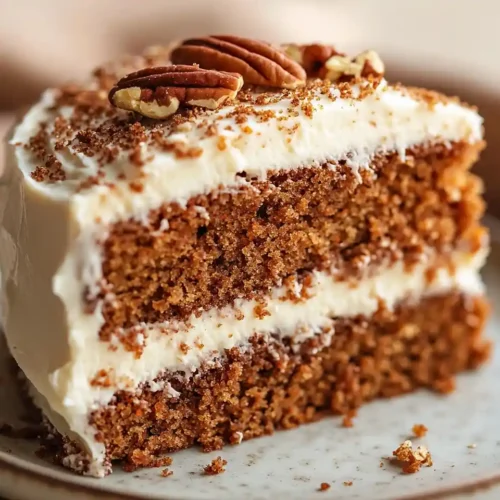
Easy gluten-free sugar-free carrot cake with erythritol and cream cheese frosting. Healthy, naturally sweetened, and perfect for diabetics. Two-layer cake feeds 12+.
There’s something magical about the moment you bite into a slice of carrot cake and realize you don’t have to feel guilty about it. I discovered this truth when I finally nailed a gluten-free sugar-free carrot cake that tastes as indulgent as the full-sugar version—without any of that post-dessert energy crash.
For years, I thought enjoying a healthy carrot cake meant sacrificing flavor or dealing with those grainy, disappointing textures. Then I started experimenting with coconut flour and erythritol, and everything changed. This low sugar carrot cake became the dessert I actually look forward to making for family gatherings and holiday celebrations.
You know what’s even better? This gluten-free carrot cake works beautifully whether you’re managing blood sugar, avoiding refined flour, or just seeking nourishing desserts that don’t leave you feeling sluggish. Let’s bake something that tastes like love and feels good in your body.
Table of Contents
Why This Low Sugar Carrot Cake Actually Works
The secret to this healthy carrot cake lies in three things: coconut flour’s natural moisture, Greek yogurt’s protein structure, and erythritol’s neutral sweetness. Coconut flour is denser than wheat flour, so we use less of it—this prevents the cake from becoming dry.
Well, the Greek yogurt does more than just add protein. It brings moisture and tang that balances the erythritol beautifully, creating a frosting that tastes indulgent rather than artificial. Combined with fresh grated carrots and warm spices, you get a gluten-free sugar-free carrot cake that feels genuinely celebratory, not like a compromise.
Ingredients
For the Cake
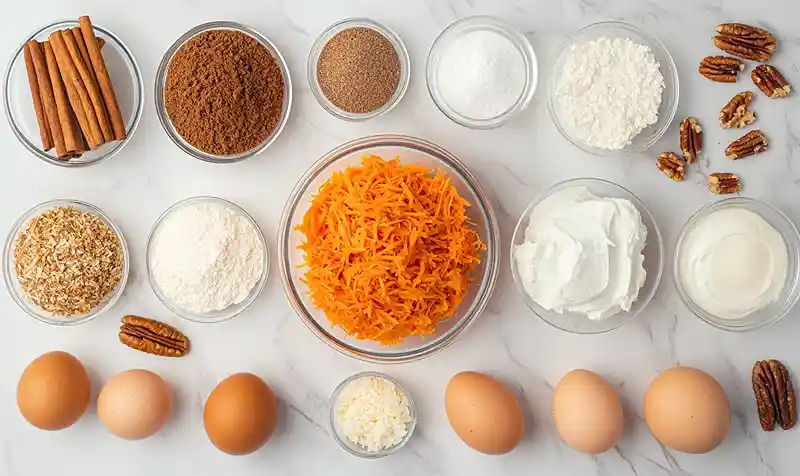
| Ingredient | Amount |
|---|---|
| Coconut flour, sifted | 1¼ cups + 2 tablespoons (136g) |
| Ground cinnamon | 4½ teaspoons |
| Baking soda | 1 teaspoon |
| Baking powder | 1 teaspoon |
| Salt | 1 teaspoon |
| Ground nutmeg | ½ teaspoon |
| Large eggs | 9 |
| Erythritol sweetener | 18 tablespoons (I used Swerve) |
| Plain non-fat Greek yogurt | 10 tablespoons |
| Vanilla extract | 2 teaspoons |
| Grated carrots (about 7 large) | 4 cups (392g), lightly packed |
| Pecans, diced | ¾ cup (85g), plus extra for garnish |
| Unsweetened coconut flakes | ½ cup (27g) |
For the Frosting
| Ingredient | Amount |
|---|---|
| Light cream cheese, room temperature | 12 oz (1.5 bricks) |
| Plain non-fat Greek yogurt | ¾ cup |
| Vanilla extract | 3 teaspoons |
| Powdered erythritol sweetener | 1½ cups (I used Swerve) |
Instructions
Step 1: Prepare Your Pans
Preheat your oven to 350°F and line two 8-inch cake pans with parchment paper. Spray the exposed sides with cooking spray to ensure your cakes release cleanly—this step prevents frustration later.
Step 2: Combine the Dry Ingredients
In a medium bowl, stir together coconut flour, cinnamon, baking soda, baking powder, salt, and nutmeg until evenly mixed. You’ll notice the spices are generous here, which gives this healthy carrot cake its warm, distinctive flavor.
Step 3: Mix the Wet Base
In a separate large bowl, use an electric hand mixer to beat eggs, erythritol sweetener, Greek yogurt, and vanilla until well combined. The mixture should look pale and slightly fluffy, which means the eggs are incorporating air properly.
Step 4: Bring Wet and Dry Together
Stir the coconut flour mixture into the wet ingredients and mix until just combined. Don’t overmix—you want everything evenly distributed without overdeveloping the gluten-free structure.
Step 5: Fold in the Good Stuff
Gently fold in the grated carrots, pecans, and coconut flakes until well combined. Let the batter stand for 10 minutes so the coconut flour absorbs the moisture—this step is crucial for proper texture in your gluten-free sugar-free carrot cake.
Step 6: Bake Until Golden
Divide batter evenly between the two prepared pans and spread smoothly. Bake for 35–40 minutes until the sides are golden brown and a toothpick inserted in the center comes out clean—the timing is spot-on when you see that beautiful golden color.
Step 7: Cool Completely
This is non-negotiable: let your cakes cool completely in the pans before removing them. Patience here prevents crumbling and ensures the structure sets properly.
Making the Frosting
Beat Cream Cheese and Yogurt
In a large bowl, use an electric hand mixer to beat room-temperature cream cheese and Greek yogurt on high speed until fluffy and smooth. This combination creates a frosting that’s tangy, creamy, and naturally lighter than traditional cream cheese alone.
Add Vanilla and Sweetener
Add vanilla extract and beat until combined, then switch to low speed and gradually add powdered erythritol sweetener. Return to high speed and beat for 2–3 minutes until the frosting reaches that perfect cloud-like consistency.
Frosting and Assembly
Create Your First Layer
Place one cake layer bottom-side up on your cake stand. Spread ¾ cup frosting evenly across it, then gently place the second layer on top (also bottom-side up for a flat surface).
Apply the Crumb Coat
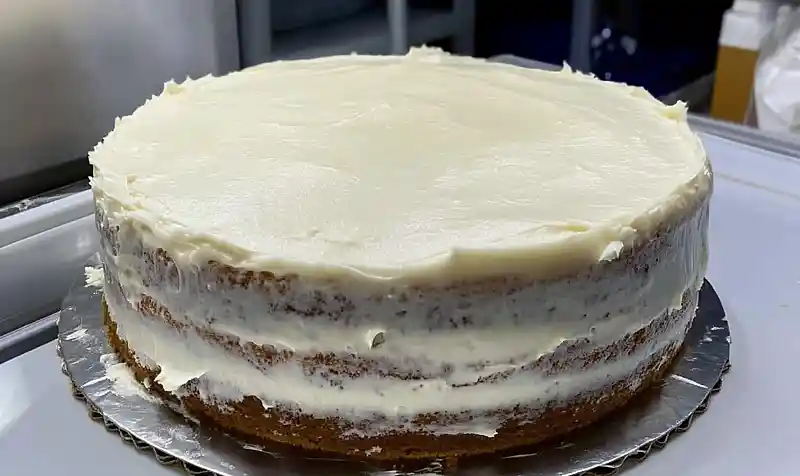
Spread a thin layer of frosting all over the cake—this crumb coat seals in loose crumbs so your final layer looks pristine. Chill for at least an hour (or overnight) while both cake and remaining frosting firm up.
Final Frosting
Once chilled, frost the entire cake with the remaining frosting. An offset spatula makes this so much easier and gives you those beautiful, smooth edges. Garnish with extra pecans for a finishing touch that looks bakery-quality.
Substitutions
Using Regular Sugar Instead of Erythritol
If you prefer traditional sugar, use ¾ cup granulated sugar plus ½ cup honey in the cake batter. For the frosting, use 1½ cups powdered sugar instead of erythritol sweetener, though your frosting will have a slightly different texture.
Almond Flour Swap for Coconut Flour
Almond flour won’t work at a 1:1 ratio since it absorbs moisture differently. If you substitute, use ¾ cup almond flour instead and reduce the Greek yogurt to 4 tablespoons, then adjust from there based on batter consistency.
Dairy-Free Frosting Option
Replace cream cheese with dairy-free cream cheese alternative and use unsweetened cashew yogurt or full-fat coconut milk (the thick part) in place of Greek yogurt. The flavor won’t be identical, but it’ll still be delicious and smooth.
Walnut Alternative
Walnuts work beautifully in place of pecans if that’s what you have on hand. Use the same quantity (¾ cup diced), and you’ll get a slightly earthier flavor that’s equally wonderful.
Check out our expert baking techniques guide for building confidence in gluten-free baking
Troubleshooting Tips
Cake Turns Out Dense or Heavy
This usually means the batter was overmixed or the eggs weren’t beaten enough air into them initially. Next time, beat the eggs for a full minute before adding other wet ingredients, and fold the dry ingredients gently rather than stirring aggressively.
Frosting Is Too Thick or Grainy
If your frosting seems grainy, your cream cheese or powdered sweetener likely had lumps. Make sure to beat the cream cheese alone first until completely smooth, then add sweetener gradually while mixing continuously.
Carrots Seem Watery in the Batter
Some carrot varieties release more moisture than others. If your batter looks soupy after standing for 10 minutes, let it sit another 5 minutes for the coconut flour to fully absorb the liquid.
Cake Sticks to the Pan
Always use parchment paper and spray the sides generously. If this happens despite that, run a thin knife around the edges before attempting to remove the cake, and let it cool for the full time in the pan.
Storage & Meal Prep
Keeping It Fresh
Store unfrosted cake layers in an airtight container at room temperature for up to 3 days, or in the refrigerator for up to a week. The frosted cake keeps beautifully in the fridge for up to 5 days in an airtight container.
Freezing for Later
Wrap unfrosted cake layers individually in plastic wrap and freeze for up to 3 months. Thaw at room temperature before frosting, or frost directly from frozen if you prefer a firmer cake that’s easier to decorate.
Serving Suggestions & Pairings
The Classic Pairing
Serve slices with a dollop of whipped cream and a cup of coffee or herbal tea. The cream adds richness while the warm spices in the cake create that cozy, gathered-together feeling perfect for any occasion.
Elegant Dessert Presentation
For special dinners, plate a slice alongside fresh berries and a small scoop of vanilla ice cream. This turns your healthy carrot cake into something that feels fancy enough for dinner parties.
Lunchbox Friendly
Pack individual slices (with or without frosting) in lunch boxes for an afternoon pick-me-up that won’t spike blood sugar. It’s wonderful for kids and adults managing energy levels throughout the day.
Variations & Dietary Adjustments
Make It Extra Moist
If you prefer an even more decadent texture, add ¼ cup crushed pineapple (well drained) to the batter along with the carrots. The natural acids in pineapple enhance the spice flavors beautifully.
Kid-Approved Version
Reduce the cinnamon to 3 teaspoons if little ones find it too strong, and skip the nutmeg entirely. Most kids love the subtle sweetness of carrots and pecans in this low sugar carrot cake format.
Cream Cheese Frosting Boost
Mix 2 tablespoons of cream cheese frosting with 1 tablespoon of lemon zest for a bright, citrusy version. This variation pairs wonderfully with the warm spices and adds an elegant flavor dimension.
Gluten-Free Carrot Cake for Crowds
Double the recipe and bake in three 8-inch pans for a stunning three-layer cake. This works perfectly for celebrations and feeds 15–18 people generously.
FAQs About This Gluten-Free Sugar-Free Carrot Cake
Can you make carrot cake with no sugar?
Absolutely! This recipe uses erythritol, a naturally derived sweetener with zero calories and virtually no glycemic impact. It tastes remarkably similar to traditional sugar without the blood sugar spike.
What can I substitute sugar for in carrot cake?
Monk fruit sweetener works beautifully at a 1:1 ratio, as does allulose or xylitol (though xylitol isn’t safe for dogs). Each sweetener brings subtle flavor differences, so experiment to find your preference.
Can diabetics eat carrot cake?
Yes—this gluten-free sugar-free carrot cake is specifically designed for stable blood sugar. The combination of fiber from carrots and protein from eggs and Greek yogurt creates steady energy without spikes.
What happens if you bake without sugar?
Sugar does more than sweeten—it affects texture, moisture, and browning. That’s why using erythritol at the correct amount ensures your cake bakes with the same moisture level and texture as traditional recipes.
How do you know when sugar-free cake is done?
Use the toothpick test: insert it in the center and it should come out clean or with just a few moist crumbs. You can also gently press the top—it should spring back slowly and feel set.
Best way to store leftover frosting?
Keep it in an airtight container in the refrigerator for up to a week. You can also freeze it in individual dollops on parchment paper, then transfer to a freezer bag for up to 3 months.
Final Thoughts
This gluten-free sugar-free carrot cake proves that wholesome desserts can taste absolutely luxurious. Whether you’re managing blood sugar, avoiding refined flour, or simply seeking desserts that make you feel good, this healthy carrot cake delivers on every front.
Man, oh man—the confidence you’ll feel serving this at family gatherings, knowing exactly what went into every delicious bite? That’s the real reward.
Research shows that lower glycemic index foods support more stable energy and better blood sugar management, which is why swapping refined sugar for erythritol in desserts genuinely matters for your wellness.
This healthy carrot cake provides natural nutrients from carrots while erythritol keeps blood sugar stable—a win-win for both taste and health.
Gluten-Free Sugar-Free Carrot Cake
Equipment
- Two 8-inch cake pans
- Parchment paper
- Cooking spray
- Medium mixing bowl
- Large mixing bowl
- Electric hand mixer
- Whisk
- Wooden spoon or spatula
- Toothpick
- Cake stand
- Offset spatula
- Wire cooling rack
Ingredients
For the Cake
- 1 ¼ cups + 2 tablespoons (136g) Coconut flour, sifted
- 4 ½ teaspoons Ground cinnamon
- 1 teaspoon Baking soda
- 1 teaspoon Baking powder
- 1 teaspoon Salt
- ½ teaspoon Ground nutmeg
- 9 Large eggs
- 18 tablespoons Erythritol sweetener I used Swerve
- 10 tablespoons Plain non-fat Greek yogurt
- 2 teaspoons Vanilla extract
- 4 cups (392g) Grated carrots about 7 large carrots, lightly packed
- ¾ cup (85g) Pecans, diced plus additional for garnish
- ½ cup (27g) Unsweetened coconut flakes
For the Frosting
- 12 oz (1.5 bricks) Light cream cheese at room temperature
- ¾ cup Plain non-fat Greek yogurt
- 3 teaspoons Vanilla extract
- 1 ½ cups Powdered erythritol sweetener I used Swerve
Instructions
- Preheat oven to 350°F and line two 8-inch cake pans with parchment paper. Spray the exposed sides with cooking spray to ensure your cakes release cleanly.
- In a medium bowl, stir together coconut flour, cinnamon, baking soda, baking powder, salt, and nutmeg until evenly mixed.
- In a separate large bowl, use an electric hand mixer to beat eggs, erythritol sweetener, Greek yogurt, and vanilla until well combined. The mixture should look pale and slightly fluffy.
- Stir the coconut flour mixture into the wet ingredients and mix until just combined. Do not overmix.
- Gently fold in the grated carrots, pecans, and coconut flakes until well combined. Let the batter stand for 10 minutes so the coconut flour absorbs the moisture. The batter will be thick, which is normal.
- Divide batter evenly between the 2 pans and spread out smoothly. Bake for 35–40 minutes until the sides are golden brown and a toothpick inserted in the center comes out clean.
- Let cool completely in the pan before removing. This is non-negotiable for proper texture and structure.
- To make frosting: In a large bowl, use an electric hand mixer to beat room-temperature cream cheese and Greek yogurt on high speed until fluffy and smooth.
- Add vanilla extract and beat until combined. Switch to low speed and gradually add powdered erythritol sweetener. Return to high speed and beat for 2–3 minutes until fluffy.
- Place one cake layer bottom-side up on a cake stand. Spread 3/4 cup frosting evenly across it, then gently place the second layer on top, also bottom-side up.
- Spread a thin crumb coat of frosting all over the cake to seal in crumbs. Chill for at least 1 hour or overnight. Put remaining frosting in the fridge too.
- Once chilled, frost the entire cake with remaining frosting using an offset spatula for smooth edges. Garnish with extra pecans if desired.