Gluten-Free Teriyaki Meatballs
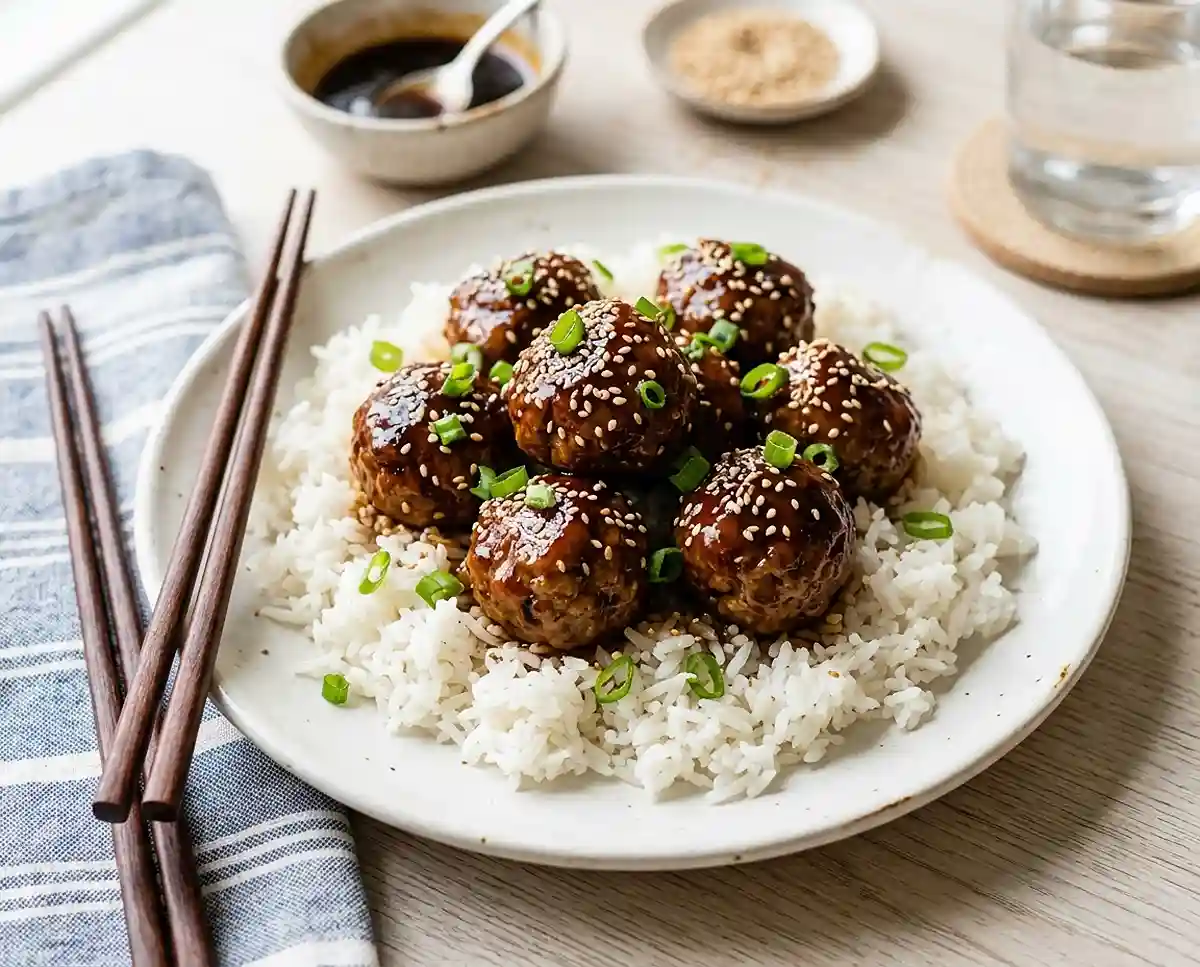
These Gluten-Free Teriyaki Meatballs are sticky, sweet, and baked to perfection in under 30 minutes. The ultimate asian meatballs for dinner or parties!
I used to think making homemade meatballs with a glossy teriyaki glaze was strictly weekend-project territory — the kind of thing you’d attempt once and then go back to ordering takeout. Then one frantic Thursday, with a pound of ground beef thawing on the counter and absolutely nothing planned, I threw together these gluten-free teriyaki meatballs on a whim.
Well… the beauty of these sweet meatballs is how ridiculously simple they are to pull together. The meatballs bake in the oven while you simmer a quick homemade teriyaki sauce on the stove — everything finishes at roughly the same time, and the whole kitchen fills with this gorgeous, caramelized ginger-soy aroma that makes everyone wander in asking “what’s for dinner?”
Whether you need a quick weeknight protein, a crowd-pleasing party appetizer, or something the kids will actually devour without negotiation, these appetizer meatballs deliver on every front. And can we just appreciate a recipe where the sauce has six ingredients and the meatballs have five? Sometimes the simplest things taste the most impressive. These asian meatballs are proof of exactly that.
Table of Contents
Why These Gluten-Free Teriyaki Meatballs Taste Better Than Takeout
The secret is building flavour in two places at once. The meatballs themselves get seasoned with ginger, garlic powder, onion powder, and a splash of tamari before baking — so they’re flavourful all the way through, not just on the surface. Meanwhile, the teriyaki sauce simmers into a glossy, sticky glaze that clings to every curve.
Most store-bought teriyaki sauces contain wheat-based soy sauce, which makes them off-limits for gluten-free diets. According to the Celiac Disease Foundation’s guide to gluten in soy sauce, traditional soy sauce is brewed with wheat as a primary ingredient. Using tamari (which is naturally brewed without wheat) or coconut aminos keeps these sweet meatballs completely safe and just as delicious.
Baking the meatballs instead of pan-frying means less hands-on babysitting and a more even cook throughout. They develop a beautiful golden exterior in the oven, and when you toss them in that warm, sticky sauce, the glaze grabs onto every surface. These gluten-free teriyaki meatballs end up looking and tasting like something from your favourite Asian restaurant.
Ingredients for Gluten-Free Teriyaki Meatballs
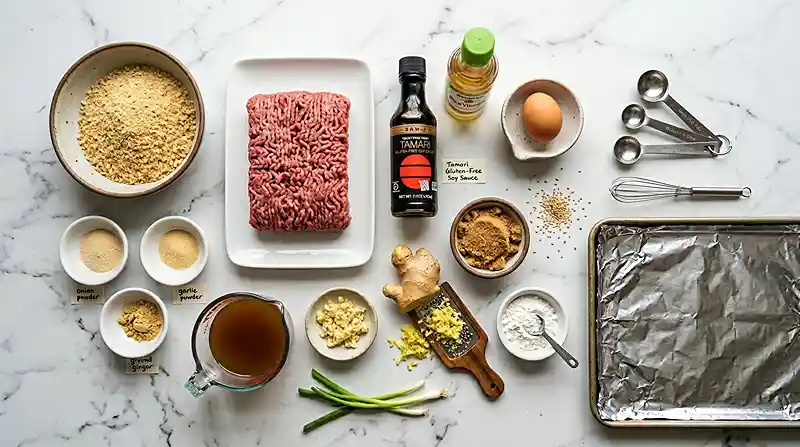
For the Meatballs
| Ingredient | Amount | Notes |
|---|---|---|
| Gluten-free breadcrumbs | ½ cup | See note below on brands |
| Onion powder | ½ teaspoon | |
| Garlic powder | ¼ teaspoon | |
| Ground ginger | ½ teaspoon | |
| Ground beef | 1 pound | 80/20 blend recommended |
| Tamari or coconut aminos | ¼ cup | Gluten-free soy sauce |
| Egg | 1 |
For the Teriyaki Sauce
| Ingredient | Amount | Notes |
|---|---|---|
| Tamari or coconut aminos | ½ cup | Gluten-free soy sauce |
| Rice wine vinegar | 2 tablespoons | Or mirin |
| Beef broth | ½ cup | Certified gluten-free, or water with GF bouillon |
| Minced garlic | 1 teaspoon | |
| Fresh ginger, grated | 1 teaspoon | Or ginger paste, or 1 tsp ground ginger |
| Brown sugar | 2 tablespoons | |
| Cornstarch | 2 teaspoons |
Instructions: How to Make Gluten-Free Teriyaki Meatballs
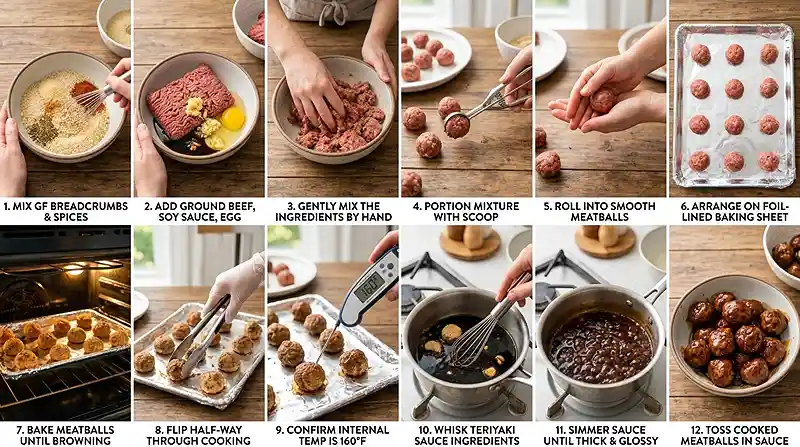
Step 1 — Preheat and Prep
Preheat your oven to 375°F and line a baking sheet with aluminium foil for easy cleanup. This small prep step saves you a world of scrubbing later — trust me on this one.
Step 2 — Mix the Dry Ingredients
In a large bowl, combine the gluten-free breadcrumbs, onion powder, garlic powder, and ground ginger. Give everything a good stir until the spices are evenly distributed throughout the breadcrumbs. This spiced base is what gives these asian meatballs their flavour from the inside out.
Step 3 — Add the Wet Ingredients and Beef
Add the ground beef, ¼ cup of tamari (or coconut aminos), and the egg to the bowl. Gently mix with your hands or a fork until just combined — you don’t want to overwork the meat, as that makes the meatballs tough rather than tender. The mixture should hold together easily when you squeeze a small amount in your palm.
Step 4 — Shape the Meatballs
Using a 1½ tablespoon spring-loaded scoop (or just eyeballing it), portion the mixture into even-sized balls. Gently roll each one between your palms until smooth — they should be roughly the size of a golf ball. Place them on the prepared baking sheet with a little space between each one. You should get about 18–20 sweet meatballs from this batch.
Step 5 — Bake
Slide the meatballs into the oven and bake for 10 minutes. Flip each one over, then continue baking for an additional 6–10 minutes until they’re golden brown, cooked through, and reach an internal temperature of 160°F. The kitchen will start smelling incredible at this point — warm, savoury, with that unmistakable ginger-garlic aroma wafting through the house.
Step 6 — Make the Teriyaki Sauce
While the meatballs bake, combine the ½ cup tamari, rice wine vinegar, beef broth, minced garlic, grated fresh ginger, brown sugar, and cornstarch in a small saucepan. Whisk everything together and bring to a gentle simmer over medium heat. Continue whisking occasionally as the sauce bubbles and thickens — it should become glossy, sticky, and as smooth and shiny as warm honey within just a few minutes.
Step 7 — Toss and Serve
Transfer the baked meatballs into the saucepan of warm teriyaki sauce and gently toss until every single one is coated in that gorgeous, lacquered glaze. Alternatively, arrange them on a platter and pour the sauce over the top. Serve these gluten-free teriyaki meatballs immediately while the sauce is still warm and beautifully glossy.
Substitutions for Gluten-Free Teriyaki Meatballs
Ground Meat Options: Ground turkey, chicken, or pork all work beautifully as substitutes for beef. Turkey and chicken are leaner, so you may want to add a tablespoon of olive oil to the mixture to keep these appetizer meatballs moist. Ground pork adds a slightly sweeter, richer flavour that pairs especially well with the teriyaki glaze.
Breadcrumb Alternatives: Crushed gluten-free rice crackers or rolled oats (certified gluten-free) both bind the meatballs effectively. Almond flour also works for a grain-free version — use the same ½ cup measurement. The texture changes slightly but these asian meatballs will still hold together and taste wonderful.
Tamari Substitute: Coconut aminos are a fantastic soy-free and lower-sodium alternative that still delivers that deep, savoury umami flavour. The sauce will be slightly sweeter with coconut aminos, so you might want to reduce the brown sugar by a teaspoon. Either option keeps these gluten-free teriyaki meatballs completely safe for a gluten-free diet.
Rice Wine Vinegar: Mirin is the traditional Japanese rice wine and adds a slightly sweeter, more delicate tang. Apple cider vinegar diluted with a teaspoon of water and a pinch of sugar also works in a pinch. The acidity is what brightens the teriyaki sauce and keeps these sweet meatballs from tasting one-note.
Egg-Free Option: A flax egg (1 tablespoon ground flaxseed mixed with 3 tablespoons water, rested 5 minutes) binds the meat mixture well. The meatballs may be slightly more fragile, so handle gently when rolling and let them cool for a minute before tossing in the sauce.
Troubleshooting Your Gluten-Free Teriyaki Meatballs
The meatballs are falling apart. This usually means the mixture was too wet or didn’t have enough binding. Make sure you’re using a full ½ cup of breadcrumbs and that the egg is well incorporated. You know… chilling the shaped meatballs in the fridge for 15 minutes before baking also helps them hold their shape during cooking.
The teriyaki sauce isn’t thickening. The cornstarch needs a proper simmer to activate — make sure the sauce actually reaches a gentle bubble, not just steaming. If it’s still too thin after a couple of minutes of simmering, mix an extra teaspoon of cornstarch with a tablespoon of cold water and whisk it in. Give it another minute on the heat and it should thicken into that glossy glaze you’re after.
The meatballs are dry. Overbaking is the most common cause — pull them at 160°F internal temperature and no higher. Using an 80/20 beef blend (rather than extra-lean) provides the fat content needed for juicy, tender results in these appetizer meatballs. Overmixing the meat can also create a dense, dry texture, so mix gently and just until combined.
The sauce tastes too salty. Tamari is naturally quite salty, and some brands are saltier than others. According to USDA’s sodium content data for tamari, reduced-sodium tamari contains significantly less salt while delivering the same umami depth. Start with reduced-sodium tamari and taste before adding any additional salt to your gluten-free teriyaki meatballs.
How to Store Gluten-Free Teriyaki Meatballs
Store the meatballs and sauce together in an airtight container in the fridge for up to 4 days. Reheat gently in a saucepan over medium-low heat, adding a splash of beef broth or water to loosen the sauce as it warms. These sweet meatballs reheat beautifully — the sauce re-glazes as it warms, and the flavour actually deepens after a day in the fridge.
Meal Prep & Freezing Tips
These gluten-free teriyaki meatballs are fantastic for meal prep. Bake a double batch of meatballs, let them cool completely, and freeze in a single layer on a tray before transferring to freezer bags — they’ll keep for up to 3 months. Make the teriyaki sauce separately and freeze in portions alongside. When you’re ready, thaw overnight in the fridge, warm the sauce in a pan, toss the reheated meatballs in, and dinner is served in minutes. Our savoury gluten-free honey garlic chicken follows a similar make-ahead approach if you love batch cooking.
Serving Suggestions & Pairings
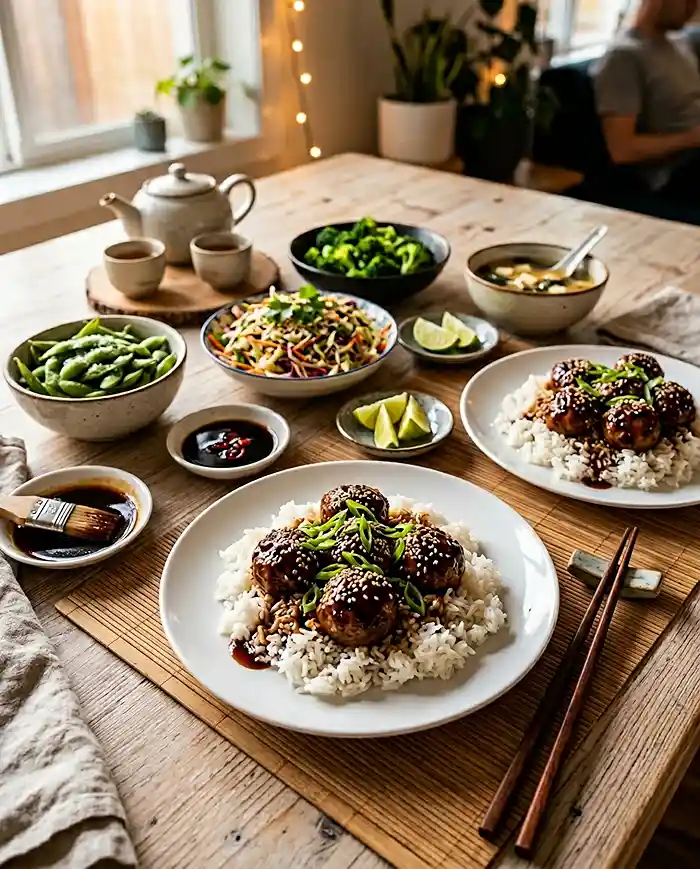
Serve these gluten-free teriyaki meatballs over steamed jasmine rice or fluffy white rice for the most classic pairing. Spoon extra sauce over the top and scatter sesame seeds and sliced green onions for a restaurant-worthy presentation that takes about 10 seconds of extra effort.
For a lighter meal, pile them over a bed of stir-fried vegetables or alongside edamame and a simple cucumber salad dressed with rice vinegar and sesame oil. The bright, cool crunch of cucumber beautifully offsets the sticky sweetness of these asian meatballs.
Set them out as appetizer meatballs with toothpicks at your next party — they’re the kind of finger food that has people hovering around the platter. A small bowl of extra teriyaki sauce on the side for dipping makes the presentation feel special. For a full party spread, our crowd-favourite gluten-free spinach artichoke dip adds a gorgeous creamy contrast alongside these saucy bites.
Fried rice, lo mein (made with gluten-free noodles), or even tucked into lettuce wraps — these sweet meatballs are incredibly versatile as the protein in almost any Asian-inspired meal.
Variations & Dietary Adjustments
Kid-Friendly Approach: Kids tend to love these because the teriyaki sauce is sweet rather than spicy. Cut the ginger in both the meatballs and sauce by half if your little ones are sensitive to it. Serve the gluten-free teriyaki meatballs with rice and a simple side of steamed broccoli — it’s a dinner that gets genuinely enthusiastic reviews from the under-ten crowd.
Spicy Teriyaki Version: Man, oh man… if you love heat, add 1–2 teaspoons of Sriracha or a drizzle of chili garlic sauce to the teriyaki sauce while it simmers. A pinch of red pepper flakes sprinkled on top after plating adds both heat and a beautiful pop of colour. These appetizer meatballs become a completely different experience with that fiery kick.
Pineapple Teriyaki Twist: Fold ¼ cup of finely diced pineapple (fresh or canned, well-drained) into the meatball mixture before shaping. The pineapple caramelizes slightly during baking and adds bursts of tropical sweetness throughout these asian meatballs. It’s a Thanksgiving-worthy twist that also happens to be perfect for summer cookouts.
Dairy-Free Confirmation: This entire recipe is naturally dairy-free as written — no modifications needed. Double-check your breadcrumb brand for hidden dairy ingredients, and you’re all set for a completely dairy-free batch of these sweet meatballs.
Turkey Meatball Version: Swap the ground beef for ground turkey for a lighter take that’s lower in saturated fat. Add 1 tablespoon of olive oil to the mixture to compensate for the leaner meat, and don’t skip the egg — turkey needs the extra binding. These gluten-free teriyaki meatballs stay just as juicy and flavourful with the lighter protein. If you’re building a full meal prep lineup, our irresistible gluten-free peanut butter blossoms make a wonderful sweet finish to pack alongside.
FAQs About Gluten-Free Teriyaki Meatballs
Why is teriyaki sauce not gluten-free?
Traditional teriyaki sauce is made with regular soy sauce, which is brewed using wheat as a primary ingredient. This means most store-bought teriyaki sauces and marinades contain gluten. Making your own sauce with tamari (a naturally wheat-free soy sauce) or coconut aminos keeps these gluten-free teriyaki meatballs completely safe.
What can I use to make meatballs gluten-free?
Swap regular breadcrumbs for certified gluten-free breadcrumbs, crushed rice crackers, or gluten-free oats as the binder. The rest of the meatball ingredients — ground meat, egg, and spices — are naturally gluten-free. Just always double-check seasoning labels, since some blends contain hidden wheat fillers.
What are the three main ingredients in teriyaki meatballs?
At their core, the three essential components are ground meat, soy sauce (or gluten-free tamari), and brown sugar. The soy sauce provides the savoury umami depth, the brown sugar creates the signature sweetness, and the meat is the foundation. Everything else — ginger, garlic, vinegar — layers in complexity, but those three create the base flavour of these sweet meatballs.
What is a gluten-free substitute for teriyaki sauce?
Homemade teriyaki using tamari or coconut aminos, rice vinegar, brown sugar, garlic, ginger, and cornstarch is the best substitute. It takes about 5 minutes to make and tastes fresher than any bottled version. Some brands like San-J and Kikkoman also offer certified gluten-free teriyaki sauces if you prefer store-bought for your asian meatballs.
What teriyaki marinades are gluten-free?
San-J Gluten-Free Teriyaki Sauce and Kikkoman Gluten-Free Teriyaki Marinade are two widely available certified options. Always look for the “certified gluten-free” label rather than just “wheat-free,” as cross-contamination can still occur. The homemade sauce in this recipe is the safest and most flavourful option for these gluten-free teriyaki meatballs.
Can teriyaki be gluten-free?
Absolutely — teriyaki is naturally a very simple sauce that only requires a gluten-free soy sauce swap to become safe. The other traditional ingredients (sugar, rice wine, ginger, garlic) are all naturally free of gluten. Making it from scratch gives you full control over every ingredient in your appetizer meatballs.
Final Thoughts
These gluten-free teriyaki meatballs are the kind of recipe that makes weeknight cooking feel genuinely exciting — sticky, sweet, and bursting with flavour in every bite. I hope they bring as much joy to your dinner table as they’ve brought to mine. Tag us on Pinterest or Instagram when you make them — I’d love to see those gorgeous, glossy, saucy creations!
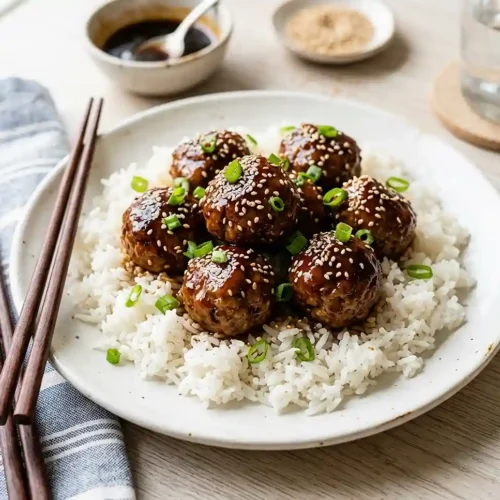
Gluten-Free Teriyaki Meatballs
Equipment
- Baking sheet
- Aluminum foil
- Large mixing bowl
- Small saucepan
- Whisk
- 1.5 tablespoon spring-loaded scoop
- Instant-read thermometer
Ingredients
For the Meatballs
- ½ cup gluten-free breadcrumbs see note on brands
- ½ teaspoon onion powder
- ¼ teaspoon garlic powder
- ½ teaspoon ground ginger
- 1 pound ground beef 80/20 blend recommended
- ¼ cup tamari gluten-free soy sauce, or coconut aminos
- 1 egg
For the Teriyaki Sauce
- ½ cup tamari gluten-free soy sauce, or coconut aminos
- 2 tablespoons rice wine vinegar or mirin
- ½ cup beef broth certified gluten-free, or water with GF beef bouillon
- 1 teaspoon minced garlic
- 1 teaspoon grated fresh ginger or ginger paste, or 1 tsp ground ginger
- 2 tablespoons brown sugar
- 2 teaspoons cornstarch
Instructions
- Preheat the oven to 375°F. Line a baking sheet with aluminum foil for easy cleanup.
- In a large bowl, mix the gluten-free breadcrumbs, onion powder, garlic powder, and ground ginger until combined.
- Add the ground beef, 1/4 cup tamari (or coconut aminos), and egg. Gently mix until just combined — avoid overworking the meat.
- Using a 1 1/2 tablespoon spring-loaded scoop, portion the mixture and gently roll into smooth meatballs. Place them on the prepared baking sheet with a little space between each one.
- Bake for 10 minutes, flip each meatball over, and cook for an additional 6–10 minutes or until cooked through and they reach an internal temperature of 160°F.
- While the meatballs bake, combine the 1/2 cup tamari, rice wine vinegar, beef broth, minced garlic, grated fresh ginger, brown sugar, and cornstarch in a small saucepan. Bring to a simmer while whisking occasionally. Continue whisking until the sauce is glossy and thickened.
- Toss the baked meatballs in the warm teriyaki sauce until fully coated, or arrange on a platter and drizzle the sauce over the top. Serve immediately.