
Gluten-Free Twice Baked Potatoes
Perfect gluten-free twice baked potatoes with fluffy, cheesy filling that’s naturally safe for celiac diets. These stuffed potatoes make an irresistible Easter side dish or weeknight comfort food.
Last Thanksgiving, I volunteered to bring a side dish that everyone—including my celiac nephew—could enjoy without a second thought. I’d watched him politely decline too many “safe” dishes that still felt like compromises. These gluten-free twice baked potatoes changed everything. When he went back for thirds and my uncle asked for the recipe, I knew I’d found that rare unicorn: a dish so good, nobody cares what it doesn’t contain.
You know what makes twice baked potatoes the ultimate crowd-pleaser? They’re naturally gluten-free, endlessly customizable, and fancy enough for holiday tables while being easy enough for Tuesday dinner. No weird substitutions, no texture compromises—just pure potato comfort that happens to be celiac-safe.
Table of Contents
Why You’ll Love These Gluten-Free Twice Baked Potatoes
- Naturally gluten-free with zero specialty ingredients or weird substitutions needed
- Make-ahead friendly so you can prep them a day early and just pop them in the oven before serving
- Creamy, fluffy filling that tastes like the best mashed potatoes wrapped in a crispy potato skin
- Perfect for Easter dinners, Thanksgiving, potlucks, or any time you need a side dish that feeds a crowd without stress
The Secret to Perfect Gluten-Free Twice Baked Potatoes
Baking at lower temps creates fluffier potatoes. Starting at 300-350°F instead of the standard 400°F gives the starches time to break down gradually, resulting in that cloud-like interior texture instead of dense, gummy centers that plague rushed potatoes.
Salt-crusted skins deliver restaurant-quality results. Rubbing oil and coarse sea salt directly on the raw potato skin before baking creates a crispy, flavorful shell that stands up to scooping and refilling without tearing—a trick I learned from a steakhouse chef after one too many collapsed potato boats.
Leaving a ¼-inch potato layer prevents sogginess. That thin flesh barrier between the filling and skin acts like insulation, keeping the crispy exterior separate from the creamy interior instead of letting everything turn into one mushy mess.
Mixing with electric beaters incorporates air. Hand-mixing twice baked potato filling leaves you with lumpy, dense results, but a hand mixer whips in tiny air pockets that make the filling impossibly light and smooth—almost like potato mousse.
Ingredients
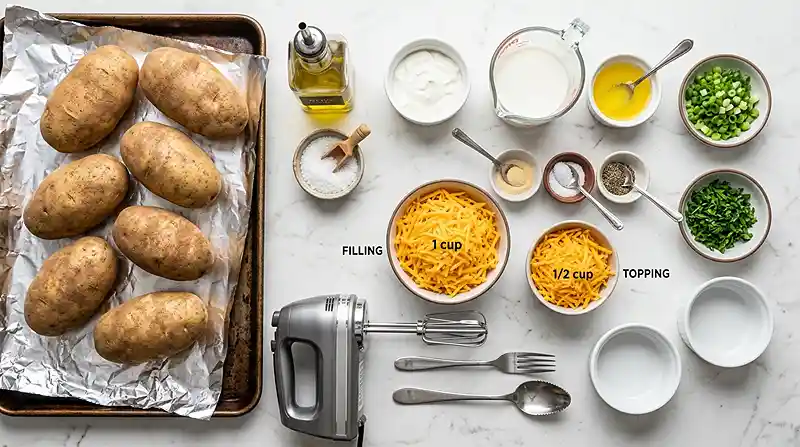
For Baking the Potatoes
- 5 large baking potatoes (russet or Idaho work best)
- ~3 tablespoons olive oil
- ~4 teaspoons coarse sea salt
For the Filling
- ¾ cup sour cream
- ⅓ cup milk
- 4 tablespoons melted butter
- 1 teaspoon garlic powder
- 1½ teaspoons salt
- 1 teaspoon pepper
- 1½ cups shredded cheddar cheese, divided
Step-by-Step Instructions
1. Preheat your oven. Set it to 300-350°F depending on what else you’re cooking. I often bake these alongside other dishes at whatever temperature I’m using—just check them more frequently for doneness if you go higher.
2. Prep the potatoes. Scrub each potato under cold water to remove dirt, then pierce the skin 6-8 times with a fork. This lets steam escape during baking so your potatoes don’t explode (yes, it happens).
3. Oil and salt the skins. Working over your sink, rub each potato with olive oil using your hands until the skin glistens. Immediately sprinkle coarse sea salt all over while the oil is still wet—it’ll stick better. Pro tip: Have a helper hold the potato while you salt, then they open the oven door so you’re not smearing oil everywhere.
4. Bake until tender. Place potatoes directly on the top oven rack. Set a sheet of aluminum foil on the rack below to catch drips. Bake for about 90 minutes, or until a gentle squeeze (use an oven mitt!) yields soft flesh instead of firm resistance.
5. Cool and slice. Remove from oven and let sit 5 minutes—this makes them easier to handle. Slice each potato lengthwise down the center, cutting all the way through.
6. Prepare your baking sheet. Line a rimmed baking sheet with aluminum foil and arrange all potato halves cut-side up. This catches any filling overflow and makes cleanup easier.
7. Scoop out the insides. Using a spoon (a grapefruit spoon with serrated edges works like magic here), carefully scoop the potato flesh into a large bowl. Leave about ¼ inch of potato attached to the skin—this creates a sturdy boat that won’t collapse.
8. Make the filling. Add sour cream, milk, melted butter, garlic powder, salt, pepper, and 1 cup of the shredded cheddar to your bowl of potato flesh. Beat with a hand mixer or stand mixer until the mixture is smooth and creamy with no lumps. It should look like thick whipped cream.
9. Stuff the skins. Spoon the creamy potato mixture back into each hollowed-out skin, mounding it slightly. You can make them as full as you want—don’t be shy. Sprinkle the remaining ½ cup cheese evenly over all the filled potatoes.
10. Bake until golden. Return the stuffed potatoes to a 350°F oven for 20 minutes, or until the filling is heated through and the cheese on top is melted and slightly bubbly. The edges might get a little golden, which adds great flavor.

Make It Your Own
Want them lighter? Swap the sour cream for Greek yogurt and use 2% milk instead of whole. The texture stays creamy while cutting calories, though you’ll lose a bit of that tangy richness. I do this when I’m making them as a weeknight side rather than a special occasion dish.
Load them up steakhouse-style. Stir crumbled cooked bacon, chopped green onions, and extra cheese into the filling before stuffing. Top with a dollop of sour cream and more bacon after baking. Well, these become a meal on their own when you go this route.
Make them dairy-free. Use dairy-free sour cream, milk alternatives (unsweetened almond or oat work best), and dairy-free butter and cheese. The texture won’t be quite as rich, but they’re still satisfying and completely allergy-friendly.
Try different cheese combinations. Sharp white cheddar gives you more flavor punch, while Gruyère adds nutty sophistication perfect for holiday tables. I’ve even used pepper jack for a spicy kick that pairs beautifully with grilled steak.
Keep it vegetarian-friendly. These stuffed potatoes already are vegetarian, but you can amp them up with roasted garlic, caramelized onions, or sautéed mushrooms mixed into the filling for extra depth without meat.
Common Problems & Solutions
My potato skins tore when I scooped them out. You didn’t leave enough potato attached to the skin—that ¼-inch layer is crucial for structural integrity. Next time, scoop more conservatively. If you’ve already torn them, just press the filling into the skins as best you can and know they’ll still taste incredible even if they look rustic.
The filling is too thick or too runny. Potato moisture varies wildly depending on variety and storage. If your filling is paste-like, add milk one tablespoon at a time until it’s creamy. If it’s soupy, either add a bit more scooped potato flesh or a spoonful of instant mashed potato flakes (check they’re gluten-free) to thicken.
The skins aren’t crispy. You probably skipped the oil-and-salt step on the raw potatoes, or baked them at too low a temperature for too long. For maximum crispness, bake at 375°F and make sure you’re rubbing oil into every bit of skin before the first bake.
They’re bland. Potatoes need aggressive seasoning—more than you think. Taste your filling before stuffing and add more salt, pepper, or garlic powder if needed. Man, oh man, underseasoned twice baked potatoes are such a missed opportunity when a little more salt transforms them completely.
The cheese didn’t melt on top. Your oven wasn’t hot enough during the second bake, or you didn’t bake them long enough. They need a full 20 minutes at 350°F. If the filling is hot but cheese isn’t melted, pop them under the broiler for 1-2 minutes—just watch carefully so they don’t burn.
Storage & Meal Prep
| Method | Duration | Notes |
|---|---|---|
| Counter | 2 hours max | Don’t leave longer due to dairy |
| Fridge | 5 days | Store in airtight container |
| Freezer | 3 months | Wrap individually in foil |
Reheat in the oven for best results—microwave makes the skins rubbery. Bake at 350°F for 15-20 minutes if refrigerated, 30-40 if frozen. The filling stays creamy and the skins regain some crispness, unlike the sad, soggy texture you get from microwaving.
Make-ahead strategy: Complete through step 9 (stuffed but not yet rebaked), cover tightly with foil, and refrigerate up to 24 hours. Add 5-10 minutes to the final baking time since they’re starting cold. This is my go-to move for holiday dinners when oven space is tight.
Your Questions Answered
Can gluten-free have a baked potato?
Yes, absolutely—potatoes are naturally gluten-free! Plain baked potatoes, twice baked potatoes, mashed potatoes, and roasted potatoes are all safe for celiac diets as long as you’re not adding gluten-containing toppings or cross-contaminating with flour-dusted utensils. According to trusted celiac resources, all potatoes in their natural form are gluten-free, making them one of the safest comfort foods for people with celiac disease.
What is in twice-baked potatoes?
Twice-baked potatoes are baked whole, then split open so you can scoop out the insides, mix that potato flesh with butter, cream, cheese, and seasonings, then stuff it back into the skins and bake again. The name literally describes the process—they’re baked twice. The result is a crispy potato skin filled with creamy, fluffy mashed potato filling that’s richer than regular baked potatoes.
What flour is best for gluten-free baking?
This question doesn’t apply to twice-baked potatoes since they contain no flour at all, but for general gluten-free baking, Cup4Cup or King Arthur Measure for Measure are excellent 1:1 substitutes for all-purpose flour. For more specialized baking, almond flour works for cookies and cakes, while rice flour is better for crispy coatings. Each gluten-free flour behaves differently, so recipes specifically developed for gluten-free ingredients yield better results than straight substitutions.
Are Dee Amore twice-baked potatoes gluten-free?
According to their ingredient lists, some Dee Amore twice-baked potato varieties contain wheat-based ingredients or are processed in facilities that handle gluten, so they’re not safe for celiac diets. Always check the label for gluten-containing ingredients like wheat, barley, or rye. Making your own at home guarantees they’re completely gluten-free and lets you control exactly what goes in.
Why can’t celiacs eat eggs?
This is a misconception—celiacs absolutely can eat eggs! Eggs are naturally gluten-free and are actually a staple protein source for people with celiac disease. The confusion might come from people who have both celiac disease and a separate egg allergy, but the celiac condition itself doesn’t prevent egg consumption. Plain eggs in any form (scrambled, fried, baked) are completely safe for gluten-free diets.
Serving Suggestions
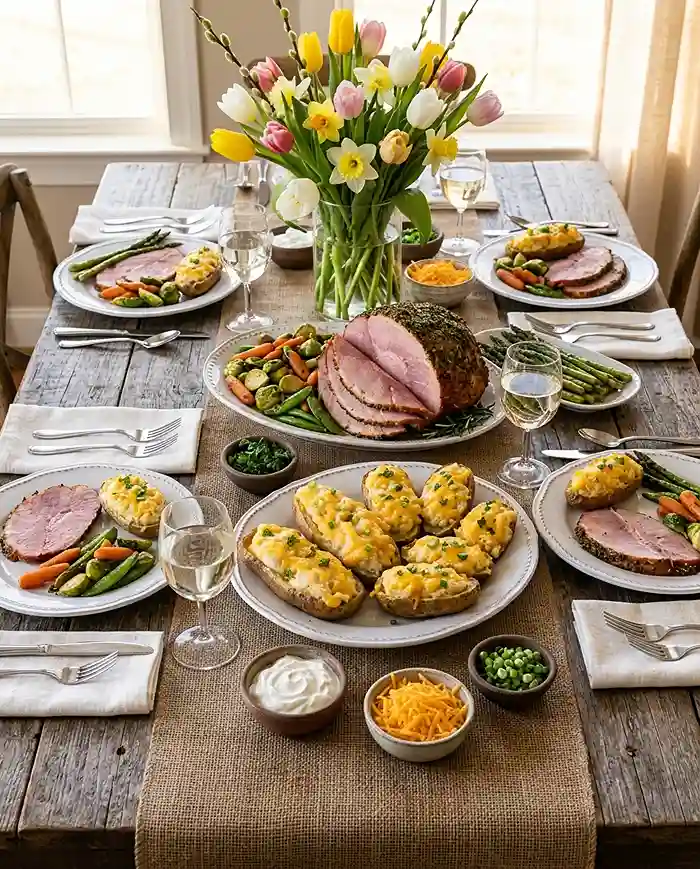
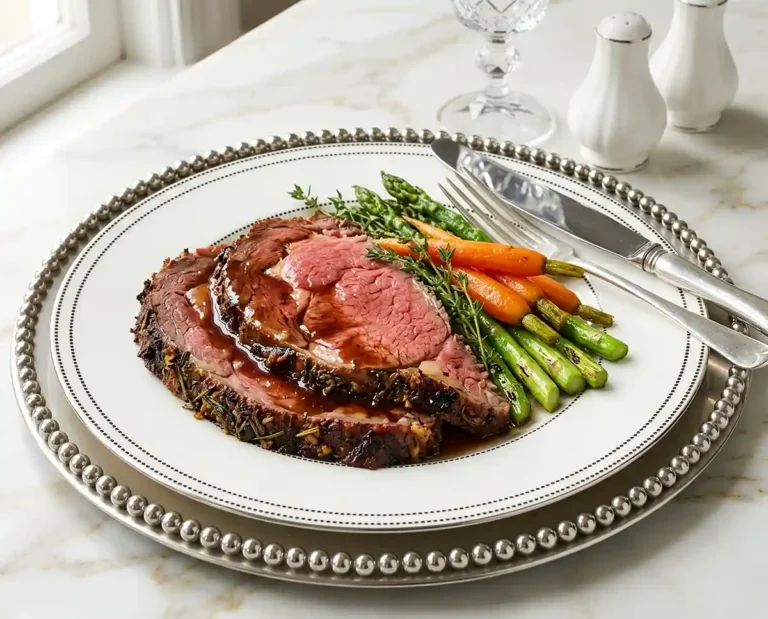
These cheesy potatoes are the ultimate Easter side dish alongside herb crusted rack of lamb or roasted ham. I serve them with grilled steak, roasted chicken, or even as a main course with a fresh spinach strawberry salad on the side for lighter dinners.
The best part? They work for fancy holiday tables and casual weeknight meals equally well. Nobody’s analyzing whether they’re “gluten-free food” or just “good food”—they’re too busy reaching for seconds.
Ready to Make the Best Twice Baked Potatoes?
Try these gluten-free twice baked potatoes at your next family dinner and watch them disappear faster than you’d expect. The creamy filling and crispy skins make them irresistible comfort food that happens to be completely celiac-safe.
Pin this recipe for your next holiday menu planning, and drop a comment below if you try any of the variations—I especially want to hear if you go the loaded steakhouse route with all the bacon and toppings. And if you’re planning an Easter feast, don’t miss my gluten-free Easter lamb cake for a traditional dessert that completes the spread beautifully.

Gluten-Free Twice Baked Potatoes
Equipment
- Fork
- Oven
- Aluminum foil
- Oven mitt
- Rimmed baking sheet
- Grapefruit spoon or regular spoon
- Large bowl
- Hand mixer or stand mixer
Ingredients
For Baking the Potatoes
- 5 large baking potatoes russet or Idaho work best
- 3 tablespoons olive oil approximately
- 4 teaspoons coarse sea salt approximately
For the Filling
- ¾ cup sour cream
- ⅓ cup milk
- 4 tablespoons melted butter
- 1 teaspoon garlic powder
- 1½ teaspoons salt
- 1 teaspoon pepper
- 1½ cups shredded cheddar cheese divided
Instructions
- Preheat your oven. Set it to 300-350°F depending on what else you’re cooking. I often bake these alongside other dishes at whatever temperature I’m using—just check them more frequently for doneness if you go higher.
- Prep the potatoes. Scrub each potato under cold water to remove dirt, then pierce the skin 6-8 times with a fork. This lets steam escape during baking so your potatoes don’t explode (yes, it happens).
- Oil and salt the skins. Working over your sink, rub each potato with olive oil using your hands until the skin glistens. Immediately sprinkle coarse sea salt all over while the oil is still wet—it’ll stick better. Pro tip: Have a helper hold the potato while you salt, then they open the oven door so you’re not smearing oil everywhere.
- Bake until tender. Place potatoes directly on the top oven rack. Set a sheet of aluminum foil on the rack below to catch drips. Bake for about 90 minutes, or until a gentle squeeze (use an oven mitt!) yields soft flesh instead of firm resistance.
- Cool and slice. Remove from oven and let sit 5 minutes—this makes them easier to handle. Slice each potato lengthwise down the center, cutting all the way through.
- Prepare your baking sheet. Line a rimmed baking sheet with aluminum foil and arrange all potato halves cut-side up. This catches any filling overflow and makes cleanup easier.
- Scoop out the insides. Using a spoon (a grapefruit spoon with serrated edges works like magic here), carefully scoop the potato flesh into a large bowl. Leave about ¼ inch of potato attached to the skin—this creates a sturdy boat that won’t collapse.
- Make the filling. Add sour cream, milk, melted butter, garlic powder, salt, pepper, and 1 cup of the shredded cheddar to your bowl of potato flesh. Beat with a hand mixer or stand mixer until the mixture is smooth and creamy with no lumps. It should look like thick whipped cream.
- Stuff the skins. Spoon the creamy potato mixture back into each hollowed-out skin, mounding it slightly. You can make them as full as you want—don’t be shy. Sprinkle the remaining ½ cup cheese evenly over all the filled potatoes.
- Bake until golden. Return the stuffed potatoes to a 350°F oven for 20 minutes, or until the filling is heated through and the cheese on top is melted and slightly bubbly. The edges might get a little golden, which adds great flavor.