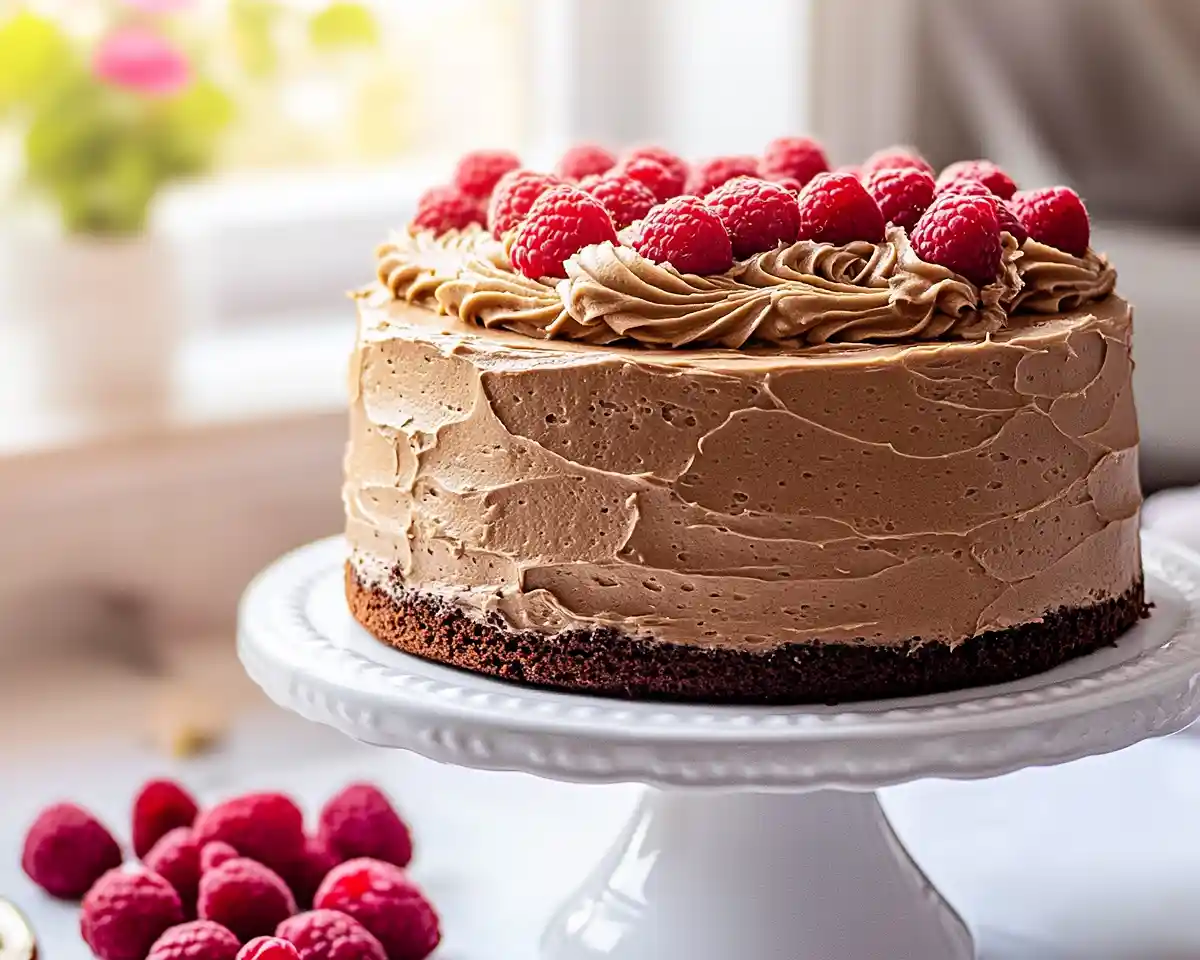
Gluten-Free Vegan Chocolate Cake
Master our irresistible gluten-free vegan chocolate cake recipe—rich, fudgy layers with creamy frosting. No dairy, no gluten, pure joy. Perfect for any occasion!
You know that sinking feeling when you’re scrolling through Pinterest at midnight, eyeing those showstopping chocolate cakes, and thinking, “I could never make that without gluten or dairy”? Well, I’ve been there too. A few years back, I went gluten-free and vegan, and I genuinely thought elaborate desserts were off the menu forever.
Then one Saturday morning, I decided to stop accepting that limitation. I spent my afternoon experimenting with my pantry, and this gluten-free vegan chocolate cake was born. What surprised me most wasn’t just that it worked—it was how good it tasted, with layers that stayed impossibly moist and a frosting people swore must contain butter.
This recipe has become my go-to for birthdays, potlucks, and those moments when I want to prove that gluten-free and vegan baking doesn’t mean sacrificing decadence.
Table of Contents
Ingredients For Gluten-Free Vegan Chocolate Cake
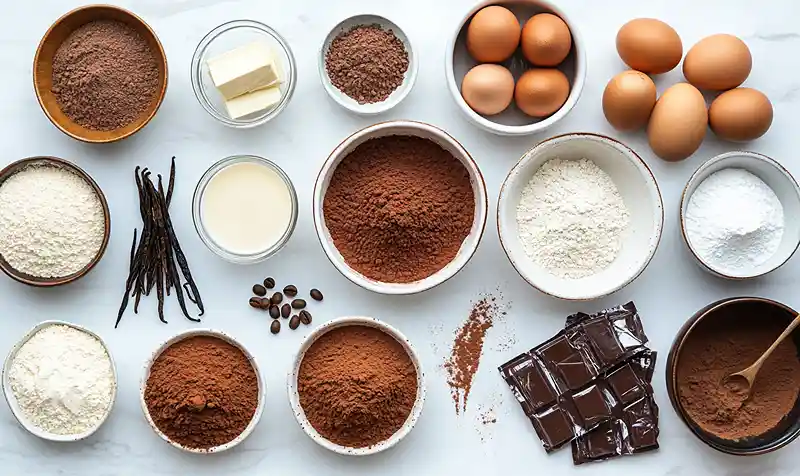
| For the Cake | Amount |
|---|---|
| Granulated sugar | 1 3/4 cups |
| Dutch processed cocoa powder | 3/4 cup |
| Gluten-free flour (Bob’s 1-to-1 Baking Flour recommended) | 2 cups |
| Baking soda | 1 1/2 teaspoons |
| Baking powder | 2 teaspoons |
| Salt | 1 teaspoon |
| Vegetable oil | 3/4 cup |
| Vanilla extract | 2 teaspoons |
| Flax eggs (3 tablespoons ground flaxseed + 9 tablespoons water, mixed) | 3 flax eggs |
| Oat milk | 1 cup |
| Strongly brewed coffee (or hot water) | 1/2 cup |
| For the Vegan Chocolate Frosting | |
| Vegan butter, softened to room temperature (Miyoko’s is our favorite) | 1 cup |
| Powdered sugar | 1 pound (about 3 cups) |
| Vanilla extract | 2 teaspoons |
| Cocoa powder | 2/3 cup |
| Oat milk | 4 tablespoons |
| Salt | Pinch |
Instructions For Gluten-Free Vegan Chocolate Cake
Step 1: Get Your Pans Ready
Preheat your oven to 350°F and prepare two 8-inch round cake pans by greasing them well with a little oil or cooking spray. Line the bottoms with parchment paper—this guarantees your beautiful layers will release cleanly without sticking or crumbling. This small prep move is truly the difference between a cake that slides out perfectly and one that needs some creative patching.
Step 2: Mix the Dry Ingredients
In a large mixing bowl, whisk together the granulated sugar, cocoa powder, gluten-free flour, baking soda, baking powder, and salt until everything is evenly distributed. The whisking action aerates your mix and helps ensure your dairy-free chocolate cake bakes up light and tender rather than dense.
Step 3: Prepare Your Wet Ingredients
In a separate bowl, whisk together the vegetable oil, vanilla extract, flax eggs, and oat milk until completely smooth and well blended. Your flax eggs should be fully incorporated with no clumpy flax meal visible—this binding step is what holds your vegan chocolate cake structure together.
Step 4: Bring It All Together
Pour the wet mixture into your dry ingredients and whisk gently until no streaks of flour remain visible. The batter should look smooth and uniform, not overmixed. Now slowly pour in your brewed coffee (or hot water) while stirring, just until combined—the coffee amplifies the chocolate depth without overpowering the cake.
Step 5: Into the Oven
Divide your batter evenly between the prepared pans and smooth the tops with the back of a spoon. Bake for about 30 minutes, until a toothpick or knife inserted in the very center comes out clean or with just a couple of moist crumbs clinging to it. The edges should pull away slightly from the pan sides, and the cakes should feel springy when you give them a light touch.
Step 6: Cool Your Layers
Let the cakes rest in their pans for about 10 minutes, then carefully turn them out onto cooling racks to cool completely. Man, oh man, patience is crucial here—frosting a warm cake invites slides, shifts, and frosting melt. Set them aside for at least an hour while you prep your frosting.
Step 7: Make the Frosting
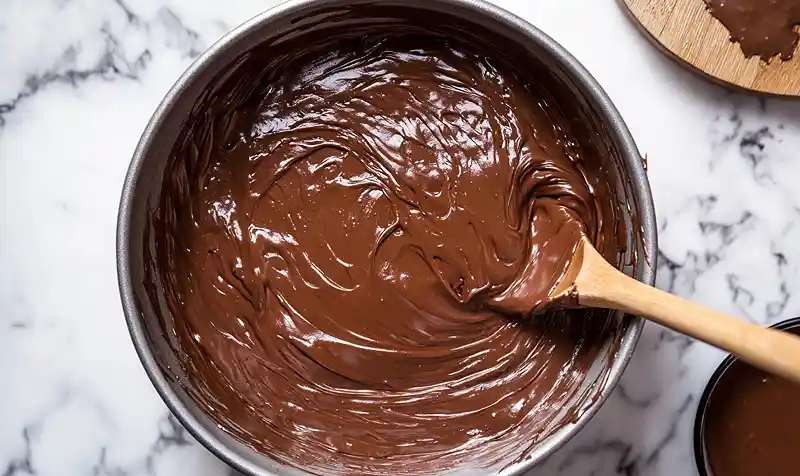
Add your softened vegan butter, powdered sugar, vanilla extract, cocoa powder, oat milk, and salt to a stand mixer (or use a hand mixer). Start on low speed, then gradually increase to high, mixing for about 1 minute total until the mixture lightens and becomes fluffy and spreadable. The frosting should resemble a cloud—airy, pillowy, and ready to glorify your cake layers.
Step 8: Assemble and Frost
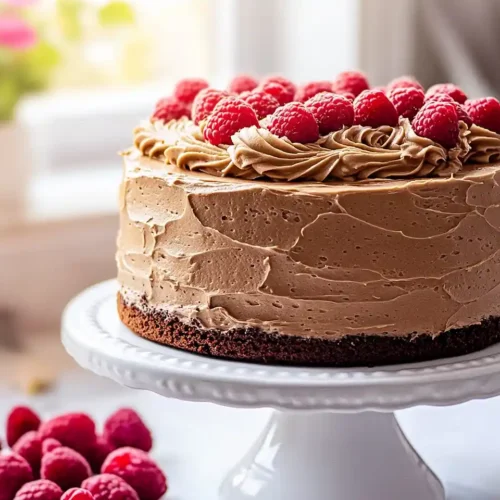
Place your first cake layer on a cake stand or serving plate, then spread a generous, even layer of frosting on top. Position your second layer carefully, then frost the top and sides with the remaining frosting, working smoothly and confidently. Finish with the back of a spoon, creating beautiful swirling patterns all around—this doesn’t just look Instagram-worthy, it’s actually therapeutic to do.
Substitutions for Gluten-Free Chocolate Cake
Other Gluten-Free Flour Blends
If Bob’s 1-to-1 isn’t in your cabinet, King Arthur Gluten-Free Baking Mix or Pillsbury Gluten-Free flour blend work wonderfully for this dairy-free chocolate cake. Each performs similarly in terms of moisture absorption, though you might notice very subtle texture differences. The important thing is choosing a blend that’s specifically designed for all-purpose baking, not a specialty blend for bread or cookies.
Plant-Based Milk Choices
You can swap oat milk for almond, soy, or full-fat coconut milk without affecting the cake’s final texture or rise. Soy milk keeps everything neutral, almond adds delicate nuttiness, and coconut brings subtle richness—all work beautifully. Just avoid coconut cream, as it’s too thick and will throw off your liquid ratios.
Flaxseed Egg Alternatives
If flax isn’t available, use 1/2 cup aquafaba (liquid from canned chickpeas) as your binder instead. You could also use a commercial egg replacer per package instructions, though flax eggs truly shine in this recipe for creating a tender, moist crumb. Whatever you choose, make sure it’s combined smoothly before mixing into wet ingredients.
Vegan Butter Options for Frosting
While Miyoko’s Creamery butter is absolutely creamy, Earth Balance, Miyoko’s Grass-Fed, or other plant-based butters create equally delicious frostings. The key is starting with softened butter—room temperature, not melted or cold—so it whips up light and fluffy. Chill it briefly if it’s too soft, just enough to become spreadable again.
Coffee Flavor Swap
Not a coffee person? Replace the brewed coffee with hot water and the dairy-free chocolate cake will still be divine. For deeper, more complex chocolate notes without coffee flavor, try strong decaffeinated coffee or hot water mixed with 1/2 tablespoon of instant espresso powder.
Ready to expand your gluten-free repertoire? Check out our complete gluten-free bread baking guide for foolproof loaves that rise beautifully, or explore our easy dairy-free muffin recipes perfect for busy mornings. We also have a wonderful cinnamon raisin bread recipe that doubles beautifully as dessert or breakfast toast.
Troubleshooting Your Healthy Vegan Chocolate Cake
Cake Turned Out Dry
Overbaking is usually the culprit, so watch closely during those final minutes—your knife should come out with a few moist crumbs, not completely clean. Different gluten-free flour brands absorb varying amounts of liquid, so yours might bake a few minutes faster or slower than the recipe states. Always start checking at 25 minutes rather than waiting the full 30.
Frosting Isn’t Fluffy or Has a Grainy Texture
This typically means your vegan butter wasn’t at the right temperature—it should be soft but still cool, never melted or straight-from-the-fridge cold. If it’s too soft, pop it in the fridge for 10 minutes, then try mixing again. If it’s grainy, your powdered sugar might need sifting before adding, or your mixer might need another minute of high-speed beating.
Cake Layers Domed on Top
Doming happens when your oven temperature is running hot or you’re baking slightly too long. Try lowering your oven by 5–10°F next time, and start checking for doneness at 25 minutes. You could also place cake strips (wet fabric strips wrapped around the pans) to help them bake more evenly and flat.
Layers Slid or Frosting Melted During Assembly
Make absolutely sure your cake layers are completely cool and your frosting is at spreading consistency before you start assembling. If your kitchen is warm, chill the frosted bottom layer for 15 minutes before adding the top layer. A chilled, slightly firm frosting layer acts like an edible “glue” that keeps everything in place.
Storage & Meal Prep for Your Dairy-Free Chocolate Cake
How to Store Your Cake
Keep your finished gluten-free vegan chocolate cake covered loosely with plastic wrap at room temperature for up to 2 days, or refrigerated for up to 5 days. The cold actually helps the layers stay firmer and makes slicing cleaner, so don’t hesitate to chill before serving if you prefer neat slices. Just let it sit at room temperature for 15 minutes before enjoying so the frosting softens slightly.
Make-Ahead Strategy
You can bake your cake layers up to 2 days in advance and store them wrapped tightly in plastic wrap at room temperature or refrigerated. Make the frosting the day of serving for the fluffiest texture, or prepare it a day ahead and store it covered in the fridge. Let chilled frosting sit out for 30 minutes to soften before spreading it on your assembled cake.
Serving Suggestions & Pairing Ideas
Classic Celebrations
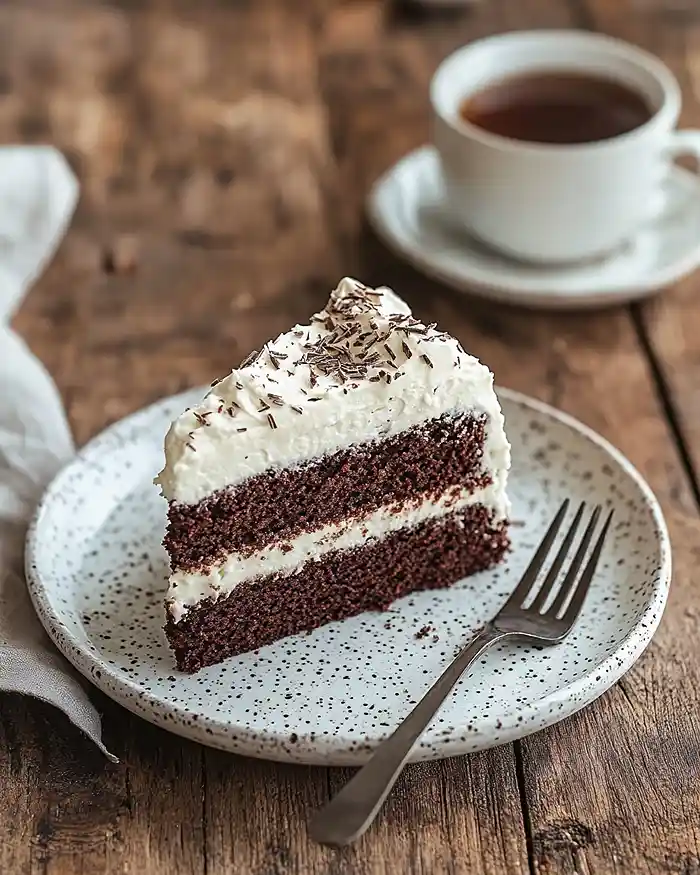
This gluten-free vegan chocolate cake shines at birthdays, anniversaries, and holiday gatherings—it’s a dessert that makes everyone feel celebrated. Serve with a scoop of coconut or dairy-free vanilla ice cream and watch people’s faces light up. A simple dusting of cocoa powder or vegan sprinkles on top takes it from homemade to bakery-level impressive.
Everyday Indulgence
You don’t need a special occasion to enjoy a slice with your afternoon coffee or as a cozy weekend treat. Pair it with fresh berries (raspberries and blackberries complement the chocolate beautifully) or a dollop of vegan whipped cream. Even a simple glass of cold oat milk alongside your slice makes it feel like a complete, nourishing moment for yourself.
Variations For Gluten-Free Vegan Chocolate Cake
Kid-Friendly Version
If you’re baking for little ones, keep the recipe exactly as is—it’s already naturally sweet and approachable. You could reduce the cocoa powder slightly to 1/2 cup if you prefer a milder chocolate flavor, though most kids absolutely love this rich version. Skip the coffee entirely and use hot water instead, so the chocolate flavor stays front and center without any bitter undertones.
Extra Decadent Variation
Well… if you want to take this dairy-free chocolate cake to pure indulgence, fold 1/2 cup of vegan chocolate chips into the batter right before pouring it into pans. You could also layer a thin chocolate ganache between the cake layers before frosting for a truly restaurant-worthy dessert that still happens to be gluten-free and vegan.
Nut-Free Option
This recipe is naturally nut-free, making it perfect for families managing allergies or serving at schools and events with strict nut policies. Just verify your gluten-free flour blend and vegan butter are processed in nut-free facilities if you’re dealing with severe allergies.
FAQs About Gluten-Free Vegan Chocolate Cake
Can I make this in a 9-inch pan instead of two 8-inch pans?
Absolutely—use one 9-inch round cake pan, but increase your baking time to 35–40 minutes since the batter will be thicker. You’ll end up with one tall layer instead of two, so you might want to bake one of these and one 8-inch cake alongside it if you still want a two-layer look.
What’s the best way to freeze this gluten-free chocolate cake for later?
Wrap unfrosted cake layers individually in plastic wrap, then foil, and freeze for up to 3 months—they thaw beautifully. Frosted cakes freeze well too, but unwrap them to thaw at room temperature to prevent moisture from condensing on the frosting. Thawed layers stay just as moist and tender as freshly baked ones.
How do I know if my flax eggs are mixed correctly?
Your flax eggs should sit for 5 minutes after mixing to thicken, then look like a gel with visible flax particles suspended throughout. If they’re too thin or watery, they didn’t sit long enough—give them another few minutes before using them in your batter.
Can I use regular all-purpose flour instead of gluten-free flour?
Yes, if you’re not gluten-sensitive, regular all-purpose flour works perfectly in this chocolate cake recipe. The texture might be slightly different—potentially a bit more tender—but it’s absolutely delicious and bakes reliably. This makes it a versatile recipe whether you’re gluten-free or baking for mixed dietary needs.
Why does my cake sink in the middle after baking?
This usually means your oven temperature is off, you’re opening the door too often during baking, or the cake needed a few more minutes. Resist peeking until at least 25 minutes have passed, and invest in an oven thermometer to verify your temperature—it’s a game-changer for consistent results.
Why Your Family Needs This Recipe
Making a gluten-free vegan chocolate cake at home saves money compared to ordering from specialty bakeries, and it tastes infinitely better than mixes or box cake. You control every ingredient, so you know exactly what’s going into your dessert—no mystery additives or preservatives lurking in the ingredient list. Plus, there’s something genuinely special about serving a homemade cake you created with your own hands.
According to authoritative research on gluten-free baking science, proper moisture balance and binder selection are essential for creating gluten-free baked goods with tender crumb structure and excellent palatability. This recipe honors those principles while keeping things accessible for home bakers.
When you serve this to guests—especially those who follow plant-based diets or manage celiac disease—you’re showing them they’re valued and included at your table. You’re also proving that dietary accommodations don’t mean settling for inferior desserts. That’s the real magic of this gluten-free vegan chocolate cake recipe.
Gluten-Free Vegan Chocolate Cake
Equipment
- Two 8-inch round cake pans
- Parchment paper
- Large mixing bowl
- Stand mixer
- Wire cooling racks
- Cake stand or serving plate
- Whisk
- Wooden spoon
- Measuring cups and spoons
Ingredients
For the Cake
- 1 ¾ cups Granulated sugar
- ¾ cup Dutch processed cocoa powder
- 2 cups Gluten-free flour Bob’s 1-to-1 Baking Flour recommended
- 1 ½ teaspoons Baking soda
- 2 teaspoons Baking powder
- 1 teaspoon Salt
- ¾ cup Vegetable oil
- 2 teaspoons Vanilla extract
- 3 flax eggs Flax eggs 3 tablespoons ground flaxseed + 9 tablespoons water, mixed and set for 5 minutes
- 1 cup Oat milk
- ½ cup Strongly brewed coffee or hot water
For the Vegan Chocolate Frosting
- 1 cup Vegan butter softened to room temperature, Miyoko’s recommended
- 1 pound Powdered sugar about 3 cups
- 2 teaspoons Vanilla extract
- ⅔ cup Cocoa powder
- 4 tablespoons Oat milk
- 1 pinch Salt
Instructions
- Preheat your oven to 350°F and prepare two 8-inch round cake pans by greasing them well with a little oil or cooking spray. Line the bottoms with parchment paper—this guarantees your beautiful layers will release cleanly without sticking or crumbling. This small prep move is truly the difference between a cake that slides out perfectly and one that needs some creative patching.
- In a large mixing bowl, whisk together the granulated sugar, cocoa powder, gluten-free flour, baking soda, baking powder, and salt until everything is evenly distributed. The whisking action aerates your mix and helps ensure your dairy-free chocolate cake bakes up light and tender rather than dense.
- In a separate bowl, whisk together the vegetable oil, vanilla extract, flax eggs, and oat milk until completely smooth and well blended. Your flax eggs should be fully incorporated with no clumpy flax meal visible—this binding step is what holds your vegan chocolate cake structure together.
- Pour the wet mixture into your dry ingredients and whisk gently until no streaks of flour remain visible. The batter should look smooth and uniform, not overmixed. Now slowly pour in your brewed coffee (or hot water) while stirring, just until combined—the coffee amplifies the chocolate depth without overpowering the cake.
- Divide your batter evenly between the prepared pans and smooth the tops with the back of a spoon. Bake for about 30 minutes, until a toothpick or knife inserted in the very center comes out clean or with just a couple of moist crumbs clinging to it. The edges should pull away slightly from the pan sides, and the cakes should feel springy when you give them a light touch.
- Let the cakes rest in their pans for about 10 minutes, then carefully turn them out onto cooling racks to cool completely. Patience is crucial here—frosting a warm cake invites slides, shifts, and frosting melt. Set them aside for at least an hour while you prep your frosting.
- Add your softened vegan butter, powdered sugar, vanilla extract, cocoa powder, oat milk, and salt to a stand mixer (or use a hand mixer). Start on low speed, then gradually increase to high, mixing for about 1 minute total until the mixture lightens and becomes fluffy and spreadable. The frosting should resemble a cloud—airy, pillowy, and ready to glorify your cake layers.
- Place your first cake layer on a cake stand or serving plate, then spread a generous, even layer of frosting on top. Position your second layer carefully, then frost the top and sides with the remaining frosting, working smoothly and confidently. Finish with the back of a spoon, creating beautiful swirling patterns all around—this doesn’t just look Instagram-worthy, it’s actually therapeutic to do.