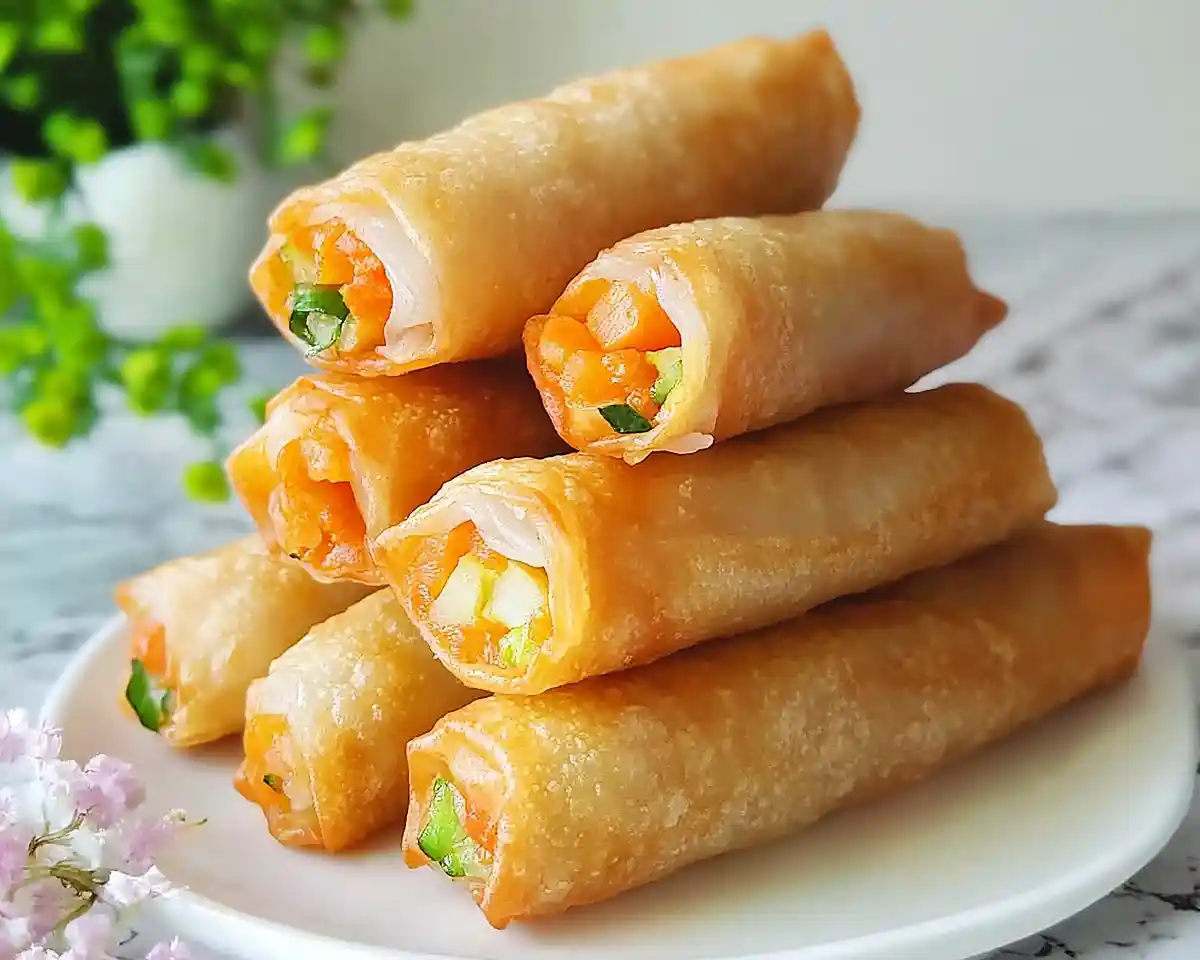
Gluten-Free Vegetable Spring Rolls
Master crispy gluten-free vegetable spring rolls at home with this step-by-step guide. Learn rolling techniques, frying tips, and make-ahead tricks for busy families.
You know that moment when you’re craving something crunchy, golden, and utterly satisfying? Well, I used to think those gluten-free vegetable spring rolls were only available for takeout—until I realized I could nail them right in my own kitchen. The beautiful thing about making these gluten-free veggie spring rolls from scratch is how forgiving they are once you get the rolling technique down.
Rice paper wrappers are naturally gluten-free, which means these crispy gems are totally doable for anyone avoiding gluten. No special ordering required, and honestly, your homemade version tastes way fresher than anything boxed or frozen.
This recipe delivers that restaurant-quality crunch without the guilt or the price tag. Whether you’re feeding a busy family or prepping for game day, these gluten-free vegetable rolls come together quickly and always impress.
Table of Contents
Ingredients
| Category | Ingredient | Amount |
|---|---|---|
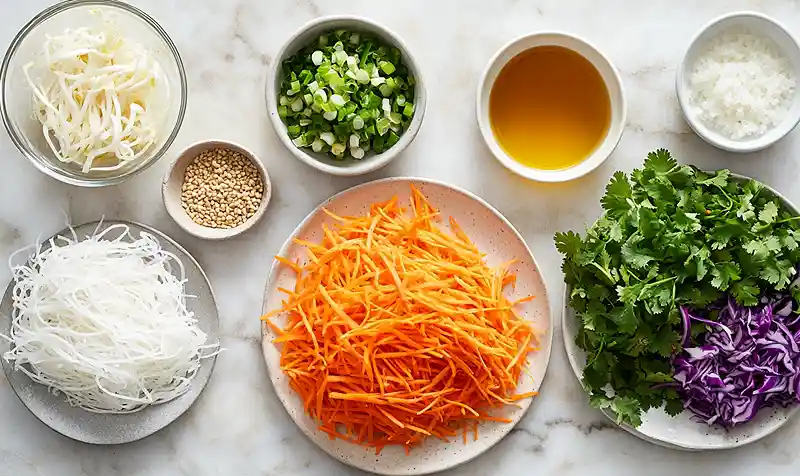
| Filling | Large carrot, grated | 1 |
| White cabbage, shredded | 1/4 head | |
| Spring onions, thin strips (green parts) | 4 | |
| Fresh beansprouts | 300 g | |
| Cooking | Rice paper spring roll wrappers | 12 |
| Vegetable oil (for frying) | 1 liter |
Instructions
Step 1: Prep Your Oil & Setup
Pour the entire bottle of vegetable oil into a large saucepan and place it on medium heat. Use a cooking thermometer to reach exactly 170°C (340°F)—this is your magic number for perfectly cooked gluten-free vegetable spring rolls without burnt exteriors or raw filling.
While the oil heats, set up your rolling station with a large, wide bowl of hot tap water, a wooden or plastic surface for rolling, and all your prepped vegetables within arm’s reach. This keeps you organized and focused.
Step 2: Soften Your First Wrapper
Take one rice paper sheet and dip it gently into the hot water for about 5 seconds, making sure it’s completely submerged. The paper should go from stiff and brittle to soft and pliable—this is how you know it’s ready for filling.
Place the softened wrapper on your wooden or plastic surface. It should feel nice and flexible, almost sticky to the touch. If it feels hard, it’s not fully hydrated yet.
Step 3: Build Your Filling
Add equal parts grated carrot, shredded cabbage, and fresh beansprouts to the center of your wrapper—think of a tablespoon’s worth of each. Keep the spring onion to just 5–6 thin strips to avoid overstuffing, which can prevent your gluten-free vegetable rolls from cooking through evenly.
The filling should sit roughly in the center third of the wrapper, leaving plenty of rice paper on all sides for rolling and sealing. This is the most important spacing trick I’ve learned!
Step 4: Roll the Bottom & Halfway Fold
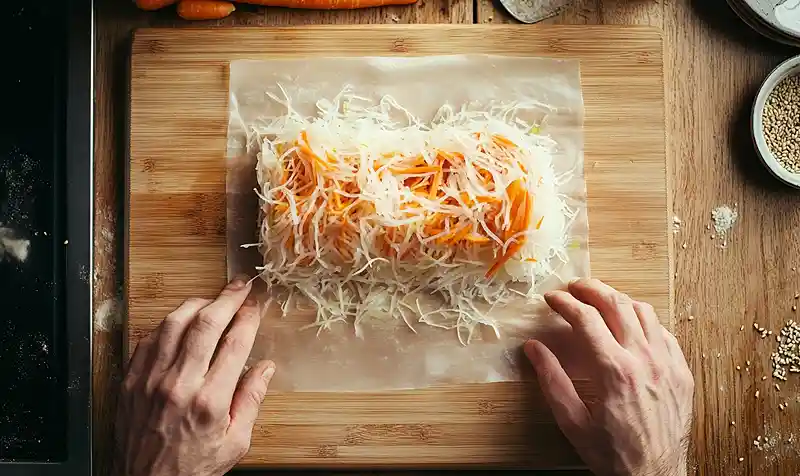
Take the bottom edge of the rice paper and fold it up and over your filling, creating a tight seal. Roll it forward into a sausage shape until you reach the halfway point—this should feel natural and secure.
Stop here and don’t go further yet. This pause point is essential for the next step.
Step 5: Fold in the Sides
Fold both the left and right sides of the wrapper inward at that halfway point, creating a neat envelope shape. Each side should form a straight line with no stray filling poking out.
The goal is a compact, tightly wrapped cylinder with sealed edges all around. This keeps the filling contained during frying.
Step 6: Complete Your Roll
Continue rolling forward from the halfway point until the entire gluten-free vegetable roll is sealed and tight. You should end up with a neat, sausage-shaped bundle with no visible tears or gaps.
If you see small tears, don’t worry—as long as the filling isn’t gaping out, your roll will fry beautifully. A little practice makes perfect, and your first batch teaches you plenty!
Step 7: Test Your Oil Temperature
Check that your oil has reached 170°C (340°F) using your thermometer. If you don’t have one, try the wooden spoon trick: dip the handle into the oil and watch for gentle, steady bubbling—not angry sputtering.
The oil should bubble gently and consistently. If it spits violently, it’s too hot. If there’s barely any bubble action, it needs more time.
Step 8: Fry Your Rolls
Carefully lower 2–3 gluten-free vegetable spring rolls into the hot oil at a time, keeping your distance to avoid splashing. They should float gently on the surface and bubble softly around them.
Cook for about 5 minutes, turning halfway through using tongs to ensure even golden browning on both sides. If they brown heavily in the first minute, your oil is too hot—lower the temperature slightly.
Step 9: Drain & Rest
Remove your golden-brown rolls with a slotted spoon and place them on a plate lined with kitchen paper. The paper absorbs excess oil and keeps them crispy as they cool.
Let them rest for just a minute or two before serving. This short rest firms them up and makes them easier to handle.
Step 10: Repeat & Serve
Make as many gluten-free vegetable rolls as you’d like, repeating the frying process in batches. Man, oh man, the smell of these cooking is absolutely incredible—it’ll have everyone gathered in the kitchen!
Serve immediately while they’re still warm and supremely crispy for the best experience.
Substitutions for Your Gluten-Free Veggie Spring Rolls
Carrot & Cabbage Swaps
Can’t find fresh cabbage? Try shredded zucchini, thinly sliced bell peppers, or even finely chopped mushrooms in your gluten-free vegetable rolls. Cucumber adds a refreshing crunch if you’re looking for something lighter and cooler.
Beansprout Alternatives
If beansprouts aren’t available, use shredded snap peas, thinly sliced snow peas, or even crispy lettuce in these gluten-free veggie spring rolls. Each adds its own texture and flavor without changing the rolling technique.
Low-FODMAP Version
Skip the spring onions entirely and add extra carrot, cabbage, and beansprouts for your low-FODMAP gluten-free vegetable spring rolls. The filling stays just as flavorful and satisfying.
Protein Add-Ins
Cooked shrimp, ground turkey, or crumbled tofu transform these into heartier rolls. Simply add about 2 tablespoons of cooked protein per roll alongside your vegetable mixture for extra substance.
Looking for more quick appetizer ideas? Try our complete guide to easy dairy-free appetizers perfect for entertaining. If you love simple, crowd-pleasing recipes, explore our gluten-free bread and roll collection for more kitchen wins. For more beginner-friendly Asian-inspired dishes, check out our expert tips for gluten-free cooking techniques.
Troubleshooting Tips
Rice Paper Keeps Tearing
If your wrapper tears during dipping, it didn’t stay in the water long enough—rice paper needs that full 5-second soak to become flexible. Too short and it’ll crack; too long (over 10 seconds) and it becomes too soft and stretchy to handle.
Filling Isn’t Cooking Through
Raw filling inside a golden outside means your oil was too hot or you fried them too fast. Lower your temperature slightly and give each batch a full 5 minutes—patience is key for perfect gluten-free vegetable rolls.
Rolls Are Falling Apart in Oil
You’ve likely overstuffed them or haven’t sealed the edges properly. Use less filling and make sure that halfway fold creates a solid pocket before you continue rolling. Each edge should be well-sealed with no gaps.
Oil Keeps Smoking
Your oil temperature is rising above 170°C. Lower the heat to medium and use your thermometer to monitor it carefully. Smoking oil cooks food too fast on the outside while leaving the inside raw.
Storage & Meal Prep
Refrigerator Storage
Cooked gluten-free vegetable spring rolls keep for 3–4 days in an airtight container. Reheat them in a 350°F oven for 5–7 minutes to restore their crispiness—the microwave makes them chewy, so skip that!
Freezing Uncooked Rolls
Prepare your gluten-free veggie spring rolls completely, then freeze them on a baking sheet before transferring to a freezer bag. Fry them straight from frozen, adding just 1–2 extra minutes to the cooking time for perfectly crispy results.
Make-Ahead Strategy
Prep all your vegetables the night before and store them in separate containers. Rolling takes just 10–15 minutes when everything’s ready, making these gluten-free vegetable rolls perfect for busy weeknights.
Serving Suggestions & Pairings
Serve your gluten-free vegetable spring rolls warm with sweet chili sauce, peanut sauce, or even a simple soy-ginger dipping sauce. Each sauce complements the crispy exterior and fresh, crunchy filling beautifully.
Pair them with a light Asian-inspired salad or rice noodle bowl for a complete meal. They’re also fantastic as an appetizer for holiday gatherings or served alongside other gluten-free Asian dishes.
Variations & Dietary Adjustments
Vegan Version
These gluten-free vegetable spring rolls are naturally plant-based! Just skip any animal products and load up on extra vegetables, herbs, and maybe add some pan-fried tofu for protein and substance.
Nut Allergy-Friendly
Skip peanut sauce for dipping and use a coconut-based or soy-vinegar sauce instead. The rolls themselves contain no nuts, making them safe for anyone with nut sensitivities.
Whole Grain Fiber Boost
Add finely minced water chestnuts or jicama to increase fiber and crunch in your gluten-free vegetable rolls. Both stay crispy after frying and add satisfying texture without changing the flavor profile.
Kid-Friendly Version
Let kids help with rolling—it’s a fun, hands-on activity! Keep the filling mild and simple (carrot, cabbage, and beansprouts only), and they’ll love the crispy-crunchy result.
FAQs About Gluten-Free Vegetable Spring Rolls
Can I bake these gluten-free vegetable spring rolls instead of frying?
You can, though they won’t get the same golden, crispy exterior that frying delivers. If you prefer baking, brush them with oil and bake at 400°F for 15–20 minutes, turning halfway through for even browning.
How do I know my oil is at the right temperature without a thermometer?
Use the wooden spoon handle trick: dip it in and look for steady, gentle bubbling. If it bubbles aggressively, it’s too hot; if there’s no bubble action, it needs more heat. A cooking thermometer is honestly worth the investment though!
What’s the best dipping sauce for gluten-free vegetable spring rolls?
Sweet chili sauce is classic and widely available, but homemade soy-ginger sauce works beautifully too. Always check store-bought sauces for hidden gluten—some brands sneak it in!
Can I make these ahead for a party?
Absolutely! Roll them hours ahead (unbaked) and refrigerate on a baking sheet. Fry them just before serving for maximum crispiness. They’re perfect make-ahead appetizers for entertaining.
Why does my gluten-free vegetable spring roll wrapper stick to itself?
It’s likely overhydrated from soaking too long. The 5-second dip is perfect—any longer and the paper becomes gummy and wants to stick together instead of staying pliable and manageable.
Are traditional spring rolls from restaurants actually gluten-free?
Not always! Many contain wheat flour in the wrapper or soy sauce in the filling. That’s why making gluten-free vegetable spring rolls at home with rice paper wrappers and tamari sauce ensures they’re truly safe.
Final Thoughts
There’s something incredibly satisfying about mastering a skill in the kitchen, and these gluten-free vegetable spring rolls are the perfect recipe for that feeling. Once you get the rolling technique down—and honestly, it takes just a few practice rolls—you’ll be making these all the time.
The beauty of these gluten-free veggie spring rolls is their versatility. Play with fillings, experiment with sauces, and make them your own. Your family won’t believe you made restaurant-quality food right at home.
For more details on rice paper selection and quality, check out this trusted guide to Asian ingredient sourcing.
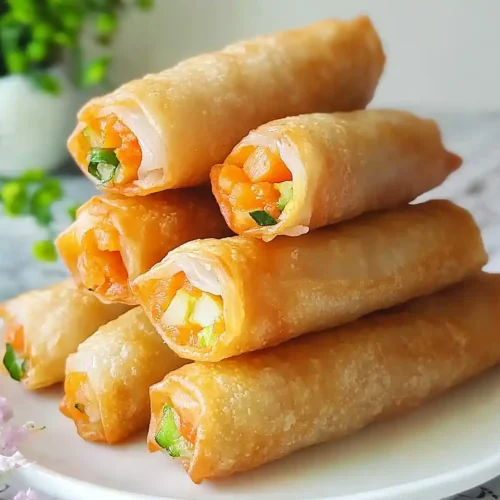
Gluten-Free Vegetable Spring Rolls
Equipment
- Large saucepan
- Cooking thermometer
- Large bowl
- Wooden or Plastic Rolling Surface
- Wooden Spoon or Chopstick
- Slotted spoon
- Tongs
- Kitchen Paper
Ingredients
Filling
- 1 large Carrot, grated
- ¼ head White cabbage, shredded
- 4 Spring onions, thin strips (green parts only) Use only 5-6 strips per roll
- 300 g Fresh beansprouts
Cooking
- 12 Rice paper spring roll wrappers
- 1 liter Vegetable oil (for frying) Keep at 170°C (340°F)
Instructions
- Pour the entire bottle of vegetable oil into a large saucepan and place it on medium heat. Use a cooking thermometer to reach exactly 170°C (340°F)—this is your magic number for perfectly cooked gluten-free vegetable spring rolls without burnt exteriors or raw filling.
- While the oil heats, set up your rolling station with a large, wide bowl of hot tap water, a wooden or plastic surface for rolling, and all your prepped vegetables within arm’s reach. This keeps you organized and focused.
- Take one rice paper sheet and dip it gently into the hot water for about 5 seconds, making sure it’s completely submerged. The paper should go from stiff and brittle to soft and pliable—this is how you know it’s ready for filling.
- Place the softened wrapper on your wooden or plastic surface. It should feel nice and flexible, almost sticky to the touch. If it feels hard, it’s not fully hydrated yet.
- Add equal parts grated carrot, shredded cabbage, and fresh beansprouts to the center of your wrapper—think of a tablespoon’s worth of each. Keep the spring onion to just 5–6 thin strips to avoid overstuffing, which can prevent your gluten-free vegetable rolls from cooking through evenly.
- The filling should sit roughly in the center third of the wrapper, leaving plenty of rice paper on all sides for rolling and sealing. This is the most important spacing trick I’ve learned!
- Take the bottom edge of the rice paper and fold it up and over your filling, creating a tight seal. Roll it forward into a sausage shape until you reach the halfway point—this should feel natural and secure.
- Stop here and don’t go further yet. Fold both the left and right sides of the wrapper inward at that halfway point, creating a neat envelope shape. Each side should form a straight line with no stray filling poking out.
- Continue rolling forward from the halfway point until the entire gluten-free vegetable roll is sealed and tight. You should end up with a neat, sausage-shaped bundle with no visible tears or gaps.
- Check that your oil has reached 170°C (340°F) using your thermometer. If you don’t have one, try the wooden spoon trick: dip the handle into the oil and watch for gentle, steady bubbling—not angry sputtering.
- Carefully lower 2–3 gluten-free vegetable spring rolls into the hot oil at a time, keeping your distance to avoid splashing. They should float gently on the surface and bubble softly around them. Cook for about 5 minutes, turning halfway through using tongs to ensure even golden browning on both sides.
- Remove your golden-brown rolls with a slotted spoon and place them on a plate lined with kitchen paper. The paper absorbs excess oil and keeps them crispy as they cool. Let them rest for just a minute or two before serving.
- Make as many gluten-free vegetable rolls as you’d like, repeating the frying process in batches. Serve immediately while they’re still warm and supremely crispy for the best experience.