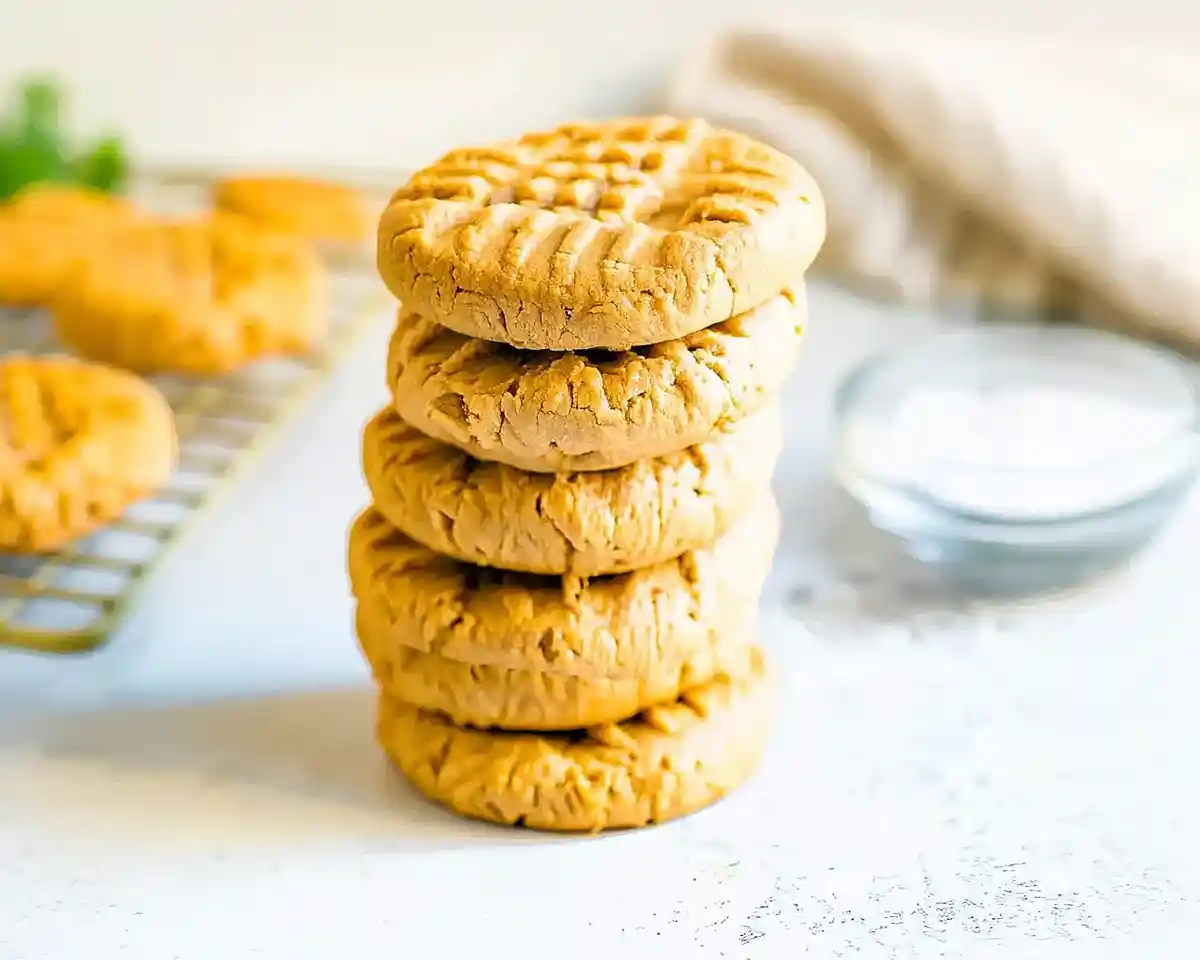
Healthy Peanut Butter Cookies
Whip up these healthy peanut butter cookies in 20 minutes! Naturally sweetened, gluten-free, and kid-approved—perfect for busy families and diabetic-friendly treats.
You know what’s magical about a really good cookie? It’s not just the taste—it’s that warm, fuzzy feeling when you pull a tray from the oven and everyone comes running.
Last Tuesday, my daughter came home from school absolutely devastated because she couldn’t have the cookies at the class party. That’s when I decided enough was enough—we needed healthy peanut butter cookies that could stand proudly next to any traditional recipe.
Here’s the beautiful truth: these cookies are so simple, you’ll wonder why you ever bothered with complicated recipes. With just five pantry ingredients and about 20 minutes from start to finish, you can create pastries for diabetics that taste indulgent without the sugar crash. They’re naturally gluten-free, packed with protein, and honestly? My kids don’t even realize they’re eating something good for them.
Whether you’re navigating food sensitivities or just want healthy cookie recipes for kids that won’t send them bouncing off the walls, these are your new go-to. No weird ingredients, no marathon baking sessions—just pure, nutty goodness that’ll make you feel like a kitchen rockstar.
Table of Contents
Healthy Peanut Butter Cookies
Equipment
- Baking sheet
- Parchment paper
- Mixing bowl
- Spoon or spatula
- Cookie scoop (medium)
- Fork
- Wire cooling rack
Ingredients
- 1 cup creamy natural peanut butter room temperature works best
- ½ cup maple syrup or honey use either for natural sweetness
- 1 teaspoon vanilla extract pure vanilla recommended
- 1 cup almond flour finely ground, blanched preferred
- flaked sea salt for topping, optional but highly recommended
Instructions
- Preheat your oven to 350°F and line a baking sheet with parchment paper. This prevents sticking and makes cleanup absolutely painless.
- Add the peanut butter, maple syrup, and vanilla into a mixing bowl. Stir these together until they’re completely combined and look smooth and glossy.
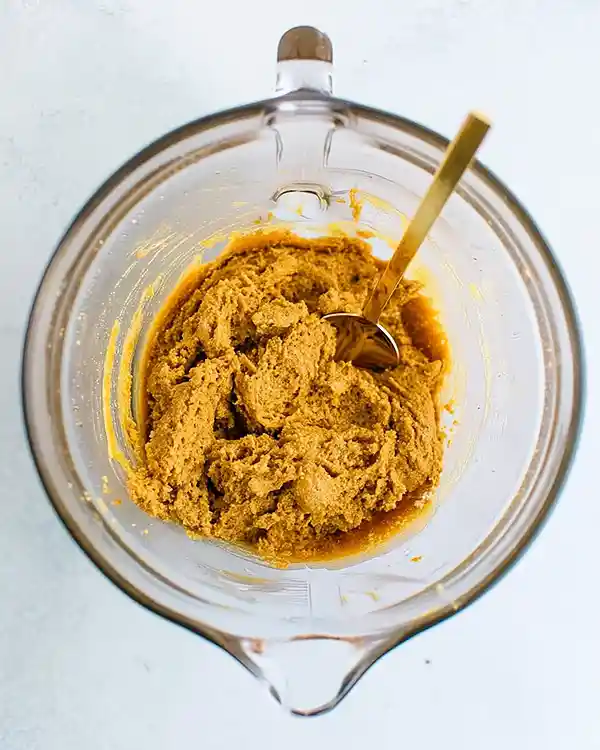
- Add the almond flour to your wet ingredients and stir until everything’s incorporated. The dough will be thick and slightly sticky but should hold together nicely. If it feels too wet, don’t panic—almond flour absorbs moisture as it sits for a minute or two.
- Use a medium cookie scoop to portion dough onto your prepared baking sheet, spacing them about 2 inches apart. Alternatively, you can use a spoon and roll the dough into balls with your hands.
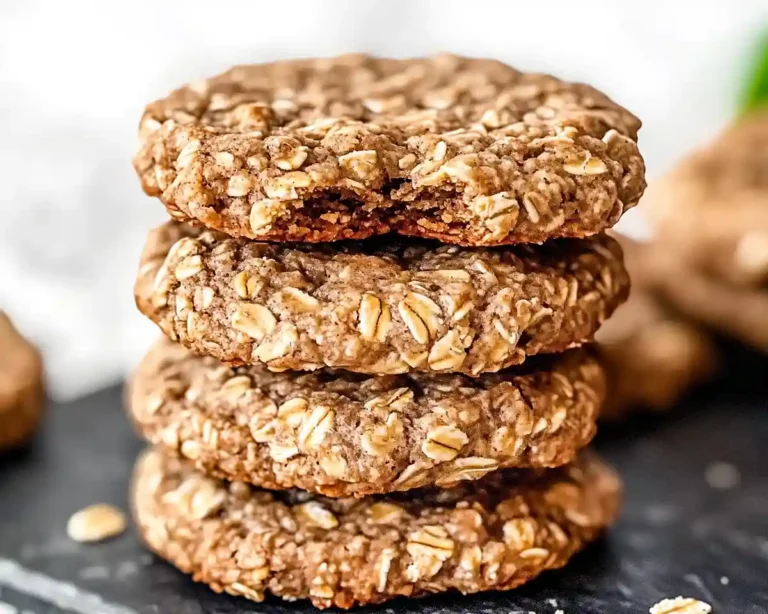
- Flatten each dough ball with a fork to create that classic crisscross pattern. Press gently but firmly—you want them about 1/2 inch thick. Sprinkle a tiny pinch of flaked sea salt on top of each cookie if you’re using it.
- Bake in your preheated oven for about 12 minutes or until the edges just begin to turn golden brown. They’ll look slightly underdone in the center, but they’ll firm up as they cool. Remove from the oven and let them rest on the baking sheet for 5 minutes before transferring to a wire rack.
Notes
Ingredients
| Ingredient | Amount | Notes |
|---|---|---|
| Creamy natural peanut butter | 1 cup | Room temperature works best |
| Maple syrup or honey | 1/2 cup | Use either for natural sweetness |
| Vanilla extract | 1 teaspoon | Pure vanilla recommended |
| Almond flour | 1 cup | Finely ground, blanched preferred |
| Flaked sea salt | For topping | Optional but highly recommended |
Instructions
Step 1: Preheat your oven to 350°F and line a baking sheet with parchment paper. This prevents sticking and makes cleanup absolutely painless—trust me, you’ll thank yourself later when you’re not scrubbing cookie residue at 9 PM.
Step 2: Add the peanut butter, maple syrup, and vanilla into a mixing bowl. Stir these together until they’re completely combined and look smooth and glossy. The mixture should smell absolutely heavenly at this point—like a health food store had a baby with a bakery.
Step 3: Add the almond flour to your wet ingredients and stir until everything’s incorporated. The dough will be thick and slightly sticky but should hold together nicely. If it feels too wet, don’t panic—almond flour absorbs moisture as it sits for a minute or two.
Step 4: Use a medium cookie scoop to portion dough onto your prepared baking sheet, spacing them about 2 inches apart. Alternatively, you can use a spoon and roll the dough into balls with your hands—I actually prefer this method because it gives me more control over size.
Step 5: Flatten each dough ball with a fork to create that classic crisscross pattern. Press gently but firmly—you want them about 1/2 inch thick. Sprinkle a tiny pinch of flaked sea salt on top of each cookie if you’re using it (and you really should, because sweet and salty is everything).
Step 6: Bake in your preheated oven for about 12 minutes or until the edges just begin to turn golden brown. They’ll look slightly underdone in the center, but they’ll firm up as they cool. Remove from the oven and let them rest on the baking sheet for 5 minutes before transferring to a wire rack.
Substitutions
Peanut butter alternatives: If you’re dealing with a peanut allergy, swap in almond butter, cashew butter, or sunflower seed butter in equal amounts. Just make sure whatever you choose is natural and drippy—the oil separation is actually your friend here because it keeps these healthy sugar cookies for kids perfectly tender.
Sweetener options: Maple syrup gives these a subtle caramel note, while honey adds floral sweetness. For pastries for diabetics, you can use sugar-free maple-flavored syrup, though the texture might be slightly different. Coconut nectar also works beautifully if you have it on hand.
Flour flexibility: While almond flour creates the best texture, you can use cashew flour or a gluten-free all-purpose blend. If using a blend, you might need to add an extra tablespoon or two since different flours absorb moisture differently—check out this comprehensive guide to gluten-free flour substitutions for more details.
Troubleshooting
Cookies spreading too much: This usually means your peanut butter was too warm or oil-separated. Next time, stir it really well and let the dough rest in the fridge for 15 minutes before scooping. The chill helps them hold their shape beautifully.
Cookies too crumbly: You probably measured the almond flour by packing it into the measuring cup, which gives you more flour than needed. Always spoon almond flour lightly into your cup and level it off—this creates healthy peanut butter cookies with the perfect tender texture.
Cookies taste bland: Don’t skip the salt topping! Well, actually, if you forgot it entirely, your peanut butter might not have had enough natural salt. Natural peanut butter varies wildly in saltiness, so taste your dough and add a pinch of salt to the mixture if needed.
Bottom burning: Your oven might run hot, or your baking sheet is too dark. Try using a light-colored sheet and check the cookies at the 10-minute mark. According to research on optimal baking temperatures, oven thermometer accuracy varies by up to 25 degrees, so consider investing in an oven thermometer.
Storage
Store these healthy cookie recipes for kids in an airtight container at room temperature for up to 5 days. They actually get slightly chewier on day two, which my family swears makes them even better. For longer storage, freeze them in a freezer-safe bag for up to 3 months—just thaw at room temperature for about 20 minutes before serving.
For meal prep, you can scoop the dough onto a parchment-lined tray, freeze until solid, then transfer the dough balls to a freezer bag. When the cookie craving hits, bake them straight from frozen, adding just 2-3 extra minutes to the baking time—perfect for those spontaneous after-school snack attacks.
Serving Suggestions
These healthy peanut butter cookies are absolute perfection with a cold glass of almond milk or your favorite coffee. I love serving them as an after-school snack, but they’re equally wonderful tucked into lunchboxes or brought along on road trips. The protein from the peanut butter and almond flour makes them surprisingly satisfying.
Try pairing them with fresh strawberries or apple slices for a balanced snack that feels complete. They’re also fantastic crumbled over yogurt or ice cream—don’t judge me, but I’ve absolutely done this for breakfast and called it “granola.” For a heartier meal, serve them alongside something savory like these protein-packed sweet potato taco bowls for dinner balance.
Variations
Chocolate chip version: Fold in 1/2 cup of dairy-free or regular chocolate chips after mixing in the almond flour. This turns them into even more kid-friendly healthy sugar cookies for kids that disappear faster than you can say “batch number two.”
Dairy-free guarantee: Good news—these are already dairy-free! Just double-check your chocolate chips if you’re adding them, and you’ve got pastries for diabetics that work for multiple dietary needs at once.
Nut-free adaptation: Replace both the peanut butter and almond flour with sunflower seed butter and oat flour (make sure it’s certified gluten-free). The cookies will have a slightly different texture but still taste amazing. You might need to add 1-2 tablespoons more flour since oat flour is lighter.
Protein boost: Stir in 2 tablespoons of your favorite protein powder with the almond flour. Vanilla or chocolate protein powder works great—just know the cookies might be slightly denser but pack even more nutritional punch for growing kids or post-workout snacking.
Holiday twist: Man, oh man, these are perfect for Christmas cookie exchanges! Add 1/2 teaspoon of cinnamon and a handful of mini chocolate chips, or press a Hershey’s Kiss into the center before baking for an easy festive touch.
Healthy Peanut Butter Cookies FAQs
Can I use crunchy peanut butter instead?
Absolutely—crunchy peanut butter adds wonderful texture and little bursts of peanut flavor throughout. Your healthy peanut butter cookies will be slightly more rustic-looking but equally delicious. Just make sure it’s still natural and drippy, not the super-stabilized kind.
How do I know when these cookies are done baking?
Look for edges that are just starting to turn golden—the centers will still look slightly soft. They’ll firm up as they cool, giving you that perfect chewy texture. Overbaking makes them dry, so err on the side of underdone.
What makes these suitable as pastries for diabetics?
These use natural sweeteners with a lower glycemic index than refined sugar, plus the protein and healthy fats from peanut butter and almond flour help slow sugar absorption. Always consult with a healthcare provider about individual dietary needs, though—everyone’s different.
Best way to make these nut-free for school lunches?
Swap the peanut butter for sunflower seed butter and use oat flour instead of almond flour (certified gluten-free if needed). The taste is different but still wonderful, and they’re completely school-safe for kids with allergies.
Why are my healthy sugar cookies for kids spreading flat?
The dough was probably too warm. Chill it for 15-20 minutes before scooping, and make sure your peanut butter isn’t super oily. Also check that you’re measuring the almond flour correctly—too little flour means flat cookies.
Can I make these ahead for meal prep?
Yes! These healthy cookie recipes for kids freeze beautifully either as baked cookies or as frozen dough balls. I actually prefer keeping frozen dough on hand so I can bake fresh cookies whenever we need them—it makes the house smell amazing.
Why These Work
What makes these healthy peanut butter cookies so reliable? The combination of natural peanut butter and almond flour creates a texture that’s tender without being cakey and chewy without being dense. Using maple syrup instead of refined sugar means you get sweetness that doesn’t spike blood sugar as dramatically—important for anyone looking for pastries for diabetics or just healthier treats.
The lack of eggs and butter makes these accidentally vegan and perfect for families dealing with multiple allergies. Plus, they come together so fast that even on your most chaotic weeknight, you can have warm cookies ready before homework is done. If you’re looking for more family-friendly recipes that work with dietary restrictions, try this comforting gluten-free meatloaf with tangy glaze for dinner.
Final Thoughts
Here’s what I love most about these cookies: they prove that healthy doesn’t have to mean complicated or taste like cardboard. These are real, honest-to-goodness treats that happen to be better for you. They’re the cookies I wish I’d had growing up, and the ones I’m so grateful to share with my kids now.
Whether you’re making them for a bake sale, packing them in school lunches, or just need something sweet after dinner, these healthy peanut butter cookies deliver every single time. They’re as light and fluffy as a cloud—okay, maybe more like a delicious, chewy peanut butter cloud—and they’ll make everyone happy, dietary restrictions or not.
Want more recipes that make gluten-free living delicious and easy? Try this homemade gluten-free chicken pot pie for a cozy dinner everyone will love. Happy baking, friend!