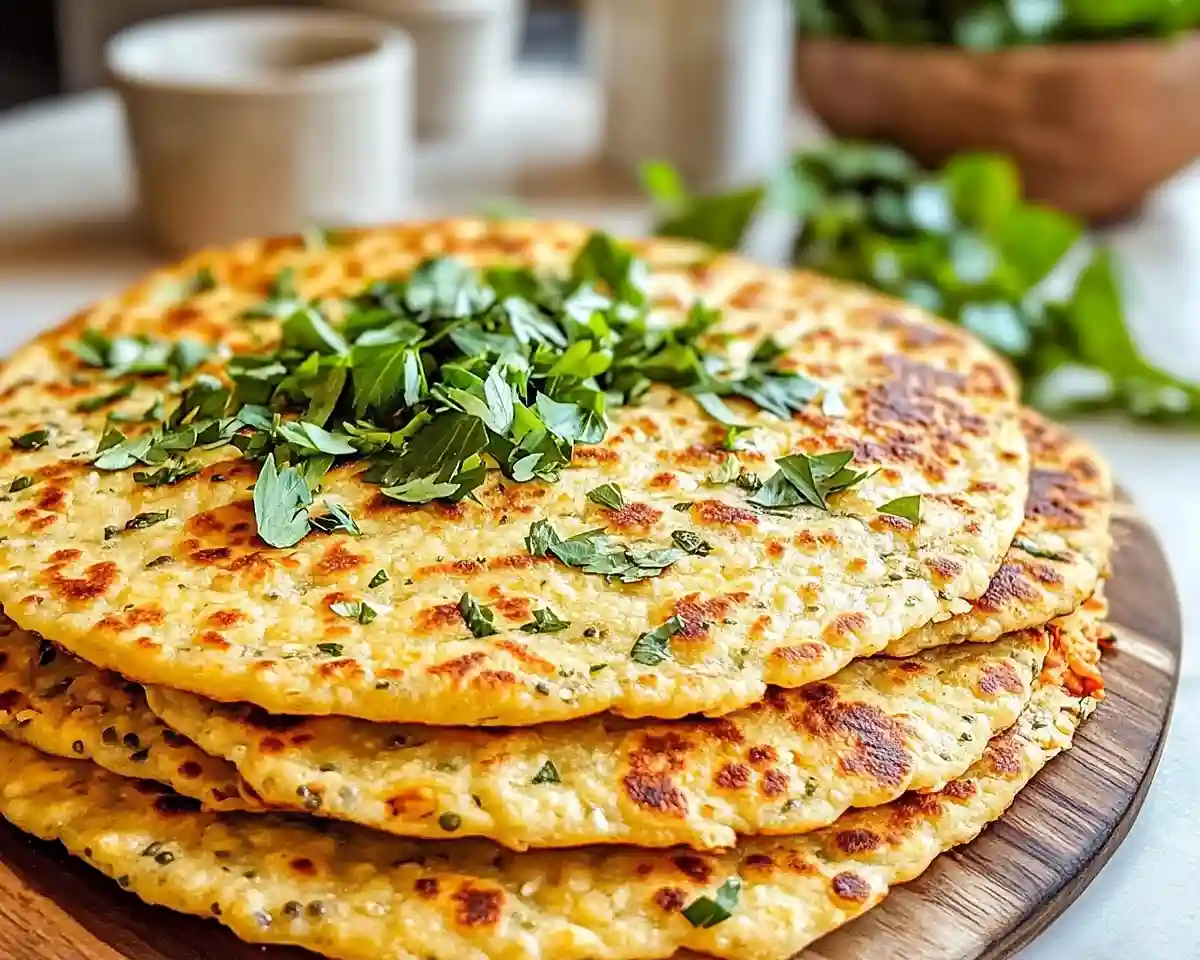
High-Protein Red Lentil Flatbread
Master this high-protein red lentil flatbread in 30 minutes! Simple cooking tips, easy meal prep, and kitchen hacks for gluten-free families.
You know that moment when you realize you’re out of bread, and dinner’s in twenty minutes? That’s exactly how I discovered this high-protein red lentil flatbread recipe. I was scrambling to pull together something quick for my kids when I spotted a bag of red lentils in the pantry—and honestly, it changed everything.
This isn’t your typical flatbread recipe that requires fancy ingredients or hours of kneading. With just a handful of pantry staples and about 30 minutes from start to finish, you’ll have warm, protein-packed flatbreads that work for everything from weeknight wraps to weekend brunch spreads. It’s become one of my favorite kitchen hacks for turning simple ingredients into something genuinely special.
What makes this high-protein red lentil flatbread so brilliant for gluten-free families? Each flatbread packs about 8 grams of protein, making it an easy meal solution that actually keeps everyone satisfied. Plus, there’s no weird flour blends or expensive specialty ingredients—just real food that happens to be naturally gluten-free.
Table of Contents
Ingredients
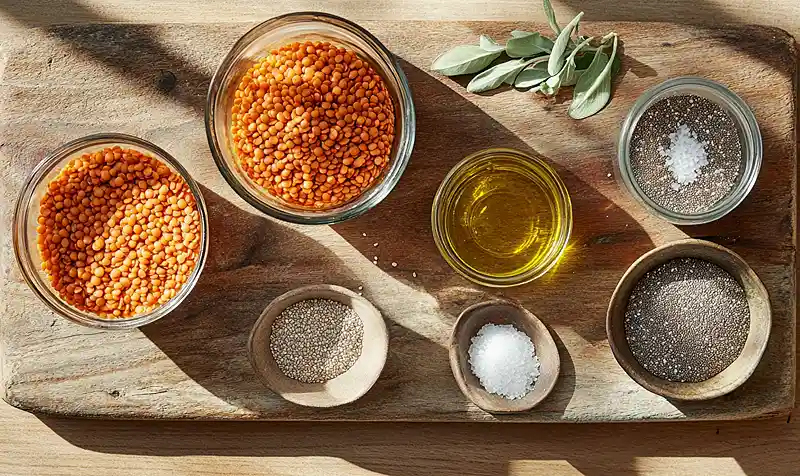
| Ingredient | Amount | Notes |
|---|---|---|
| Red lentils | 1 cup (200g) | Dried, uncooked |
| Water | 1 ¼ cups (300ml) | Plus extra for soaking |
| Chia seeds | 1 tablespoon | Flaxseeds work too |
| Salt | ½ teaspoon | Adjust to taste |
| Garlic powder | ½ teaspoon | Optional but recommended |
| Black pepper | ½ teaspoon | Freshly ground preferred |
| Olive oil | 1 teaspoon | For cooking each batch |
Instructions
Creating this high-protein red lentil flatbread is simpler than it might seem, thanks to its straightforward process and minimal ingredients. Follow these step-by-step instructions to ensure your flatbread turns out perfectly every time. Each step includes helpful tips and safety reminders to guide you through the process seamlessly.
Step 1: Soak the Red Lentils
Begin by soaking the red lentils in water for 2-3 hours. Place 1 cup (200g) of red lentils in a bowl and cover them with enough water to submerge them completely. Soaking softens the lentils, making them easier to blend into a smooth batter later. Once soaked, drain the lentils thoroughly using a fine-mesh sieve.
Pro tip: Rinse the lentils under cold water after draining to remove any residual dust or impurities.
Step 2: Blend the Batter
In a high-speed blender, combine the soaked lentils, 1 ¼ cups (300ml) of fresh water, 1 tablespoon of chia seeds (or flaxseeds), ½ teaspoon of salt, ½ teaspoon of garlic powder (if using), and ½ teaspoon of black pepper. Blend the mixture until it reaches a smooth, pancake-batter-like consistency—as silky as morning cream. If the batter feels too thick, add a splash of water, one tablespoon at a time, until the desired texture is achieved.
Safety note: Always secure the blender lid tightly before blending to avoid spills.
Step 3: Allow the Batter to Rest
Transfer the blended batter to a mixing bowl and let it sit for 5 minutes. During this time, the chia seeds will absorb moisture and thicken the batter slightly, giving the flatbread structure and a soft texture. This resting period is crucial, so don’t skip it!
While waiting, prepare your cooking area by heating a non-stick skillet over medium heat.

Step 4: Cook the Flatbread
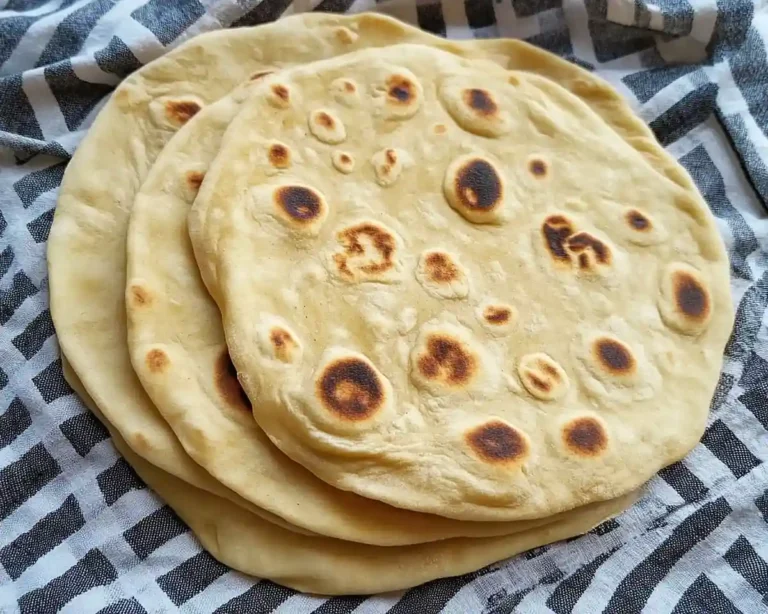
Lightly grease the heated skillet with 1 teaspoon of olive oil, spreading it evenly with a brush or paper towel. Pour a ladleful of batter onto the skillet, tilting the pan to spread it into a thin, even circle, roughly 6-7 inches in diameter. Let the flatbread cook undisturbed for 2-3 minutes, or until the edges begin to lift and the surface appears set—you’ll notice little bubbles forming across the top.
Use a spatula to flip the flatbread carefully and cook the other side for another 2 minutes, ensuring both sides are golden and slightly crisp. Repeat this process with the remaining batter, adding more oil to the skillet as needed between batches.
Step 5: Serve Warm
Once all the flatbreads are cooked, stack them on a plate and cover them with a clean kitchen towel to keep them warm and soft. Serve immediately with your favorite toppings, such as avocado slices, hummus, or roasted vegetables. Enjoy the satisfying texture and flavor of your homemade high-protein red lentil flatbread!
By following these clear and detailed steps, even beginners can master this recipe with confidence. The simplicity of the process ensures that you’ll spend less time worrying and more time savoring the delicious results.
Substitutions
Running low on chia seeds? Flaxseeds are your best friend here and work exactly the same way in this high-protein red lentil flatbread. Just grind them fresh if possible for better binding power, though pre-ground works in a pinch.
Don’t have garlic powder on hand? Fresh minced garlic (about half a clove) adds wonderful flavor, or you can swap in onion powder for a slightly sweeter note. These easy meal variations let you work with what’s already in your kitchen.
If you’re watching oil intake, a well-seasoned cast iron skillet lets you cook these flatbreads with minimal or even no added oil. This cooking tip works especially well once you’ve made a few batches and your pan develops that perfect non-stick surface.
For a protein boost beyond the lentils themselves, try adding a tablespoon of nutritional yeast to the batter. It gives a subtle cheesy flavor while sneaking in extra B vitamins—one of my favorite kitchen hacks for picky eaters.
Troubleshooting
Is your flatbread batter too thick to spread easily? Add water one tablespoon at a time until it flows like pancake batter. The consistency should coat the back of a spoon but still drip off smoothly—this cooking tip ensures perfectly thin, pliable flatbreads every time.
Flatbreads sticking to your pan? Make sure your skillet is properly preheated over medium heat before adding oil. A drop of water should sizzle immediately when it hits the surface, signaling it’s ready for your high-protein red lentil flatbread batter.
Well… if your flatbreads are turning out too crispy or dry, you’re likely cooking them on heat that’s too high or for too long. Medium heat is key—think of it as a gentle, patient approach rather than a quick blast. Lower the temperature and watch for those telltale bubbles on the surface before flipping.
Batter separating or looking watery after resting? Give it a quick stir before ladling it into the pan. The chia seeds naturally settle, so a gentle mix brings everything back together for consistent results across all your easy meals.
Storage and Meal Prep
Store your cooked high-protein red lentil flatbreads in an airtight container in the fridge for up to 4 days. Stack them with parchment paper between each flatbread to prevent sticking, and they’ll stay soft and ready to reheat. Just warm them in a dry skillet for 30 seconds per side, and they taste freshly made.
For serious meal prep efficiency, double or triple this recipe and freeze the extras for up to 3 months. Let the flatbreads cool completely, then stack them with parchment dividers and seal in a freezer-safe bag. This kitchen hack means you’ll always have protein-packed bread ready for those chaotic weeknight dinners.
Serving Suggestions
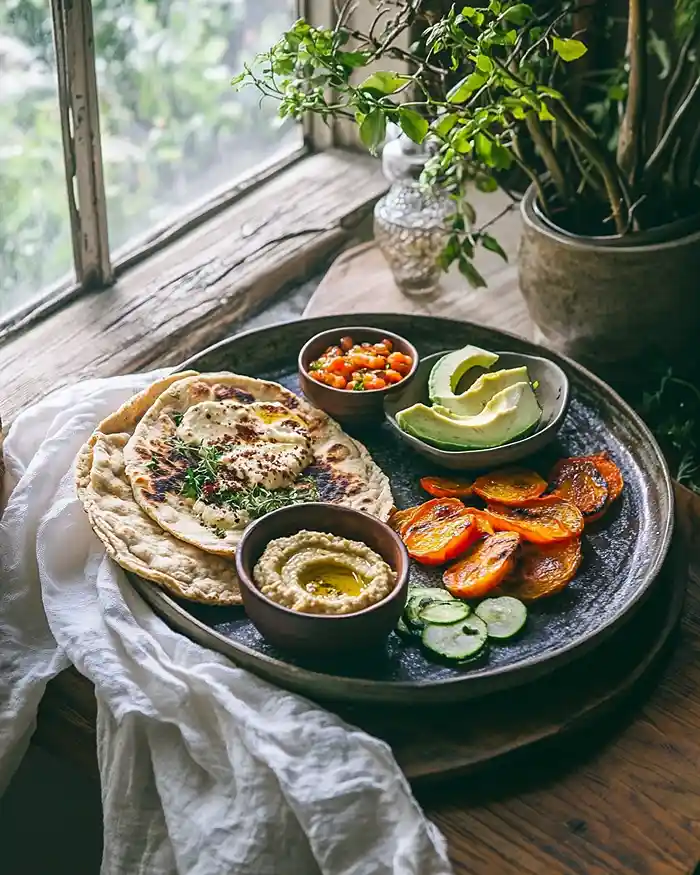
These versatile flatbreads shine brightest when paired with Mediterranean-style toppings like creamy hummus, fresh cucumber slices, and a sprinkle of za’atar. Try them alongside this flavorful Indian chickpea curry for a complete protein-packed easy meal that’ll satisfy the whole family.
For a quick lunch, spread your high-protein red lentil flatbread with mashed avocado, top with a fried egg, and finish with red pepper flakes. It’s become my go-to cooking tip for transforming leftovers into something that feels restaurant-worthy.
Hosting brunch? Stack these warm flatbreads on a platter with small bowls of different toppings—roasted red peppers, feta cheese, olives, and sliced tomatoes—and let everyone build their own. It’s a simple kitchen hack that turns breakfast into an interactive feast, perfect for Mother’s Day or Easter gatherings.
Variations
Kid-Friendly Version: Skip the black pepper and garlic powder for tiny taste buds, and try mixing a tablespoon of finely grated carrots or zucchini into the batter. The veggies disappear completely, adding moisture and sneaky nutrition to your high-protein red lentil flatbread without changing the flavor.
Dairy-Free & Vegan: Great news—this recipe is already completely dairy-free and vegan! It’s one of those rare easy meals that accommodates multiple dietary needs without any adjustments, making it perfect for mixed households or potlucks.
Herb-Infused Flatbread: Blend in 2 tablespoons of fresh herbs like cilantro, parsley, or basil for a flavor boost that pairs beautifully with this colorful spiral ratatouille. This cooking tip transforms a simple flatbread into something that feels special enough for company.
Spiced Southwest Style: Add ½ teaspoon cumin and a pinch of smoked paprika to the batter for a Tex-Mex twist. Serve with black beans, salsa, and guacamole for taco night—it’s a kitchen hack that lets you skip the store-bought tortillas entirely.
FAQs About High-Protein Red Lentil Flatbread
Can I use other types of lentils for this flatbread?
Red lentils work best because they blend smoother and cook faster than brown or green varieties. Other lentils might result in a grainier texture, though split yellow lentils can work as a substitute in this high-protein red lentil flatbread recipe.
How do I know when the flatbread is ready to flip?
Watch for small bubbles forming across the surface and edges that start to pull away from the pan—usually around 2-3 minutes. These visual cues are reliable cooking tips that work regardless of your stove’s heat settings.
What’s the best way to reheat leftover flatbreads?
A dry skillet over medium heat for 30 seconds per side brings back that fresh-from-the-pan texture perfectly. Microwaving works too, but wrap them in a damp paper towel first to prevent drying out—a simple kitchen hack for busy mornings.
Can I make the batter ahead of time?
Absolutely! Prepare your high-protein red lentil flatbread batter up to 24 hours in advance and store it covered in the fridge. Just give it a good stir before cooking, as the chia seeds may settle and thicken the mixture slightly overnight.
Why didn’t my flatbread hold together?
Man, oh man, this usually means the chia seeds didn’t have enough time to work their magic. Make sure you let the batter rest for the full 5 minutes after blending—those little seeds need time to absorb liquid and create the binding structure that holds your easy meal together.
Best way to transport these for lunch?
Wrap cooled flatbreads individually in foil or parchment, then pack them in a container with your chosen fillings stored separately. According to research on legume nutrition, lentils retain their nutritional benefits even when meal prepped, making these perfect for weekly cooking tips and planning.
Final Thoughts
This high-protein red lentil flatbread has become one of those recipes I make without even thinking about it anymore—kind of like how some people default to scrambled eggs. It’s quick, reliable, and works for everything from Tuesday night dinner to Sunday morning brunch.
The beauty of this easy meal is that it meets you wherever you are in your gluten-free journey. Whether you’re brand new to cooking without gluten or you’ve been doing this for years, these simple cooking tips and kitchen hacks make the process feel effortless rather than overwhelming.
Try pairing your homemade flatbread with this soft and pillowy Greek yogurt naan to create a bread basket that’ll impress everyone at your next gathering. Both recipes prove that gluten-free doesn’t mean flavor-free or complicated—just delicious, nourishing food made with real ingredients.
I’d love to hear how your high-protein red lentil flatbread turns out! What toppings did you try? Did you discover any new kitchen hacks along the way? Drop a comment below and share your experience with the GrainlessLife community.
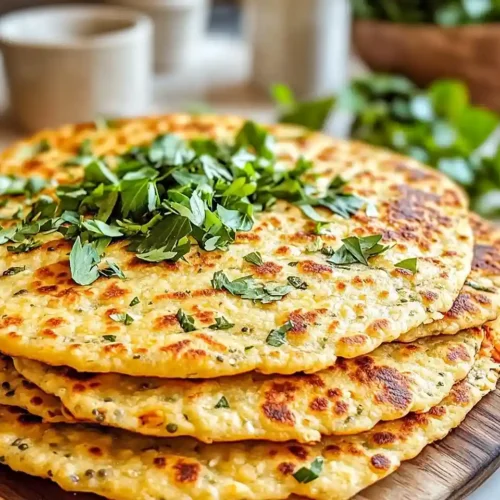
High-Protein Red Lentil Flatbread
Equipment
- High-speed blender
- Non-stick skillet
- Fine-mesh sieve
- Mixing bowl
- Ladle
- Spatula
Ingredients
- 1 cup red lentils 200g, dried uncooked
- 1 ¼ cups water 300ml, plus extra for soaking
- 1 tablespoon chia seeds or flaxseeds
- ½ teaspoon salt
- ½ teaspoon garlic powder optional
- ½ teaspoon black pepper
- 1 teaspoon olive oil for cooking each batch
Instructions
- Begin by soaking the red lentils in water for 2-3 hours. Place 1 cup (200g) of red lentils in a bowl and cover them with enough water to submerge them completely. Soaking softens the lentils, making them easier to blend into a smooth batter later. Once soaked, drain the lentils thoroughly using a fine-mesh sieve. Pro tip: Rinse the lentils under cold water after draining to remove any residual dust or impurities.
- In a high-speed blender, combine the soaked lentils, 1 ¼ cups (300ml) of fresh water, 1 tablespoon of chia seeds (or flaxseeds), ½ teaspoon of salt, ½ teaspoon of garlic powder (if using), and ½ teaspoon of black pepper. Blend the mixture until it reaches a smooth, pancake-batter-like consistency. If the batter feels too thick, add a splash of water, one tablespoon at a time, until the desired texture is achieved. Safety note: Always secure the blender lid tightly before blending to avoid spills.
- Transfer the blended batter to a mixing bowl and let it sit for 5 minutes. During this time, the chia seeds will absorb moisture and thicken the batter slightly, giving the flatbread structure and a soft texture. This resting period is crucial, so don’t skip it! While waiting, prepare your cooking area by heating a non-stick skillet over medium heat.
- Lightly grease the heated skillet with 1 teaspoon of olive oil, spreading it evenly with a brush or paper towel. Pour a ladleful of batter onto the skillet, tilting the pan to spread it into a thin, even circle, roughly 6-7 inches in diameter. Let the flatbread cook undisturbed for 2-3 minutes, or until the edges begin to lift and the surface appears set. Use a spatula to flip the flatbread carefully and cook the other side for another 2 minutes, ensuring both sides are golden and slightly crisp. Repeat this process with the remaining batter, adding more oil to the skillet as needed between batches.
- Once all the flatbreads are cooked, stack them on a plate and cover them with a clean kitchen towel to keep them warm and soft. Serve immediately with your favorite toppings, such as avocado slices, hummus, or roasted vegetables.