Homemade Gluten Free Bread
Make perfect homemade gluten free bread with this easy recipe! Soft, fluffy loaves in just 2 hours—no knead required. Perfect for beginners!
You know what? I’ll never forget the first time I tried making homemade gluten free bread. The dough looked more like pancake batter, and I was absolutely convinced I’d done something terribly wrong. Spoiler alert: that’s exactly how it’s supposed to look!
Making a homemade gluten free bread recipe doesn’t have to feel like solving a chemistry equation. With the right flour blend and a little patience, you’ll pull golden, crusty loaves from your oven that’ll make your whole kitchen smell like a cozy bakery. No fancy equipment needed—just a bowl, some basic ingredients, and about two hours from start to finish.
This gluten free bread for one family quickly becomes bread for everyone at the table. Whether you’re newly gluten-free or you’ve been at this for years, this homemade gluten free bread easy approach takes the guesswork out of baking. Let’s get you slicing into warm, tender bread that actually holds together for sandwiches!
Table of Contents
The Ultimate Homemade Gluten Free Bread Recipe That Actually Works
Equipment
- Stand mixer with dough hook (or mixing bowl and spatula)
- Large glass or steel mixing bowl
- Standard loaf pan
- Bowl scraper or spatula
- Clean kitchen towel or plastic wrap
- Sharp knife or bread lame
- Small oven-safe steel bowl
- Thermometer (optional)
- Small sieve
- Spray bottle for water
Ingredients
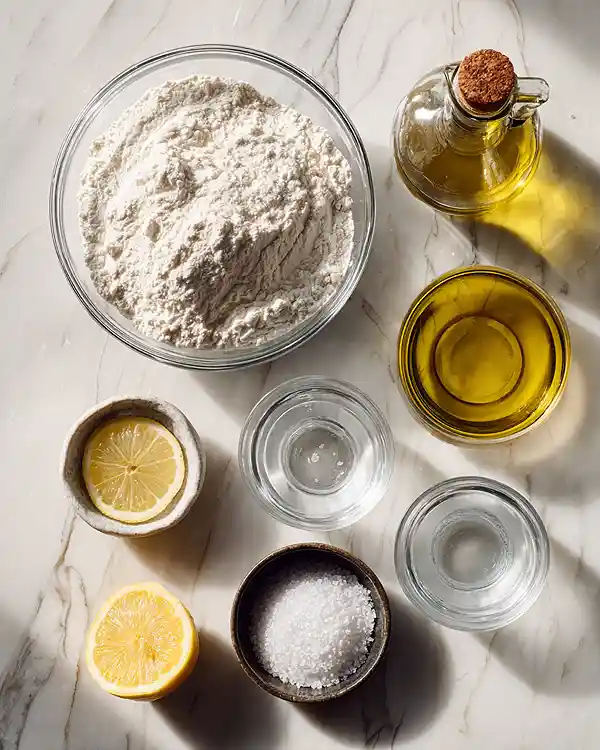
- 2 cups gluten free bread flour 284 grams, more as needed
- 2 teaspoons instant yeast 5 grams
- ½ teaspoon white granulated sugar 3 grams
- 1¼ cups lukewarm water 220ml, 98-105°F (36-40°C)
- ¼ cup fresh lemon juice or white vinegar or 2 teaspoons white vinegar
- 2 tablespoons olive or vegetable oil 25 grams
- 1 teaspoon coarse sea salt 6 grams
Instructions
- Grease a large glass or steel mixing bowl generously with butter or oil—this prevents sticking during the rise. Heat your water until it reaches 98-105°F (36-40°C), checking with a thermometer if you have one. Water that’s too hot will kill your yeast, so err on the cooler side if you’re guessing.
- Add your gluten-free flour, sugar, and yeast to your stand mixer bowl fitted with the dough hook. Turn the mixer to low speed and gradually pour in the lukewarm water while it’s running—this helps everything combine smoothly. Scrape down the bowl sides as needed to catch any flour hiding in the corners. Add the lemon juice, then drizzle in the olive oil and mix until it’s all incorporated. Finally, mix in the salt and let the mixer run for 5-6 minutes total until the dough looks smooth. If you don’t have a stand mixer, a big bowl with a sturdy spatula works perfectly fine—your arm might get a workout, though! The dough will be sticky and batter-like, which feels weird but is completely normal for gluten free bread.
- Use a bowl scraper or spatula to transfer your sticky dough into the greased bowl you prepared earlier. Cover it with a clean kitchen towel or plastic wrap and let it hang out somewhere warmish for 60-90 minutes. You’ll know it’s ready when it’s doubled in size—it’s like watching magic happen in slow motion!
- While the dough rises, grease a standard loaf pan or line it with parchment paper for easy removal later.
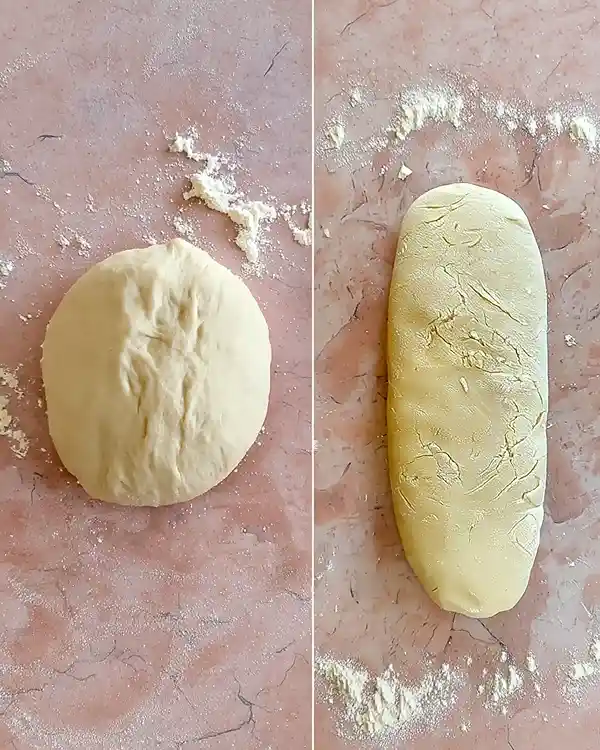
- Flour your hands and work surface generously with gluten-free flour. Turn out the puffy dough and gently press it to release trapped air bubbles. Shape it into a ball as best as you can—if it doesn’t cooperate the first time, just add more flour to your hands and try again. A bowl scraper is your best friend here for handling this soft dough.
- Gently roll the dough ball into a rectangle roughly 8×15 inches. Don’t stress about perfection—rounded edges are totally fine and won’t affect the final loaf! Roll it up lengthwise into a 6-inch log and nestle it seam-side-down into your prepared pan. Lightly press the top to flatten it slightly for an even rise. Dust the top with a light sprinkle of flour using a small sieve for that artisan bakery look.
- Use a sharp knife, bread lame, or even kitchen scissors to make 6 diagonal slashes across the top of your loaf. This isn’t just pretty—it helps the bread expand properly while baking!
- Cover your shaped loaf again and let it rise for another hour until it’s doubled in size. Your patience is about to pay off big time.
- Place a small oven-safe steel bowl on the bottom rack of your oven. Preheat to 445°F (230°C)—yes, that’s hot, but it creates the perfect crust!
- Give your risen loaf a light spritz with water right before it goes in. Carefully place the loaf pan on the lower-middle oven rack, then pour 1 cup of water into that heated steel bowl to create steam. Bake for 25-30 minutes until the top is gorgeously golden brown and the bottom sounds hollow when you tap it. Let the bread cool in the pan for 10 minutes before turning it out—I know waiting is torture, but slicing too soon makes it gummy inside!
Notes
Ingredients
| Ingredient | Amount |
|---|---|
| Gluten free bread flour | 2 cups (284 grams), more as needed |
| Instant yeast | 2 teaspoons (5 grams) |
| White granulated sugar | ½ teaspoon (3 grams) |
| Lukewarm water | 1¼ cups (220ml) |
| Fresh lemon juice or white vinegar | ¼ cup lemon juice OR 2 teaspoons vinegar |
| Olive or vegetable oil | 2 tablespoons (25 grams) |
| Coarse sea salt | 1 teaspoon (6 grams) |
Instructions
Prep Your Bowl & Water: Grease a large glass or steel mixing bowl generously with butter or oil—this prevents sticking during the rise. Heat your water until it reaches 98-105°F (36-40°C), checking with a thermometer if you have one. Water that’s too hot will kill your yeast, so err on the cooler side if you’re guessing.
Make The Dough: Add your gluten-free flour, sugar, and yeast to your stand mixer bowl fitted with the dough hook. Turn the mixer to low speed and gradually pour in the lukewarm water while it’s running—this helps everything combine smoothly. Scrape down the bowl sides as needed to catch any flour hiding in the corners.
Add the lemon juice, then drizzle in the olive oil and mix until it’s all incorporated. Finally, mix in the salt and let the mixer run for 5-6 minutes total until the dough looks smooth. If you don’t have a stand mixer, a big bowl with a sturdy spatula works perfectly fine—your arm might get a workout, though! The dough will be sticky and batter-like, which feels weird but is completely normal for gluten free easy bread recipe success.
1st Rise: Use a bowl scraper or spatula to transfer your sticky dough into the greased bowl you prepared earlier. Cover it with a clean kitchen towel or plastic wrap and let it hang out somewhere warmish for 60-90 minutes. You’ll know it’s ready when it’s doubled in size—it’s like watching magic happen in slow motion!
Prepare Your Pan: While the dough rises, grease a standard loaf pan or line it with parchment paper for easy removal later.
Shaping: Well… here’s where gluten-free baking gets a little quirky. Flour your hands and work surface generously with gluten-free flour. Turn out the puffy dough and gently press it to release trapped air bubbles. Shape it into a ball as best as you can—if it doesn’t cooperate the first time, just add more flour to your hands and try again. A bowl scraper is your best friend here for handling this soft dough.
Roll & Form: Gently roll the dough ball into a rectangle roughly 8×15 inches. Don’t stress about perfection—rounded edges are totally fine and won’t affect the final loaf! Roll it up lengthwise into a 6-inch log and nestle it seam-side-down into your prepared pan. Lightly press the top to flatten it slightly for an even rise. Dust the top with a light sprinkle of flour using a small sieve for that artisan bakery look.
Score: Use a sharp knife, bread lame, or even kitchen scissors to make 6 diagonal slashes across the top of your loaf. This isn’t just pretty—it helps the bread expand properly while baking!
2nd Rise: Cover your shaped loaf again and let it rise for another hour until it’s doubled in size. Your patience is about to pay off big time.
Preheat & Prep Steam: Place a small oven-safe steel bowl on the bottom rack of your oven. Preheat to 445°F (230°C)—yes, that’s hot, but it creates the perfect crust!
Bake: Give your risen loaf a light spritz with water right before it goes in. Carefully place the loaf pan on the lower-middle oven rack, then pour 1 cup of water into that heated steel bowl to create steam. Bake for 25-30 minutes until the top is gorgeously golden brown and the bottom sounds hollow when you tap it. Let the bread cool in the pan for 10 minutes before turning it out—I know waiting is torture, but slicing too soon makes it gummy inside!
Substitutions
Flour: If you don’t have a pre-made gluten free bread flour blend, you can create your own mix using rice flour, tapioca starch, and xanthan gum following detailed gluten-free flour blend guidelines. Just make sure your blend includes a binder like xanthan gum or psyllium husk, or your bread won’t hold together properly.
Yeast: Instant yeast and active dry yeast work equally well in this homemade gluten free bread recipe. If using active dry, proof it first in the warm water with the sugar for 5 minutes until foamy before adding to the flour.
Acid: Both lemon juice and white vinegar serve the same purpose—they help activate the yeast and improve the bread’s texture. Use whatever you have on hand, though I slightly prefer lemon for a barely-there brightness that doesn’t taste citrusy at all.
Oil: Swap olive oil with melted butter, coconut oil, or any neutral vegetable oil. Each adds subtle flavor differences, but all work beautifully for a soft, tender crumb.
Troubleshooting
Dough Too Wet: Gluten free bread dough should look like thick cake batter, not traditional bread dough. If it’s absolutely soupy and won’t hold any shape after rising, mix in 2-3 tablespoons more flour next time. Humidity affects gluten-free baking more than regular baking, so adjust as needed.
Bread Didn’t Rise: Check your yeast’s expiration date—old yeast is usually the culprit. Also make sure your water wasn’t too hot (over 110°F kills yeast) or too cold (under 95°F won’t activate it properly). Your rising environment should be draft-free and around 75-80°F for best results.
Dense or Gummy Center: This usually means the bread needed a few more minutes in the oven. Gluten free easy bread recipe loaves need to fully bake through—an instant-read thermometer should read 205-210°F in the center when done. Don’t skip the cooling time either, as the interior continues setting up as it cools.
Crust Too Hard: If your crust comes out tough as a hockey puck, your oven might be running hot. Use an oven thermometer to check, and consider reducing the temperature by 25°F next time. Storing the cooled bread in an airtight container also keeps the crust from hardening.
Storage
Store your completely cooled homemade gluten free bread in an airtight container or resealable bag at room temperature for up to 3 days. For longer storage, slice the entire loaf and freeze individual slices separated by parchment paper—they’ll keep for up to 3 months and toast beautifully straight from frozen. Man, oh man, there’s nothing better than having homemade bread ready whenever you need it!
This gluten free bread for one batch can easily be prepped ahead by mixing the dough the night before and letting it do the first rise in the refrigerator overnight. Just bring it to room temperature for 30 minutes before shaping, then continue with the second rise as directed.
Serving Suggestions
This bread is incredible warm from the oven with a smear of salted butter melting into every slice. It makes the best sandwiches I’ve ever had—sturdy enough to hold up to hearty fillings without falling apart or getting soggy. Toast it for breakfast, use it for French toast on lazy Sunday mornings, or serve it alongside a bowl of soup for dinner.
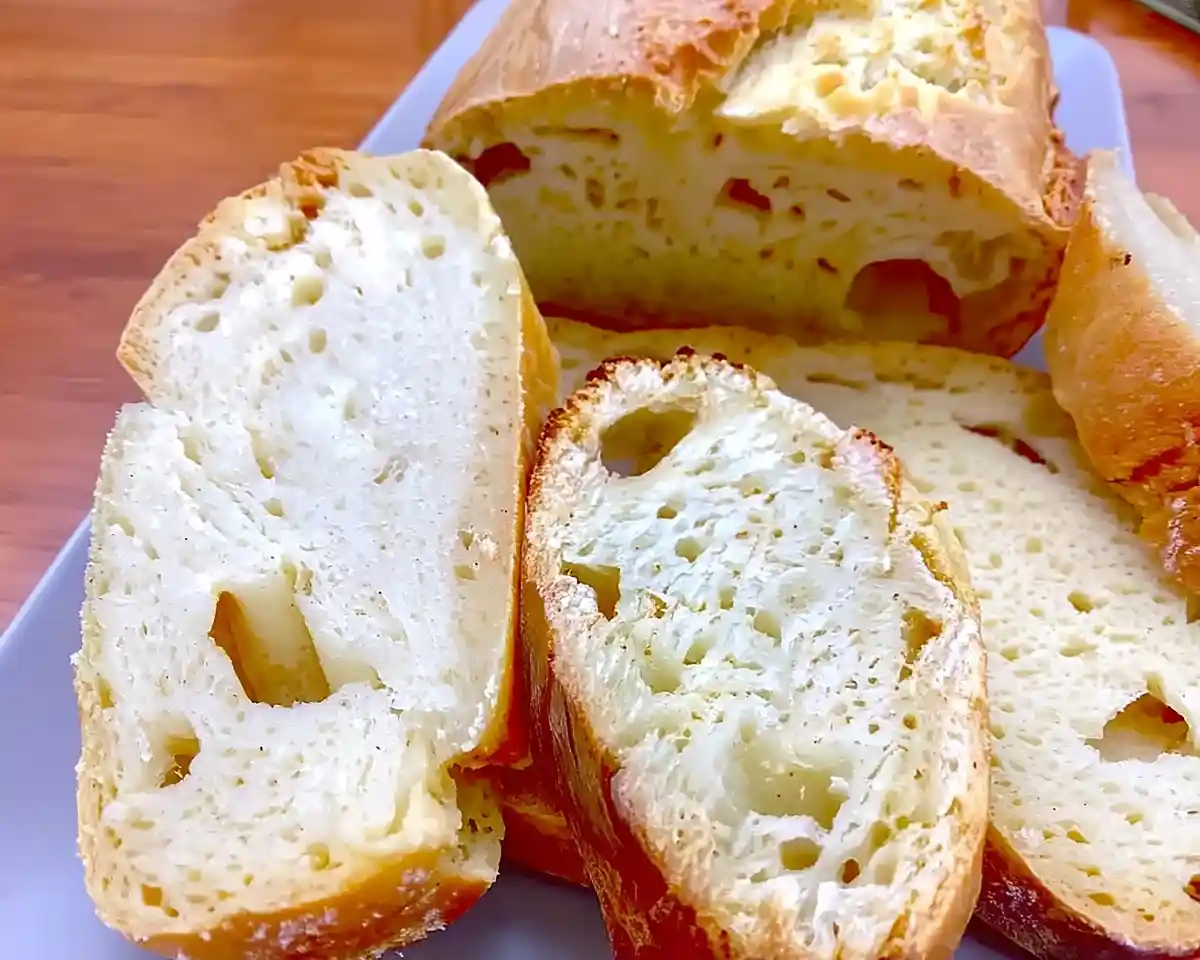
The texture is soft and fluffy as a cloud with just enough chew to feel substantial. Pair thick slices with your favorite easy gluten-free meatloaf for the ultimate comfort food dinner, or make it the star of your Thanksgiving table.
Variations
Dairy-Free: This recipe is naturally dairy-free when you grease your bowl and pan with oil instead of butter. The bread stays just as tender and delicious without any dairy products.
Herbed Bread: Fold in 2 tablespoons of dried Italian herbs, rosemary, or garlic powder during the mixing stage for savory loaves perfect alongside pasta dinners. Fresh herbs work too—just use three times the amount since dried herbs are more concentrated.
Seed-Topped: Before the second rise, brush the top with a beaten egg or milk and sprinkle with sesame seeds, poppy seeds, or everything bagel seasoning. It adds gorgeous texture and makes your homemade gluten free bread easy to dress up for company.
Mini Loaves: Divide the dough between 3-4 mini loaf pans for individual portions that bake in just 18-22 minutes. These are perfect for gifting or if you’re cooking gluten free bread for one person and want variety in the freezer.
Homemade Gluten Free Bread FAQs
What is the trick to making good gluten-free bread?
The secret is embracing that gluten-free dough behaves completely differently than wheat dough—it’s supposed to be wet and sticky! Using the right gluten free bread flour blend with xanthan gum, measuring accurately by weight when possible, and giving the dough proper rise time makes all the difference. According to trusted gluten-free baking research, patience during both rises develops the best texture and flavor.
Which flour is best for gluten-free bread?
Pre-mixed gluten free bread flour blends from brands like King Arthur, Bob’s Red Mill, or Cup4Cup work wonderfully in this homemade gluten free bread recipe because they already include the starches and binders needed for structure. Look for blends that list xanthan gum or guar gum in the ingredients—these help replace gluten’s binding properties and prevent crumbly results.
What ingredients are used for gluten-free bread?
This homemade gluten free bread easy recipe uses seven simple ingredients: gluten-free flour blend, instant yeast, sugar, warm water, lemon juice or vinegar, oil, and salt. The acid (lemon or vinegar) is key for activating the yeast and creating better rise and texture in gluten-free baking.
What is the biggest challenge of making gluten-free bread?
The trickiest part is getting used to how different the dough feels—sticky, wet, and more like thick batter than traditional bread dough. Many beginners add too much flour trying to make it “look right,” which results in dry, crumbly bread. Trust the process and resist over-flouring!
Why do you put vinegar in gluten free bread?
Vinegar (or lemon juice) adds acidity that helps activate the yeast more effectively and improves the bread’s structure and rise. It also mimics some of gluten’s elasticity and helps the bread develop better texture and flavor. You won’t taste the vinegar in the final loaf—it bakes off completely, leaving just better bread behind.
More Gluten-Free Bread & Recipe Inspiration
If you loved this recipe, you’ll definitely want to try my no-knead gluten-free bread variation for even simpler baking days. Looking for ways to use up those beautiful slices? This bread pairs perfectly with gluten-free hamburger helper for quick weeknight dinners the whole family will devour!