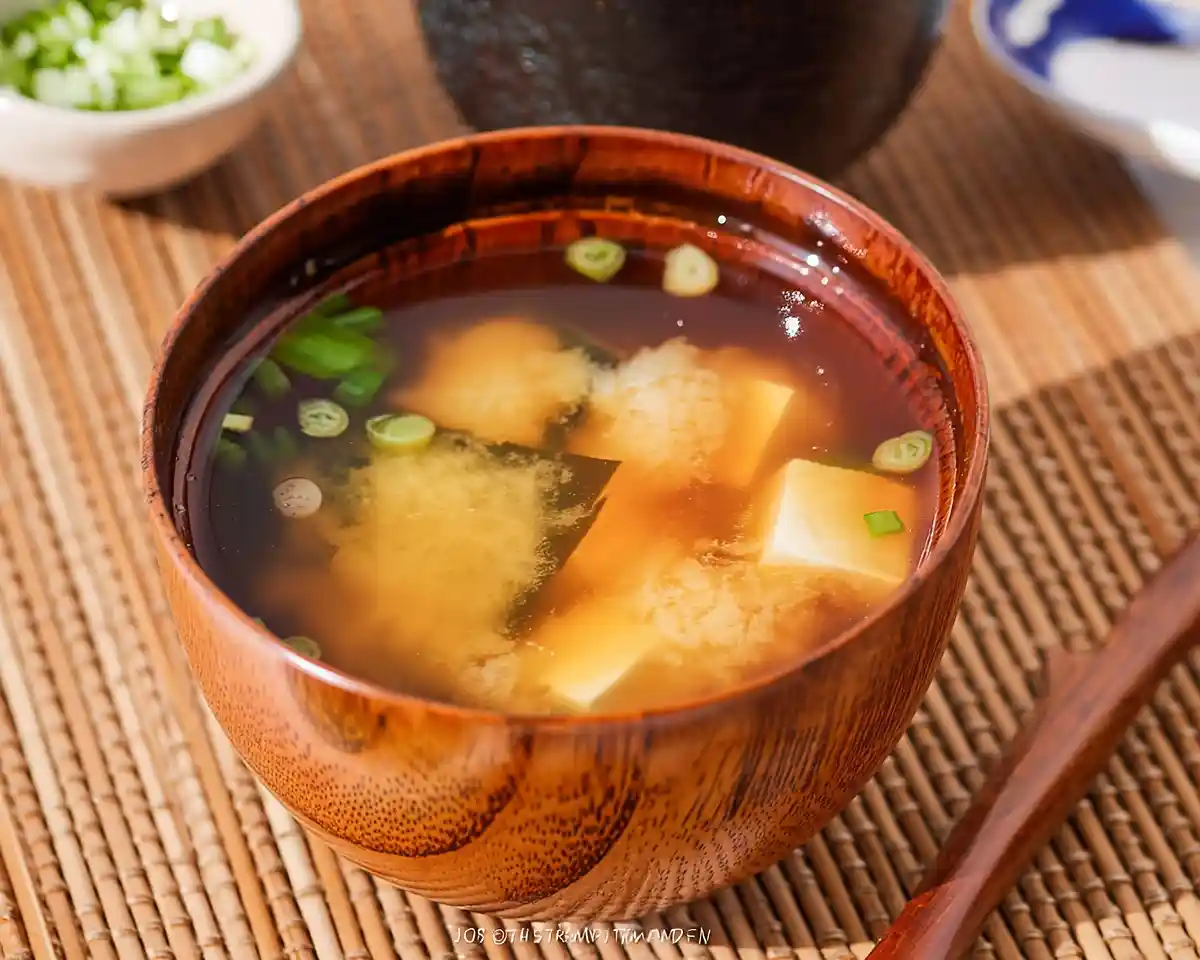
Homemade Miso Soup Recipe
Learn how to make Homemade Miso Soup Recipe fast with this simple 10-minute recipe. Authentic, nourishing, and naturally gluten-free—perfect for busy weeknights!
You know what? There’s something absolutely magical about a steaming bowl of miso soup on a chilly evening. I still remember the first time I realized I could make authentic miso soup at home in less time than it takes to order takeout—it was a total game-changer for our busy weeknights.
This simple miso soup comes together in just 10 minutes with a handful of pantry-friendly ingredients. Whether you’re new to gluten-free cooking or just looking for healthy dinner Asian options that don’t require hours in the kitchen, this recipe is about to become your new best friend.
The best part? You don’t need any fancy equipment or hard-to-find ingredients. Just a pot, some water, and a few authentic Japanese staples that create that umami-rich, soul-warming flavor we all crave.
Table of Contents
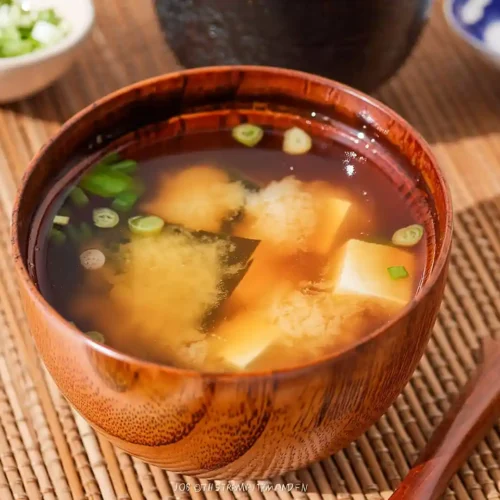
Easy Homemade Miso Soup Recipe – Ready in 10 Minutes (Gluten-Free!)
Equipment
- Medium saucepan
- Fine mesh strainer
- Measuring cups and spoons
- Knife
- Cutting board
Ingredients
- 4 cups water
- 1 teaspoon hondashi powder creates authentic dashi broth
- ¼ cup wakame seaweed cut or broken into smaller 1/2 inch pieces
- 8 ounces tofu drained and cut into 1/2 inch cubes or smaller
- 4 tablespoons gluten-free miso paste white, yellow, or red miso (You can also use regular, not gluten-free miso paste as well)
- 1 stalk green onion thinly sliced (optional)
Instructions
- Heat the water to a rolling boil in a medium saucepan over high heat. Add the hondashi powder, wakame seaweed pieces, and tofu cubes all at once. The seaweed will look tiny and dried at first, but it’ll bloom beautifully as it rehydrates.
- Bring the soup back up to a boil, then reduce the heat to maintain a high simmer. Let everything cook together for about 3 minutes, or until the wakame seaweed has fully rehydrated and softened. You’ll notice the tofu bobbing gently and the seaweed expanding to about three times its original size.
- Turn off the heat completely—this is important because boiling miso paste can destroy its beneficial probiotics and delicate flavor. Use a fine-mesh strainer to dissolve the gluten-free miso paste directly into the soup, pressing it through with a spoon until completely smooth. If you don’t have a strainer, simply scoop out about 1/2 cup of the hot broth, whisk the miso paste into it until dissolved, then pour it back into the pot.
- Add the sliced green onions as a fresh, crisp garnish. Ladle the miso soup into bowls while it’s still steaming hot and savor every comforting spoonful!
Notes
Ingredients
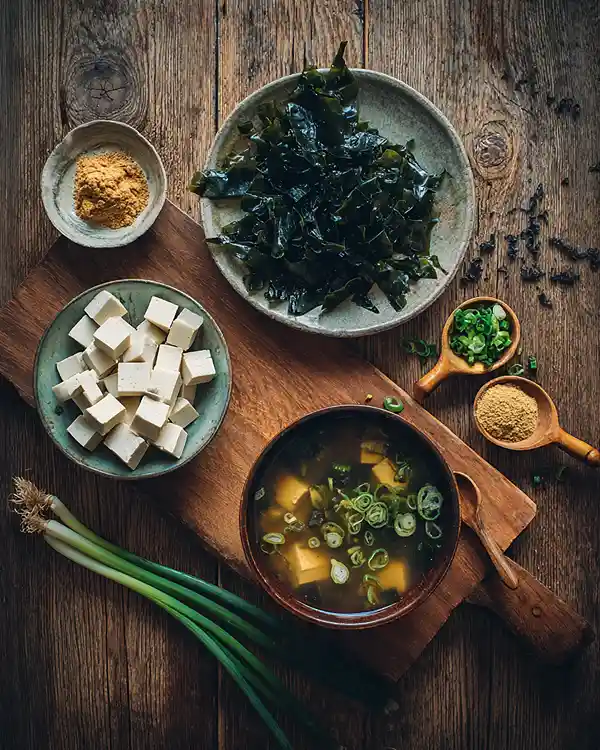
| Ingredient | Amount | Notes |
|---|---|---|
| Water | 4 cups | |
| Hondashi powder | 1 teaspoon | Creates authentic dashi broth |
| Wakame seaweed | ¼ cup | Cut into ½-inch pieces |
| Tofu | 8 ounces | Drained, cut into ½-inch cubes |
| Gluten-free miso paste | 4 tablespoons | White, yellow, or red miso |
| Green onion | 1 stalk | Thinly sliced (optional) |
Instructions
Step 1: Heat the water to a rolling boil in a medium saucepan over high heat. Add the hondashi powder, wakame seaweed pieces, and tofu cubes all at once. The seaweed will look tiny and dried at first, but it’ll bloom beautifully as it rehydrates.
Step 2: Bring the soup back up to a boil, then reduce the heat to maintain a high simmer. Let everything cook together for about 3 minutes, or until the wakame seaweed has fully rehydrated and softened. You’ll notice the tofu bobbing gently and the seaweed expanding to about three times its original size.
Step 3: Turn off the heat completely—this is important because boiling miso paste can destroy its beneficial probiotics and delicate flavor. Use a fine-mesh strainer to dissolve the gluten-free miso paste directly into the soup, pressing it through with a spoon until completely smooth. If you don’t have a strainer, simply scoop out about ½ cup of the hot broth, whisk the miso paste into it until dissolved, then pour it back into the pot.
Step 4: Add the sliced green onions as a fresh, crisp garnish. Ladle the miso soup into bowls while it’s still steaming hot and savor every comforting spoonful!

Substitutions
Miso Paste Options: If you can’t find gluten-free miso paste, regular miso works perfectly if gluten isn’t a concern for you. White miso gives you a milder, slightly sweet flavor that’s great for beginners, while red miso delivers a deeper, more robust taste.
Tofu Alternatives: Not a tofu fan? Swap it out for thinly sliced mushrooms, cubed cooked chicken, or even small cooked shrimp. Each adds its own texture and makes this vegetable easy recipe even more versatile.
Seaweed Swap: Can’t find wakame? Nori sheets torn into small pieces work in a pinch, though the texture will be slightly different. You can also skip the seaweed entirely and add extra green onions or baby spinach for a different kind of healthy dinner Asian twist.
Dashi Alternatives: If hondashi powder isn’t in your pantry, you can use vegetable broth instead of water for added depth. Chicken stock also works well as a readily available substitute that still provides umami flavor, though it won’t have the traditional seafood notes. For a homemade approach, kombu seaweed soaked in water for 30 minutes creates a simple vegetarian dashi base.
Troubleshooting Tips
Miso Won’t Dissolve: If your miso paste forms clumps, make sure you’re adding it after turning off the heat and using warm (not boiling) liquid. Use a whisk or the back of a spoon to break down any stubborn bits, or try the strainer method for the smoothest results.
Too Salty: Different brands of miso paste and hondashi powder vary significantly in sodium content. Start with 3 tablespoons of miso paste instead of 4, then taste and add more as needed. You can also dilute an overly salty batch with a bit more water.
Bland Flavor: Well, if your miso soup tastes flat, you might need a touch more hondashi powder or miso paste to boost that umami depth. A splash of gluten-free soy sauce or tamari can also enhance the savory notes without overpowering the delicate balance.
Tofu Falls Apart: This usually happens if you’re stirring too vigorously or using extra-soft tofu. Opt for firm or extra-firm tofu, and handle it gently when adding it to the pot—it should hold its shape beautifully throughout cooking.
Storage & Meal Prep
Store leftover miso soup in an airtight container in the refrigerator for up to 3 days. Keep in mind that the tofu will absorb more of the broth flavor over time, which actually makes it even more delicious! Reheat gently on the stovetop over low heat—avoid boiling to preserve those beneficial probiotics.
For meal prep, you can prepare all your ingredients ahead and keep them refrigerated separately. When you’re ready to eat, it takes just 10 minutes to bring everything together. This how to make miso soup fast approach is perfect for those hectic weeknight dinners when you need something nourishing on the table in a flash.
Serving Suggestions
Serve your miso soup as a light starter before enjoying these teriyaki salmon sushi bowls for a complete Japanese-inspired meal. The warm, savory broth is the perfect way to awaken your taste buds before the main course.
For a more substantial meal, pair your miso soup with a side of steamed rice and some pickled vegetables. It’s also wonderful alongside simple grilled fish or chicken for an authentic healthy dinner Asian experience that feels both comforting and restaurant-quality.
Variations
Extra Veggie Boost: Turn your basic miso soup into a heartier vegetable easy recipe by adding sliced shiitake mushrooms, baby bok choy, or thinly sliced carrots during the simmering stage. These additions bring extra nutrients and make it feel more like a complete meal on their own.
Protein Power: For growing kids or after a workout, add a soft-boiled egg or some cooked edamame to each bowl. This transforms your simple soup into a protein-packed option that keeps everyone satisfied longer—perfect for those busy after-school snacks.
Spicy Kick: Love a bit of heat? Stir in a small spoonful of gluten-free chili paste or a few drops of sriracha just before serving. The spice complements the umami richness beautifully without overwhelming the delicate miso flavor.
Noodle Addition: Make it even more filling by adding cooked gluten-free soba noodles, rice noodles, or shirataki noodles to your bowl. This turns your quick miso soup into a satisfying one-bowl meal that’s perfect for lunch or a light dinner.
Homemade Miso Soup Recipe FAQs
What is miso soup made of?
Traditional miso soup combines fermented soybean paste (miso) with dashi broth, which is typically made from bonito flakes and seaweed. Common additions include tofu, wakame seaweed, and green onions for a simple yet incredibly flavorful bowl.
Can I make miso soup if I’m gluten-free?
Absolutely! Just make sure you’re using certified gluten-free miso paste, as some varieties are made with barley which contains gluten. Most hondashi powder is naturally gluten-free, but always double-check the label to be safe for your dietary needs.
Is miso soup healthy?
Yes, miso soup is wonderfully nutritious! According to research on fermented foods, miso contains beneficial probiotics that may support digestive health, and studies suggest that regular consumption of miso can contribute to improved gut health. The fermented soybeans provide protein, fiber, and essential vitamins while remaining naturally low in calories.
Is miso soup vegetarian?
It depends on how it’s made. Traditional dashi contains bonito flakes (fish), so most restaurant miso soup isn’t vegetarian. However, you can easily make a vegetarian version at home by using kombu-based dashi or vegetable broth instead of hondashi powder.
What does miso taste like?
Miso has a rich, savory, slightly salty flavor that’s deeply umami—often described as earthy and complex. White miso tends to be milder and slightly sweet, while red miso is more intense and robust. Man, oh man, once you taste that first spoonful of authentic homemade miso soup, you’ll understand why it’s been a Japanese staple for centuries!
How do I keep the probiotics alive in my miso soup?
The key is to never boil your miso paste. Always turn off the heat before adding the miso, and keep the broth temperature below 158°F (70°C) when stirring it in. This preserves those beneficial bacteria that make miso such a gut-friendly food.
More Delicious Gluten-Free Recipes
If you loved this quick and easy miso soup, you’ll want to check out these other nourishing recipes perfect for busy families:
- Try these nutrient-dense dark chocolate sea salt nut bars for a quick energy boost
- Whip up these simple three-ingredient brownies with banana when you’re craving something sweet
- Complete your Japanese-inspired meal with this flavorful teriyaki salmon sushi bowl
This miso soup recipe is naturally gluten-free when using certified gluten-free miso paste. It’s perfect for meal prep, busy weeknights, or anytime you need a warm, comforting bowl that’s as nourishing as it is delicious. The beauty of learning how to make miso soup fast is that you’ll always have a healthy dinner Asian option ready in minutes!