How to Make a Gluten-Free Sourdough Starter
Learn how to make a gluten-free sourdough starter in 10 days with whole grain flours. Easy step-by-step guide for beginners with tips, FAQs, and troubleshooting.
I’ll never forget the first time I tried to make a gluten-free sourdough starter. I’d heard all the horror stories about failed attempts and jars of sad, lifeless goop sitting on counters for weeks. But here’s what nobody told me: learning how to make a gluten-free sourdough starter is actually way more forgiving than you’d think.
The smell of tangy, fermented goodness wafting through your kitchen? That’s the magic of wild yeast doing its thing. And honestly, there’s something so satisfying about creating your own easy gluten free sourdough starter from just flour and water—no weird ingredients, no fancy equipment, just patience and a little kitchen counter space.
Let’s dive into this 10-day adventure together, and I promise—it’s easier than you think.
Table of Contents
Why Make Your Own Gluten Free Sourdough Starter?
Creating a gluten free sourdough starter from scratch might feel a bit old-fashioned, but it’s totally worth it. You’re cultivating wild yeast and beneficial bacteria that’ll give your baked goods that signature tangy flavor and beautiful rise.
Plus, when you control the ingredients, you know exactly what’s going into your starter. No hidden gluten, no mystery additives—just pure, simple fermentation magic.
Many people wonder, “is sourdough bread gluten free?” The answer is: traditional sourdough isn’t, but when you make your own easy gluten free sourdough starter with certified gluten-free flours, your final bread absolutely can be.
Choosing the Right Flour for Your Gluten Free Sourdough Starter
The flour you pick makes all the difference when learning how to make a gluten-free sourdough starter. Whole grain flours work best because they contain more nutrients and natural yeasts than refined versions.
Here are your best options:
- Sorghum flour: Mild flavor, great for beginners
- Buckwheat flour: Earthy taste, ferments quickly
- Brown rice flour: Neutral flavor, widely available
- Teff flour: Slightly sweet, nutrient-dense
- Millet or quinoa flour: Both work beautifully
I personally love starting with sorghum or brown rice flour because they’re easy to find and have a gentle flavor. But honestly? You can experiment with any whole grain gluten-free flour you have on hand.
Equipment You’ll Need
Keep it simple—you probably already have everything:
- Clean glass or ceramic bowl (avoid metal during fermentation)
- Wooden or plastic spoon for stirring
- Kitchen scale for accuracy
- Paper plate or breathable cover
- Wide-mouthed jar with lid (for storage after Day 10)
That’s it. No fancy gadgets required for this easy gluten free sourdough starter.
How to Make a Gluten-Free Sourdough Starter: Step-by-Step Instructions
Day 1: The Beginning
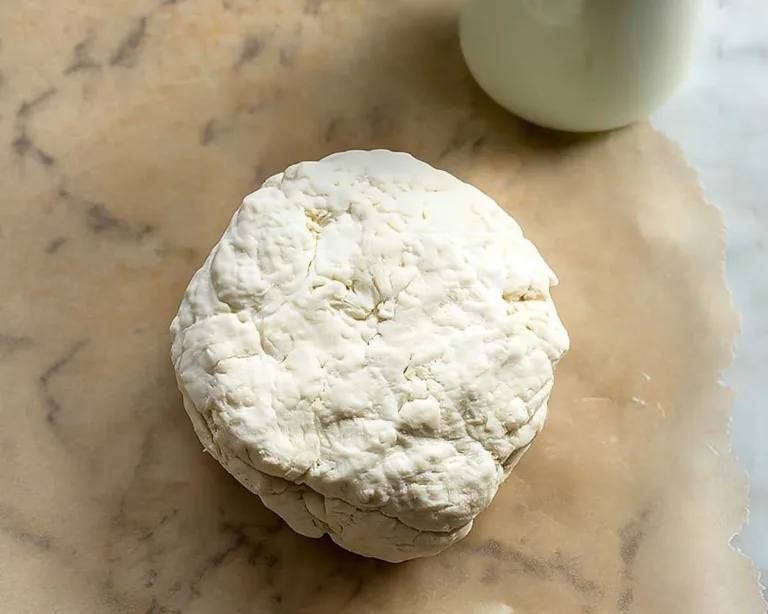
In your clean bowl, combine 50 grams of whole grain flour with 60 grams of water. Stir everything together until it resembles thick pancake batter—if it’s too stiff, add another 10 grams of water.
Cover loosely with a paper plate and leave it on your counter for 24 hours. Room temperature is perfect (around 70-75°F works great).
Day 2: First Feeding
Add 30 grams of flour and 40 grams of water to your existing mixture. Give it a good stir to incorporate everything.
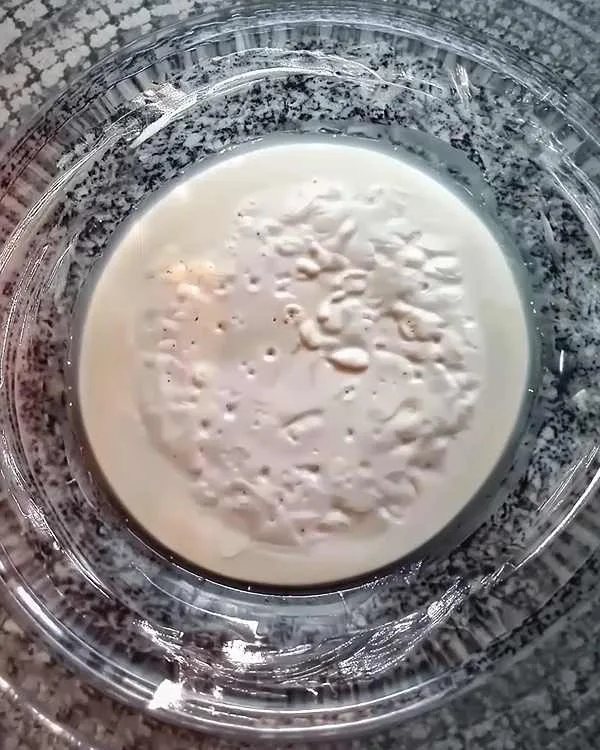
Cover loosely again and let it rest for another 24 hours. You might start seeing a few tiny bubbles—that’s the wild yeast waking up.
Days 3-4: Building Momentum
Continue the same feeding schedule: 30 grams flour and 40 grams water each day. Your gluten free sourdough starter should start showing more activity now—little bubbles, a slightly sour smell developing.
Don’t worry if it’s not super active yet. Gluten-free starters sometimes take a bit longer to really get going compared to traditional wheat starters.
Day 5: First Discard
Today, remove the cover and discard roughly half of your starter (I know, it feels wasteful, but trust the process). Feed with 30 grams flour and 40 grams water.
This discard step helps balance the yeast and bacteria ratios. Cover loosely and wait another 24 hours.
Day 6: No Discard Day
Just feed your easy gluten free sourdough starter with 30 grams flour and 40 grams water—no discarding today. You should be seeing consistent bubbling activity by now.
Cover loosely and leave it to do its thing.
Day 7: Discard Again
Remove about half the starter, then feed with the usual 30 grams flour and 40 grams water. By now, you might notice your starter doubling in size between feedings—that’s exactly what you want.
Day 8: Feed Only
Another feeding-only day. Add 30 grams flour and 40 grams water without discarding. Your gluten free sourdough starter should smell pleasantly tangy, not overly alcoholic or off-putting.
Day 9: One More Discard
Discard half, feed with 30 grams flour and 40 grams water. We’re in the home stretch now.
Day 10: Success!
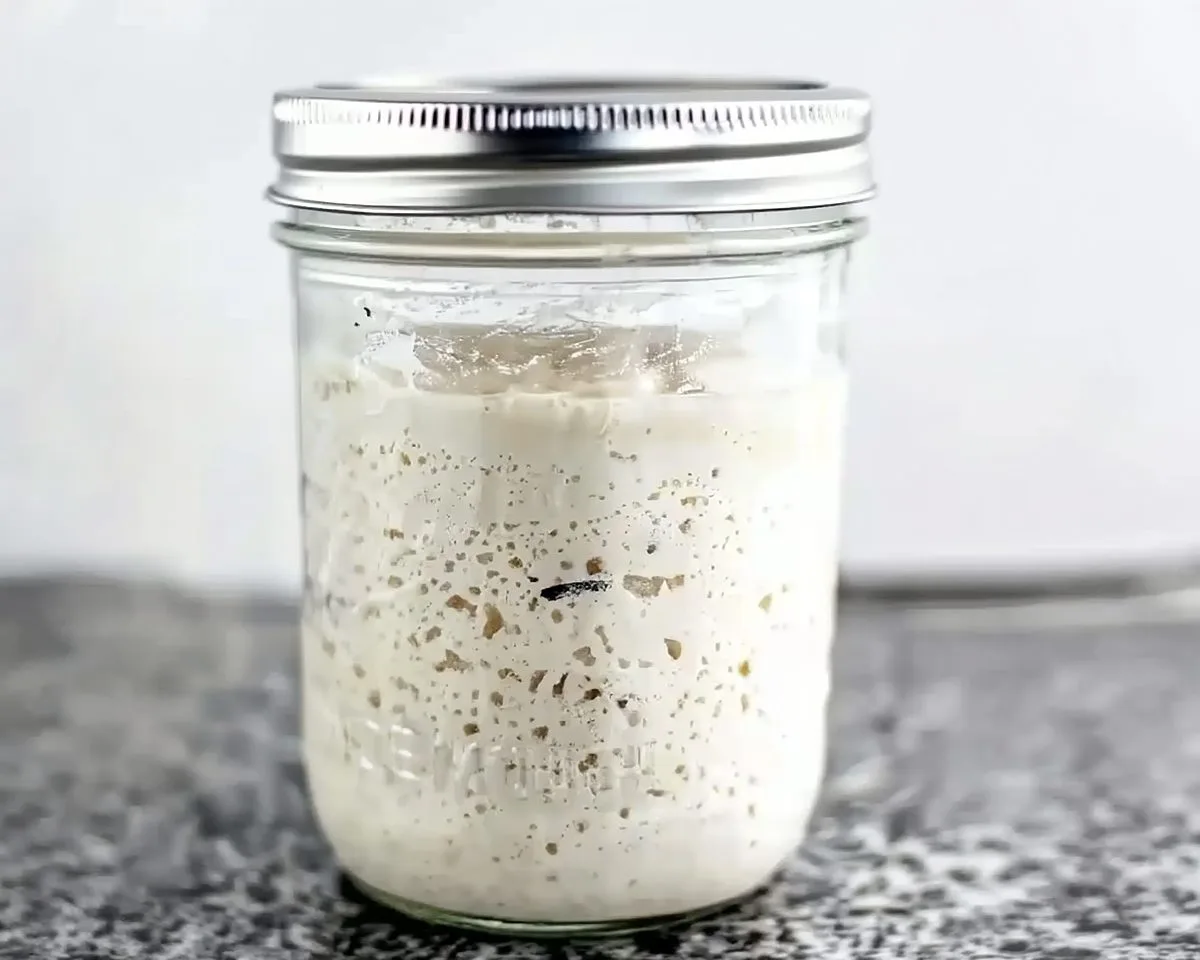
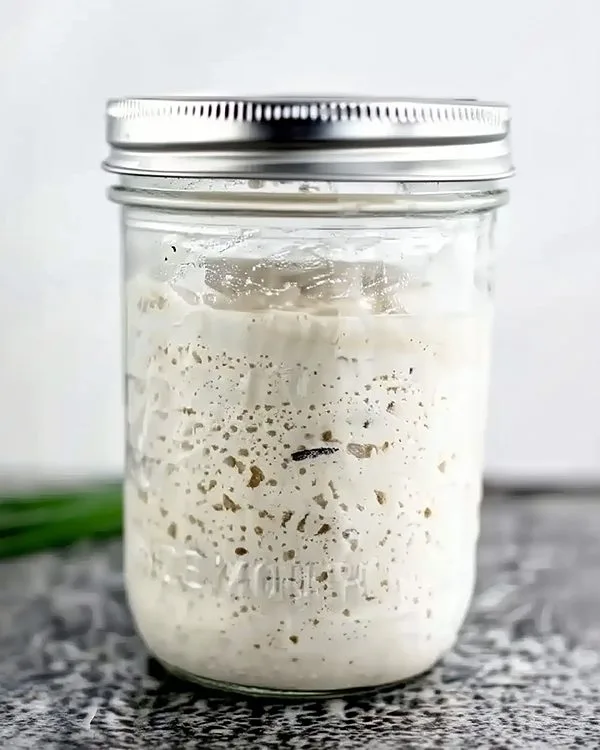
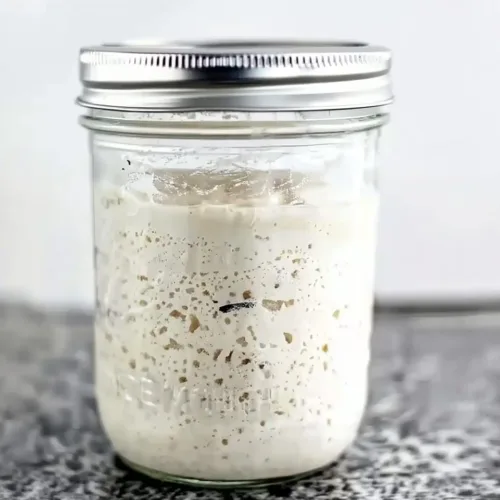
Your starter should look vigorously bubbly and smell wonderfully sour. It’s alive and ready to use. Transfer it to a wide-mouthed jar with a tight-fitting lid and pop it in the refrigerator until you’re ready to bake.
When you want to use it for baking, you’ll need to feed it and let it come to room temperature first—but we’ll save that for another day.
Helpful Tips and Troubleshooting
Substitutions
Different flours: Feel free to switch between whole grain gluten-free flours throughout the process. Some bakers even mix flours (like half sorghum, half buckwheat) for more complex flavor.
Water type: Filtered or bottled water works best. Chlorinated tap water can sometimes slow down fermentation, though it usually still works.
Common Issues and Solutions
My starter isn’t bubbling: Give it more time. Gluten-free starters can take 12-14 days instead of 10. Keep feeding it daily—patience wins here.
It smells like acetone or nail polish remover: That’s the “hungry” smell. Feed it more frequently or increase the feeding amounts slightly.
Liquid on top (hooch): That grayish liquid means your starter needs food. Just stir it back in and feed as usual, or pour it off if you prefer a milder flavor.
Too thick or too thin: Adjust the water slightly. According to the Whole Grains Council, different gluten-free flours absorb water differently, so consistency matters more than exact measurements.
Storage and Maintenance
Keep your gluten free sourdough starter in the fridge when you’re not baking regularly. Feed it once a week to keep it happy and healthy.
Before baking, remove it from the fridge, feed it, and let it sit at room temperature for 4-8 hours until it’s bubbly and active.
If you’re baking frequently (lucky you!), you can keep it on the counter and feed it daily or twice daily.
Meal Prep Wisdom
Save your discard. Seriously, don’t throw it away. You can use it in pancakes, crackers, or even add it to your next batch of easy protein gluten-free bread for extra flavor.
Start a discard jar in your fridge and collect the discard from each feeding. It’ll keep for about a week and opens up tons of recipe possibilities.
Serving Suggestions and What to Bake First
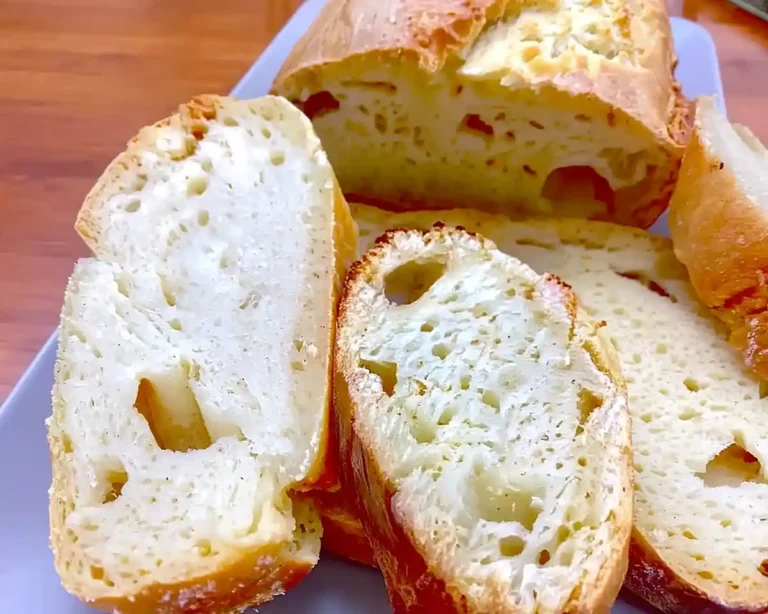
Once your easy gluten free sourdough starter is ready, the baking world is your oyster. Start simple with sourdough pancakes or crackers before tackling a full loaf.
Pair your homemade sourdough bread with hearty soups, use it for sandwiches, or toast it and slather it with butter and jam. The tangy flavor complements both sweet and savory dishes beautifully.
If you’re feeding a hungry family, try making easy gluten-free chicken taquitos alongside your fresh bread for a satisfying meal.
Variations and Dietary Adjustments
For extra nutrition: Try using teff or amaranth flour—both are protein-packed and add wonderful depth of flavor to your gluten free sourdough starter.
Kid-friendly approach: Let your little ones help with the daily feedings. They’ll love watching the bubbles grow and feeling like kitchen scientists.
Dairy-free: This recipe is naturally dairy-free, making it perfect for multiple dietary needs.
Frequently Asked Questions
Can a sourdough starter be made with gluten free flour?
Absolutely! A gluten free sourdough starter works beautifully with whole grain gluten-free flours like sorghum, buckwheat, brown rice, teff, millet, or quinoa. The wild yeast and bacteria thrive just as well without gluten.
Can sourdough be made without gluten?
Yes, definitely. When you create a gluten free sourdough starter using certified gluten-free flours, your resulting bread and baked goods will be completely gluten-free. The fermentation process works the same way—it just takes a slightly different approach.
What flours are best for gluten-free sourdough?
Whole grain flours work best because they contain more nutrients and natural yeasts. Sorghum, buckwheat, and brown rice flour are the most beginner-friendly options. Teff and millet also create excellent starters with unique flavor profiles.
How does sourdough become gluten-free?
Sourdough becomes gluten-free when you use 100% gluten-free flours instead of wheat flour. Traditional sourdough contains gluten because it’s made with wheat, but by substituting with gluten-free whole grains, you create an easy gluten free sourdough starter that’s safe for gluten-free diets.

Final Thoughts
Learning how to make a gluten-free sourdough starter might feel like a commitment, but honestly? It’s one of the most rewarding kitchen projects you’ll tackle.
There’s something magical about watching flour and water transform into something alive and useful. And once you’ve got your starter bubbling away, you’ll have a lifetime baking companion.
Be patient with yourself and your starter. Some days it’ll bubble like crazy, other days it might seem sluggish—that’s totally normal.
Happy fermenting, friend. Your kitchen is about to smell amazing.
How to Make a Gluten-Free Sourdough Starter
Equipment
- Glass or ceramic bowl
- Wooden or plastic spoon
- Kitchen scale
- Paper plate or breathable cover
- Wide-mouthed jar with lid
Ingredients
- 290 grams whole grain gluten-free flour sorghum, buckwheat, brown rice, amaranth, teff, millet, or quinoa
- 420 grams water filtered or bottled preferred
Instructions
- Day 1: In a clean glass or ceramic bowl, add 50 grams of whole grain flour of your choice and 60 grams of water. Stir the mixture until it resembles thick pancake batter. If it’s too thick, add another 10 grams of water. Loosely cover the bowl with a paper plate and leave it on your counter for 24 hours.
- Day 2: Add 30 grams of whole grain flour and 40 grams of water to what’s already in the bowl. Stir to combine. Loosely cover the bowl and leave it on your counter for 24 hours.
- Days 3-4: Continue with the previous day’s feeding (30 grams of whole grain flour and 40 grams of water) for both days. Loosely cover the bowl and leave it on your counter for 24 hours each day.
- Day 5: Remove the cover and discard roughly half the starter (no need to measure). Feed the starter with 30 grams of flour and 40 grams of water. Loosely cover the bowl and leave it for 24 hours.
- Day 6: Remove the cover and feed with 30 grams of flour and 40 grams of water (do not discard). Cover loosely and leave for 24 hours.
- Day 7: Remove the cover, discard roughly half the starter, and feed with 30 grams of flour and 40 grams of water. Cover loosely and leave for 24 hours.
- Day 8: Remove the cover and feed with 30 grams of flour and 40 grams of water (no discard). Cover loosely and leave for 24 hours.
- Day 9: Remove the cover, discard half, and feed with 30 grams of flour and 40 grams of water. Cover loosely and leave for 24 hours.
- Day 10: By now, your starter should look very bubbly and have a pleasant sour aroma. Spoon it into a wide-mouthed jar with a tight-fitting lid and place the jar in the refrigerator until you’re ready to bake with it.