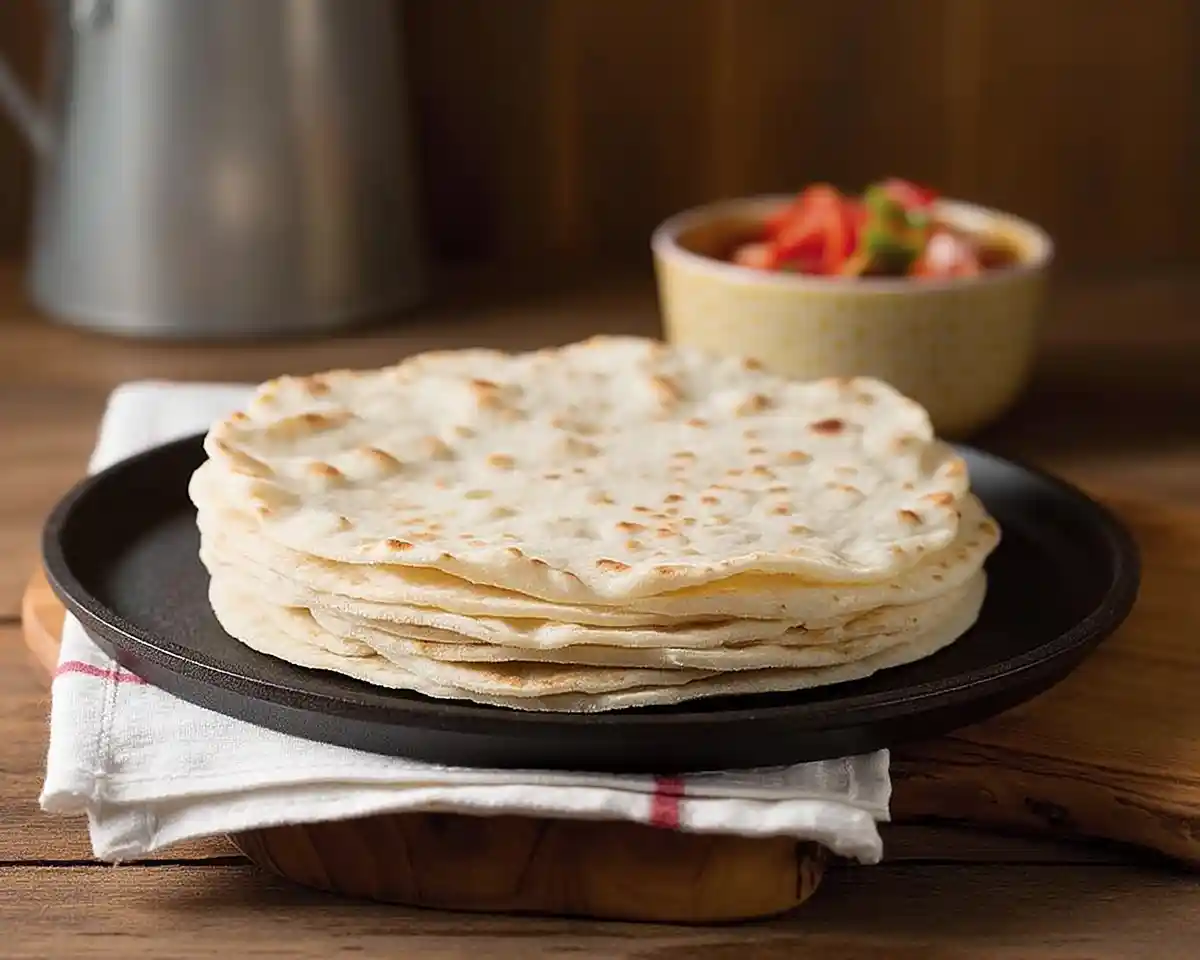
How to Make Gluten-Free Flour Tortillas
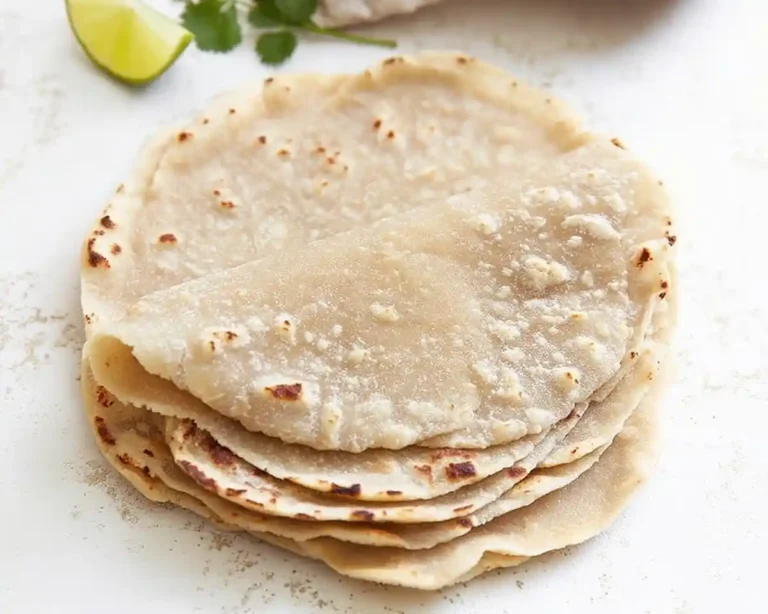
Learn how to make gluten-free flour tortillas at home with this easy recipe. Soft, flexible wraps ready in under an hour—perfect for busy families and gluten-free beginners!
You know that moment when you’re standing in the grocery store gluten-free aisle, staring at a $6 package of tortillas with a sigh? Man, oh man, I’ve been there too. Making your own gluten-free flour tortillas at home is honestly easier than you’d think, and the taste? It’s worlds apart from store-bought.
I grew up watching my grandmother make fresh tortillas on her cast-iron griddle, and when I went gluten-free a few years back, I was determined not to give up that warm, pillowy experience. After lots of testing and a few “oops” moments (more on those later!), I cracked the code. Now I make these beauties almost every week for taco night, wraps, and quick lunches.
The best part? How to make gluten-free flour tortillas doesn’t require fancy equipment or obscure ingredients. If you can mix dough and use a rolling pin, you’ve got this.
Table of Contents
How to Make Gluten-Free Flour Tortillas
Equipment
- Large mixing bowl
- Whisk
- Fork
- Rolling Pin
- Bench scraper or knife
- 10-12 inch cast-iron or nonstick skillet
- Wide spatula
- 8-inch cake cutter or pizza wheel
- Tea towels or tortilla warmer
- Plastic wrap
Ingredients
Dry Ingredients
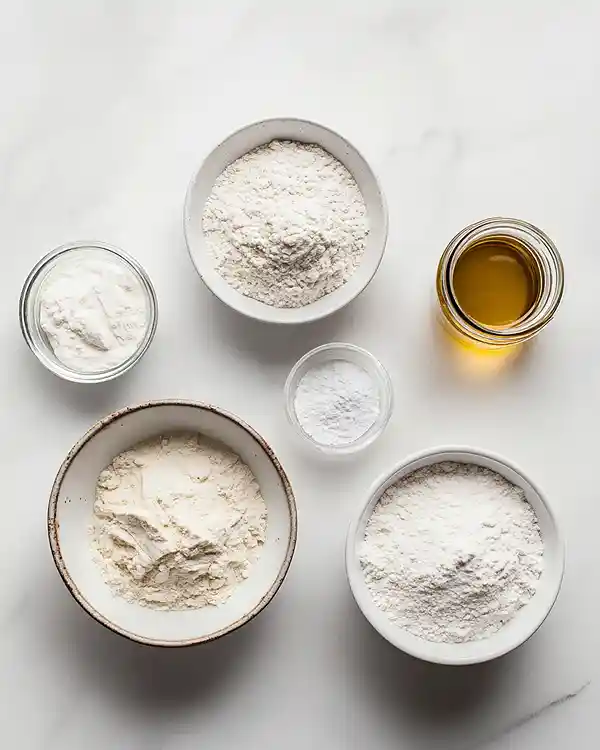
- 1½ cups all-purpose gluten-free flour blend See recipe notes for blend recommendations
- 1 teaspoon xanthan gum omit if your blend already contains it
- ⅔ cup tapioca starch/flour plus more for sprinkling
- 1½ teaspoons baking powder
- 1 teaspoon kosher salt
Wet Ingredients
- 4 tablespoons virgin coconut oil 48 g
- ¾ cup warm water 6 ounces, plus more by the drop as necessary
Instructions
- In a large bowl, whisk together the all-purpose gluten-free flour blend, xanthan gum, tapioca starch, baking powder, and salt until well combined. This dry mix is your foundation—don’t skip the whisking, as it helps distribute the xanthan gum evenly.
- Add the coconut oil to the dry mixture and toss it in using the tines of a fork. Break up the fat into small, sandy pieces until the texture resembles coarse breadcrumbs. This step ensures your tortillas stay tender and pliable.
- Create a well in the center of your mixture, pour in the warm water, and mix until the dough comes together into a thick, shaggy mass. If you see dry crumbles, add water one drop at a time—patience here prevents dense, tough tortillas.
- Knead the dough gently until it forms a smooth ball, then cover it with a moist tea towel or plastic wrap. Let it rest for 20 to 30 minutes at room temperature so the dough absorbs moisture and becomes easier to work with. You can also refrigerate it in plastic wrap for up to 3 days if you prefer easier handling later.
- Sprinkle your work surface generously with tapioca starch—this prevents sticking better than regular flour ever could. Place one piece of dough on the surface and sprinkle the top with more tapioca, spreading it all around.
- Using a bench scraper or knife, divide the rested dough into four equal pieces. Cover the pieces you’re not working with a moist tea towel to prevent them from drying out while you shape.
- Working with one piece at a time, use a rolling pin to roll the dough out to about ¼-inch thickness. If the dough feels smooth and pliable, you’re ready to move forward—if it looks cracked or rough, gather it up, sprinkle with more tapioca, and roll again until silky.
- Continue rolling each piece until it’s just over ⅛-inch thick and at least 9 inches in diameter (you’ll cut 8-inch rounds from each). Sprinkle tapioca frequently and move the dough around to prevent sticking or tearing.
- Using an 8-inch cake cutter, pizza wheel, or sharp knife, cut out a neat round from each piece of dough. Stack the cut tortillas on top of one another, sprinkling each with a little extra tapioca to prevent them from sticking together.
- Gather all the scraps and set them aside with your remaining dough pieces. After you’ve worked with at least two pieces, reroll all the scraps together to create additional tortillas—you’ll get up to two more from the scraps.
- Heat your cast-iron or nonstick skillet (10 to 12 inches) over medium-high heat until it’s hot enough to sizzle when you flick water on it. This temperature is crucial for proper browning and those signature charred spots.
- Place one tortilla round in the center of the hot skillet and cook for about 45 seconds, until bubbles start appearing on the underside. The dough should feel slightly set but still pliable.
- Flip the tortilla gently using a wide spatula and cook the other side for about 30 seconds more, until bubbles form and the tortilla dries out slightly. As it cooks, press down lightly on the top to help it develop even heat and that beautiful sear.
- If needed, flip back to the first side for a few extra seconds to ensure it’s cooked through and has a light, charred appearance. Remove each finished tortilla and place it on a clean tea towel or in a tortilla warmer, covering it to keep it warm and soft.
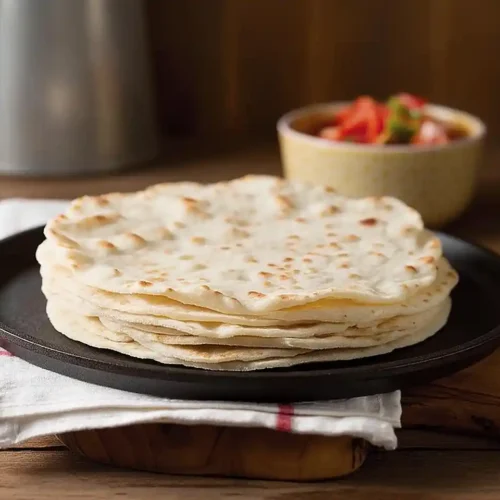
- Repeat with all remaining dough pieces, including your rerolled scraps. You’ll end up with 6 beautiful, homemade gluten-free flour tortillas ready for anything your week throws at you.
Notes
How to Make Gluten-Free Flour Tortillas Ingredients
| Ingredient | Amount |
|---|---|
| All-purpose gluten-free flour blend | 1 ½ cups (210 g) |
| Xanthan gum | 1 teaspoon (omit if blend contains it) |
| Tapioca starch/flour | ⅔ cup (80 g), plus more for sprinkling |
| Baking powder | 1 ½ teaspoons |
| Kosher salt | 1 teaspoon |
| Virgin coconut oil | 4 tablespoons (48 g) |
| Warm water | ¾ cup (6 ounces), plus more as needed |
How to Make Gluten-Free Flour Tortillas Instructions
Make the Tortilla Dough
Step 1: In a large bowl, whisk together the all-purpose gluten-free flour blend, xanthan gum, tapioca starch, baking powder, and salt until well combined. This dry mix is your foundation—don’t skip the whisking, as it helps distribute the xanthan gum evenly.
Step 2: Add the coconut oil to the dry mixture and toss it in using the tines of a fork. Break up the fat into small, sandy pieces until the texture resembles coarse breadcrumbs. This step ensures your tortillas stay tender and pliable.
Step 3: Create a well in the center of your mixture, pour in the warm water, and mix until the dough comes together into a thick, shaggy mass. If you see dry crumbles, add water one drop at a time—patience here prevents dense, tough tortillas.
Step 4: Knead the dough gently until it forms a smooth ball, then cover it with a moist tea towel or plastic wrap. Let it rest for 20 to 30 minutes at room temperature so the dough absorbs moisture and becomes easier to work with. (Pro tip: You can also refrigerate it in plastic wrap for up to 3 days if you prefer easier handling later.)
Shape the Dough
Step 5: Sprinkle your work surface generously with tapioca starch—this prevents sticking better than regular flour ever could. Place one piece of dough on the surface and sprinkle the top with more tapioca, spreading it all around.
Step 6: Using a bench scraper or knife, divide the rested dough into four equal pieces. Cover the pieces you’re not working with a moist tea towel to prevent them from drying out while you shape.
Step 7: Working with one piece at a time, use a rolling pin to roll the dough out to about ¼-inch thickness. If the dough feels smooth and pliable, you’re ready to move forward—if it looks cracked or rough, gather it up, sprinkle with more tapioca, and roll again until silky.
Step 8: Continue rolling each piece until it’s just over ⅛-inch thick and at least 9 inches in diameter (you’ll cut 8-inch rounds from each). Sprinkle tapioca frequently and move the dough around to prevent sticking or tearing.
Step 9: Using an 8-inch cake cutter, pizza wheel, or sharp knife, cut out a neat round from each piece of dough. Stack the cut tortillas on top of one another, sprinkling each with a little extra tapioca to prevent them from sticking together.
Step 10: Gather all the scraps and set them aside with your remaining dough pieces. After you’ve worked with at least two pieces, reroll all the scraps together to create additional tortillas—you’ll get up to two more from the scraps.
Cook the Tortillas
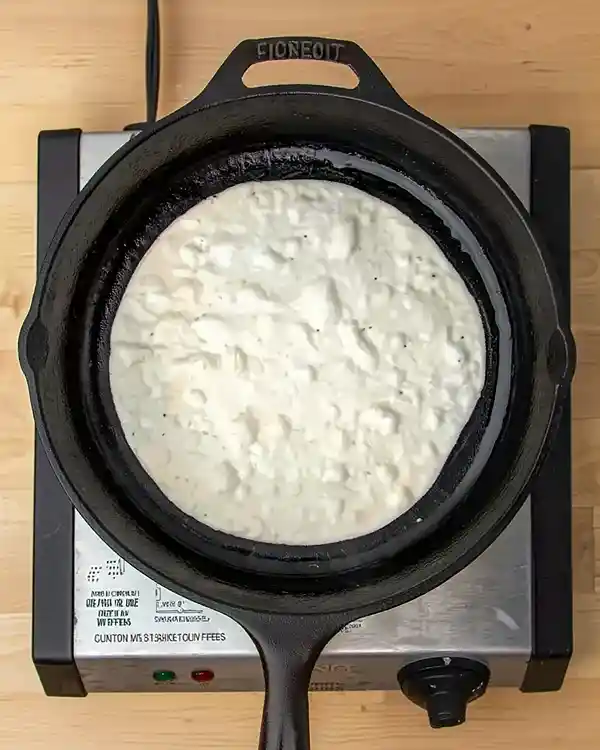
Step 11: Heat your cast-iron or nonstick skillet (10 to 12 inches) over medium-high heat until it’s hot enough to sizzle when you flick water on it. This temperature is crucial for proper browning and those signature charred spots.
Step 12: Place one tortilla round in the center of the hot skillet and cook for about 45 seconds, until bubbles start appearing on the underside. The dough should feel slightly set but still pliable.
Step 13: Flip the tortilla gently using a wide spatula and cook the other side for about 30 seconds more, until bubbles form and the tortilla dries out slightly. As it cooks, press down lightly on the top to help it develop even heat and that beautiful sear.
Step 14: If needed, flip back to the first side for a few extra seconds to ensure it’s cooked through and has a light, charred appearance. Remove each finished tortilla and place it on a clean tea towel or in a tortilla warmer, covering it to keep it warm and soft.
Step 15: Repeat with all remaining dough pieces, including your rerolled scraps. You’ll end up with 6 beautiful, homemade gluten-free flour tortillas ready for anything your week throws at you.
Substitutions for How to Make Gluten-Free Flour Tortillas
Alternative Flour Blends
Not all gluten-free flour blends are created equal, and swapping brands can slightly affect your results. If your blend already contains xanthan gum, skip the extra teaspoon—too much can make tortillas gummy. Try different blends from trusted brands and note which one gives you the texture you love.
Replacing Coconut Oil
If you’re not a coconut oil fan or need a neutral flavor, butter works beautifully in a 1:1 swap. You could also try vegetable oil or avocado oil, though they’ll make the dough slightly less flaky. Keep the amount the same and you’ll be golden.
Using Cornstarch Instead of Tapioca
Cornstarch works as a dusting agent and even in the dough itself, though it can make tortillas slightly less chewy. If you substitute it in the ingredient list, use the same amount, but be aware the texture might shift a touch—test with one tortilla first.
Dairy-Free or Vegan Adjustment
Coconut oil is already plant-based, so this recipe is naturally vegan-friendly. If you’re avoiding coconut, swap in any neutral oil or vegan butter at the same ratio. Your tortillas will still be soft and delicious.
Troubleshooting Tips for Flour Tortillas
Dough Is Too Dry or Crumbly
If your dough won’t hold together after mixing, add water one drop at a time and mix gently. Gluten-free flour absorbs moisture differently depending on humidity in your kitchen—this is totally normal. The dough should feel soft but not sticky, like a gentle hug in your hands.
Tortillas Are Tough or Rubbery
This usually means either too much xanthan gum, overworking the dough, or cooking at too high a temperature. Double-check your gum amount and avoid kneading aggressively—gluten-free dough needs a gentler touch. Also, make sure your skillet isn’t scorching hot; medium-high (not screaming hot) is the sweet spot.
Dough Cracks When Rolling
Cracks happen when the dough is too dry or hasn’t rested long enough. Make sure you’re letting it rest the full 20–30 minutes and adding tapioca liberally as you roll. If cracks appear, gather the piece, add a sprinkle of tapioca, and roll again—it’ll smooth right out.
Tortillas Won’t Puff or Bubble
Bubbles mean your skillet is hot enough and the dough is hydrated properly. If you’re not seeing them, your skillet might not be reaching the right temperature (test with a water droplet first), or your dough might need a touch more water. Make tiny adjustments and cook a test tortilla.
Storage and Meal Prep for Gluten-Free Flour Tortillas
Short-Term Storage
Keep your warm tortillas wrapped in a clean tea towel or inside a tortilla warmer for a few hours—this traps steam and keeps them soft and pliable. Once they cool completely, transfer the stack (still wrapped) into a plastic bag or airtight container. They’ll stay fresh at room temperature for up to 2 days, though they’re best the day you make them.
Freezing for Later
Allow your tortillas to cool completely to room temperature before freezing. Stack them, wrap tightly in freezer-safe plastic wrap or parchment paper (separating each with a small square of parchment prevents sticking), and freeze for up to 3 months. Defrost at room temperature and warm them in a dry, hot skillet for 15–20 seconds per side to refresh their texture before serving.
Serving Suggestions and Pairings
These gluten-free flour tortillas are incredibly versatile and work beautifully for breakfast burritos loaded with scrambled eggs and veggies, or dinner tacos topped with seasoned ground beef and fresh cilantro. They’re sturdy enough to hold hearty fillings but tender enough for simple spreads like hummus and sliced veggies.
Try wrapping them around roasted chicken and avocado for a quick lunch, or use them as the base for quesadillas stuffed with cheese and peppers. On holidays like Cinco de Mayo or casual taco Tuesday, these homemade gluten-free wraps outshine store-bought every single time.
Variations For Low Carb Low Fat Recipes
Kid-Friendly Version
Children often love these tortillas simply spread with nut butter and banana or filled with their favorite cheese. Since the dough doesn’t contain eggs or dairy, most kids with gluten-free needs can enjoy them without worry. You might also let little ones help with the rolling and cooking—it’s a fun, confidence-building kitchen project.
Low-Carb or Low-Calorie Option
To reduce carbs, replace the all-purpose gluten-free flour blend with a low-carb flour blend designed for baking, keeping the xanthan gum and adjusting water as needed. The texture will differ slightly, so test your first batch and jot down notes for next time. These adjusted tortillas work great for keto or lower-carb eating styles.
Whole Grain or Nutrient-Boosted Version
You can swap up to ¼ cup of your gluten-free flour blend with ground flaxseed or psyllium husk for added fiber, though this will change the texture. Well, we’d suggest testing with just 2 tablespoons at first and adjusting water as the dough absorbs differently.
FAQs About How to Make Gluten-Free Flour Tortillas
Can you make flour tortillas out of gluten-free flour?
Absolutely! Gluten-free flour tortillas are totally achievable with the right blend, a bit of xanthan gum, and tapioca starch for structure. The key is patience while rolling and not overworking the dough, which can make them tough.
What are gluten-free tortillas made of?
Most homemade versions combine a gluten-free flour blend (rice, tapioca, and other starches), xanthan gum for binding, tapioca starch for rolling, baking powder for lift, fat for tenderness, salt, and water. Some store-bought versions add extra additives, but homemade lets you control every ingredient.
How to make gluten-free tortilla wraps?
Follow this recipe exactly—the proportions are already balanced for sturdy-yet-tender wraps. The tapioca starch is essential for preventing sticking without adding extra flour, which would toughen them. Cook on medium-high heat and you’ll get flexible, pliable wraps every time.
Can gluten-free people have flour tortillas?
Yes, as long as they’re made with certified gluten-free ingredients and prepared in a clean kitchen without cross-contamination. This homemade version gives you total control over ingredient safety, which is a huge plus for anyone managing celiac disease or gluten sensitivity.
Why do these tortillas sometimes turn out dense?
Dense tortillas usually stem from too much flour, not enough water, or overworking the dough during kneading. Remember that how to make gluten-free flour tortillas successfully requires a lighter touch than traditional dough—gentle mixing and resting are your best friends.
What are common mistakes using gluten-free flour?
The biggest slip-up is forgetting to check if your blend already contains xanthan gum before adding extra (too much makes everything gummy). Another common misstep is skipping the rest period or not adding enough liquid—gluten-free flour blends need hydration and time to come together properly.
Final Tips for Success
You’ve got this! Making gluten-free flour tortillas might feel intimidating the first time, but honestly, once you nail it, you’ll wonder why you ever bought them. Every kitchen is different—humidity, ingredient brands, and even your stove’s personality all play a role.
Start by following the recipe exactly once, then make notes on what worked for you. Did your blend need a touch more water? Did your skillet cook hotter than expected? These tiny details become your personal playbook for next time.
For more ideas on what to fill your homemade tortillas with, check out our guides on easy dairy-free dessert ideas and beginner-friendly baking tips. And if you’re looking to expand your gluten-free recipe collection, our complete gluten-free cookie collection has plenty of inspiring options.
About Gluten-Free Baking Success
For more science-backed insights into gluten-free flour behavior and expert baking science resources, King Arthur Baking Company offers trusted guidance on how different starches and binding agents work. Additionally, understanding authoritative nutrition research from the Celiac Disease Foundation helps ensure your homemade low carb low fat recipes and wraps meet your dietary needs safely.