
How to Make Gluten-Free Pancakes
Learn how to make gluten-free pancakes with Bob’s Red Mill flour! This easy recipe creates fluffy pancakes in 20 minutes. Perfect for fast gluten-free breakfast for busy families.
There’s something magical about the smell of pancakes cooking on a Sunday morning, right? That’s exactly what I thought when I first tackled how to make gluten-free pancakes without missing out on that fluffy, golden-brown perfection.
Here’s the beautiful truth: learning how to make gluten-free pancakes doesn’t require special talents or fancy equipment. With a quality gluten-free flour like Bob’s Red Mill 1-to-1 flour, you’re already halfway there. This fast gluten-free breakfast comes together in about 20 minutes, feeds your whole crew, and tastes like the real deal.
You know what I love most? This recipe proves that gluten-free doesn’t mean sacrifice—it means discovering a new favorite family tradition.
Table of Contents
Ingredients
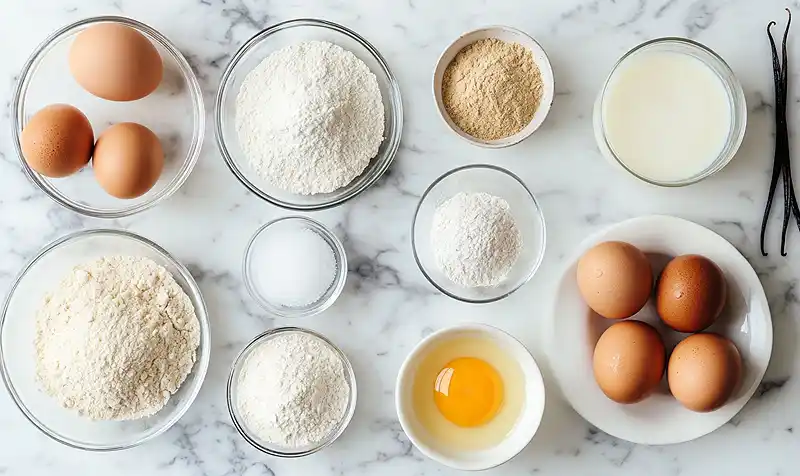
| Ingredient | Amount |
|---|---|
| Gluten-free flour (Bob’s Red Mill 1-to-1) | 2 cups |
| Sugar | 4 tablespoons |
| Baking powder (aluminum-free) | 1 tablespoon |
| Sea salt | 1 teaspoon |
| Unsalted butter, melted | 4 tablespoons |
| Whole milk | 1½–2 cups (start with 1½) |
| Vanilla extract | 2 teaspoons |
| Large eggs | 2 |
| Canola oil or butter for the pan | As needed |
Instructions
Step 1: In a large mixing bowl, whisk together your gluten-free flour, sugar, baking powder, and sea salt until everything is evenly distributed. Take a moment to break up any small clumps in the flour—this helps your pancakes with gluten-free flour turn out smooth and tender.
Step 2: Grab a large measuring cup and melt the butter in your microwave for about 45 seconds. Once melted, add the milk to the warm butter and microwave for another 45 seconds so the butter stays liquid but doesn’t cook the eggs you’re about to add.
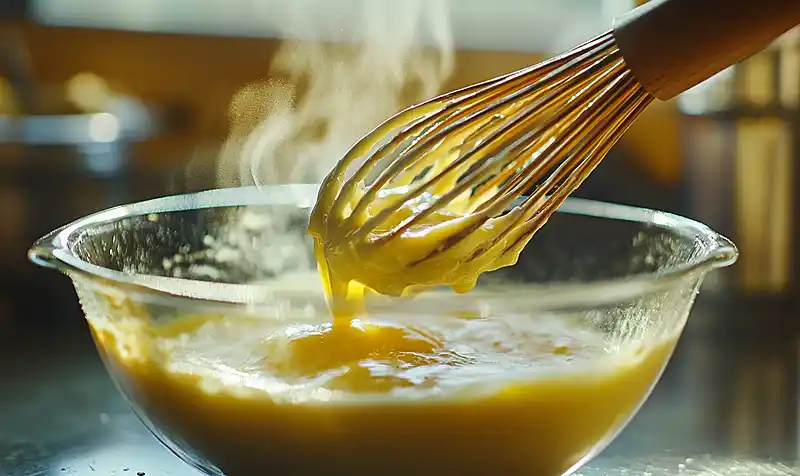
Step 3: Stir the vanilla extract into the warm milk and butter mixture. Then whisk in your two eggs until the mixture is smooth and well-combined—you want no streaks of egg white visible.
Step 4: Pour your liquid ingredients into the dry mixture and stir until just combined, leaving small lumps throughout the batter. These little lumps are actually your secret to tender pancakes, so don’t be tempted to overmix—your fast gluten-free breakfast depends on it. If the batter seems too thick to pour, add milk one splash at a time.
Step 5: Heat your favorite frying pan or griddle over medium heat and lightly spray with canola oil or add a small pat of butter. You’ll know it’s ready when a drop of water sizzles—that means your pancakes are about to get golden and gorgeous.
Step 6: Use a ¼ cup measuring cup to pour circles of batter onto your hot pan, spacing them so they have room to spread slightly. Wait patiently until the middles are bubbly and the edges begin to look set—this usually takes 2–3 minutes and signals it’s time to flip.
Step 7: Flip your pancakes gently and cook for about one additional minute until they’re cooked through and the bottom is lightly golden. You want that perfect balance of a tender, fluffy interior with just a touch of color on the outside—that’s how to make gluten-free pancakes that rival their wheat-based cousins.
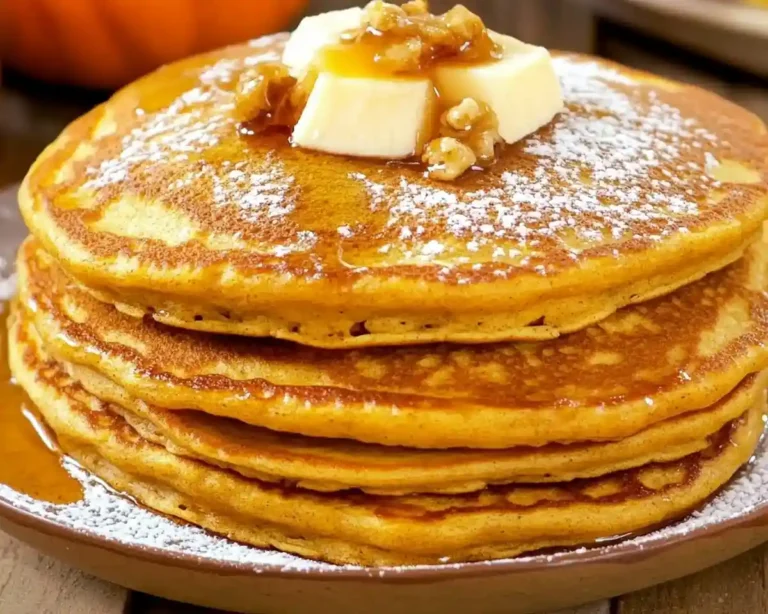
Step 8: Serve your pancakes fresh and warm with your favorite fruit, a generous pour of maple syrup, or any toppings your heart desires. They taste best when eaten right off the griddle while they’re still steaming.
Substitutions
Using a different gluten-free flour blend: If you don’t have Bob’s Red Mill 1-to-1 flour, you can use most other gluten-free flour blends designed for baking at a 1-to-1 ratio. Just know that some blends absorb liquid differently, so you might need to adjust milk slightly—start with what the recipe calls for and add more if needed.
Swapping butter for coconut oil: You can replace the melted butter with an equal amount of melted coconut oil for pancakes with gluten-free flour that have a subtle coconut flavor. The texture stays fluffy and wonderful, and this swap works beautifully for dairy-free diets.
Replacing whole milk with alternative options: Almond milk, oat milk, or soy milk work wonderfully in how to make gluten-free pancakes—just use the same amount. Keep in mind that these alternatives don’t have the same richness as whole milk, so you might want to add an extra egg for moisture.
Making it egg-free: Combine 2 tablespoons of aquafaba (liquid from a can of chickpeas) with 2 tablespoons of water to replace each egg as a binder in pancakes with gluten-free flour. The pancakes will be slightly less fluffy but still delicious and plant-based.
If you’re curious about exploring savory gluten-free options, our crispy Korean vegetable pancake recipe shows how versatile gluten-free cooking can be beyond the sweet side of breakfast. For more naturally sweetened treats, discover our trusted guide to baking with alternative sweeteners in every recipe category.
Troubleshooting Tips
Pancakes are coming out dense instead of fluffy: This usually means overmixing the batter, which activates proteins in the gluten-free flour and creates a tougher crumb. Mix only until the dry and wet ingredients are combined—lumps in the batter are perfectly okay and actually create lift.
Batter is too thick to pour: Your fast gluten-free breakfast batter should have the consistency of thick cake batter that flows slowly. Add milk one splash at a time (about 2 tablespoons) until you reach a pourable consistency, then stop.
Pancakes are browning too quickly on the outside but raw inside: Lower your heat to medium-low and give them more time to cook through before flipping. Gluten-free flour sometimes browns faster, so patience is your friend here.
The edges look dry or crispy: This happens when the pan is too hot or the pancakes cook too long. Lower your heat slightly and flip when the bubbles appear—don’t wait for the edges to look completely set.
Storage & Meal Prep
For same-day serving: Stack your finished pancakes on a plate and tent them loosely with aluminum foil while you cook the rest of the batch. They’ll stay warm and fluffy for about 10 minutes using this method.
Storing leftover batter: Let the remaining batter cool completely, then pour it into an airtight container and refrigerate for 2–3 days. When you’re ready for a fast gluten-free breakfast, simply warm your pan and scoop batter straight from the fridge—no stirring needed.
Freezing cooked pancakes: Cool the pancakes completely, then layer them between parchment paper in a freezer bag and freeze for up to one month. Pop them into your toaster or toaster oven at 350°F for 5–7 minutes to reheat, and they’ll taste just-made.
Make-ahead Sunday prep: Double or triple this batch on Sunday and freeze individual stacks in portions of three or four pancakes. Your busy weekday mornings just got so much easier with grab-and-go gluten-free pancakes ready to heat and serve.
Serving Suggestions & Pairings
Fresh berries like strawberries, blueberries, or raspberries are the classic topping that brings brightness and nutrition to your stack of how to make gluten-free pancakes perfectly. Arrange them on top right after cooking or warm them gently in a small saucepan with a splash of maple syrup.
A generous drizzle of warm maple syrup is traditional for a reason, but don’t overlook creamy almond butter, Greek yogurt, or even a dollop of whipped cream for indulgent weekend pancakes. These pancakes with gluten-free flour also pair beautifully with crispy bacon or savory sausage links.
Whipped cream with fresh lemon zest brings a sophisticated touch that your family will adore, and it transforms a simple breakfast into something special. Well, that’s my trick for making any fast gluten-free breakfast feel fancy without extra effort.
Pair your stack with a warm cup of coffee or hot chocolate, fresh juice, or a smoothie for a complete, balanced breakfast that keeps everyone satisfied until lunch. The protein from the eggs and the carbs from the flour create lasting energy.
Variations
Blueberry version: Fold about ¾ cup of fresh or frozen blueberries into your batter just before cooking pancakes with gluten-free flour for a burst of color and flavor. Use frozen berries straight from the freezer—no thawing needed—so they don’t break down into the batter.
Banana-added pancakes: Mash one ripe banana and whisk it into your wet ingredients before combining with the dry mixture for pancakes with gluten-free flour that are naturally sweeter. You might need to reduce the sugar by 1–2 tablespoons since banana adds sweetness.
Cinnamon and spice variation: Add 1 teaspoon of ground cinnamon and ¼ teaspoon of nutmeg to your dry ingredients for warm, cozy pancakes with gluten-free flour perfect for fall mornings. Man, oh man, these are especially wonderful when the weather turns cooler.
Chocolate chip pancakes: Sprinkle about ½ cup of chocolate chips onto the batter right after you pour it onto the hot pan, then flip when bubbles appear. The chips melt into little pockets of chocolate throughout, making this fast gluten-free breakfast feel like dessert for breakfast.
Dairy-free version: Swap the butter for coconut oil and the milk for unsweetened almond or oat milk while keeping everything else the same. Use a flax egg (1 tablespoon ground flaxseed mixed with 3 tablespoons water) instead of regular eggs if you need them completely plant-based.
How to Make Gluten-Free Pancakes FAQs
Can I prepare the batter the night before?
Absolutely! Mix your dry ingredients in a container and your wet ingredients in another, then combine them in the morning right before cooking. Prepared this way, you’ve got a fast gluten-free breakfast ready to hit the griddle in minutes.
Why is my gluten-free flour batter different from regular flour pancake batter?
Gluten-free flour absorbs liquid differently than wheat flour, so the batter is naturally thicker and a bit grainier. This is completely normal and actually helps pancakes with gluten-free flour stay tender instead of tough.
How do I know when to flip my pancakes?
Wait until bubbles form on the surface and the edges start to look set—usually 2–3 minutes. If you flip too early, they’ll fall apart, so patience is key to learning how to make gluten-free pancakes successfully.
Can I use self-rising gluten-free flour instead of Bob’s Red Mill 1-to-1?
You can, but you’ll need to reduce the baking powder since self-rising flour already contains it. Start with 1 teaspoon of baking powder instead of 1 tablespoon and adjust from there.
What’s the best way to reheat frozen pancakes?
Pop them straight into your toaster or toaster oven at 350°F for 5–7 minutes until warm and slightly crispy on the edges. This method brings back that just-made texture better than the microwave.
Why do my pancakes spread too much on the griddle?
This usually means the batter is too thin or your pan is too hot, causing it to spread rapidly. Make sure your batter is thick enough to flow slowly, and check that your heat is at medium, not medium-high.
Final Thoughts
Once you master how to make gluten-free pancakes with this recipe, you’ll wonder why you ever stressed about it. These pancakes with gluten-free flour prove that simple technique and quality ingredients—like Bob’s Red Mill 1-to-1 flour—create results that taste just as amazing as traditional pancakes.
Whether you’re feeding a hungry family on a hectic weekday or enjoying a leisurely weekend brunch, this fast gluten-free breakfast delivers warmth, comfort, and genuine deliciousness every single time.
Learn more about authoritative nutrition science behind whole grains from Harvard School of Public Health to understand why quality gluten-free flour makes such a difference in pancakes with gluten-free flour.

How to Make Gluten-Free Pancakes
Equipment
- Large mixing bowl
- Large measuring cup
- Whisk
- Microwave
- Frying pan or griddle
- Spatula
- 1/4 cup measuring cup
Ingredients
Dry Ingredients
- 2 cups gluten-free flour Bob’s Red Mill 1-to-1
- 4 tablespoons sugar
- 1 tablespoon baking powder aluminum-free
- 1 teaspoon sea salt
Wet Ingredients
- 4 tablespoons unsalted butter, melted
- 1.5 cups whole milk start with 1.5 cups and add more as needed
- 2 teaspoons vanilla extract
- 2 large eggs
For Cooking
- canola oil or butter for the pan as needed
Instructions
- In a large mixing bowl, whisk together your gluten-free flour, sugar, baking powder, and sea salt until everything is evenly distributed. Take a moment to break up any small clumps in the flour—this helps your pancakes with gluten-free flour turn out smooth and tender.
- Grab a large measuring cup and melt the butter in your microwave for about 45 seconds. Once melted, add the milk to the warm butter and microwave for another 45 seconds so the butter stays liquid but doesn’t cook the eggs you’re about to add.
- Stir the vanilla extract into the warm milk and butter mixture. Then whisk in your two eggs until the mixture is smooth and well-combined—you want no streaks of egg white visible.
- Pour your liquid ingredients into the dry mixture and stir until just combined, leaving small lumps throughout the batter. These little lumps are actually your secret to tender pancakes, so don’t be tempted to overmix—your fast gluten-free breakfast depends on it. If the batter seems too thick to pour, add milk one splash at a time.
- Heat your favorite frying pan or griddle over medium heat and lightly spray with canola oil or add a small pat of butter. You’ll know it’s ready when a drop of water sizzles—that means your pancakes are about to get golden and gorgeous.
- Use a 1/4 cup measuring cup to pour circles of batter onto your hot pan, spacing them so they have room to spread slightly. Wait patiently until the middles are bubbly and the edges begin to look set—this usually takes 2–3 minutes and signals it’s time to flip.
- Flip your pancakes gently and cook for about one additional minute until they’re cooked through and the bottom is lightly golden. You want that perfect balance of a tender, fluffy interior with just a touch of color on the outside—that’s how to make gluten-free pancakes that rival their wheat-based cousins.
- Serve your pancakes fresh and warm with your favorite fruit, a generous pour of maple syrup, or any toppings your heart desires. They taste best when eaten right off the griddle while they’re still steaming.