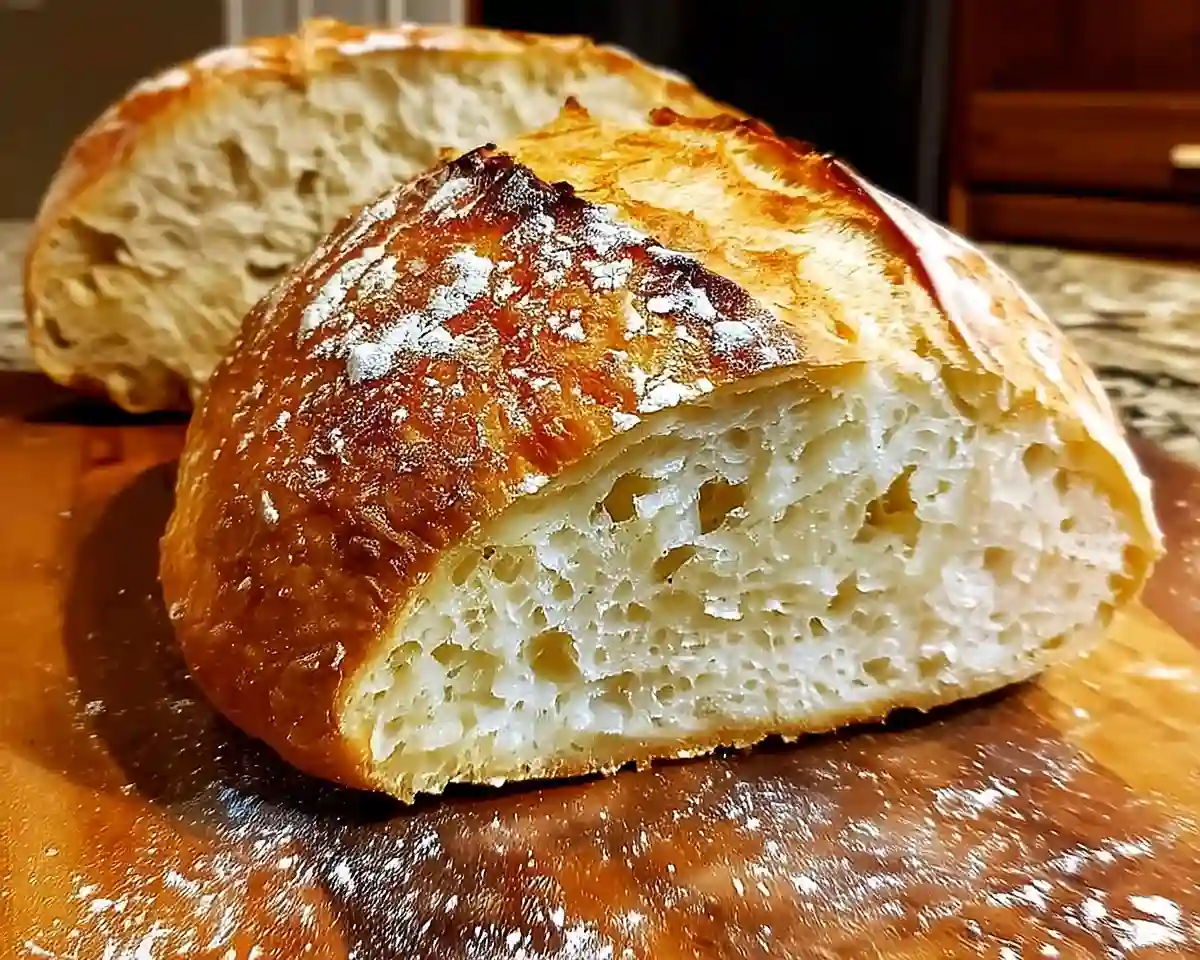
No Knead Gluten Free Bread
Learn to make perfect No Knead Gluten Free Bread with simple ingredients and zero stress. This beginner-friendly recipe creates crusty, fluffy bread every time!
You know what? I never thought I’d be able to pull fresh, crusty bread from my oven after going gluten-free. The smell of yeast and warmth filling my kitchen felt like a distant memory—until I discovered this no knead gluten free bread recipe.
This simple approach changed everything for my family. No fancy stand mixer, no complicated kneading technique, just basic pantry ingredients and a little patience while the dough works its magic.
Whether you’re navigating gluten free recipes simple enough for busy weeknights or searching for the perfect bread with gluten free flour that actually tastes like real bread, this recipe delivers. It’s become my go-to for everything from morning toast to holiday dinner rolls, and I’m betting it’ll become yours too.
Table of Contents
No Knead Gluten Free Bread
Equipment
- Large mixing bowl
- Whisk
- Wooden spoon or spatula
- Kitchen towel or plastic wrap
- Dutch oven with lid
- Parchment paper
- Wire cooling rack
- Oven mitts
Ingredients
- 2 cups gluten-free all-purpose flour
- 1 teaspoon salt
- 1 teaspoon instant yeast
- 1 tablespoon sugar or honey
- 1 ½ cups warm water around 110°F
- 1 tablespoon olive oil for added flavor
Instructions
- In a large bowl, combine the gluten-free flour, salt, instant yeast, and sugar. Whisk them together gently to ensure even distribution throughout the mixture. This step helps activate the yeast evenly and prevents salty spots in your finished no knead gluten free bread.
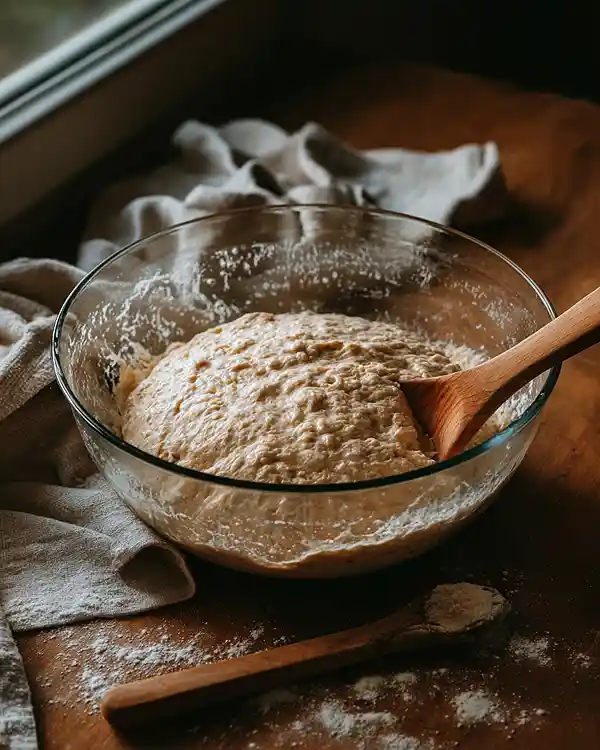
- Pour in the warm water (around 110°F works perfectly) and olive oil into your dry mixture. Using a wooden spoon or sturdy spatula, mix until everything is fully combined and no dry flour remains. The dough will look sticky and more like thick pancake batter than traditional dough—and that’s exactly what you want for this gluten free bread recipe!
- Cover the bowl tightly with a clean kitchen towel or plastic wrap and set it in a warm, draft-free spot. Allow the dough to rise undisturbed for about 1 to 2 hours, or until it has doubled in size. You’ll notice bubbles forming on the surface, which means the yeast is doing its job beautifully.
- Once your dough has risen beautifully, preheat your oven to 450°F (230°C) and place your Dutch oven with its lid inside to heat up for at least 30 minutes. Lightly dust a work surface with additional gluten-free flour and gently scrape the sticky dough onto it using a silicone spatula. Handle it carefully—overworking gluten free dough can make it dense.
- Shape the dough into a round loaf by folding the edges toward the center, turning as you go to create a smooth top. Don’t stress about perfection here; rustic is beautiful! Let the shaped dough rest on your floured surface for 30 minutes while the Dutch oven continues heating—this rest period helps create that gorgeous crusty exterior.
- Carefully remove the screaming-hot Dutch oven from your oven (use thick oven mitts!). Place a sheet of parchment paper inside the pot, then gently transfer your shaped dough onto the parchment. Cover with the lid and bake for 30 minutes, then remove the lid and continue baking for an additional 15 minutes until the crust turns deep golden brown and sounds hollow when tapped.
- Transfer your freshly baked no knead gluten free bread to a wire rack and resist the temptation to slice it immediately (I know, it’s hard!). Letting it cool for at least 20 minutes allows the interior crumb to set properly. Once cooled, slice and savor your homemade creation with butter, jam, or as the base for your favorite sandwich.
Notes
Ingredients
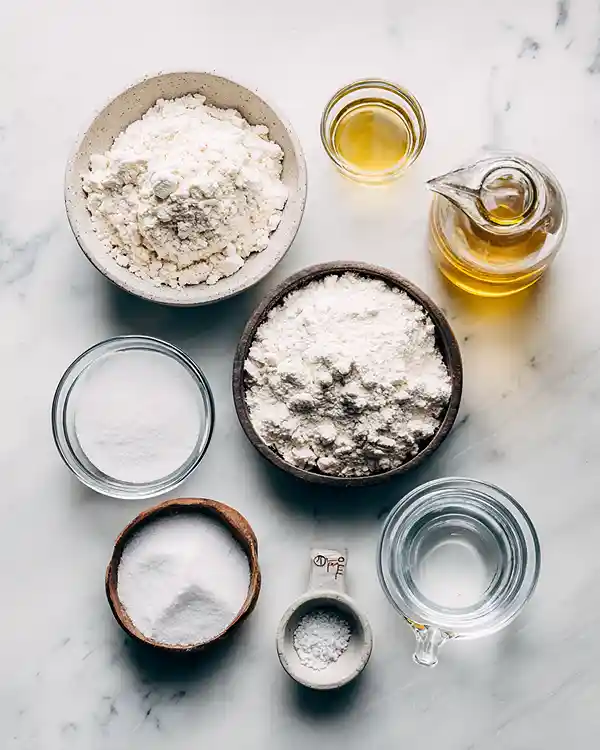
| Ingredient | Amount |
|---|---|
| Gluten-free all-purpose flour | 2 cups |
| Salt | 1 teaspoon |
| Instant yeast | 1 teaspoon |
| Sugar (or honey) | 1 tablespoon |
| Warm water | 1 ½ cups |
| Olive oil | 1 tablespoon |
Instructions
Step 1: Mix the Dry Ingredients
In a large bowl, combine the gluten-free flour, salt, instant yeast, and sugar. Whisk them together gently to ensure even distribution throughout the mixture. This step helps activate the yeast evenly and prevents salty spots in your finished no knead gluten free bread.
Step 2: Add the Wet Ingredients
Pour in the warm water (around 110°F works perfectly) and olive oil into your dry mixture. Using a wooden spoon or sturdy spatula, mix until everything is fully combined and no dry flour remains. The dough will look sticky and more like thick pancake batter than traditional dough—and that’s exactly what you want for this gluten free bread recipe!
Step 3: First Rise
Cover the bowl tightly with a clean kitchen towel or plastic wrap and set it in a warm, draft-free spot. Allow the dough to rise undisturbed for about 1 to 2 hours, or until it has doubled in size. You’ll notice bubbles forming on the surface, which means the yeast is doing its job beautifully.
Step 4: Shape the Dough
Once your dough has risen beautifully, preheat your oven to 450°F (230°C) and place your Dutch oven with its lid inside to heat up for at least 30 minutes. Lightly dust a work surface with additional gluten-free flour and gently scrape the sticky dough onto it using a silicone spatula. Handle it carefully—overworking gluten free dough can make it dense.
Step 5: Prepare for Baking
Shape the dough into a round loaf by folding the edges toward the center, turning as you go to create a smooth top. Don’t stress about perfection here; rustic is beautiful! Let the shaped dough rest on your floured surface for 30 minutes while the Dutch oven continues heating—this rest period helps create that gorgeous crusty exterior.
Step 6: Bake the Bread
Carefully remove the screaming-hot Dutch oven from your oven (use thick oven mitts!). Place a sheet of parchment paper inside the pot, then gently transfer your shaped dough onto the parchment. Cover with the lid and bake for 30 minutes, then remove the lid and continue baking for an additional 15 minutes until the crust turns deep golden brown and sounds hollow when tapped.
Step 7: Cool & Enjoy
Transfer your freshly baked no knead gluten free bread to a wire rack and resist the temptation to slice it immediately (I know, it’s hard!). Letting it cool for at least 20 minutes allows the interior crumb to set properly. Once cooled, slice and savor your homemade creation with butter, jam, or as the base for your favorite sandwich.
Substitutions
Flour Alternatives: If you don’t have a gluten-free all-purpose blend, you can make your own by combining rice flour, potato starch, and tapioca flour in equal parts with a teaspoon of xanthan gum added per cup. This DIY approach works beautifully for creating tender bread with gluten free flour that holds together perfectly.
Sweetener Options: Honey, maple syrup, or agave nectar can replace the sugar tablespoon-for-tablespoon in this recipe. The sugar feeds the yeast and adds a subtle sweetness, so don’t skip it entirely—your bread needs that little boost to rise properly.
Oil Variations: Melted butter, avocado oil, or even melted coconut oil work wonderfully in place of olive oil. Each adds its own subtle flavor profile, so feel free to experiment based on what you have in your pantry or your family’s preferences.
Yeast Substitutions: While instant yeast is ideal because it mixes directly into flour, active dry yeast works too. Just bloom it first in the warm water with the sugar for 5 minutes before adding to the flour mixture.
Troubleshooting
Dense or Heavy Bread: If your loaf turns out heavy, your water might have been too hot (over 120°F), which kills the yeast. Always test water temperature—it should feel warm but comfortable on your wrist, like a baby’s bath.
Bread Didn’t Rise: Check your yeast’s expiration date first, as old yeast loses its leavening power. Also, make sure your rising spot is warm enough (70-80°F is ideal)—I often place mine near a sunny window or inside my turned-off oven with just the light on.
Gummy Interior: This usually means the bread needs more baking time or wasn’t cooled long enough before slicing. According to expert baking science resources, gluten-free breads require longer cooling periods than wheat-based versions to allow the starches to set properly.
Crust Too Hard: If your crust becomes overly tough after cooling, store the bread in an airtight container or resealable bag once completely cooled. You can also brush the hot loaf with melted butter immediately after baking for a softer crust.
Storage & Meal Prep
This no knead gluten free bread stays fresh at room temperature for 2-3 days when stored in an airtight container or bread bag. For longer storage, slice the cooled loaf and freeze individual slices between parchment paper sheets for up to 3 months—they toast beautifully straight from frozen!
Meal prep tip: Double the recipe and bake both loaves on a Sunday afternoon. One loaf serves the family for the week, while the second goes straight into the freezer for those crazy-busy mornings when you need quick breakfast toast or sandwich bread.
Serving Suggestions
This versatile bread pairs beautifully with your favorite comforting soup recipes for dunking and sopping up every last delicious drop. Toast thick slices for breakfast and top with avocado, eggs, or nut butter for a nourishing start to your day.
Try it alongside this tender buttermilk cornbread for a complete bread basket at your next family gathering. The crusty exterior also makes incredible garlic bread—just brush with butter, sprinkle with garlic powder and parsley, then broil for 2-3 minutes until golden.
Variations
Herb & Garlic Version: Fold in 2 tablespoons of fresh chopped rosemary, thyme, or basil along with 2 minced garlic cloves into your dough during the mixing stage. This aromatic variation transforms your make gluten free bread into an irresistible side for Italian meals or pasta nights.
Seeded Bread: Before the final bake, brush the dough top with water and sprinkle generously with sesame seeds, poppy seeds, or everything bagel seasoning. The seeds toast beautifully in the oven and add wonderful texture and nutty flavor to each slice.
Dairy-Free Version: This recipe is naturally dairy-free when using olive oil instead of butter! For an even richer flavor without dairy, try using extra virgin olive oil or a quality dairy-free butter alternative.
Kid-Friendly Sweet Bread: Add an extra tablespoon of honey or sugar plus 1 teaspoon of cinnamon to the dough for a slightly sweet version that kids absolutely love. Well… mine request this version for their school lunches constantly, and I’m not complaining since it’s still wholesome and nutritious!
No Knead Gluten Free Bread FAQs
Can I make this no knead gluten free bread without a Dutch oven?
Absolutely! Use a covered oven-safe pot, deep casserole dish with a lid, or even a loaf pan tented with aluminum foil. The key is trapping steam during the first 30 minutes of baking, which creates that gorgeous crusty exterior we all love.
How do I know when my bread with gluten free flour is fully baked?
Tap the bottom of the loaf—it should sound hollow, like knocking on a door. The internal temperature should register 205-210°F on an instant-read thermometer, and the crust should be deep golden brown all over.
What’s the best gluten-free flour blend for this recipe?
Any quality all-purpose gluten-free blend containing xanthan or guar gum works wonderfully. Brands like Bob’s Red Mill 1-to-1, King Arthur Measure for Measure, or Cup4Cup deliver consistently excellent results in this simple recipe.
Why is my gluten free bread dough so sticky?
Man, oh man, this catches everyone at first! Unlike wheat dough, gluten free dough is naturally much wetter and stickier because the alternative flours absorb liquid differently. Resist adding extra flour—that sticky consistency is actually what creates the tender, moist crumb you’re after.
Can I add mix-ins like cheese or dried fruit?
Yes! Fold in up to ½ cup of shredded cheese, dried cranberries, or chopped olives after the initial mixing. According to trusted gluten-free nutrition sources, keeping add-ins to no more than 25% of the total dough weight ensures proper rise and texture.
What makes this different from regular bread recipes?
This no-knead method skips the traditional kneading step entirely because gluten-free flours don’t develop gluten strands that need working. The long rise time allows the starches to hydrate fully and creates structure naturally, making it perfect for beginners learning how to make gluten free bread successfully.
This no knead gluten free bread proves that baking gluten-free doesn’t have to be complicated or intimidating. With just six simple ingredients and minimal hands-on time, you’ll create a crusty, tender loaf that rivals any bakery version—and your kitchen will smell absolutely amazing in the process.
The beauty of mastering these gluten free recipes simple enough for weeknight baking is that they build your confidence in the kitchen. Once you’ve nailed this basic loaf, you’ll find yourself experimenting with different flavors and serving it alongside favorites like this classic gluten-free cornbread for complete holiday spreads.
Happy baking, friend! Your gluten-free bread journey just got a whole lot easier