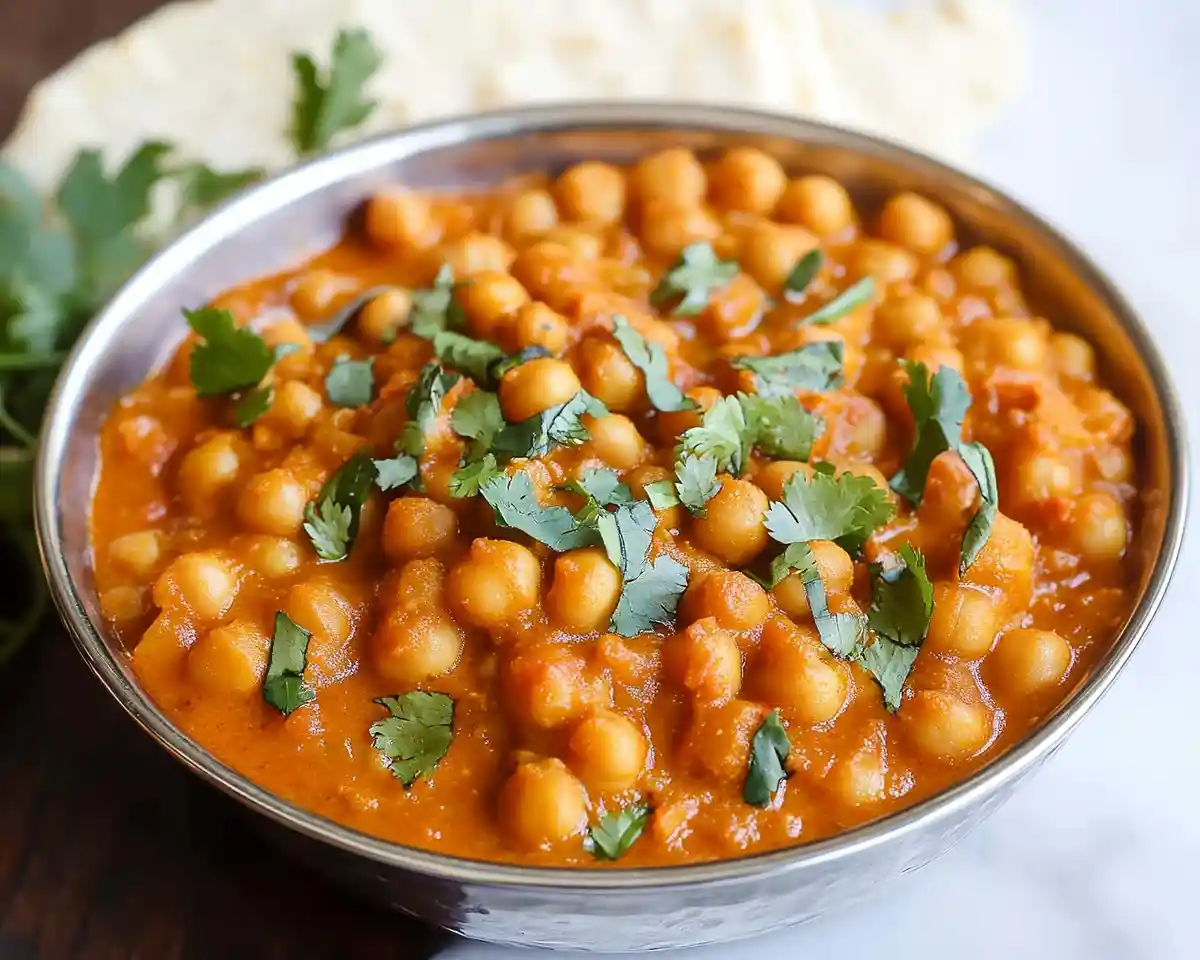
Nutritious Indian Chickpea Curry
Learn how to make an authentic, nutritious Indian chickpea curry at home—a creamy, warming gluten-free recipe ready in 45 minutes. Perfect for meal prep and busy families.
You know that moment when you’re scrolling through recipe ideas and you stumble across something that sounds restaurant-quality but actually manageable on a Tuesday night? That’s exactly what this nutritious Indian chickpea curry is for me.
I make it constantly because it checks literally every box:, packed with protein, made from simple pantry staples, and absolutely delicious enough that my family forgets we’re eating something ridiculously good for us.
The beauty of this Indian food recipe is that it doesn’t require obscure ingredients or complicated techniques. This chickpea curry comes together in about 45 minutes, filling your kitchen with the most incredible warm spice aromas that make everyone wonder what’s cooking.
If you’ve ever felt intimidated by Indian recipes recipes or worried they’d derail your gluten-free lifestyle, I’m here to tell you that this chickpea curry breaks down those barriers completely. Grab your favorite large saucepan and let’s create something warm, comforting, and authentically delicious together.
Table of Contents
Ingredients
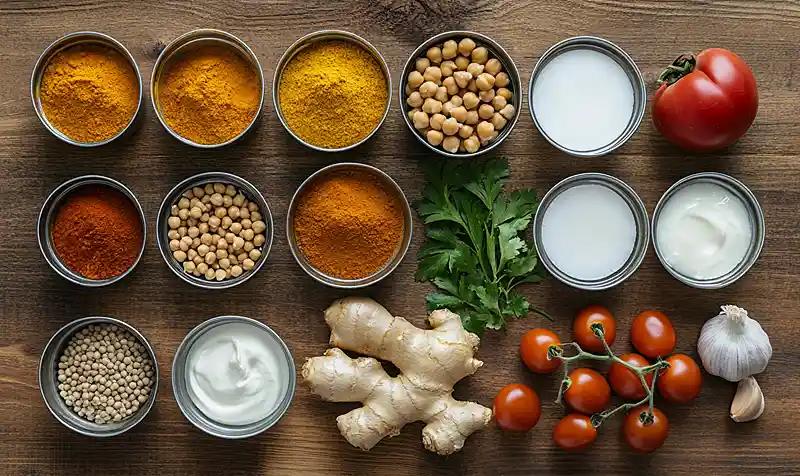
| Ingredient | Amount |
|---|---|
| Vegetable oil (neutral) | 2 tbsp |
| Yellow onion, thinly sliced | 1 large (approx. 200g) |
| Fresh ginger, minced | 1 tbsp (approx. 15g) |
| Garlic cloves, minced | 4 cloves (approx. 28g) |
| Turmeric powder | 1 tsp |
| Paprika (sweet or smoked) | 1 tbsp |
| Ground coriander | ½ tbsp (approx. 1½ tsp) |
| Kashmiri red chili powder | ½ tbsp (or ¼ tsp cayenne for more heat) |
| Garam masala | ½ tbsp (approx. 1½ tsp) |
| Salt | ½ tsp (or to taste) |
| Large tomatoes, diced | 2 |
| Vegetable broth | 1½ cups (approx. 350ml) |
| Coconut cream (full-fat, unsweetened) | 1 13.5 oz can (approx. 400ml) |
| Canned chickpeas, drained & rinsed | 3 15 oz cans (approx. 4½ cups or 750g) |
Pro tip: Toast your spices in the warm oil for just 30 seconds before adding liquids—this “blooms” them and makes your Indian chickpea curry taste incredibly authentic and vibrant.
Instructions
Step 1: Sauté the Aromatics
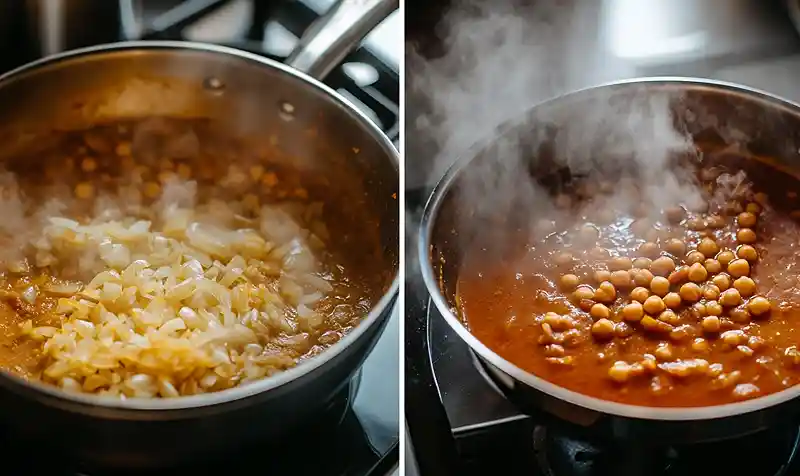
Heat the vegetable oil in a large saucepan over medium-high heat. Add the sliced onion and cook, stirring frequently, for 3–5 minutes until it becomes soft and translucent. You’ll notice the onions releasing their natural sweetness as they soften—this is exactly what you want.
Step 2: Layer in the Flavor Builders
Add the minced ginger and garlic to the pan and cook for 1 minute, stirring frequently, until the kitchen fills with that incredible fragrant aroma. Stir in the turmeric, paprika, coriander, chili powder, garam masala, and salt, then cook for just 30 seconds. This brief cook “blooms” the spices, unlocking their full depth and making your chickpea curry taste restaurant-quality.
Step 3: Create the Tomato Base
Add the diced tomatoes to the pan and cook for 8–10 minutes, stirring often, until they completely break down and become soft, pulpy, and rich. The tomatoes will naturally break apart and create a beautiful sauce base that smells absolutely divine.
Step 4: Build the Creamy Curry
Pour in the vegetable broth, then add the drained chickpeas and coconut cream, stirring everything together until well combined. Bring the mixture to a gentle simmer, then reduce the heat to medium and cook for 15 minutes, stirring occasionally. You’ll see the sauce gradually thicken into that gorgeous, coating consistency that makes Indian food so satisfying.
Step 5: Taste and Adjust
Taste your nutritious Indian chickpea curry and adjust the salt and spice level as needed. If you like more heat, add another pinch of chili powder. If it needs more depth, a dash of garam masala works beautifully.
Step 6: Rest and Serve
Remove from heat and let the curry sit for 5 minutes before serving. This resting time allows the flavors to meld together and mellow slightly. Garnish generously with fresh cilantro and serve over basmati rice, with warm naan on the side, or however your family loves it best.
Substitutions & Swaps For Chickpeas Recipes
Using Canned vs. Cooked-from-Scratch Chickpeas
I use canned chickpeas because they’re convenient and this recipe is all about simplicity, but if you’ve got time to cook dried chickpeas, absolutely go for it—you’ll use about 2 cups of cooked chickpeas instead. The nutritious Indian chickpea curry tastes slightly richer with fresh-cooked beans, though the difference is honestly minimal.
Swapping the Coconut Cream
Full-fat coconut milk works beautifully if you can’t find coconut cream, though you might need to reduce the broth slightly so your curry doesn’t get too thin. You could also use heavy cream if you’re not avoiding dairy, though it won’t have quite the same exotic flavor that makes Indian food recipes so special.
Adjusting the Spice Level
If you’re making this for kids or prefer milder flavors, reduce the chili powder to ¼ tbsp and skip the extra cayenne. Alternatively, increase both the Kashmiri chili powder and garam masala by ½ tbsp if you love heat and deep spice complexity. This Indian food recipe is incredibly flexible to your taste preferences.
Adding Vegetables to Your Curry
Feel free to stir in diced bell peppers, spinach, cauliflower, or sweet potato during the last 10 minutes of cooking. Your nutritious Indian chickpea curry becomes even heartier and more colorful with added vegetables. Frozen spinach works great—just toss it in at the end and let it wilt into the sauce.
Making It Creamy Without Coconut
If you’re avoiding coconut, substitute with the same amount of cashew cream (blend soaked cashews with water), heavy cream, or even full-fat Greek yogurt. Stir in yogurt at the very end so it doesn’t curdle. Each option creates a slightly different but equally delicious chickpea curry.
Looking for easy gluten-free bread recipes for busy families? Our quick naan and flatbread collection pairs perfectly with curry night.
Troubleshooting Tips For Vegetable Food Recipes
My Curry Tastes Bland
This usually means the spices weren’t “bloomed” properly or you need to taste and adjust seasoning before serving. Try adding another ¼ tsp of garam masala or a pinch more salt. Remember that Indian food recipes often benefit from finishing with fresh cilantro and a squeeze of lemon juice for brightness.
The Sauce Is Too Thick
If your chickpea curry becomes too thick (it should be creamy but pourable), simply add a splash of vegetable broth or water, a ¼ cup at a time, until you reach the consistency you prefer. Some people like it thick enough to coat rice, while others prefer it soupier—you’re in control here.
The Sauce Is Too Thin
If your curry is too watery after 15 minutes of cooking, let it simmer uncovered for another 5–10 minutes to allow excess liquid to evaporate. The sauce will naturally thicken and cling to the chickpeas beautifully.
Coconut Cream Hasn’t Mixed In
If your coconut cream is clumpy or separated, this is totally normal—just whisk it vigorously with a fork before adding it to the pan. It’ll blend perfectly once heated and stirred with the other ingredients.
The Curry Smells Too “Spicy” or Overpowering
This actually means your spices are doing their job and blooming beautifully, but if it seems too intense, it usually mellows significantly once the tomatoes and broth are added. Taste it after the full cook time before deciding to adjust.
Storage & Meal Prep Tips
Storing Leftover Curry
This nutritious Indian chickpea curry keeps beautifully in an airtight container in the refrigerator for up to 4 days. The flavors actually deepen and develop overnight, making it even better the next day. Simply reheat gently over medium heat, stirring occasionally, and add a splash of water if it’s thickened too much.
Freezing for Later Months
Your chickpea curry freezes wonderfully for up to 3 months in freezer-safe containers or bags. Leave a bit of headspace if using containers, as the liquid will expand slightly. To thaw, simply move it to the fridge overnight and reheat gently, or thaw and reheat directly on the stovetop over low heat.
Meal Prep Magic
Make a double batch on Sunday and portion into containers for the week—this Indian food recipe is one of the absolute best for meal prep because it reheats beautifully and tastes better as it sits. Pair each container with rice or naan, and you’ve got quick lunches and dinners ready to go.
Serving Suggestions & Pairings
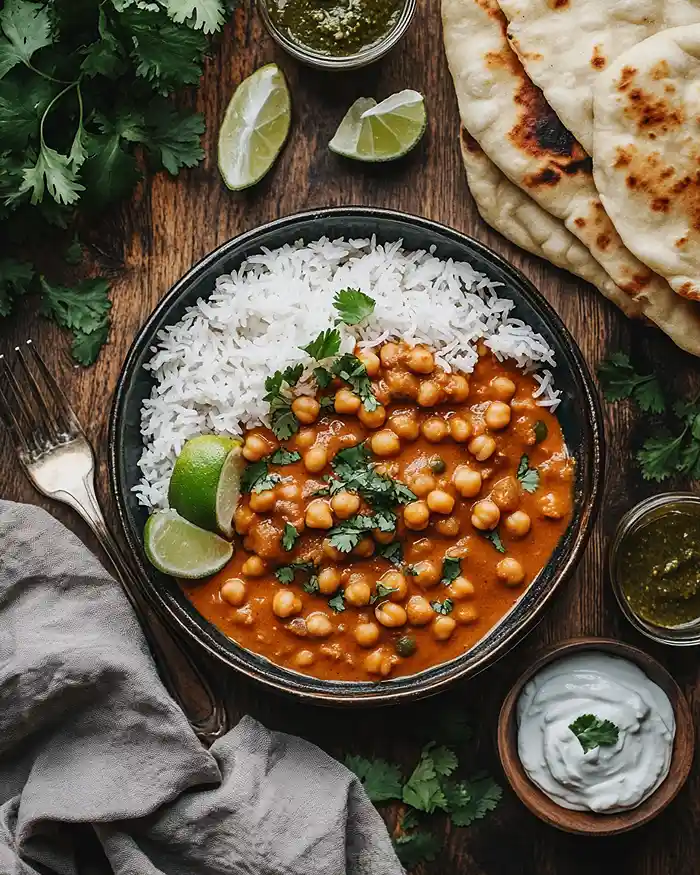
Serve Over Basmati Rice
This is the classic pairing and honestly, the best way to enjoy this nutritious Indian chickpea curry. Fluffy basmati rice absorbs all that creamy, spiced sauce beautifully. Make sure your rice is warm, freshly cooked, and seasoned with a little salt for the most authentic experience.
Pair with Warm Naan Bread
Serve alongside warm, soft naan for scooping up curry and soaking up every last drop of that gorgeous sauce. If you’re looking for a quick gluten-free option, homemade Greek yogurt naan comes together in minutes and pairs perfectly with this curry.
Add Fresh Toppings
Garnish generously with fresh cilantro, a squeeze of lime juice, sliced red onion, and maybe a dollop of plain yogurt if you like. These bright, fresh toppings add wonderful contrast to the warm, creamy chickpea curry and make each bowl feel special.
Create a Curry Night Spread
Transform this Indian food recipe into a full meal by adding roasted vegetables, a simple cucumber raita, and warm bread. Invite friends over and let everyone customize their bowl with their favorite toppings—it’s perfect for casual entertaining.
Enjoy for Breakfast Tomorrow
Well, this is a little unconventional, but leftover curry makes an amazing breakfast scramble with eggs. Break a couple of eggs right into the warmed curry, scramble gently, and serve with toast or rice. It’s savory, satisfying, and way more interesting than your usual morning bowl.
Variations & Dietary Adjustments
Dairy-Free and Vegan Version
This recipe is naturally vegan and dairy-free as written—just use vegetable oil and coconut cream, and you’re all set. Skip the yogurt garnish if you want to keep it completely plant-based. The nutritious Indian chickpea curry is just as creamy and delicious without any animal products.
Kid-Friendly Mild Curry
Reduce the chili powder to just a pinch and use sweet paprika instead of smoked paprika for a gentler flavor profile. Many kids love this milder version, especially when it’s served over their favorite rice. You can always put extra spices on the table for grown-ups who want more heat.
Higher-Protein Powerhouse Version
Add a cup of cooked lentils (red or brown) alongside the chickpeas for even more plant-based protein and fiber. This variation transforms your chickpea curry into an incredibly nourishing meal that keeps you satisfied for hours. The lentils also add a beautiful earthiness to the dish.
Creamy Almond Butter Version
Stir in 2 tablespoons of creamy almond butter along with the coconut cream for a deeper, richer sauce and extra protein. This takes your Indian food recipe in a slightly different but absolutely delicious direction—it’s more like a North Indian butter chicken style curry but completely plant-based and gluten-free.
Loaded Vegetable Curry
Dice up bell peppers, zucchini, sweet potato, and spinach, and add them to the pan when you add the tomatoes. This turns your simple chickpea curry into a veggie-packed meal that sneaks extra nutrition into every bite. The vegetables cook beautifully in about 15 minutes and add wonderful color and texture.
FAQs About Nutritious Indian Chickpea Curry
Can I make this nutritious Indian chickpea curry without coconut cream?
Absolutely! Use heavy cream, cashew cream, or even a splash of plant-based milk combined with a tablespoon of almond butter to create creaminess. Your chickpea curry will be delicious with any of these swaps—the key is having something rich and creamy to balance the spices.
How long does this Indian food recipe take from start to finish?
From the moment you start heating oil to sitting down with a bowl in front of you, you’re looking at about 45 minutes total. That includes chopping time, cooking, and a brief rest at the end. It’s a genuinely quick weeknight dinner that tastes like you’ve been cooking all afternoon.
Can I use dried chickpeas instead of canned?
Yes, but you’ll need to cook them first. Use about 2 cups of cooked dried chickpeas in place of the three cans of canned chickpeas. The texture will be slightly firmer, and the cooking process will take longer overall, but the flavor of your chickpea curry will be amazing.
What’s the best way to reheat leftover curry?
Gently reheat in a saucepan over medium heat, stirring occasionally and adding a splash of water or broth if it’s thickened too much. You can also microwave individual portions in a covered bowl, stirring halfway through. The stovetop method is gentler and helps the flavors warm through evenly.
Is this nutritious Indian chickpea curry spicy or mild?
It’s moderately spiced with warm heat rather than intense burn—perfect for most palates. If you’re sensitive to spice, reduce the chili powder to a quarter teaspoon. If you love heat, add an extra half teaspoon of chili powder or a pinch of cayenne for more kick.
Can I double this recipe?
Totally! Just multiply all the ingredients by two. The cooking time stays roughly the same since you’re just increasing quantities, not changing the technique. This is perfect for meal prep or feeding a larger crowd.
Final Thoughts
Making authentic Indian food recipes at home doesn’t require special skills, expensive ingredients, or hours of cooking time. This nutritious Indian chickpea curry proves that restaurant-quality comfort food can come together on a busy weeknight while still being completely gluten-free and plant-based. Whether you’re introducing your family to Indian cuisine or you’re a seasoned spice lover, this recipe feels both approachable and genuinely impressive.
Man, oh man—there’s something so satisfying about creating a warm, aromatic meal that makes everyone at the table happy and nourished. These are the kinds of simple victories that transform ordinary weeknights into something special, and I absolutely love sharing them with you.
For more on the nutritional powerhouse of chickpeas, check out this authoritative nutrition research on plant-based protein sources from Healthline, which explains how chickpeas deliver complete proteins, fiber, and essential minerals that support energy and digestive health.
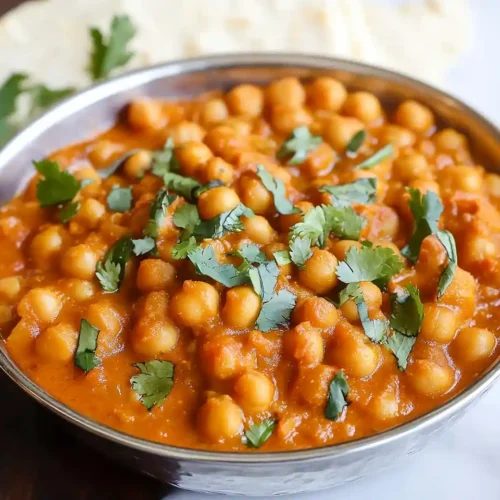
Nutritious Indian Chickpea Curry
Equipment
- Large saucepan
- Cutting board
- Chef’s knife
- Measuring spoons
- Measuring cups
- Wooden spoon
- Can opener
Ingredients
Base Ingredients
- 2 tbsp Vegetable oil neutral oil such as canola or sunflower
- 1 large Yellow onion halved and thinly sliced, approximately 200g
- 1 tbsp Fresh ginger minced, approximately 15g
- 4 cloves Garlic minced, approximately 2 tbsp or 28g
- 1 tsp Turmeric powder
- 1 tbsp Paprika sweet or smoked
- ½ tbsp Ground coriander approximately 1½ tsp
- ½ tbsp Kashmiri red chili powder or ¼ tsp cayenne pepper for more heat
- ½ tbsp Garam masala approximately 1½ tsp
- ½ tsp Salt or to taste
Main Ingredients
- 2 large Tomatoes diced
- 1½ cups Vegetable broth approximately 350ml or 12 fl oz
- 1 13.5 oz can Coconut cream full-fat, unsweetened, approximately 400ml or 284g
- 3 15 oz cans Chickpeas drained and rinsed, approximately 4½ cups or 750g total
Garnish & Serving
- fresh Cilantro chopped for garnish
- optional Basmati rice or naan for serving
Instructions
- Heat the vegetable oil in a large saucepan over medium-high heat. Add the sliced onion and cook, stirring frequently, for 3–5 minutes until it becomes soft and translucent. You’ll notice the onions releasing their natural sweetness as they soften—this is exactly what you want.
- Add the minced ginger and garlic to the pan and cook for 1 minute, stirring frequently, until the kitchen fills with that incredible fragrant aroma. Stir in the turmeric, paprika, coriander, chili powder, garam masala, and salt, then cook for just 30 seconds. This brief cook “blooms” the spices, unlocking their full depth and making your chickpea curry taste restaurant-quality.
- Add the diced tomatoes to the pan and cook for 8–10 minutes, stirring often, until they completely break down and become soft, pulpy, and rich. The tomatoes will naturally break apart and create a beautiful sauce base that smells absolutely divine.
- Pour in the vegetable broth, then add the drained chickpeas and coconut cream, stirring everything together until well combined. Bring the mixture to a gentle simmer, then reduce the heat to medium and cook for 15 minutes, stirring occasionally. You’ll see the sauce gradually thicken into that gorgeous, coating consistency that makes Indian food so satisfying.
- Taste your nutritious Indian chickpea curry and adjust the salt and spice level as needed. If you like more heat, add another pinch of chili powder. If it needs more depth, a dash of garam masala works beautifully.
- Remove from heat and let the curry sit for 5 minutes before serving. This resting time allows the flavors to meld together and mellow slightly. Garnish generously with fresh cilantro and serve over basmati rice, with warm naan on the side, or however your family loves it best.