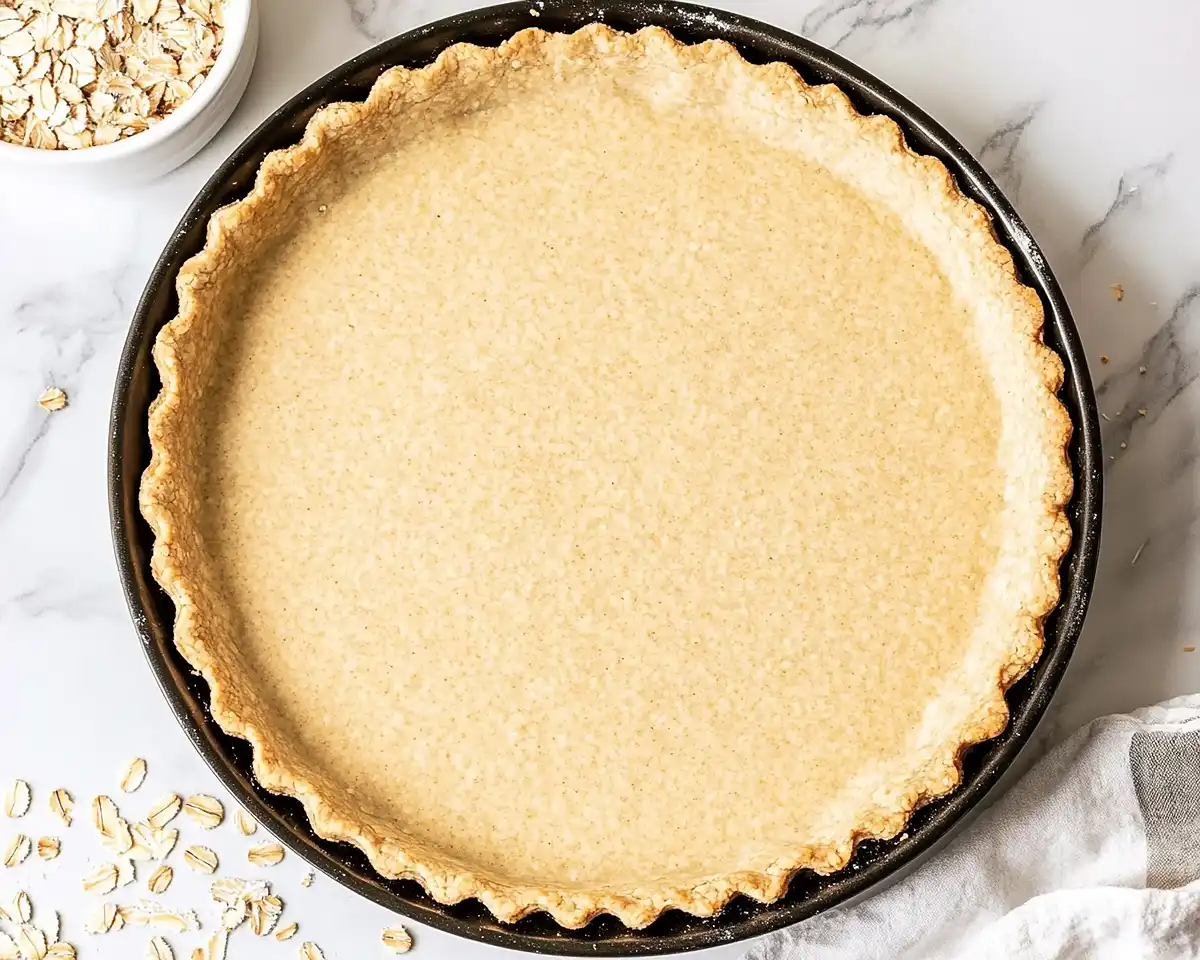
Oat Flour Pie Crust
Easy oat flour pie crust recipe with no rolling needed! Press-in method makes gluten-free baking simple. Buttery, flaky crust ready in minutes with vegan option.
You know what? I used to avoid making pies altogether because rolling out dough felt like such a hassle. Between the sticky countertops, the cracked edges, and the flour clouds that somehow ended up in my hair, traditional pie crusts just weren’t worth the stress.
Then I discovered this easy oat flour pie crust that requires zero rolling—just press it right into the pan with your hands.
This gluten-free pie crust changed everything for my holiday baking. The oat flour creates a tender, slightly nutty base that’s as versatile as it is delicious, working beautifully for both sweet and savory fillings. Plus, it comes together in about 10 minutes of actual hands-on time, which means you can focus on the fun part: the filling!
Whether you’re new to gluten-free baking or just looking for a simpler way to make healthy pastry dough, this oat flour pie crust recipe is about to become your new best friend. The press-in method means no special tools, no chilling time between rolling sessions, and absolutely no frustration. Just soft, buttery dough that shapes exactly where you want it.
Table of Contents
Ingredients
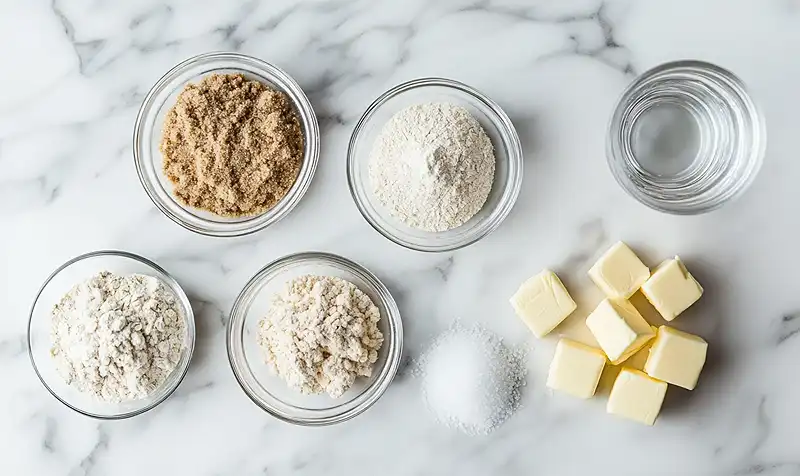
| Ingredient | Amount | Notes |
|---|---|---|
| Oat flour | 1 1/2 cups | Certified gluten-free if needed |
| Coconut flour | 1/3 cup | See substitution notes below |
| Butter | 1/3 cup | Or coconut oil for vegan |
| Water | 1/4 cup | Cold water works best |
| Low carb brown sugar | 2 tablespoons | Or regular brown sugar |
| Salt | 1 pinch | Optional but recommended |
Instructions
Step 1: Cube your butter into small pieces and pop it in the freezer for about 5 minutes while you gather your other ingredients. Cold butter creates those lovely flaky layers we’re after, and having it properly chilled makes all the difference in texture.
Step 2: In a medium mixing bowl, whisk together the oat flour, coconut flour, sweetener, and salt until everything’s evenly combined. This dry mixture should look uniform with no clumps of coconut flour hiding in the corners.
Step 3: Add your chilled, cubed butter to the flour mixture. Using a pastry cutter or simply your fingertips, work the butter into the flour until the mixture resembles coarse crumbs with some pea-sized butter pieces still visible. This crumbly texture is exactly what creates a tender oat flour pie crust recipe.
Step 4: Drizzle 2 tablespoons of cold water over the mixture and stir gently with a fork to distribute the moisture. The dough will start coming together but will still look a bit shaggy at this point—that’s perfect!
Step 5: Add the remaining 2 tablespoons of water and use your hands to knead the dough gently until it forms a soft, cohesive ball. The dough should feel slightly tacky but not sticky, and it should hold together easily when pressed. If it feels too dry, add water one teaspoon at a time.
Step 6: Wrap your dough ball in plastic wrap and refrigerate for at least 1 hour. Well… this step isn’t absolutely necessary if you’re in a rush, but chilling helps firm up the butter and makes the dough easier to press into the pan without it sticking to your fingers.
Step 7: Preheat your oven to 375°F and line your pie pan with parchment paper if you’d like easier cleanup. The parchment is optional, but it does help with removing slices cleanly later.
Step 8: Place your chilled dough directly in the center of your pie pan. Using your hands, press and spread the dough evenly across the bottom and up the sides of the pan, working from the center outward. The dough should be about 1/4-inch thick throughout for even baking.
Step 9: Trim any excess dough hanging over the edges with a knife, then use a fork to prick the bottom of the crust 8-10 times. These little holes prevent the crust from puffing up during baking, ensuring a flat surface for your filling.
Step 10: For a par-baked crust (needed for no-bake fillings), bake in your preheated oven for 15-20 minutes until the edges turn golden brown and the crust smells wonderfully nutty. Remove from the oven and let it cool completely before adding any filling.

Substitutions
Coconut flour alternatives: If coconut flour isn’t your thing, you can substitute with almond flour in a 1:1 ratio. Keep in mind that almond flour creates a slightly denser, more cookie-like texture, while tapioca starch makes an even lighter, crispier healthy pastry dough. Some readers have also had success using additional oat flour, though you may need to reduce the water slightly.
Butter alternatives: Coconut oil works beautifully for a vegan oat flour pie crust, creating the same flaky texture as butter. Just make sure it’s solid (not melted) when you cut it into the flour mixture. For a neutral flavor, try refined coconut oil, or use virgin coconut oil if you enjoy that subtle tropical hint.
Sweetener options: Regular brown sugar, coconut sugar, or even maple sugar work perfectly in this oat flour recipe. For a completely sugar-free version, try monk fruit sweetener or erythritol-based brown sugar substitutes. The sweetness level is subtle, so adjust according to whether you’re making a sweet or savory pie.
Troubleshooting
Dough too crumbly? Add water one teaspoon at a time until the dough holds together when squeezed. Different brands of oat flour and coconut flour absorb moisture differently, so don’t be afraid to adjust. The dough should feel like soft play-dough when it’s ready.
Crust cracking while pressing? This usually means the dough is either too cold or too dry. Let it sit at room temperature for 5 minutes to soften, or knead in a tiny bit more water. The warmth from your hands should also help make it more pliable as you work.
Bottom getting soggy? Make sure you’re pricking the bottom well with a fork before baking. For extra-juicy fillings, try pre-baking the crust for the full 20 minutes until deeply golden, which creates a moisture barrier. You can also brush the pre-baked crust with a beaten egg white before filling.
Edges browning too fast? Cover the edges with strips of aluminum foil or a pie crust shield about halfway through baking. This easy oat flour pie crust browns beautifully, but ovens vary, and some run hotter than others around the edges.
Storage and Meal Prep
Store your baked pie crust in an airtight container at room temperature for up to 2 days, or refrigerate for up to 5 days. For longer storage, wrap the cooled crust tightly in plastic wrap and then aluminum foil before freezing for up to 3 months—just thaw overnight in the refrigerator before using.
You can also freeze the unbaked dough! Shape it into a disk, wrap it well, and freeze for up to 2 months. When you’re ready to bake, let it thaw in the fridge overnight, then bring to room temperature before pressing into your pan. This makes holiday prep so much easier when you can make your healthy pastry dough weeks ahead.
Serving Suggestions
This versatile oat flour pie crust recipe works beautifully with both sweet and savory fillings. Try it with pumpkin pie for Thanksgiving, chocolate silk pie for special occasions, or quiche for a protein-packed brunch. The subtle sweetness and nutty flavor complement just about anything you pair it with.
For sweet pies, serve slices with a dollop of coconut whipped cream or a scoop of vanilla ice cream. The slightly rustic texture of the oat crust creates a wonderful contrast with smooth, creamy fillings—think of it as light and tender with just enough structure to hold together beautifully on your fork.
Variations
Savory version: Skip the sweetener entirely and add 1/2 teaspoon of garlic powder, dried herbs, or nutritional yeast to the flour mixture. This creates an incredible base for quiches, pot pies, or savory tarts that pairs wonderfully with vegetables and cheese. I love using this variation for my weekly meal prep frittatas.
Chocolate crust: Add 2 tablespoons of cocoa powder to the dry ingredients and increase the sweetener by 1 tablespoon. This creates a rich, chocolate oat flour pie crust that’s perfect for peanut butter pies, cream pies, or even no-bake cheesecakes. Man, oh man, does it taste amazing with vanilla or mint fillings!
Dairy-free and vegan: Simply swap the butter for solid coconut oil, and you’ve got a completely plant-based crust. The texture stays just as flaky and delicious, making this oat flour recipe perfect for friends with multiple dietary needs. For more dairy-free inspiration, check out our easy dairy-free pizza options.
Oat Flour Pie Crust FAQs
Can I make this crust without coconut flour?
Yes! Replace the coconut flour with an equal amount of almond flour for a nuttier flavor, or use tapioca starch for a lighter, crisper texture. You may need to adjust the water slightly since different flours absorb moisture differently—start with 3 tablespoons total and add more if needed.
How do I know when the crust is done baking?
Your easy oat flour pie crust is ready when the edges turn golden brown and the bottom looks set and lightly colored. For par-baked crusts, aim for 15-20 minutes, but for fully baked crusts with your filling, expect 35-45 minutes total depending on your recipe.
What’s the best way to prevent cracks when pressing the dough?
Keep the dough at room temperature while working with it, and use steady, even pressure as you press it into the pan. If you notice cracks forming, simply pinch them together with your fingertips—the beauty of press-in crusts is that they’re incredibly forgiving and easy to patch.
Why do I need to refrigerate the dough?
Chilling helps firm up the fats, which prevents the crust from shrinking during baking and makes it easier to handle. According to trusted baking science research, this step also allows the flour to fully hydrate, resulting in a more tender, flakier healthy pastry dough.
Can this recipe work for mini tart pans?
Absolutely! Divide the dough into 6-8 portions depending on your tart pan size, then press each portion into the individual pans. Reduce the baking time to about 10-12 minutes for mini tarts, and keep an eye on them since smaller crusts brown faster.
Easy Oat Flour Pie Crust: No Rolling! Gluten-Free with Vegan Option
Equipment
- Mixing bowl
- Pastry cutter or hands
- Pie pan
- Fork
- Plastic wrap
- Parchment paper (optional)
Ingredients
- 1 ½ cups oat flour certified gluten-free if needed
- ⅓ cup coconut flour see substitution notes for alternatives
- ⅓ cup butter or coconut oil for vegan option
- ¼ cup water cold water works best
- 2 tablespoons low carb brown sugar or regular brown sugar
- 1 pinch salt optional but recommended
Instructions
- Cube your butter into small pieces and pop it in the freezer for about 5 minutes while you gather your other ingredients. Cold butter creates those lovely flaky layers we’re after, and having it properly chilled makes all the difference in texture.
- In a medium mixing bowl, whisk together the oat flour, coconut flour, sweetener, and salt until everything’s evenly combined. This dry mixture should look uniform with no clumps of coconut flour hiding in the corners.
- Add your chilled, cubed butter to the flour mixture. Using a pastry cutter or simply your fingertips, work the butter into the flour until the mixture resembles coarse crumbs with some pea-sized butter pieces still visible. This crumbly texture is exactly what creates a tender oat flour pie crust.
- Drizzle 2 tablespoons of cold water over the mixture and stir gently with a fork to distribute the moisture. The dough will start coming together but will still look a bit shaggy at this point—that’s perfect!
- Add the remaining 2 tablespoons of water and use your hands to knead the dough gently until it forms a soft, cohesive ball. The dough should feel slightly tacky but not sticky, and it should hold together easily when pressed. If it feels too dry, add water one teaspoon at a time.
- Wrap your dough ball in plastic wrap and refrigerate for at least 1 hour. This step isn’t absolutely necessary if you’re in a rush, but chilling helps firm up the butter and makes the dough easier to press into the pan without it sticking to your fingers.
- Preheat your oven to 375°F and line your pie pan with parchment paper if you’d like easier cleanup. The parchment is optional, but it does help with removing slices cleanly later.
- Place your chilled dough directly in the center of your pie pan. Using your hands, press and spread the dough evenly across the bottom and up the sides of the pan, working from the center outward. The dough should be about 1/4-inch thick throughout for even baking.
- Trim any excess dough hanging over the edges with a knife, then use a fork to prick the bottom of the crust 8-10 times. These little holes prevent the crust from puffing up during baking, ensuring a flat surface for your filling.
- For a par-baked crust (needed for no-bake fillings), bake in your preheated oven for 15-20 minutes until the edges turn golden brown and the crust smells wonderfully nutty. Remove from the oven and let it cool completely before adding any filling.
Notes
This press-in oat flour pie crust has honestly saved me so much time and stress during holiday baking season. If you love simple gluten-free solutions like this, you’ll also want to try our no-cook overnight oats for easy breakfasts or our protein-packed lentil bagels. And if you’re looking for more guidance on working with alternative flours, the Celiac Disease Foundation’s comprehensive baking guide offers excellent science-backed tips for successful gluten-free baking every time.