Potato Flatbread Recipe (5 Ingredients!)
This simple Potato Flatbread Recipe (5 Ingredients!) recipe is naturally gluten-free, dairy-free, and ready in 30 minutes. Perfect for busy families seeking vegan gluten and dairy free recipes!
You know that moment when you’re staring into your pantry wondering what to make for dinner, and all you’ve got are some potatoes and a bag of gluten-free flour? Well… that’s exactly how I discovered this potato flatbread magic.
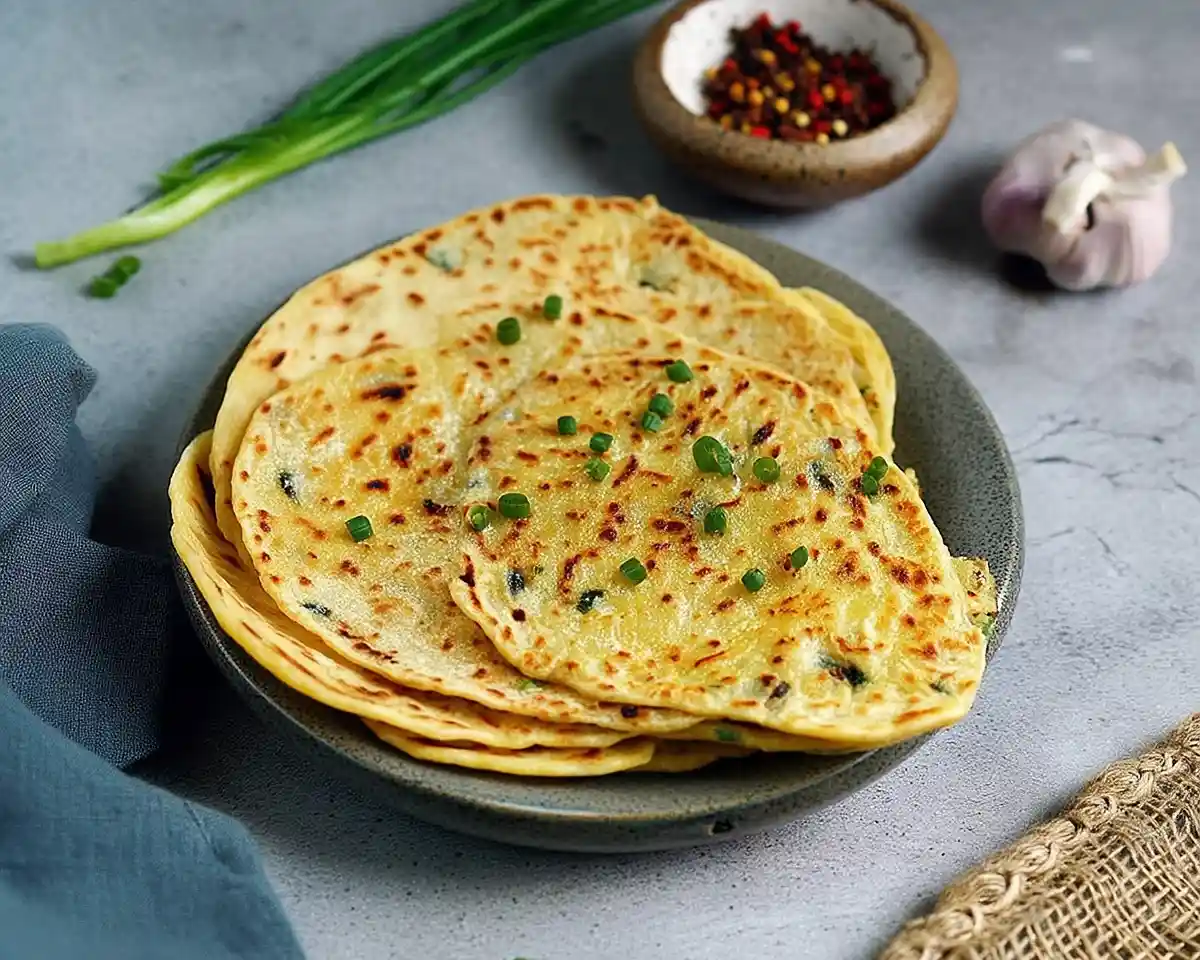
I was testing out 5 ingredient gluten free recipes for my youngest (who’s convinced anything with more than five ingredients is “too fancy”), and honestly, these flatbreads became our new family favorite. They’re tender, slightly crispy on the outside, and have this wonderful savory flavor that makes everyone at the table reach for seconds.
The best part? This potato flatbread comes together faster than ordering takeout, uses ingredients you probably already have, and works beautifully as a base for everything from breakfast scrambles to dinner wraps. Whether you’re exploring vegan gluten and dairy free recipes or just need a quick no wheat no dairy recipes option, these flatbreads have your back.
Table of Contents
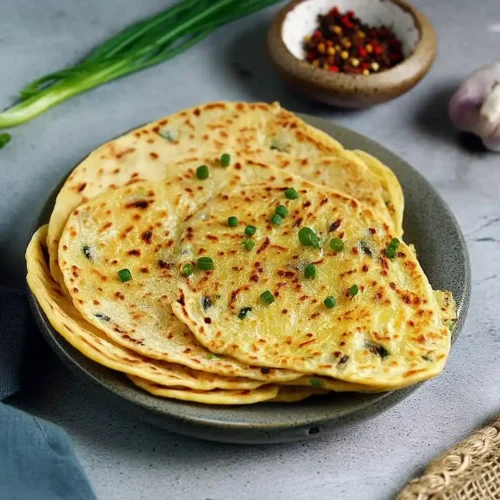
Gluten-Free Potato Flatbread Recipe (5 Ingredients!)
Equipment
- Large pot
- Potato masher or potato ricer
- Large mixing bowl
- Rolling Pin
- Wax paper or parchment paper
- Large non-stick frying pan or skillet
- Kitchen towel
Ingredients
- 3 medium-large potatoes 400g after cooking and peeling, Russet or Yukon Gold work best
- 1 cup gluten-free flour 120g, plus more for kneading, all-purpose GF blend recommended
- 1 tsp baking powder
- 1/2-3/4 tsp salt adjust to taste
- 1 pinch nutmeg
- 1 tbsp oil 13g, plus more for frying, avocado or olive oil
- ⅓ cup scallions chopped, fresh green onions
Instructions
- Boil your potatoes in salted water until they’re completely fork-tender—this usually takes about 15-20 minutes depending on size. Drain them well, let them cool just enough to handle, then peel away the skins. After peeling, they should weigh right around 400 grams (14 oz). Mash them thoroughly in a large bowl using a potato masher, or for the smoothest texture, run them through a potato ricer.
- Add your gluten-free flour, baking powder, salt, that tiny pinch of nutmeg, oil, and chopped scallions right into the bowl with your mashed potatoes. Start mixing everything with a spoon until it begins coming together, then switch to using your hands to knead the dough gently. You’ll need to sprinkle in more flour gradually until the dough stops being sticky and feels soft and pliable.
- Divide your potato flatbread dough into 6-8 equal portions and roll each one into a smooth ball. Make 8 portions if you want smaller, thinner flatbreads, or stick with 6 for slightly larger, thicker ones.
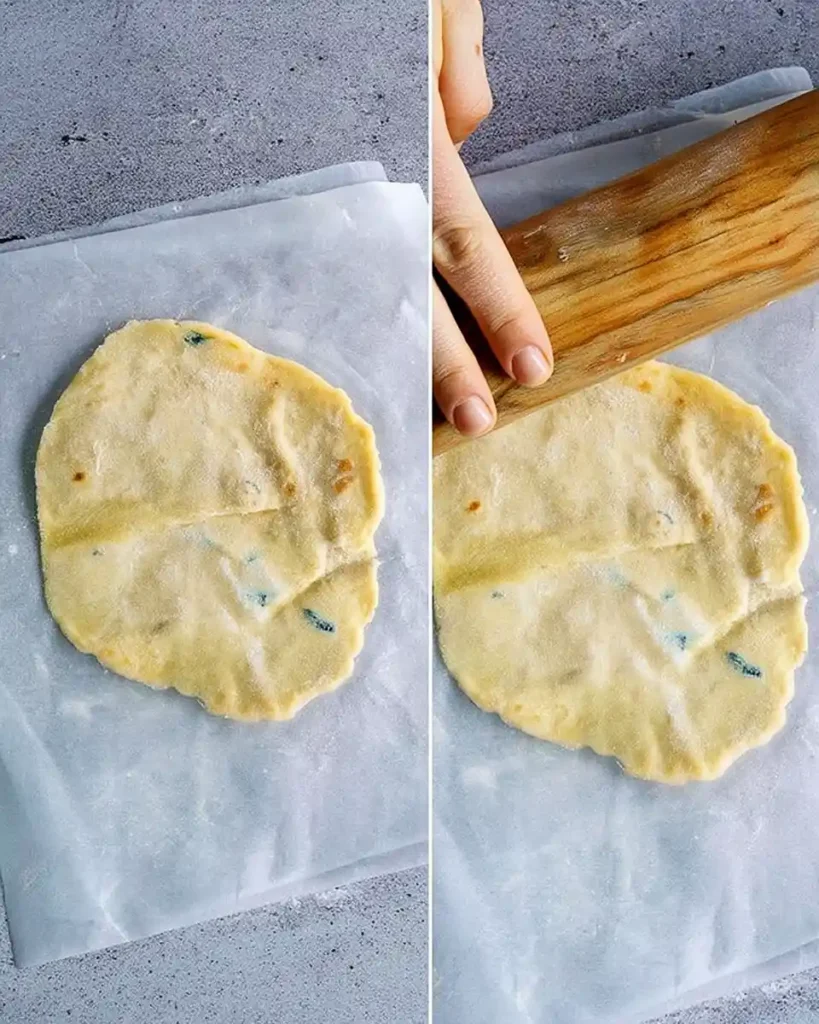
- Place each dough ball between two sheets of lightly oiled wax paper or parchment paper. Using a rolling pin, gently roll each ball into a disc that’s about 1/8 to 1/4-inch thick and roughly 5½ to 6 inches in diameter.
- Lightly oil a large non-stick frying pan or skillet and heat it over medium heat for a minute or two. Once it’s ready, carefully peel off the top layer of wax paper from your first flatbread, then flip it paper-side-up onto the hot pan. Gently peel away that remaining paper layer.
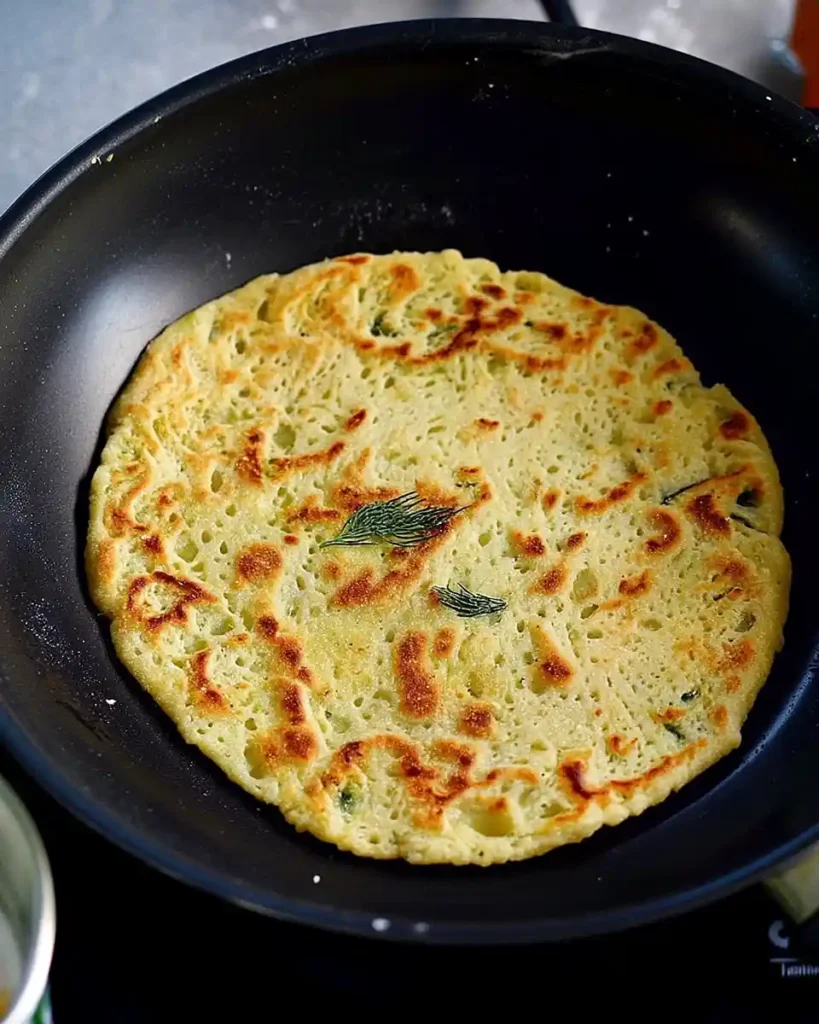
- Let the potato flatbread cook for about 2-4 minutes on the first side—you’ll see little bubbles forming and the edges starting to look set. Flip it over and cook for another 1-2 minutes until both sides have golden-brown spots. Transfer the finished flatbread to a plate and cover it with a clean kitchen towel to keep it warm and soft while you cook the rest.
- Once all your flatbreads are cooked, brush them with a little garlic-infused oil if you’re feeling fancy, sprinkle with extra fresh herbs, and serve them warm.
Notes
Ingredients
| Ingredient | Amount | Notes |
|---|---|---|
| Potatoes (medium-large) | 3 (400g after cooking/peeling) | Russet or Yukon Gold work best |
| Gluten-free flour | 1 cup (120g) + more for kneading | All-purpose GF blend recommended |
| Baking powder | 1 tsp | For that perfect tender texture |
| Salt | 1/2-3/4 tsp | Adjust to taste |
| Nutmeg | 1 pinch | Secret ingredient for warmth |
| Oil | 1 tbsp (13g) + more for frying | Avocado or olive oil |
| Scallions | 1/3 cup, chopped | Fresh green onions add flavor |
Instructions
Step 1: Prepare the Potatoes Boil your potatoes in salted water until they’re completely fork-tender—this usually takes about 15-20 minutes depending on size. Drain them well, let them cool just enough to handle, then peel away the skins. After peeling, they should weigh right around 400 grams (14 oz). Mash them thoroughly in a large bowl using a potato masher, or for the smoothest texture, run them through a potato ricer.
Step 2: Mix the Dough Add your gluten-free flour, baking powder, salt, that tiny pinch of nutmeg (trust me on this!), oil, and chopped scallions right into the bowl with your mashed potatoes. Start mixing everything with a spoon until it begins coming together, then switch to using your hands to knead the dough gently. You’ll need to sprinkle in more flour gradually until the dough stops being sticky and feels soft and pliable—kind of like Play-Doh, but way more delicious.
Step 3: Portion the Dough Divide your potato flatbread dough into 6-8 equal portions and roll each one into a smooth ball. Make 8 portions if you want smaller, thinner flatbreads (perfect for wraps), or stick with 6 for slightly larger, thicker ones that work great alongside soups or stews.
Step 4: Roll Out the Flatbreads Here’s my favorite trick: place each dough ball between two sheets of lightly oiled wax paper or parchment paper. Using a rolling pin, gently roll each ball into a disc that’s about 1/8 to 1/4-inch thick and roughly 5½ to 6 inches in diameter. The paper method keeps everything from sticking and makes the whole process so much easier—you’ll wonder why you ever rolled dough any other way!
Step 5: Cook the First Side Lightly oil a large non-stick frying pan or skillet and heat it over medium heat for a minute or two. Once it’s ready, carefully peel off the top layer of wax paper from your first flatbread, then flip it paper-side-up onto the hot pan. Gently peel away that remaining paper layer, and you’re cooking!
Step 6: Flip and Finish Let the potato flatbread cook for about 2-4 minutes on the first side—you’ll see little bubbles forming and the edges starting to look set. Flip it over and cook for another 1-2 minutes until both sides have gorgeous golden-brown spots. Transfer the finished flatbread to a plate and cover it with a clean kitchen towel to keep it warm and soft while you cook the rest.
Step 7: Serve and Enjoy Once all your flatbreads are cooked, brush them with a little garlic-infused oil if you’re feeling fancy, sprinkle with extra fresh herbs, and serve them warm. Man, oh man, the smell alone will have everyone gathering in the kitchen!
Substitutions
Flour Swaps You can substitute the all-purpose gluten-free flour blend with a combination of rice flour and tapioca starch (use a 3:1 ratio), though the texture will be slightly more delicate. If you’re looking for more vegan gluten and dairy free recipes flexibility, almond flour works too, but you’ll need about 25% less since it’s denser.
Potato Alternatives Sweet potatoes create a naturally sweeter version of this potato flatbread that’s perfect for fall gatherings. You could also try using leftover mashed potatoes from last night’s dinner—just make sure they’re unseasoned or lightly seasoned so you can control the final flavor.
Herb Variations No scallions? Swap in fresh chives, finely diced red onion, or even a tablespoon of dried Italian herbs for a completely different flavor profile. Fresh cilantro or parsley also work beautifully in these no wheat no dairy recipes.
Oil Options Any neutral cooking oil works here—try coconut oil for a hint of tropical flavor, or stick with olive oil for a more Mediterranean vibe. For the cooking step, ghee works wonderfully if you’re not keeping things dairy-free.
Troubleshooting
Dough Too Sticky If your potato flatbread dough feels impossibly sticky, don’t panic—potatoes have varying moisture content depending on the variety and how long they were boiled. Just keep adding gluten-free flour one tablespoon at a time, kneading gently between additions until the dough becomes manageable. According to expert gluten-free baking resources, working with slightly less hydrated dough actually creates better texture in flatbreads.
Flatbreads Breaking Apart This usually means the dough needed a bit more kneading to develop structure, or it was rolled too thin. Try rolling them slightly thicker (closer to 1/4-inch) and make sure you’re kneading for at least a full minute after the ingredients come together.
Uneven Cooking If your flatbreads are browning too quickly on the outside but staying raw in the middle, your heat’s too high. Medium heat is key for these 5 ingredient gluten free recipes—they need time to cook through gently without burning.
Tough Texture Over-kneading gluten-free dough can make it tough and gummy, so handle it just until everything comes together. Also, make sure your potatoes are mashed completely smooth with no lumps, which can create uneven texture throughout.
Storage
Store your cooled potato flatbread in an airtight container or zip-top bag in the refrigerator for up to 4 days. Layer parchment paper between each flatbread to prevent sticking, and reheat them in a dry skillet for 30-60 seconds per side to restore that just-cooked softness.
For longer storage, these freeze beautifully for up to 3 months. Just stack them with parchment paper in between, wrap the whole stack in plastic wrap, then slide into a freezer bag. Thaw overnight in the fridge or pop them straight from frozen into a hot skillet for about 2 minutes per side.
Serving Suggestions
These versatile flatbreads pair beautifully with my anti-inflammatory turmeric chicken soup for a cozy, nourishing meal that warms you from the inside out. Use them as a base for creative gluten-free avocado toast variations topped with smashed avocado, cherry tomatoes, and a sprinkle of everything bagel seasoning.
They’re also fantastic torn into pieces and dipped into hummus, used as pizza bases, or wrapped around scrambled eggs and veggies for a quick breakfast. During Thanksgiving, I love serving these as an alternative to dinner rolls—they soak up gravy like a dream and feel special enough for the holiday table.
Variations
Kid-Friendly Sweet Version Turn this potato flatbread into a breakfast treat by adding 2 tablespoons of maple syrup to the dough and swapping the scallions for cinnamon. Cook them the same way, then serve with butter and more maple syrup for a pancake-like experience that kids absolutely devour.
Dairy-Free Garlic Herb Mix 2 teaspoons of garlic powder, 1 tablespoon of nutritional yeast, and 1 teaspoon of dried rosemary into your dough for an intensely savory version. These elevated no wheat no dairy recipes work perfectly alongside pasta dishes or salads.
Loaded Veggie Version Fold in 1/2 cup of finely grated zucchini (squeeze out the excess moisture first!) and 1/4 cup of finely diced bell peppers for extra nutrition. This variation sneaks more vegetables into these vegan gluten and dairy free recipes without anyone noticing—even picky eaters ask for seconds.
Spicy Southwest Style Add 1/2 teaspoon of cumin, 1/4 teaspoon of smoked paprika, and a pinch of cayenne pepper to the dough, plus swap the scallions for fresh cilantro. These pair perfectly with black beans, salsa, and guacamole for taco night.
Potato Flatbread Recipe (5 Ingredients!) FAQs
Can I make this potato flatbread dough ahead of time?
Absolutely! Prepare the dough, portion it into balls, and refrigerate them covered for up to 24 hours before rolling and cooking. Just let the dough balls sit at room temperature for 10 minutes before rolling, as cold dough can be a bit stubborn to work with.
What’s the best gluten-free flour to use for flatbreads?
I’ve had the most success with all-purpose gluten-free flour blends that contain xanthan gum—they provide the best structure and texture. Bob’s Red Mill 1-to-1 Baking Flour and King Arthur Measure for Measure both work beautifully in this recipe without any adjustments needed.
How do I keep flatbreads soft after cooking?
The key is covering them immediately with a clean kitchen towel while they’re still warm—this traps steam and keeps them pliable. If they do firm up, just reheat them briefly in a covered skillet with a tablespoon of water to reintroduce moisture.
Why do my flatbreads taste bland?
Potatoes need more salt than you’d think! Start with 3/4 teaspoon of salt in the dough, and don’t skip salting the water when you boil the potatoes. You can also brush the finished flatbreads with garlic oil or sprinkle them with flaky sea salt for an extra flavor boost.
Can these be made oil-free for a healthier option?
Yes, though the texture will be slightly different. Skip the tablespoon of oil in the dough (it might need a touch more flour), and cook the flatbreads in a well-seasoned cast iron skillet or non-stick pan without added oil. They won’t get quite as golden but they’ll still be delicious.
Best way to reheat leftover potato flatbread?
The absolute best method is reheating them in a dry skillet over medium heat for 30-60 seconds per side—this restores that fresh-cooked texture better than microwaving. If you’re in a hurry, wrap them in a damp paper towel and microwave for 15-20 seconds, though they’ll be softer and less crispy.
Looking for more simple gluten-free recipes the whole family will love? Try my 3-ingredient brownies with banana—they’re just as easy as this potato flatbread and perfect for satisfying your sweet tooth! These 5 ingredient gluten free recipes prove that eating gluten-free doesn’t mean spending hours in the kitchen or buying specialty ingredients.
According to the Celiac Disease Foundation’s nutritional guidance, incorporating naturally gluten-free whole foods like potatoes into your diet provides essential nutrients while keeping meals simple and budget-friendly. This potato flatbread recipe does exactly that—it’s nourishing, accessible, and brings everyone together around the table.
Whether you’re just starting your gluten-free journey or you’re a seasoned pro looking for quick weeknight staples, these flatbreads deserve a permanent spot in your recipe rotation. They’re proof that vegan gluten and dairy free recipes can be just as satisfying and comforting as anything made with wheat!