Spicy Peanut Butter Noodles
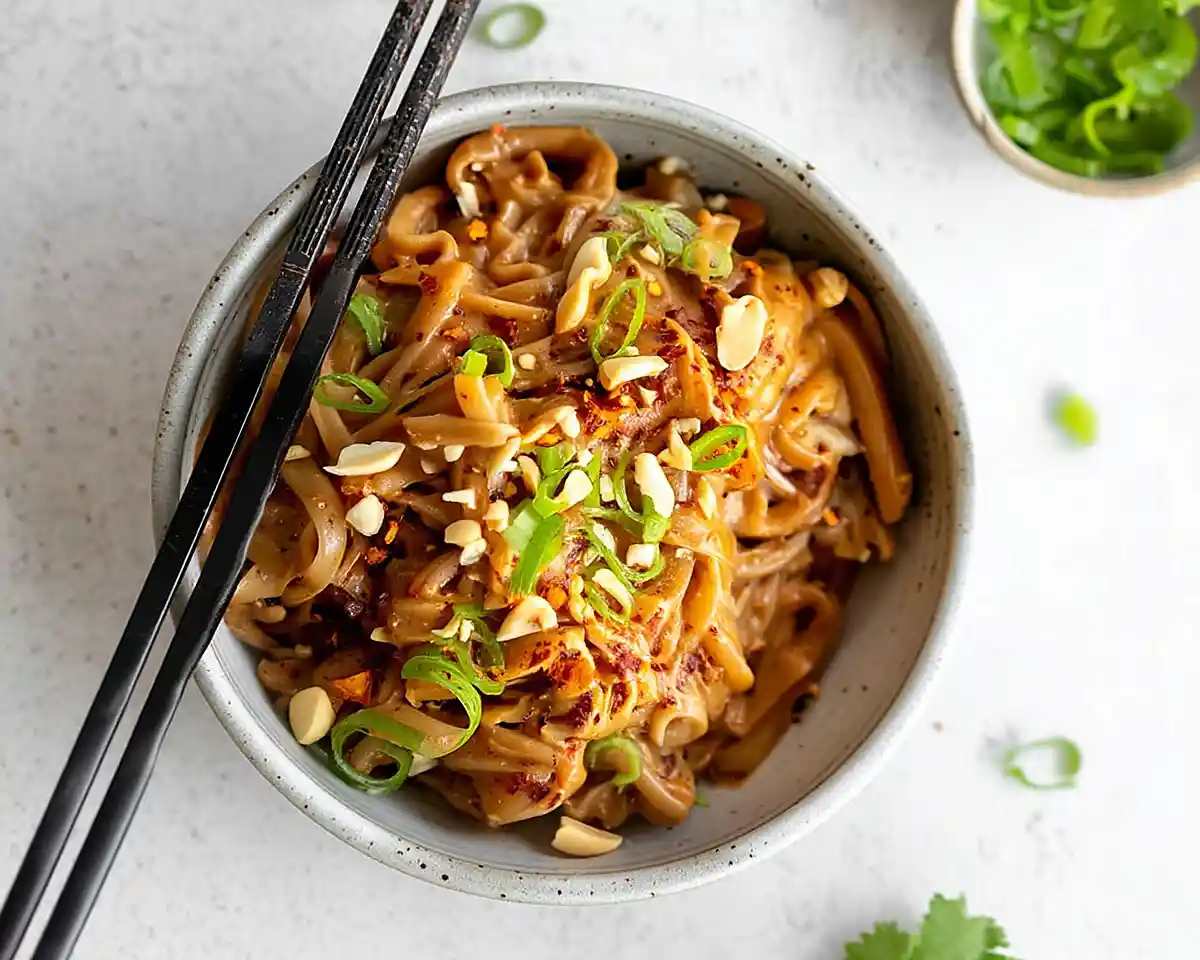
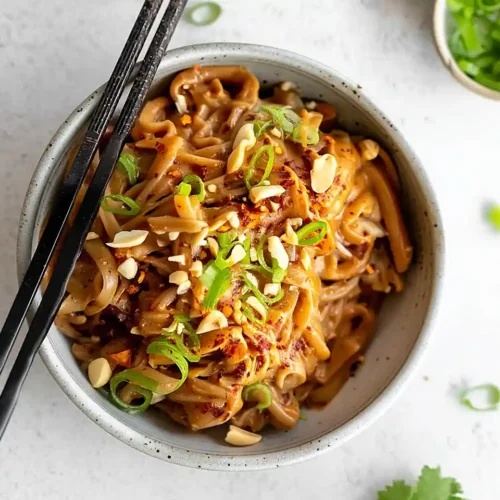
picy Peanut Butter Noodles made with brown rice noodles and creamy Thai-style sauce. Quick, vegan, gluten-free weeknight dinner ready in 20 minutes!
Creamy, nutty, and completely gluten-free! Enjoy this flavor-packed gluten-free pasta recipes for more quick and delicious meals.
You know what’s funny? I used to think Spicy Peanut Butter Noodles were something I could only order from my favorite Thai restaurant. Then one particularly busy Tuesday evening, I stood in my kitchen staring at a jar of peanut butter and some brown rice noodles, wondering if I could recreate that addictive, creamy-spicy magic at home.
Whether you’re navigating the gluten-free lifestyle as a beginner or just need a fast dinner that doesn’t sacrifice flavor, this recipe is about to become your new go-to. The best part? It’s completely customizable—add your favorite protein, toss in whatever veggies are hanging out in your crisper, or keep it simple with just the noodles and that incredible peanut sauce.
Table of Contents
Spicy Peanut Butter Noodles
Equipment
- Large pot
- Sauté pan
- Whisk
- Grater
- Knife
- Cutting board
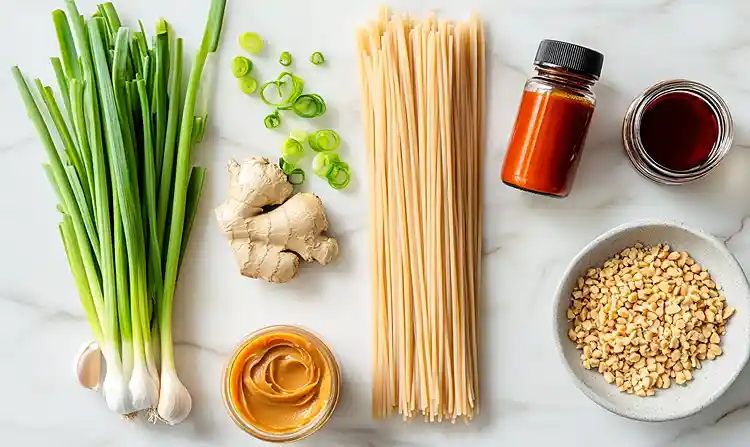
Ingredients
Noodles
- 16 ounces brown rice noodles
Aromatics
- 3 large garlic cloves or 4-5 small
- 1 tablespoon fresh grated ginger
- 1 tablespoon oil any neutral oil or olive oil
Sauce
- ⅔ cup creamy peanut butter low/no salt
- 4 tablespoons low sodium tamari or soy sauce
- ⅓-1 cup hot water
- 1 tablespoon rice vinegar
- 1 tablespoon toasted sesame oil
- 1-2 tablespoons sriracha
- 1-2 tablespoons maple syrup or honey
- ½ teaspoon red pepper flakes optional, can omit for less spice
- 2 teaspoons chili garlic sauce optional
Garnish
- crushed peanuts to taste
- scallions to taste
- red pepper flakes to taste
Instructions
- Bring a large pot of water to a rolling boil and cook your brown rice noodles according to the package instructions—usually about 7-8 minutes. While they’re cooking, you’ll have plenty of time to whip up the sauce. Drain the noodles when they’re tender but still have a slight bite, then set them aside.
- Finely mince your garlic cloves and add them to a sauté pan along with 1 tablespoon of oil. I typically use olive oil, but any neutral oil works beautifully here. Sauté over low heat for about 2 minutes, stirring occasionally, until the garlic turns golden brown and your kitchen smells absolutely amazing.
- Add the freshly grated ginger to the pan and sauté for 1 more minute, stirring constantly so nothing burns. The ginger should become fragrant and slightly softened. Remove the pan from heat immediately—this prevents the aromatics from overcooking while you build the sauce.
- Add all remaining sauce ingredients to the pan, starting with just 1/3 cup of hot water. Whisk everything together until the mixture is smooth and creamy—hot water helps the peanut butter incorporate much more easily than cold. Gradually add more water, a tablespoon at a time, until you reach your preferred consistency (I usually end up using about ½ cup total).
- Taste your sauce and adjust the seasonings to match your preferences. I almost always add an extra tablespoon of tamari because I love that salty-savory depth, but you might want more sriracha for heat or an extra drizzle of maple syrup for sweetness. This is your chance to make these Spicy Peanut Butter Noodles perfectly suited to your taste buds!
- Pour about half of the sauce over your cooked noodles and toss everything together until the noodles are evenly coated. I intentionally make extra sauce so you can add protein, veggies, or just more sauce if you’re like me and prefer things on the saucier side. Start with half and add more gradually—you can always add more, but you can’t take it away!
- Transfer to serving bowls and top with crushed peanuts, sliced scallions, and a sprinkle of red pepper flakes. These Peanut Rice Noodles Vegan-style pair beautifully with stir-fried vegetables, crispy tofu, or your favorite protein. Dig in while everything’s warm and enjoy that restaurant-quality flavor you just created at home!
Notes
Ingredients
| Component | Ingredient | Amount |
|---|---|---|
| Noodles | Brown rice noodles | 16 ounces |
| Aromatics | Large garlic cloves (or 4-5 small) | 3 |
| Fresh grated ginger | 1 tablespoon | |
| Oil (any neutral oil or olive) | 1 tablespoon | |
| Sauce | Creamy peanut butter (low/no salt)* | ⅔ cup |
| Low sodium tamari or soy sauce | 4 tablespoons | |
| Hot water | 1/3 – 1 cup | |
| Rice vinegar | 1 tablespoon | |
| Toasted sesame oil | 1 tablespoon | |
| Sriracha | 1-2 tablespoons | |
| Maple syrup or honey | 1-2 tablespoons | |
| Red pepper flakes | ½ teaspoon (optional) | |
| Chili garlic sauce (optional) | 2 teaspoons | |
| Garnish | Crushed peanuts, scallions, red pepper flakes | To taste |
*Use a brand without added sugar for best results—the maple syrup provides the perfect amount of sweetness.
Instructions
Step 1: Bring a large pot of water to a rolling boil and cook your brown rice noodles according to the package instructions—usually about 7-8 minutes. While they’re cooking, you’ll have plenty of time to whip up the sauce. Drain the noodles when they’re tender but still have a slight bite, then set them aside.
Step 2: Finely mince your garlic cloves and add them to a sauté pan along with 1 tablespoon of oil. I typically use olive oil, but any neutral oil works beautifully here. Sauté over low heat for about 2 minutes, stirring occasionally, until the garlic turns golden brown and your kitchen smells absolutely amazing.
Step 3: Add the freshly grated ginger to the pan and sauté for 1 more minute, stirring constantly so nothing burns. The ginger should become fragrant and slightly softened. Remove the pan from heat immediately—this prevents the aromatics from overcooking while you build the sauce.
Step 4: Add all remaining sauce ingredients to the pan, starting with just 1/3 cup of hot water. Whisk everything together until the mixture is smooth and creamy—hot water helps the peanut butter incorporate much more easily than cold. Gradually add more water, a tablespoon at a time, until you reach your preferred consistency (I usually end up using about ½ cup total).
Step 5: Taste your sauce and adjust the seasonings to match your preferences. I almost always add an extra tablespoon of tamari because I love that salty-savory depth, but you might want more sriracha for heat or an extra drizzle of maple syrup for sweetness. This is your chance to make these Spicy Peanut Butter Noodles perfectly suited to your taste buds!
Step 6: Pour about half of the sauce over your cooked noodles and toss everything together until the noodles are evenly coated. I intentionally make extra sauce so you can add protein, veggies, or just more sauce if you’re like me and prefer things on the saucier side. Start with half and add more gradually—you can always add more, but you can’t take it away!
Step 7: Transfer to serving bowls and top with crushed peanuts, sliced scallions, and a sprinkle of red pepper flakes. These Peanut Rice Noodles Vegan-style pair beautifully with stir-fried vegetables, crispy tofu, or your favorite protein. Dig in while everything’s warm and enjoy that restaurant-quality flavor you just created at home!
Substitutions
Peanut Butter Alternatives: If you’re dealing with peanut allergies, swap the peanut butter for almond butter or sunflower seed butter in equal amounts. The flavor profile shifts slightly, but you’ll still get that creamy, nutty richness that makes this dish so satisfying.
Noodle Options: Can’t find brown rice noodles? Regular rice noodles, gluten-free spaghetti, or even spiralized zucchini work wonderfully for this Vegan Spicy Thai Peanut Ramen-inspired recipe. Just adjust cooking times accordingly—zucchini noodles need barely any cooking at all.
Tamari Substitutes: If you’re out of tamari, coconut aminos provide a soy-free option with a touch more sweetness. You might want to reduce the maple syrup slightly if using coconut aminos. Regular gluten-free soy sauce works too, though tamari has that deeper umami flavor I absolutely love.
Heat Level Adjustments: For a milder version, simply omit the sriracha and red pepper flakes entirely. You’ll still have tons of flavor from the ginger, garlic, and sesame oil. For extra heat, add a spoonful of chili garlic sauce or use spicy chili oil in place of regular oil when sautéing.
Troubleshooting
Sauce Too Thick: If your peanut sauce resembles thick peanut butter instead of a pourable sauce, don’t panic! Add hot water one tablespoon at a time, whisking thoroughly between additions until it reaches that silky, coat-the-noodles consistency. Different peanut butter brands have varying thicknesses, so this is totally normal.
Noodles Sticking Together: Brown rice noodles can clump if they sit too long after draining. Toss them with a tiny drizzle of sesame oil immediately after draining to prevent sticking. If they’ve already clumped, a quick rinse under warm water and a gentle toss will separate them beautifully.
Sauce Tastes Flat: Well… this usually means it needs more salt or acid. Add another tablespoon of tamari for saltiness or a splash more rice vinegar for brightness. The balance between salty, sweet, spicy, and tangy is what makes these Spicy Peanut Butter Noodles sing, so don’t be shy about adjusting!
Garlic Burned: If your garlic turns dark brown or black, it’ll taste bitter—start over with fresh garlic. The key is keeping the heat low and watching carefully during those first 2 minutes. Golden brown is perfect; anything darker means the heat was too high.
Storage & Meal Prep
Store leftover Spicy Peanut Butter Noodles in an airtight container in the refrigerator for up to 4 days. The noodles will absorb some sauce as they sit, so I recommend keeping extra sauce in a separate container to refresh them when reheating. A tablespoon or two of hot water also helps bring back that just-made creaminess.
For meal prep, you can make the sauce up to 5 days ahead and store it separately from the noodles. Cook fresh noodles when you’re ready to eat, or prep everything and assemble individual portions for grab-and-go lunches. These noodles taste delicious cold too, making them perfect for packed lunches or summer picnics!
Serving Suggestions
These Peanut Rice Noodles Vegan-style are incredibly versatile and pair beautifully with countless additions. Serve them alongside my hearty gluten-free classic lentil soup for a cozy dinner spread, or top with crispy protein like my vegan sticky sesame chickpeas for added texture and nutrition.
For a complete meal, add sautéed bok choy, snap peas, bell peppers, or broccoli directly to the noodles. Edamame, cucumber ribbons, and shredded carrots make excellent fresh additions that add crunch and color. Man, oh man… throwing some crispy tofu or rotisserie chicken on top transforms this into something restaurant-worthy!
Variations
Vegan Thai Peanut Tofu Version: Press and cube extra-firm tofu, then pan-fry until golden and crispy. Toss the tofu directly in some of the peanut sauce before adding to your noodles. According to research on plant-based proteins, combining legumes like peanuts with soy-based tofu creates a complete protein profile that’s perfect for active families.
Kid-Friendly Mild Version: Skip the sriracha and red pepper flakes entirely, and add an extra tablespoon of maple syrup for a sweeter sauce kids absolutely devour. You can always offer hot sauce on the side for adults who want extra heat. My nieces request these “peanut noodles” for every family gathering—yes, even Thanksgiving!
Dairy-Free Creamy Upgrade: Stir in a tablespoon of full-fat coconut cream to the finished sauce for extra richness without any dairy. This creates an even more luscious texture that clings to every strand of noodle. It’s a small addition that makes these feel incredibly indulgent.
Cold Noodle Salad: Transform these into a refreshing cold noodle salad by tossing the dressed noodles with shredded cabbage, julienned carrots, cucumber, and fresh cilantro. Perfect for summer potlucks or meal prep when you want something light yet satisfying. The flavors actually intensify as they chill!
Spicy Peanut Butter Noodles FAQs
Can I make Spicy Peanut Butter Noodles ahead of time?
Absolutely! These noodles keep well for up to 4 days in the fridge, though they’re honestly best within the first 2 days. The noodles absorb sauce over time, so reserve some extra sauce to toss in when reheating—it’ll taste freshly made.
How do I reheat these noodles without drying them out?
Add a tablespoon of hot water or extra sauce to your portion before microwaving for 1-2 minutes, stirring halfway through. Alternatively, reheat in a pan over medium heat with a splash of water, tossing constantly until warmed through and silky again.
What’s the best peanut butter for this recipe?
Natural, creamy peanut butter with minimal ingredients works beautifully—look for versions with just peanuts and maybe salt. Avoid peanut butter with added sugar or oils, as they can make the sauce too sweet or separate strangely when whisked with hot water.
Can I freeze Spicy Peanut Butter Noodles?
While you technically can freeze them for up to 2 months, the texture of rice noodles changes significantly after freezing—they can become mushy or grainy. I recommend freezing just the sauce and preparing fresh noodles when you’re ready to eat for the best results.
How can I make this Vegan Spicy Thai Peanut Ramen spicier?
Increase the sriracha to 3 tablespoons, add extra red pepper flakes, or stir in a spoonful of sambal oelek for serious heat. You can also drizzle spicy chili oil over the finished dish—just a little goes a long way!
What protein pairs best with these noodles?
Crispy tofu, grilled chicken, sautéed shrimp, or even hard-boiled eggs are all fantastic options. For plant-based meals, try edamame, chickpeas, or my easy sesame chickpeas for added protein and texture that complements the peanut sauce perfectly.
These Spicy Peanut Butter Noodles prove that quick weeknight dinners don’t have to be boring or complicated. With just 20 minutes and a handful of pantry staples, you’ll have a restaurant-quality meal that satisfies everyone at the table. The beauty of this recipe lies in its flexibility—make it as spicy or mild as you like, add whatever protein or vegetables you have on hand, and adjust the sauce consistency to your preference.
For more quick gluten-free dinner inspiration, check out my collection of easy weeknight Asian-inspired recipes or try these creative rice paper dessert rolls when you’re craving something sweet after dinner. Once you master this basic peanut sauce technique, you’ll find yourself using it for everything from salad dressings to stir-fry bases!