Gluten-Free Coffee Steak Marinade Recipe
Learn how to make this gluten-free coffee steak marinade recipe with 12 pantry ingredients, a 2–6 hour marinate time, and tips for tender steak.
Honestly… I ruined my first batch of coffee-marinated steak by leaving it in the fridge for a full 24 hours. I figured longer meant more flavor. The steak came out gray, mealy, and soft. That batch taught me that a gluten-free coffee steak marinade recipe lives or dies by timing.
It took a few more tries to land on this version. Cooled strong coffee, balsamic, maple, and smoked paprika build a savory, slightly bittersweet crust, and a firm 2–6 hour window keeps the steak’s texture intact. Every packaged ingredient, from the Worcestershire to the Dijon, is gluten-free.
Table of Contents
What Makes This Gluten-Free Coffee Steak Marinade Different
- Flavor payoff: smoky, savory, and slightly sweet, with a deep brown sear from the maple and coffee.
- Difficulty: beginner. You whisk one bowl and let the fridge do the work, but you do need to watch the clock.
- Unique advantages: dairy-free, free of gluten when you use certified products, and the unused marinade freezes well.
- Where it shines: weeknight dinners you prep in the morning, and weekend cookouts where you’re feeding a crowd.
The Fix Behind Every Common Gluten-Free Coffee Steak Marinade Recipe Failure
Most coffee marinade failures come down to time, moisture, and hidden gluten. This recipe addresses all three. The steps below explain the reasoning so you can adapt it with confidence.
- A 2–6 hour window: acid in the balsamic and coffee changes the surface proteins, and a marinade only works its way a few millimeters into the meat. Too long, and that outer layer turns mushy instead of tender.
- Oil as a flavor carrier: the olive oil carries the fat-soluble flavors of the smoked paprika, cumin, and garlic across the surface of the steak.
- Maple for browning: sugar and amino acids react during searing, which is what builds that dark, savory crust. Patting the steak dry first lets it sear instead of steam.
- Certified gluten-free sauces: Worcestershire and Dijon are the usual hiding places for gluten, so I call for products labeled gluten-free.
For the spices, the Beyond Celiac guide to gluten in spices and seasonings explains why single-ingredient spices are generally safer than blends. Smoked paprika, cumin, and onion powder should list only the spice itself.
Ingredients
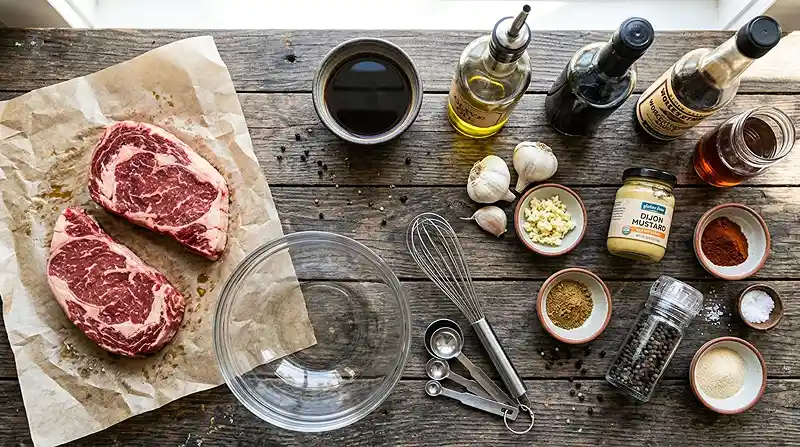
This makes about 1 cup of marinade, enough for 2–3 lb of steak. Check the labels on the Worcestershire sauce and Dijon mustard before you start.
Wet Ingredients
- 1/2 cup strong brewed coffee, cooled
- 1/4 cup olive oil
- 2 tbsp balsamic vinegar
- 2 tbsp gluten-free Worcestershire sauce
- 1 tbsp maple syrup
- 1 tsp Dijon mustard, gluten-free
Aromatics and Dry Seasonings
- 3 cloves garlic, minced
- 1 tsp smoked paprika
- 1/2 tsp ground cumin
- 1/2 tsp freshly ground black pepper
- 1/2 tsp salt
- 1/4 tsp onion powder
Ingredient note: the coffee must be cooled. Hot coffee can start to cook the surface of the steak and gives you a grayish exterior.
Instructions
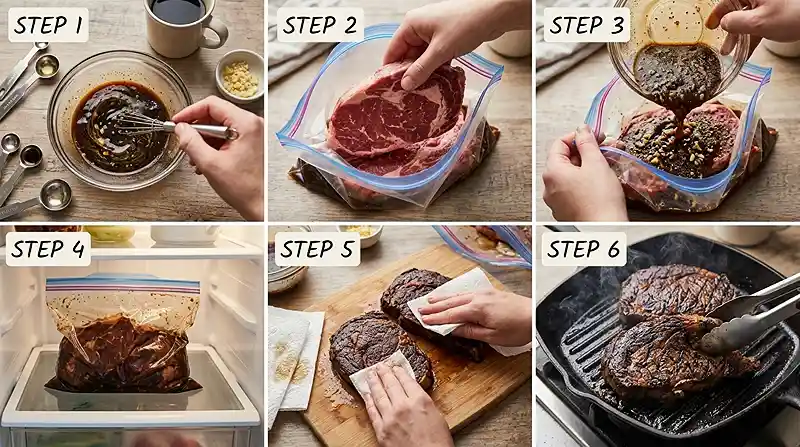
- Add the cooled coffee, olive oil, balsamic vinegar, gluten-free Worcestershire sauce, maple syrup, garlic, Dijon mustard, smoked paprika, cumin, black pepper, salt, and onion powder to a bowl.
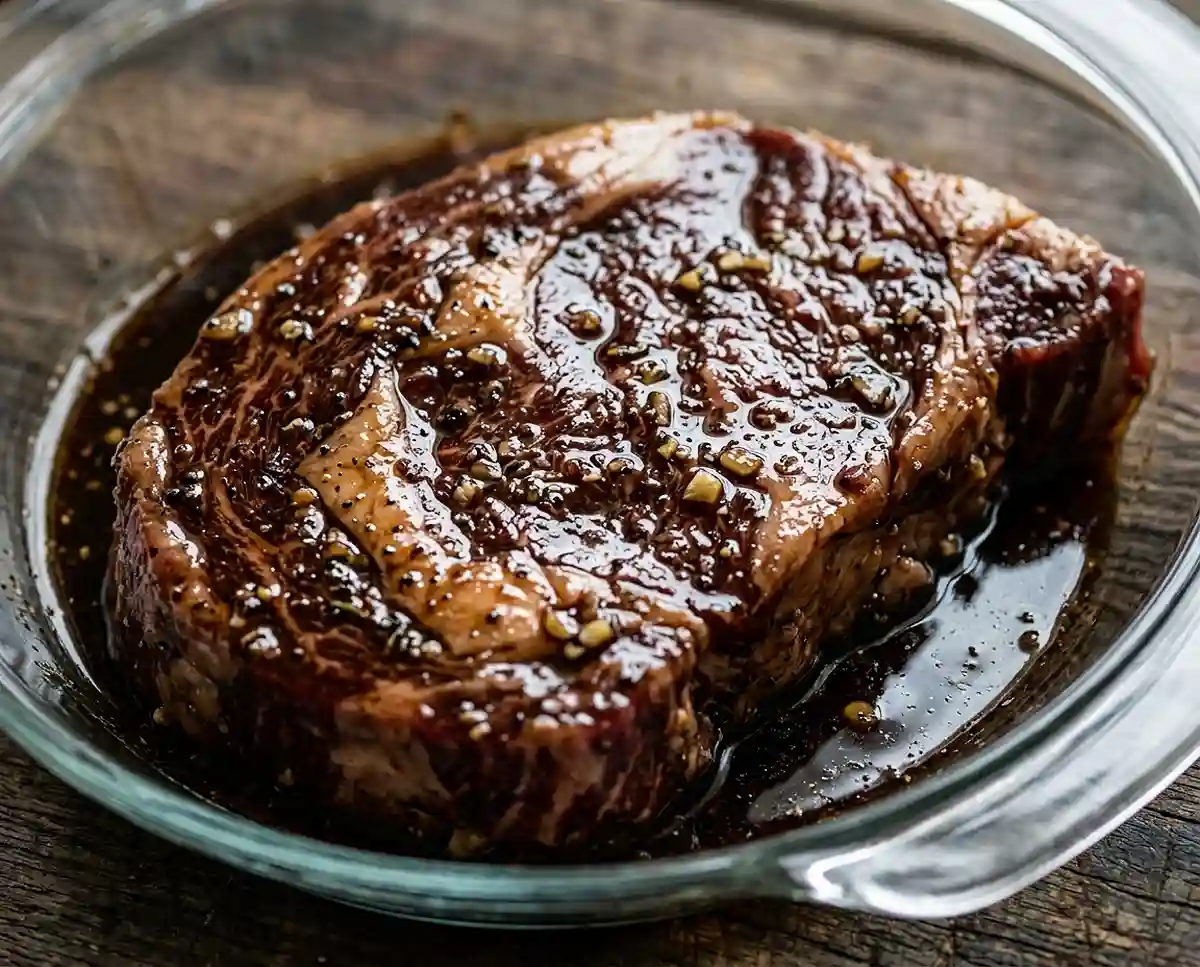
- Whisk until thoroughly combined. The marinade should look glossy and slightly thickened, with the oil emulsified into the coffee rather than floating on top.
- Place the steaks in a large resealable bag or shallow glass dish and pour the marinade over them. Press out the extra air so the liquid coats every side.
- Seal or cover and refrigerate for 2–6 hours. Avoid marinating longer than 8 hours so the texture of the steak stays firm.
What I learned: my 24-hour experiment left the steak mealy. Set a timer on your phone when it goes in the fridge. - Remove the steaks from the marinade and pat them dry before cooking. Discard the used marinade, following USDA food safety guidance for marinating.
What I learned: wet steak steams in the pan. A dry surface is what gives you a crust. - Cook the steaks using your preferred method until they reach your desired doneness. Look for a deep mahogany crust and a smoky, roasted aroma, and use an instant-read thermometer to check.
- Let the steaks rest for 5–10 minutes before slicing. Resting lets the juices settle back into the meat instead of running onto the board.
Swap It Without Breaking It
Decaf brewed coffee works as a one-for-one swap for the coffee in this gluten-free coffee steak marinade. You get the same roasted flavor without the caffeine. Just keep it strong and fully cooled.
Here’s the thing… honey can stand in for the maple syrup, but it burns faster over high heat. If you use it, watch the sear closely and lower the heat a notch. Maple gives you a bit more forgiveness.
Red wine vinegar or apple cider vinegar can replace the balsamic. Both are sharper and less sweet, so the finished coffee steak marinade tastes tangier. Stick to the same marinating time, because they’re just as acidic.
If you can’t find gluten-free Worcestershire sauce, use gluten-free tamari. It brings the same salty, savory depth, though it lacks the tamarind tang. Regular soy sauce is not a substitute, because it usually contains wheat.
For a coffee rub steak, skip the liquid. Rub the steak with a little olive oil, then press the dry spices and finely ground coffee onto the surface just before cooking. A dry rub gives you a thicker crust but no tenderizing effect.
When Things Go Sideways
Problem: the steak is mushy or mealy. It marinated too long. Stay inside the 2–6 hour window and never go past 8 hours, because the acid keeps breaking down the outer layer of protein the longer it sits.
Problem: the steak is gray with no crust. The surface was wet or the pan wasn’t hot enough. Pat the steak very dry and wait until the pan or grill is smoking hot before the steak goes on.
Problem: the crust tastes bitter or burnt. Oh boy… this one usually means bits of garlic and sugar scorched. Wipe off the heavy garlic pieces before cooking and lower the heat slightly, because sugar caramelizes quickly and then turns acrid.
Problem: the coffee flavor is barely there. Brew the coffee stronger next time instead of marinating longer. The coffee works on the surface, so extra time only risks the texture.
Storage & Meal Prep
| Method | Duration | Notes |
|---|---|---|
| Counter | Not recommended | Always marinate in the fridge. Cooked steak should sit out 2 hours at most. |
| Fridge (unused marinade) | Up to 3 days | Sealed jar; shake before using. Never reuse marinade that touched raw meat. |
| Fridge (cooked steak) | 3-4 days | Airtight container |
| Freezer (unused marinade or cooked steak) | 2-3 months | Freeze in individual portions; thaw overnight in the fridge |
Reheat sliced steak gently in a skillet over low heat with a splash of water or gluten-free broth. High heat will overcook it and turn it tough.
Leftover sliced steak is great over salads, in wraps, or alongside a creamy, high-protein egg salad for a quick lunch.
Straight Answers to Real Questions
Can I use this coffee steak marinade on chicken or pork?
Yes, it works on both. Use a shorter marinating time, and cook chicken and pork to their safe internal temperatures. Always discard the marinade after it touches raw meat.
How do I make sure this marinade is gluten-free?
Buy Worcestershire sauce and Dijon mustard labeled gluten-free, and choose single-ingredient spices. Read the label every time, since formulas can change.
What’s the best cut of steak for a coffee marinade?
Flank, skirt, and sirloin are the best choices, because their lean, fibrous texture takes up flavor well. Thicker cuts like ribeye also work, but they need less marinating time.
Why did my steak turn mushy after marinating?
It almost certainly marinated too long. The acid in the balsamic and coffee softens the outer layer of the meat, so stay within 2–6 hours and never go past 8.
Is it worth making the marinade ahead of time?
Yes. You can whisk it up to 3 days ahead and keep it in a sealed jar in the fridge. Since the coffee has to cool anyway, why not make it the night before?
Serving Suggestions
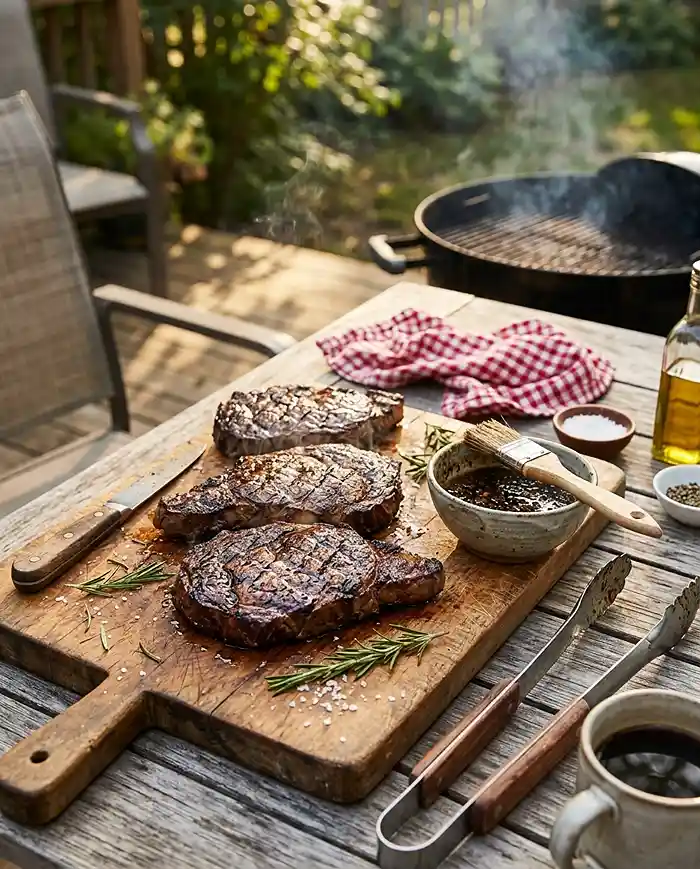
This steak is a natural fit for cookout season. I make it every Fourth of July, sliced thin and piled next to beginner-friendly pizza beans and a big green salad.
For dessert, easy gluten-free salted caramel chocolate cupcakes echo the bittersweet notes from the coffee crust.
If you try this gluten-free coffee steak marinade recipe, leave a star rating and tell me how it went. Share your failures too, since that’s how I learned the 24-hour lesson. And pin it to Pinterest so other gluten-free families can find it.
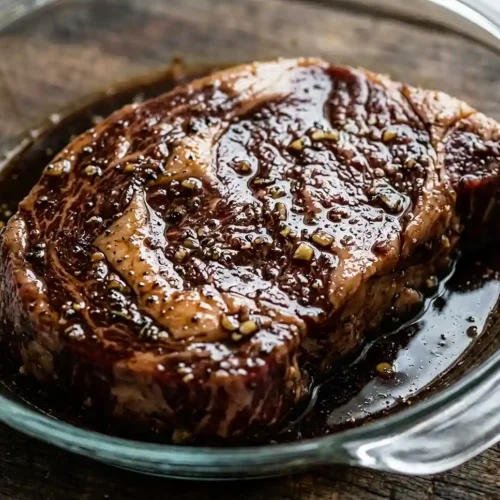
Gluten-Free Coffee Steak Marinade Recipe, Simple and Smoky
Equipment
- Mixing bowl
- Whisk
- Large resealable bag or shallow glass dish
- Instant-read thermometer
Ingredients
Wet Ingredients
- ½ cup strong brewed coffee cooled
- ¼ cup olive oil
- 2 tbsp balsamic vinegar
- 2 tbsp gluten-free Worcestershire sauce
- 1 tbsp maple syrup
- 1 tsp Dijon mustard gluten-free
Aromatics and Dry Seasonings
- 3 cloves garlic minced
- 1 tsp smoked paprika
- ½ tsp ground cumin
- ½ tsp freshly ground black pepper
- ½ tsp salt
- ¼ tsp onion powder
Instructions
- Add the cooled coffee, olive oil, balsamic vinegar, gluten-free Worcestershire sauce, maple syrup, garlic, Dijon mustard, smoked paprika, cumin, black pepper, salt, and onion powder to a bowl.
- Whisk until thoroughly combined and the oil is emulsified into the coffee.
- Place the steaks in a large resealable bag or shallow glass dish and pour the marinade over them. Press out excess air so the marinade coats all sides.
- Seal or cover and refrigerate for 2–6 hours. Avoid marinating longer than 8 hours to keep the steak texture firm.
- Remove the steaks from the marinade and pat them dry before cooking. Discard the used marinade.
- Cook the steaks using your preferred method until they reach your desired doneness. Use an instant-read thermometer to check the internal temperature.
- Let the steaks rest for 5–10 minutes before slicing.