Gluten-Free pasta from italy
Gluten-free pasta from Italy explained—learn which Italian pasta is safe, how to cook it perfectly, plus authentic Italian-style recipe ready in 30 minutes.
Three years ago, I stood in an Italian specialty shop staring at beautiful imported pasta boxes, desperately trying to decode ingredient lists in Italian to figure out if any were gluten-free. A well-meaning store clerk insisted that “real Italian pasta has less gluten” and “people with celiac eat it in Italy all the time”—claims that made my stomach drop because I knew they were dangerously wrong. That day taught me the critical difference between gluten-free pasta from Italy (which absolutely exists and is safe) and regular Italian pasta (which contains the same gluten as any wheat pasta worldwide).
The confusion around gluten-free pasta from Italy stems from a persistent myth that Italian wheat somehow contains less gluten or that traditional preparation methods make it safer for celiac disease. The truth? Italian pasta made from wheat (grano duro) contains just as much gluten as pasta made anywhere else. However, Italy produces some of the world’s best certified gluten-free pasta using rice, corn, and legume flours—and these are the only safe options for anyone avoiding gluten.
Well… have you ever wondered if that beautiful package of imported Italian pasta sitting in your pantry is actually gluten-free, or if you’re risking your health based on internet myths? Let me clear up the confusion once and for all.
Why You’ll Love This Gluten-Free Italian-Style Pasta
- Authentic Italian flavors with safe ingredients: Use certified gluten-free pasta brands from Italy like Barilla Gluten Free, Rummo, or Garofalo for genuine Italian quality without wheat
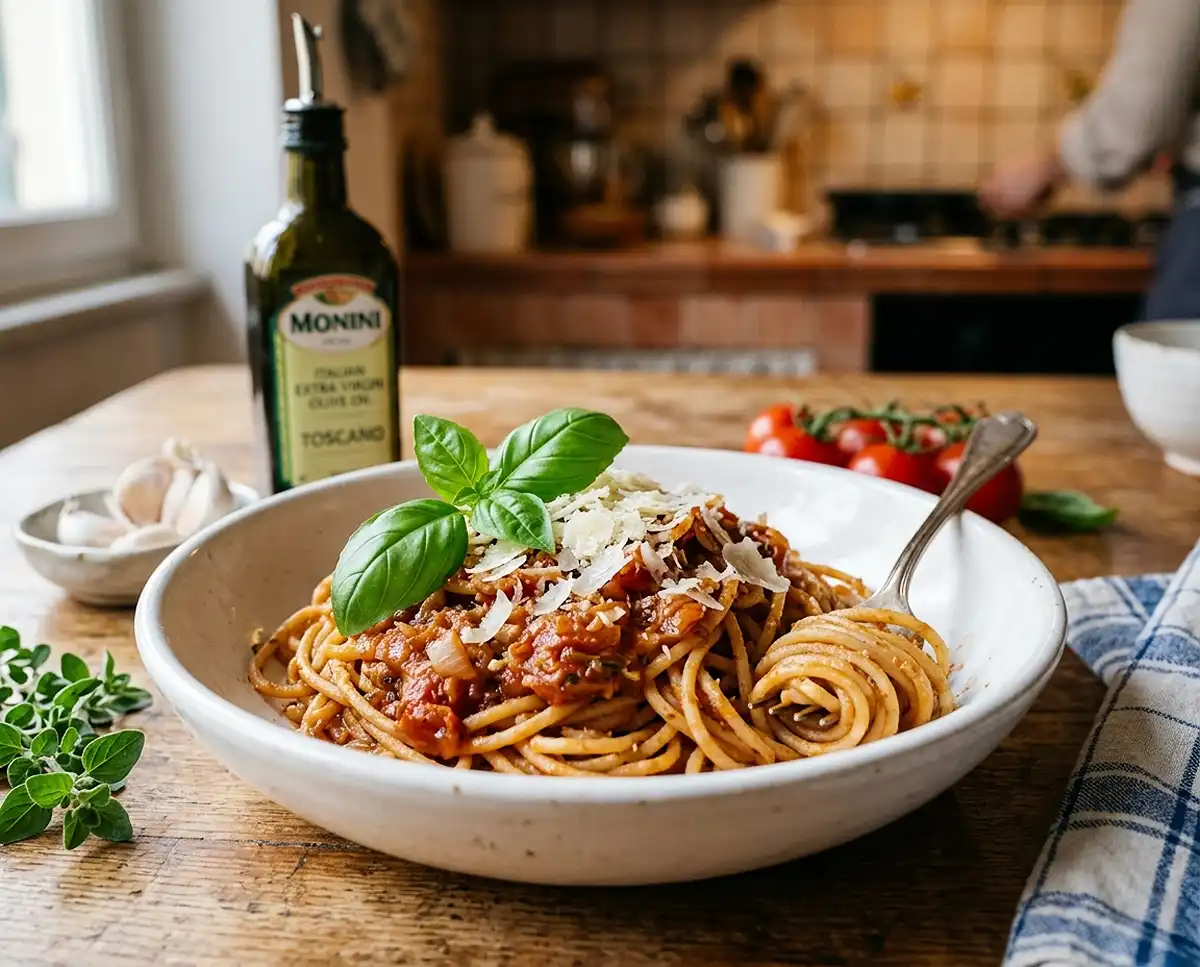
- 30-minute weeknight meal: Cook pasta, simmer a simple tomato-garlic sauce with oregano and fresh basil, toss everything together—dinner’s done before the kids finish homework
- Texture that actually holds up: Italian-made gluten-free pasta uses superior blends (often rice and corn) that stay firm and don’t turn to mush like cheaper brands
- Naturally dairy-optional and customizable: Skip the parmesan for dairy-free meals, or add proteins like grilled chicken, shrimp, or white beans without altering the base recipe
The Secret to Perfect Gluten-Free Pasta from Italy
Italian gluten-free pasta brands use superior flour blends: Companies like Barilla Gluten Free and Rummo invested years perfecting rice-corn combinations that mimic traditional pasta’s texture and bite. Their formulas create structure without xanthan gum or eggs, resulting in pasta that holds sauce beautifully and doesn’t fall apart—a game-changer compared to early gluten-free pasta that dissolved into porridge.
Cooking in abundant salted water prevents sticking: Gluten-free pasta releases more starch than wheat pasta, so it needs at least 4 quarts of water per pound to move freely and cook evenly. The generous water-to-pasta ratio (detailed in research from the Gluten Intolerance Group’s cooking guidelines) prevents clumping and ensures each piece cooks uniformly without sticky spots.
Slightly undercooking prevents mushiness: Italian gluten-free pasta continues cooking from residual heat after draining, so pulling it 1-2 minutes before the package’s recommended time delivers that perfect al dente texture. Overcooked gluten-free pasta can’t be salvaged—it turns gummy and breaks apart. Testing a piece at the minimum cook time lets you catch it at the ideal moment.
Simple sauces let quality pasta shine: Traditional Italian cooking philosophy (cucina povera) relies on few high-quality ingredients rather than heavy, complicated sauces. A basic tomato sauce with good olive oil, fresh garlic, oregano, and basil allows the pasta’s texture and mild corn-rice flavor to complement rather than compete—exactly how Italians have cooked for centuries.
Table of Contents
Ingredients
For the Pasta:
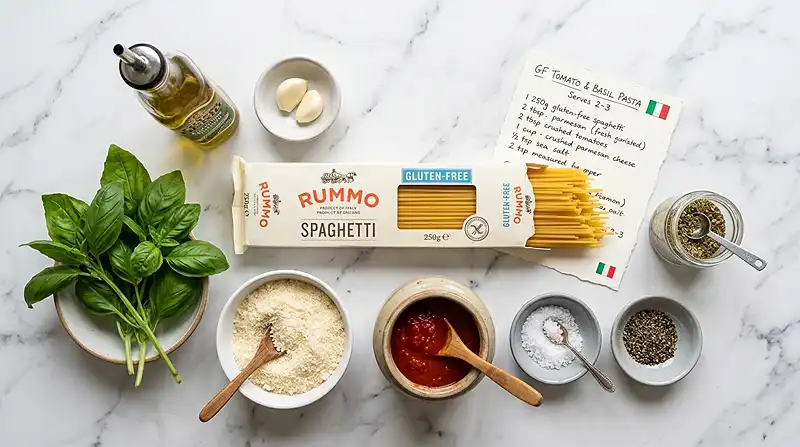
- 250 g gluten-free pasta (8.8 oz; Italian-style spaghetti or penne—look for Barilla Gluten Free, Rummo, or Garofalo brands)
- Large pot of salted water (at least 4 quarts)
For the Sauce:
- 2 tablespoons extra-virgin olive oil
- 2 cloves garlic, minced
- 2 cups tomato sauce or crushed tomatoes (check label for gluten-free certification)
- 1 teaspoon dried oregano
- Salt and black pepper, to taste
- Fresh basil leaves (6-8 leaves, torn)
- Grated parmesan cheese (optional; omit for dairy-free)
Serves: 2-3 (or 4 as a side dish)
Prep time: ~10 minutes
Cook time: ~20 minutes
Total time: ~30 minutes
Step-by-Step Instructions
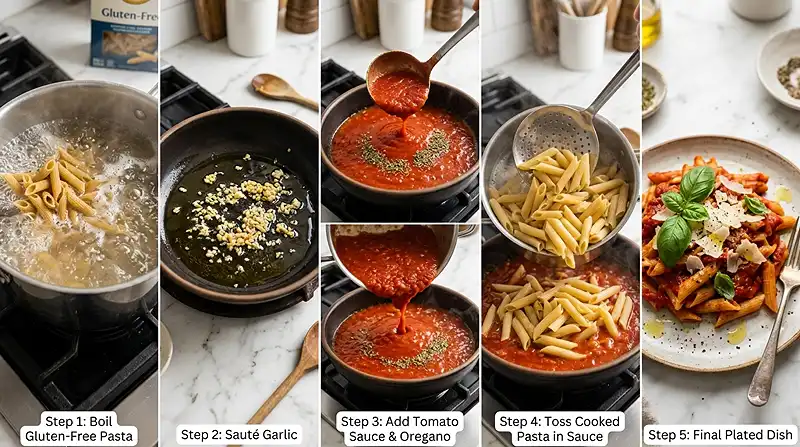
Step 1: Bring water to a rolling boil
Fill a large pot (at least 6-quart capacity) with 4-5 quarts of cold water and add 1-2 tablespoons salt. Bring to a vigorous, rolling boil over high heat—you should see large bubbles breaking the surface constantly. Gluten-free pasta needs this much water to prevent sticking and cook evenly.
Step 2: Cook pasta according to package directions
Add 250 g gluten-free pasta to the boiling water and stir immediately with a wooden spoon to prevent clumping. Set a timer for 1-2 minutes less than the package’s minimum cook time (usually 8-10 minutes for spaghetti, 10-12 for penne). Stir occasionally—gluten-free pasta sticks more easily than wheat pasta during the first 2-3 minutes.
Pro Tip: Start checking the pasta 1 minute before your timer goes off. Bite a piece—it should be tender with a slight firmness in the center (al dente). If it’s still crunchy, cook 1 more minute and test again.
Step 3: Prepare the sauce while pasta cooks
Heat 2 tablespoons olive oil in a large skillet or sauté pan over medium heat for 30 seconds until it shimmers. Add 2 cloves minced garlic and sauté for exactly 1 minute, stirring constantly—you’ll smell a toasty, aromatic fragrance but the garlic shouldn’t brown. Burnt garlic tastes bitter and ruins the sauce.
Step 4: Build the tomato sauce
Pour 2 cups tomato sauce (or crushed tomatoes) into the pan with the garlic. Add 1 teaspoon dried oregano, a generous pinch of salt, and a few grinds of black pepper. Stir everything together and bring to a gentle simmer (small bubbles around the edges). Reduce heat to medium-low and cook for 10-15 minutes, stirring occasionally, until the sauce thickens slightly and the raw tomato taste mellows.
Step 5: Drain pasta and combine with sauce
When the pasta reaches al dente, drain it in a colander but don’t rinse—the residual starch helps sauce cling to the pasta. Immediately add the drained pasta to the skillet with the tomato sauce. Toss gently with tongs or a large spoon for 30-60 seconds, letting the pasta absorb some sauce and finish cooking from the residual heat.
Step 6: Finish with fresh basil and serve
Remove the pan from heat and tear 6-8 fresh basil leaves over the pasta, tossing once more to distribute. The heat will release the basil’s aromatic oils without cooking it. Serve immediately in shallow bowls, topping with freshly grated parmesan cheese if desired. The pasta will continue to absorb sauce as it sits, so serve within 5 minutes for best texture.
Make It Your Own
Protein additions for complete meals:
Toss in 1 cup cooked shrimp (peeled and deveined), 2 cooked and sliced chicken breasts, or 1 can drained white beans during the final toss with sauce. You know what works beautifully? Crumbled Italian sausage browned in the pan before adding garlic—the rendered fat replaces some of the olive oil and adds deep, savory flavor.
Vegetable variations for more nutrition:
Sauté 2 cups baby spinach, 1 cup sliced mushrooms, or 1 diced zucchini in the olive oil before adding garlic. Cherry tomatoes (1 cup, halved) can simmer in the sauce for bursts of fresh tomato flavor. Roasted red peppers (½ cup, sliced) add sweetness and color without extra cooking time.
Different pasta shapes for variety:
Swap spaghetti for penne, fusilli, or rigatoni using the exact same sauce—just adjust cooking time according to the new shape’s package directions. Smaller shapes like orzo or ditalini work for pasta-in-brodo (pasta in broth) if you thin the sauce with 1 cup vegetable or chicken stock. Wide shapes like pappardelle pair beautifully with chunkier sauces if you dice the tomatoes instead of using sauce.
Dairy-free and vegan adaptations:
Skip the parmesan entirely or use nutritional yeast (2 tablespoons) for a cheesy, umami flavor without dairy. Many imported Italian gluten-free pastas are already egg-free, making them naturally vegan—just verify the ingredient list. Cashew cream (¼ cup blended soaked cashews) stirred into the sauce at the end creates richness without dairy.
Spice level adjustments:
Add ¼-½ teaspoon red pepper flakes with the garlic for gentle heat (classic Italian arrabbiata style), or use 1-2 diced fresh jalapeños for more aggressive spice. A tablespoon of capers adds briny, salty pops that balance the sweet tomatoes beautifully—very traditional in Southern Italian cooking.
Common Problems & Solutions
Problem: Pasta turns mushy and falls apart
Direct Solution: You overcooked it or didn’t use enough water—pull gluten-free pasta 1-2 minutes before the package’s minimum time.
Explanation: Gluten-free pasta has no gluten structure to hold it together, so overcooking by even 2 minutes causes complete breakdown. The 4-quart minimum water requirement isn’t optional—less water means the pasta sits in concentrated starch, which makes it gummy. Man, oh man, I’ve ruined enough batches to know that timer discipline is everything with gluten-free pasta.
Problem: Sauce won’t stick to pasta
Direct Solution: Don’t rinse the pasta after draining, and toss it with sauce while both are still hot.
Explanation: The starchy coating on drained (unrinsed) gluten-free pasta acts like natural glue for sauce adherence. Rinsing washes away this starch along with the pasta’s heat, preventing proper sauce absorption. If your sauce is too thin, let it simmer an extra 5 minutes to reduce and thicken before adding pasta—watery sauce slides right off.
Problem: Pasta clumps together in a solid mass
Direct Solution: Stir the pasta within the first 2 minutes of cooking and use enough water.
Explanation: Gluten-free pasta releases surface starch immediately when it hits boiling water, and without stirring, pieces stick to each other permanently. Adding pasta to water that’s not at a full rolling boil also causes clumping since the pasta sinks to the bottom before the water returns to temperature. Use a large pot and stir vigorously right after adding the pasta.
Problem: Pasta tastes bland and flavorless
Direct Solution: Salt your pasta water generously (it should taste like the ocean) and season the sauce properly.
Explanation: Gluten-free pasta made from rice and corn has milder flavor than wheat pasta, so it needs well-salted cooking water to add flavor from the inside out. Underseasoning the tomato sauce compounds the problem—taste your sauce before adding pasta and adjust salt until it tastes vibrant on its own.
Storage & Meal Prep
| Method | Duration | Notes |
|---|---|---|
| Refrigerator (cooked pasta with sauce) | 3-4 days | Store in airtight container; texture softens as pasta absorbs sauce |
| Refrigerator (cooked pasta, no sauce) | 2-3 days | Toss with 1 tsp olive oil to prevent sticking; add fresh sauce when reheating |
| Freezer (cooked pasta with sauce) | 1-2 months | Texture degrades slightly; best for casseroles or baked dishes |
| Counter | Not recommended | Cooked pasta spoils quickly at room temperature |
Reheating without mushiness: Add 2-3 tablespoons water or broth to refrigerated pasta before microwaving at 50% power for 2-3 minutes, stirring halfway through. The added liquid re-hydrates the pasta without overcooking it. Stovetop reheating in a skillet over medium-low heat works even better—add a splash of water and stir constantly for 3-4 minutes.
Meal prep strategy: Cook a double batch of pasta on Sunday, toss with olive oil (to prevent sticking), and store in the fridge. Each night, reheat a portion with different sauces—marinara Monday, pesto Tuesday, garlic-oil Wednesday—for easy weeknight variety without cooking pasta daily.
Gluten-Free pasta from italy FAQs
Is pasta from Italy gluten-free?
No—regular pasta from Italy (made from grano duro or wheat) contains gluten just like pasta made anywhere else. The myth that Italian wheat has less gluten is false and dangerous for people with celiac disease. However, Italy produces excellent certified gluten-free pasta brands using rice, corn, quinoa, and legume flours that are completely safe and widely available. Always check for “senza glutine” (gluten-free) certification on Italian pasta packages.
Is it true pasta from Italy is gluten-free?
No—this is a persistent and dangerous myth. Traditional Italian pasta (pasta di grano duro) is made from durum wheat semolina, which contains high levels of gluten. What IS true is that Italy has strict gluten-free certification laws (regulated by the Italian Celiac Association) and produces some of the world’s best gluten-free pasta using alternative flours. If you have celiac disease, only eat Italian pasta clearly labeled “senza glutine” with official certification symbols, as explained in the Celiac Disease Foundation’s international food safety guide.
Is pasta imported from Italy gluten-free?
Only if it’s specifically labeled as gluten-free (“senza glutine”). Most imported Italian pasta is traditional wheat-based and contains gluten. Italian brands like Barilla Gluten Free, Rummo Senza Glutine, and Garofalo Gluten Free make certified gluten-free versions that are imported to the US—these are safe. Never assume pasta is gluten-free just because it’s from Italy or because the box looks “artisanal” or “ancient grain”—read every ingredient list and look for gluten-free certification symbols.
What’s the best Italian gluten-free pasta brand?
Barilla Gluten Free and Rummo Senza Glutine consistently deliver the best texture and flavor. Both use corn-rice blends that hold al dente firmness and don’t fall apart during cooking. Barilla’s blue-box gluten-free line is widely available in US grocery stores, while Rummo (slightly harder to find) has a more authentic Italian texture. Garofalo Gluten Free offers good quality at mid-range prices. Always look for the certified gluten-free symbol—crossed grain—on Italian imports.
Can I use regular Italian cooking techniques with gluten-free pasta?
Yes, but with slight modifications—mainly watching cook time closely and using extra water. Traditional Italian techniques like reserving pasta water to thin sauce, tossing pasta with sauce to finish cooking (mantecatura), and serving immediately all work beautifully with quality gluten-free pasta. The main difference is that gluten-free pasta cooks faster and overcooks more easily, so test for doneness 1-2 minutes before the package’s minimum time. Beyond that, treat it exactly like regular pasta.
Serving Suggestions
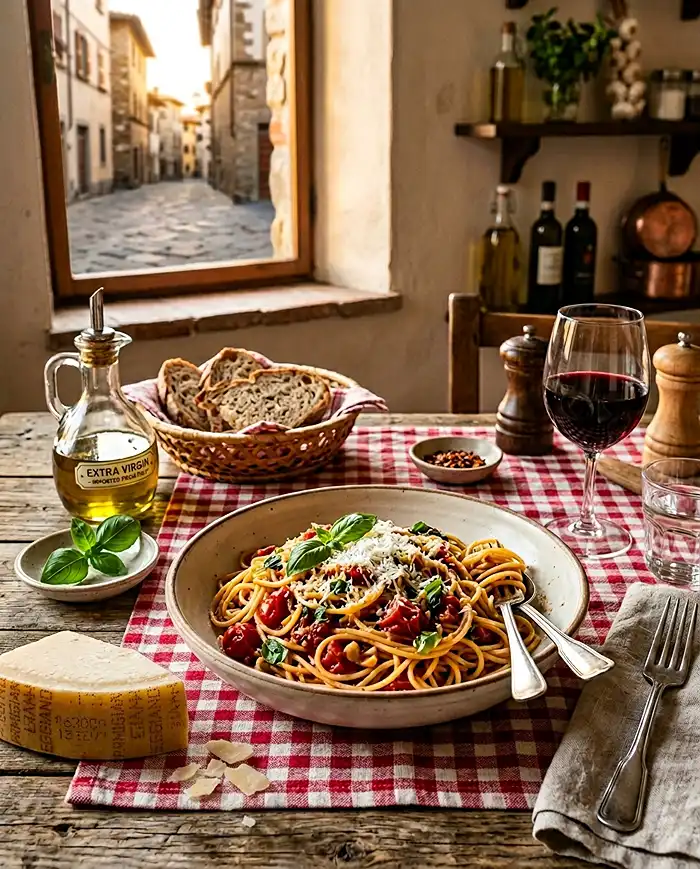
Serve this gluten-free Italian-style pasta as a weeknight family dinner alongside a simple green salad with Italian dressing and crusty gluten-free bread for sopping up extra sauce. For holiday meals like Christmas Eve (when many Italian families serve multiple pasta courses), this makes an excellent primo piatto before serving fish or meat dishes.
Pair with our roasted red pepper white bean dip as an appetizer to carry the Mediterranean theme through the meal, or serve gluten-free crispy rice salmon bites on the side for added protein. Finish with gluten-free tropical fruit popsicles for a refreshing, light dessert that cleanses the palate after the rich tomato sauce.
This recipe scales beautifully for large gatherings—just cook pasta in batches (never crowd the pot) and keep the cooked pasta warm in a covered bowl while you prepare multiple batches of sauce in a large skillet.
Give It a Try
Now that you understand the truth about gluten-free pasta from Italy—that “regular” Italian pasta is NOT gluten-free, but certified gluten-free Italian brands are absolutely worth buying—you can shop confidently and cook authentic Italian-style meals safely. This simple tomato-basil pasta showcases why Italian gluten-free brands dominate the market.
Make this recipe this week and taste the difference quality pasta makes. Pin it for your weeknight dinner rotation, and drop a comment sharing which Italian gluten-free brand you prefer—your experience helps other readers navigate the confusing pasta aisle!
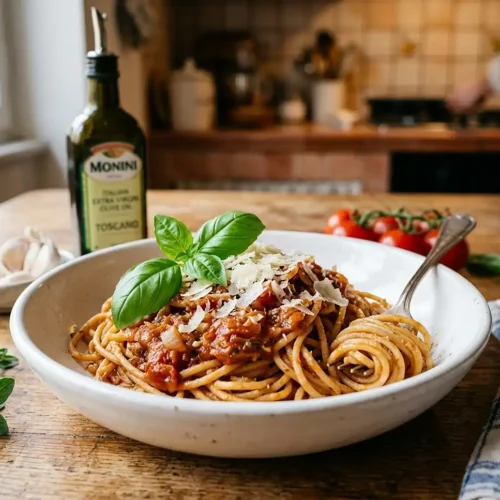
Gluten-Free Pasta from Italy
Equipment
- Large pot (at least 6-quart capacity)
- Large skillet or sauté pan
- Colander
- Wooden spoon
- Tongs or large serving spoon
- Measuring cups and spoons
- Knife and cutting board
- Cheese grater (optional)
Ingredients
For the Pasta
- 250 g gluten-free pasta 8.8 oz; Italian-style spaghetti or penne—look for Barilla Gluten Free, Rummo, or Garofalo brands
- 4-5 quarts water for boiling pasta
- 1-2 tablespoons salt for pasta water
For the Sauce
- 2 tablespoons extra-virgin olive oil
- 2 cloves garlic minced
- 2 cups tomato sauce or crushed tomatoes check label for gluten-free certification
- 1 teaspoon dried oregano
- salt and black pepper to taste
- 6-8 leaves fresh basil leaves torn
- grated parmesan cheese optional; omit for dairy-free
Instructions
- Fill a large pot (at least 6-quart capacity) with 4-5 quarts of cold water and add 1-2 tablespoons salt. Bring to a vigorous, rolling boil over high heat—you should see large bubbles breaking the surface constantly. Gluten-free pasta needs this much water to prevent sticking and cook evenly.
- Add 250 g gluten-free pasta to the boiling water and stir immediately with a wooden spoon to prevent clumping. Set a timer for 1-2 minutes less than the package’s minimum cook time (usually 8-10 minutes for spaghetti, 10-12 for penne). Stir occasionally—gluten-free pasta sticks more easily than wheat pasta during the first 2-3 minutes. Start checking the pasta 1 minute before your timer goes off. Bite a piece—it should be tender with a slight firmness in the center (al dente). If it’s still crunchy, cook 1 more minute and test again.
- Heat 2 tablespoons olive oil in a large skillet or sauté pan over medium heat for 30 seconds until it shimmers. Add 2 cloves minced garlic and sauté for exactly 1 minute, stirring constantly—you’ll smell a toasty, aromatic fragrance but the garlic shouldn’t brown. Burnt garlic tastes bitter and ruins the sauce.
- Pour 2 cups tomato sauce (or crushed tomatoes) into the pan with the garlic. Add 1 teaspoon dried oregano, a generous pinch of salt, and a few grinds of black pepper. Stir everything together and bring to a gentle simmer (small bubbles around the edges). Reduce heat to medium-low and cook for 10-15 minutes, stirring occasionally, until the sauce thickens slightly and the raw tomato taste mellows.
- When the pasta reaches al dente, drain it in a colander but don’t rinse—the residual starch helps sauce cling to the pasta. Immediately add the drained pasta to the skillet with the tomato sauce. Toss gently with tongs or a large spoon for 30-60 seconds, letting the pasta absorb some sauce and finish cooking from the residual heat.
- Remove the pan from heat and tear 6-8 fresh basil leaves over the pasta, tossing once more to distribute. The heat will release the basil’s aromatic oils without cooking it. Serve immediately in shallow bowls, topping with freshly grated parmesan cheese if desired. The pasta will continue to absorb sauce as it sits, so serve within 5 minutes for best texture.