Roasted Red Pepper White Bean Dip
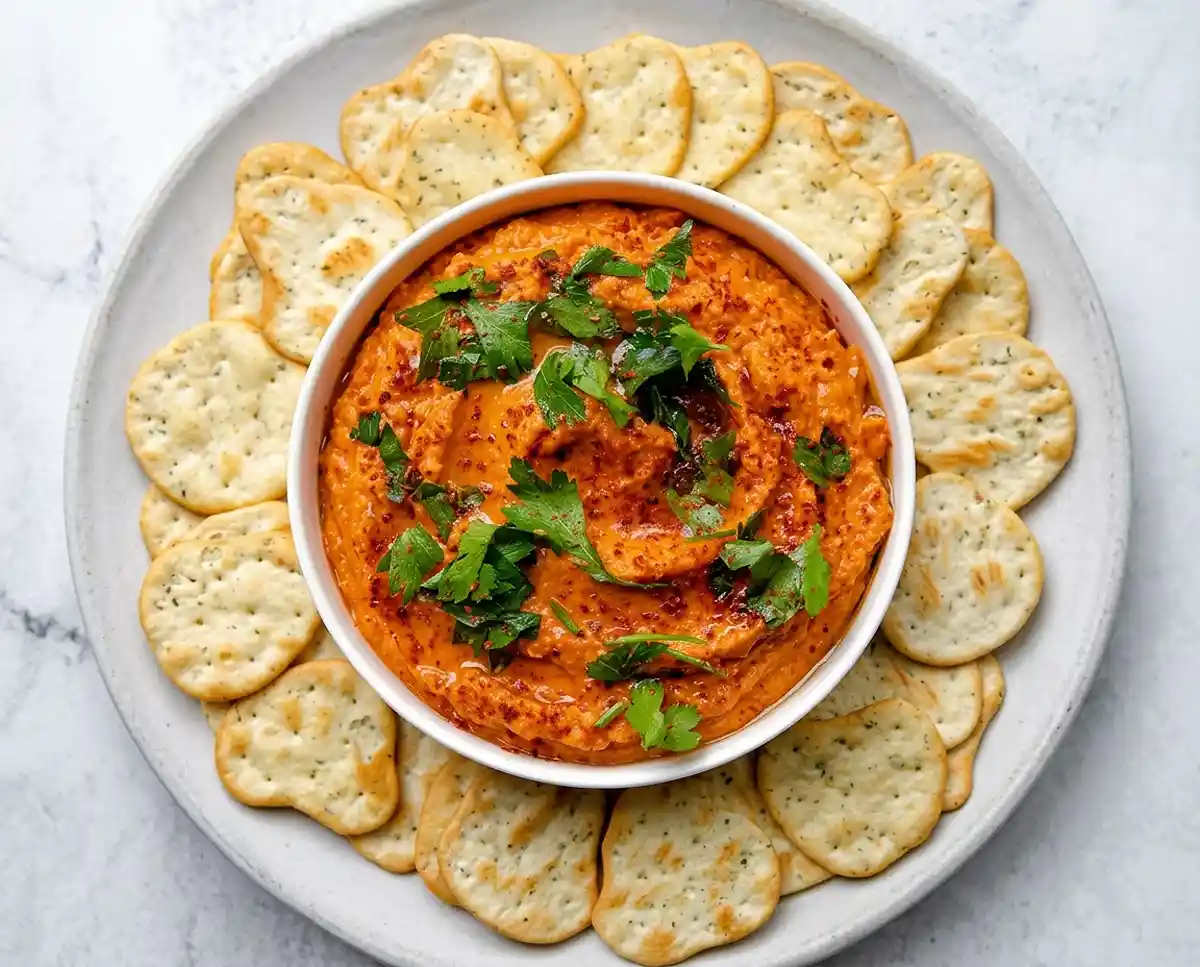
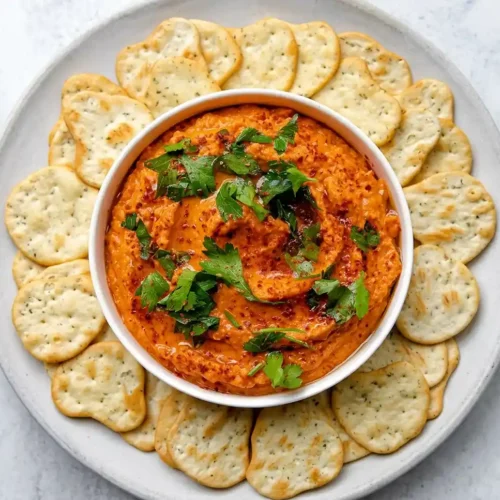
Roasted red pepper white bean dip—a creamy, gluten-free appetizer made with cannellini beans, sunflower seeds, and fresh lemon. Perfect for picnics and parties.
Every good gathering needs a dip that disappears first, and this roasted red pepper white bean dip is that dip. I brought it to a summer picnic last year expecting leftovers and came home with an empty container and three requests for the recipe. There’s something about the combination of smoky roasted peppers, creamy white beans, and bright lemon that makes people hover around the snack table.
The real magic happens in the oven. Roasting the peppers until they’re just charred transforms them from crisp and slightly bitter to sweet, smoky, and silky. Well, that caramelization is what takes this from “nice dip” to “I can’t stop eating this” territory. Paired with the earthiness of white beans and the punch of fresh lemon, you’ve got a picnic snack that’ll become your new go-to.
Table of Contents
Quick Overview: Why You’ll Love This Recipe
- Completely gluten-free – All whole food ingredients with no hidden gluten
- Nut-free and dairy-free – Safe for multiple allergies
- High in protein and fiber – White beans make it surprisingly filling
- Make-ahead friendly – Tastes even better the next day
- Budget-friendly – Canned beans and simple vegetables keep costs low
- Versatile serving – Works with chips, vegetables, crackers, or as a spread
Why This Roasted Red Pepper White Bean Dip Works
Roasting the peppers yourself makes all the difference. Jarred roasted peppers work in a pinch, but freshly roasted bells have a deeper, smokier flavor and better texture. That 30 minutes in a hot oven caramelizes the natural sugars and creates those beautiful charred spots that add complexity to every bite.
White beans—specifically cannellini—provide the creamy base without any dairy. They blend incredibly smooth and have a mild flavor that lets the roasted peppers shine. Unlike chickpea-based dips, white bean dip has a lighter, more delicate texture that feels luxurious on the tongue.
The sunflower seeds are the secret ingredient here. They add body and richness that you’d normally get from tahini or nuts, while keeping the dip accessible to anyone with tree nut allergies. Once blended, you won’t taste them distinctly, but you’ll notice the dip has more substance and a pleasant, slightly earthy undertone.
Fresh lemon juice is non-negotiable. Man, oh man, the brightness it brings cuts through the richness of the beans and peppers perfectly. Two whole lemons might sound like a lot, but the acidity balances the sweetness of the roasted peppers and makes all the other flavors pop. Don’t skip it or substitute bottled juice—fresh is essential here.
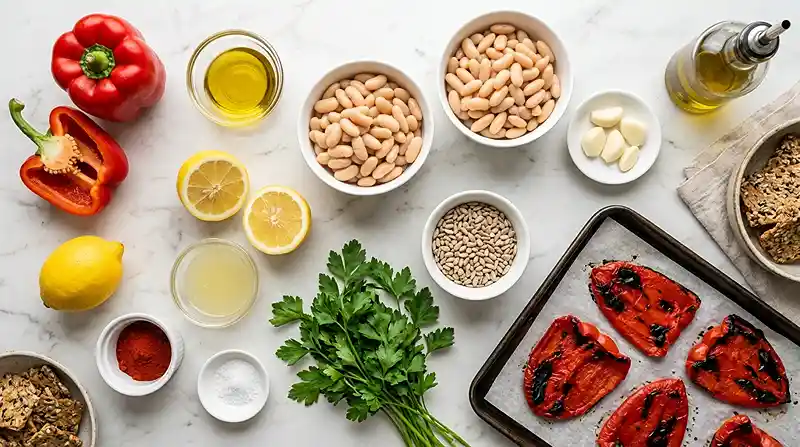
Ingredients You’ll Need
For Roasting
| Amount | Ingredient |
|---|---|
| 2 | Medium to large red bell peppers, quartered |
| 1 tablespoon | Olive oil |
For the Dip
| Amount | Ingredient |
|---|---|
| 2 cans (15 oz each) | White beans (cannellini), rinsed and drained |
| 4 cloves | Garlic |
| 2 | Lemons, juiced |
| ½ cup | Raw sunflower seeds, shelled |
| 1 teaspoon | Paprika |
| ½ teaspoon | Salt, plus more to taste |
For Serving
| Amount | Ingredient |
|---|---|
| As desired | Fresh parsley, chopped |
| As desired | Extra virgin olive oil, for drizzling |
| As desired | Gluten-free crackers, chips, or vegetable sticks |
Step-by-Step Instructions
Roast the Peppers
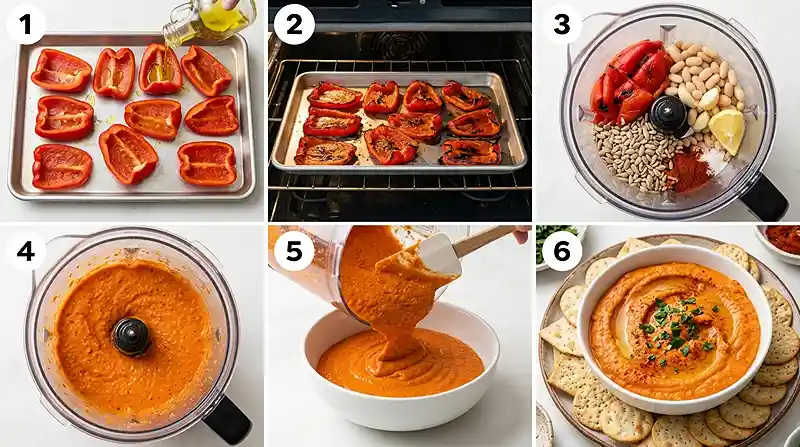
Step 1: Preheat your oven to 425°F. Line a rimmed baking sheet with parchment paper or foil for easy cleanup.
Step 2: Wash the red bell peppers and cut them into quarters, removing the stems, seeds, and white membranes. The quarters should lie relatively flat.
Step 3: Spread the pepper quarters on the prepared baking sheet in a single layer, skin-side down. Drizzle with the olive oil and use your hands to toss and coat each piece evenly.
Step 4: Roast for 30 minutes until the peppers have softened completely and the bottoms are just charred. The skins will wrinkle and the edges will have dark spots—this is exactly what you want.
Step 5: Remove from the oven and let cool for 5-10 minutes. You can peel off the charred skins if you prefer an ultra-smooth dip, but leaving them adds flavor and fiber.
Pro tip: For even more char and smokiness, broil the peppers for the last 2-3 minutes, watching carefully to prevent burning.
Make the Dip
Step 6: Rinse and drain the canned white beans thoroughly. This removes excess sodium and the starchy liquid that can make dips gummy.
Step 7: Add the roasted peppers, white beans, garlic cloves, lemon juice, sunflower seeds, paprika, and salt to a high-speed blender or food processor.
Step 8: Blend or pulse until everything is smooth and combined. The dip should have a just slightly gritty texture from the sunflower seeds—this adds character. If you prefer ultra-smooth, blend longer.
Step 9: Stop and scrape down the sides as needed. If the dip seems too thick, add water one tablespoon at a time until you reach your desired consistency.
Step 10: Taste and adjust seasoning. Add more salt if needed, more lemon juice for brightness, or a pinch more paprika for color and depth.
Serve
Step 11: Transfer the dip to a serving bowl. Use the back of a spoon to create a shallow well or swirl pattern on the surface.
Step 12: Drizzle generously with extra virgin olive oil—this adds richness and makes the presentation beautiful.
Step 13: Sprinkle fresh chopped parsley over the top for color and freshness.
Step 14: Serve immediately with gluten-free crackers, pita chips, vegetable sticks, or crusty gluten-free bread. The dip is also delicious as a sandwich spread or dolloped on grain bowls.
Substitutions & Variations
Different beans: Great Northern beans or navy beans work as alternatives to cannellini. Chickpeas create a more hummus-like texture if that’s your preference.
Nut version: Replace sunflower seeds with raw cashews for an even creamier result. Soak the cashews for 2 hours first for the smoothest texture.
Smoky version: Add ½ teaspoon smoked paprika instead of regular paprika, or include a chipotle pepper in adobo for smoky heat.
Spicy kick: Add ¼ teaspoon cayenne pepper or a few dashes of hot sauce. Red pepper flakes as a topping work beautifully too.
Herb variations: Blend in fresh basil instead of topping with parsley for an Italian-inspired version. Fresh dill creates a Mediterranean twist.
Jarred peppers shortcut: Use one 12-oz jar of roasted red peppers, drained, if you’re short on time. The flavor won’t be quite as deep, but it still makes a delicious dip.
You know, I’ve also stirred in a tablespoon of sun-dried tomato paste when I want a more intense, concentrated flavor. It adds another layer of sweetness and umami that takes the dip in a slightly different direction.
Expert Troubleshooting
Problem: Dip is too thick and pasty.
Solution: Add water, olive oil, or additional lemon juice one tablespoon at a time while blending until you reach the desired consistency.
Explanation: The amount of liquid in canned beans varies, and some blenders require more liquid to process smoothly.
Problem: Dip tastes flat or bland.
Solution: Add more salt in small increments and taste between additions. Increase the lemon juice for brightness.
Explanation: Salt enhances all the other flavors. Beans absorb a lot of seasoning, so dips often need more salt than you’d expect.
Problem: Garlic flavor is too sharp or harsh.
Solution: Roast the garlic cloves alongside the peppers, or reduce to 2 cloves for a milder flavor.
Explanation: Raw garlic has a pungent bite. Roasting mellows and sweetens it significantly.
Problem: Texture is too smooth and lacks character.
Solution: Pulse instead of blend continuously, or reserve some beans and peppers to fold in by hand at the end.
Explanation: Some people prefer a chunkier dip. Pulsing gives you more control over the final texture.
Problem: Dip turns brown after storing.
Solution: Press plastic wrap directly onto the surface before refrigerating to prevent oxidation. Stir before serving.
Explanation: Exposure to air causes some discoloration. It doesn’t affect flavor, but the plastic wrap trick keeps it looking fresh.
Storage & Meal Prep
| Method | Duration | Notes |
|---|---|---|
| Refrigerated | 5-7 days | Store in airtight container |
| Room temperature | 2-3 hours | Safe for party serving time |
| Frozen | 2-3 months | Thaw overnight in refrigerator |
Make-ahead tip: This dip actually tastes better the next day once the flavors have had time to meld together. Make it the day before your event and refrigerate overnight. Let it come to room temperature for 20-30 minutes before serving for the best flavor and texture.
Meal prep uses: Beyond dipping, spread this on gluten-free wraps, use as a sandwich spread, dollop on salads, or serve alongside grilled proteins. It adds protein and flavor to grain bowls and makes an excellent pasta sauce thinned with a little pasta water.
Freezing instructions: Freeze in portion-sized containers, leaving headspace for expansion. Thaw overnight in the refrigerator. The texture may be slightly different after freezing—give it a good stir or quick re-blend to restore creaminess.
FAQs About Roasted Red Pepper White Bean Dip
Is roasted red pepper gluten-free?
Yes, fresh red bell peppers are completely gluten-free. They’re a whole vegetable with no additives. When buying jarred roasted peppers, check labels for any added ingredients, though most brands are naturally gluten-free.
What are the ingredients in roasted red pepper dip?
This version uses roasted red bell peppers, white cannellini beans, raw sunflower seeds, fresh garlic, lemon juice, paprika, olive oil, and salt. It’s free from dairy, nuts, and gluten while still being creamy and flavorful.
What dips can celiacs eat?
Many dips are naturally gluten-free, including hummus, guacamole, salsa, bean dips, and vegetable-based dips like this one. Always verify ingredients and check for cross-contamination warnings, especially with store-bought versions.
Is roasted red pepper hummus gluten and dairy-free?
Traditional hummus and this roasted red pepper dip are both naturally gluten-free and dairy-free when made with whole ingredients. This recipe uses white beans instead of chickpeas but follows similar principles.
Does red pepper have gluten?
No, all fresh vegetables including red bell peppers are naturally gluten-free. Gluten is only found in wheat, barley, rye, and their derivatives. Fresh produce is always safe for gluten-free diets.
Can I use jarred roasted peppers instead of fresh?
Yes, though fresh-roasted peppers have deeper flavor. Use about 1 cup (one 12-oz jar, drained) of jarred roasted red peppers as a substitute. Pat them dry before blending.
Serving Suggestions
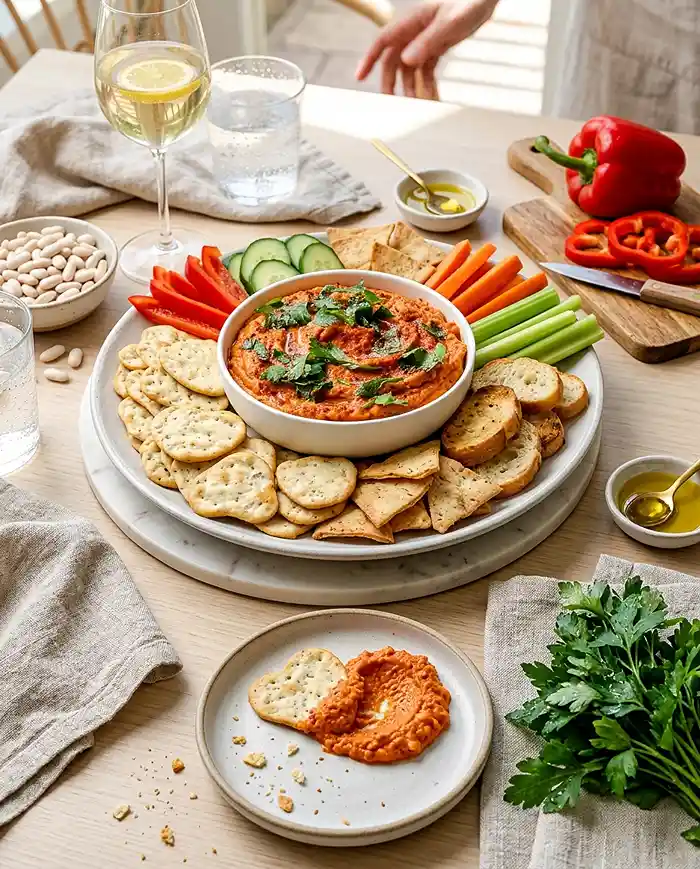
This roasted red pepper white bean dip is the ultimate picnic snack because it travels well and tastes great at room temperature. Pack it in a mason jar with the olive oil and parsley on top, and bring a bag of sturdy gluten-free crackers or vegetable sticks for dipping.
For a Mediterranean-inspired appetizer spread, serve alongside marinated olives, cucumber slices, cherry tomatoes, and gluten-free pita chips. Add some feta cheese (if not dairy-free) and you’ve got a grazing board that looks like it came from a fancy restaurant.
This dip also makes an excellent component in composed meals. Spread it on a plate and top with grilled chicken or lamb for a restaurant-style presentation. Or serve it alongside the gluten-free Greek turkey burger bowls for a Mediterranean-themed dinner.
Hosting a summer gathering? Set this dip out with colorful crudités—rainbow carrots, snap peas, cucumber rounds, and bell pepper strips create a beautiful, healthy spread. For something sweet to balance the savory, bring along gluten-free cherry cobbler bars or refresh the crowd with a gluten-free peach mango smoothie.
Ready to Make This?
Once you’ve made this roasted red pepper white bean dip, store-bought versions won’t cut it anymore. The depth of flavor from freshly roasted peppers, the creaminess of white beans, and that bright punch of lemon create something truly special—and it happens to be naturally gluten-free, dairy-free, and nut-free.
I’d love to hear how yours turns out. Did you try any variations? Add extra spice or different herbs? Share your experience in the comments below, and don’t forget to pin this recipe for your next picnic, potluck, or party. It’s the kind of dip that makes you look like a culinary genius with minimal effort.
Roasted Red Pepper White Bean Dip
Equipment
- Rimmed baking sheet
- Parchment paper or foil
- High-speed blender or food processor
- Serving bowl
- Rubber spatula
Ingredients
For Roasting
- 2 medium to large red bell peppers quartered
- 1 Tbsp olive oil
For the Dip
- 2 cans (15 oz each) white beans cannellini, rinsed and drained
- 4 cloves garlic
- 2 lemons juiced
- ½ cup raw sunflower seeds shelled
- 1 tsp paprika
- ½ tsp salt plus more to taste
For Serving
- fresh parsley chopped, for topping
- extra virgin olive oil for drizzling
Instructions
- Preheat oven to 425°F. Line a rimmed baking sheet with parchment paper or foil for easy cleanup.
- Wash the red bell peppers and cut them into quarters, removing stems, seeds, and white membranes. Spread the pepper quarters on the prepared baking sheet in a single layer.
- Drizzle the peppers with olive oil and toss with your hands to coat each piece evenly. Arrange skin-side down on the baking sheet.
- Roast for 30 minutes until the peppers have softened completely and are just charred on the bottom. The skins will wrinkle and edges will have dark spots. Let cool for 5-10 minutes.
- Rinse and drain the canned white beans thoroughly to remove excess sodium and starchy liquid.
- Add the roasted peppers, white beans, garlic cloves, lemon juice, sunflower seeds, paprika, and salt to a high-speed blender or food processor.
- Blend or pulse until everything is smooth and combined. The dip should have a just slightly gritty texture from the sunflower seeds. Scrape down the sides as needed.
- Taste and adjust seasoning, adding more salt or lemon juice as needed. If too thick, add water one tablespoon at a time.
- Transfer to a serving bowl, drizzle with extra virgin olive oil, and top with a sprinkle of fresh parsley. Serve with gluten-free crackers, vegetables, or chips.