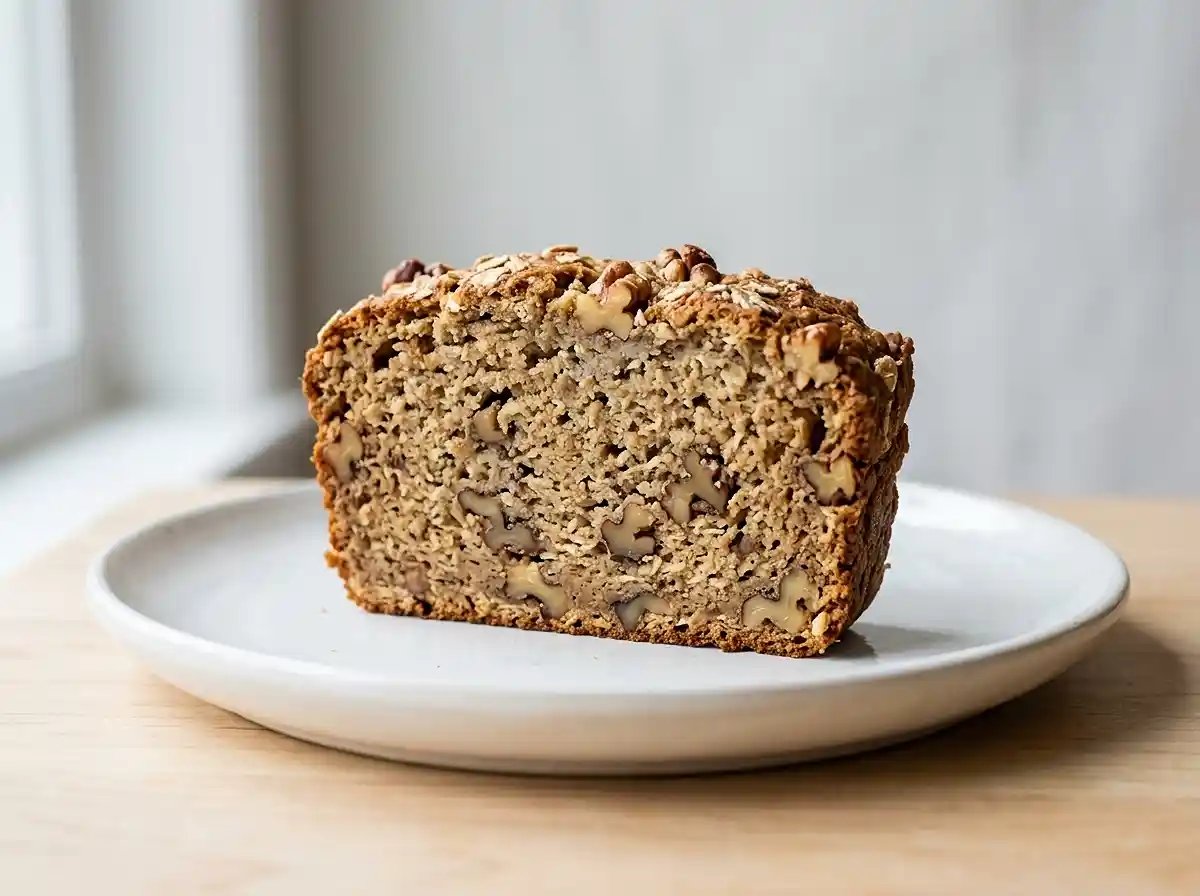
Gluten-Free Oat Flour Banana Bread
Make this gluten-free oat flour banana bread with just one bowl, simple ingredients, step-by-step instructions, and tips for a moist, tender loaf every time.
My first loaf of gluten-free oat flour banana bread came out so dense I genuinely considered using it as a doorstop. I’d swapped oat flour into a standard banana bread recipe without adjusting anything else, and the result was a gummy, sunken brick. That failure sent me back to the drawing board—and what I landed on is this one-bowl recipe that’s been in steady rotation ever since.
Oat flour behaves differently from all-purpose flour. It’s naturally heavier, absorbs moisture more slowly, and can’t rely on gluten development to give structure. Once you understand that, banana bread with oat flour actually becomes easier to get right—not harder.
How do you get a loaf that’s genuinely moist and tender without turning into a dense, gluey mess? The answer is in the ratios and a couple of technique details I’ll walk you through below.
Table of Contents
Why You’ll Love This Oat Flour Banana Bread Recipe
- Naturally moist crumb — ripe bananas provide built-in moisture and sweetness, so this loaf stays soft for days without going gummy.
- One bowl, minimal cleanup — wet and dry ingredients come together in a single mixing bowl with no stand mixer required.
- Easily made dairy-free or egg-free — neutral oil replaces butter entirely, and flax eggs work beautifully as a substitute.
- Kid-friendly and freezer-friendly — slices well, freezes well, and works as a lunchbox staple or a quick weekday breakfast.
The Secret to Perfect Gluten-Free Oat Flour Banana Bread
- Ripe bananas do the heavy lifting — the riper the banana, the more natural sugar and moisture it contributes, which compensates for oat flour’s tendency to absorb liquid aggressively.
- Oil instead of butter — liquid fat distributes more evenly through a batter that has no gluten network to trap air pockets, keeping the crumb moist rather than dry and crumbly.
- Mix until just combined — oat flour doesn’t need to be worked like all-purpose flour. Overmixing activates the starches and leads to a dense, gummy texture instead of a tender one.
- Baking powder as the sole leavener — without gluten to trap gas, a reliable and sufficient amount of baking powder is what gives this loaf its lift and open crumb structure.
Ingredients
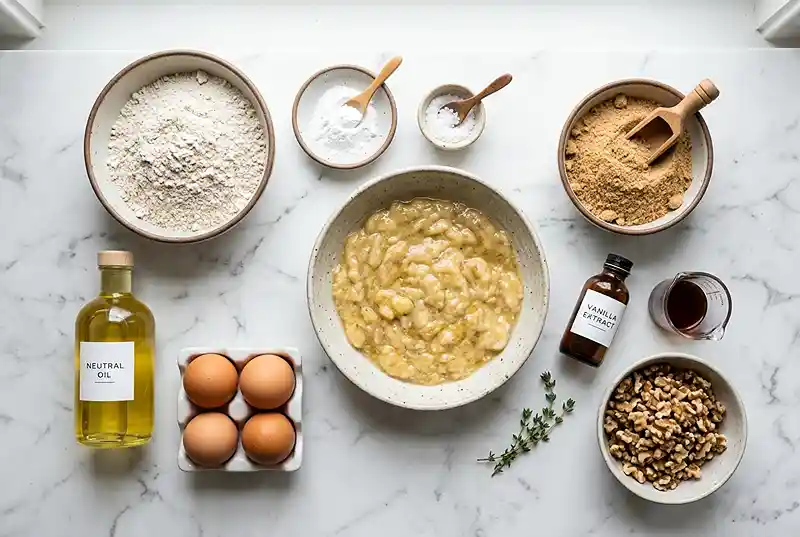
This recipe makes 12 slices. Use the ripest bananas you can find—the skin should be deeply speckled or almost entirely black for the best flavor and moisture.
Dry Ingredients
- 2 cups oat flour (certified gluten-free if needed)
- 2 teaspoons baking powder
- ¼ teaspoon salt
Wet Ingredients
- ½ cup oil (any neutral-flavored oil)
- 2 large eggs (or flax eggs — see notes)
- ½ cup sugar (brown, coconut, or white)
- 3 large bananas, mashed
- 1 teaspoon vanilla extract
Mix-Ins
- ½ cup walnuts, chopped
Note on oat flour: If you’re baking for someone with celiac disease, make sure the oat flour is certified gluten-free. Cross-contamination during oat processing is common, and standard oat flour may not be safe. According to the Celiac Disease Foundation’s guidance on oats and celiac disease, only certified gluten-free oats are considered safe for most people with celiac.
Instructions
Step 1: Prep the Oven and Pan
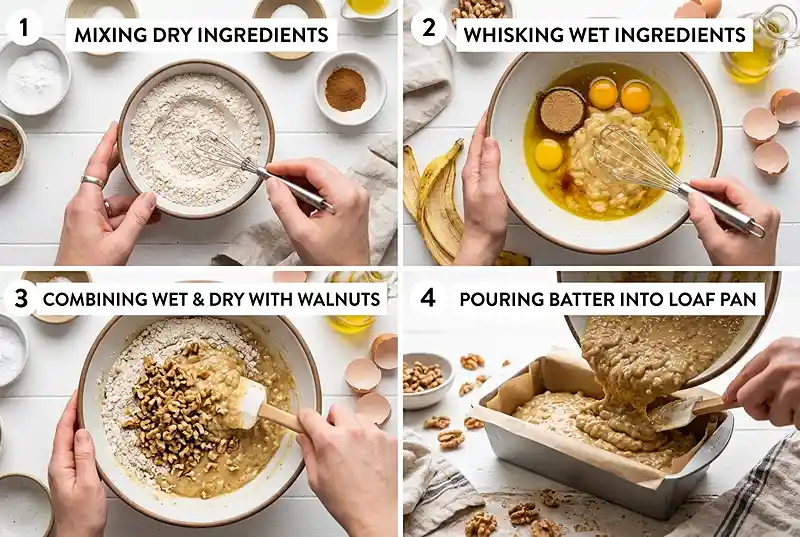
Preheat your oven to 180°C / 350°F. Grease your loaf pan well, then line it with parchment paper, leaving an overhang on the long sides. This makes lifting the loaf out clean and easy once it’s baked and cooled.
Step 2: Mix the Dry Ingredients
In a small bowl, whisk together the oat flour, baking powder, and salt until evenly combined. This quick step ensures the leavening is distributed throughout the flour before it hits the wet ingredients. Pro Tip: Don’t skip this pre-mix — uneven baking powder distribution can cause your loaf to rise unevenly or have dense pockets.
Step 3: Combine the Wet Ingredients
In a large mixing bowl, add the oil, eggs, sugar, mashed bananas, and vanilla extract. Whisk until the mixture is smooth and cohesive—it should look glossy and uniform, with no streaks of oil sitting on top. Well… the bananas should be mashed thoroughly, not chunky, so they blend completely into the batter rather than creating wet pockets.
Step 4: Add Dry to Wet
Add the dry ingredient mixture to the wet bowl and stir until just combined. Stop mixing the moment you no longer see dry flour streaks. Oat flour batter comes together quickly, and overmixing activates the starches—leading to that gummy, dense texture we’re trying to avoid.
Step 5: Fold in the Walnuts
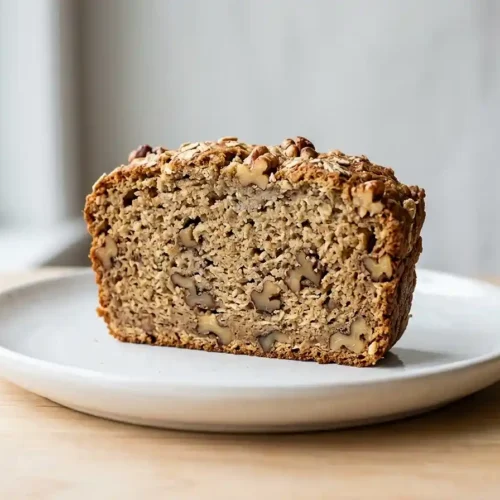
Add the chopped walnuts and fold them through the batter gently with a spatula. You’re looking for even distribution without deflating the batter. The walnuts add a toasty, slightly bitter crunch that cuts through the sweetness of the banana—a contrast that makes every slice more interesting.
Step 6: Bake
Transfer the batter into the prepared loaf pan and spread it into an even layer. Bake for 35–40 minutes, or until a skewer inserted into the center comes out clean. The top should be golden brown and spring back lightly when pressed. Pro Tip: Start checking at the 35-minute mark. Oat flour loaves can go from done to dry quickly, so pull it as soon as the skewer is clean.
Step 7: Cool Before Slicing
Remove the pan from the oven and let the loaf cool completely in the pan before lifting it out. Man, oh man, I know it’s tempting to slice in early—but oat flour loaves need the cooling time to finish setting their structure. Cut too soon and the crumb will be gummy and fall apart rather than slicing cleanly.
Make It Your Own
Egg-free version: Replace each egg with a flax egg — one tablespoon of ground flaxseed mixed with three tablespoons of water, rested for 5 minutes until gel-like. Flax eggs add binding and a mild nuttiness that actually complements the banana flavor well. The texture will be slightly denser but still sliceable and moist.
Sugar swaps for banana bread with oat flour: Brown sugar adds a deeper, molasses-forward flavor. Coconut sugar gives a subtler sweetness with a lower glycemic index, which makes it a popular choice for those watching blood sugar. White sugar produces the most neutral flavor if you want the banana to be the star. All three work in equal measure — no adjustments needed.
Chocolate chip variation: You know, swapping or adding ½ cup of dark chocolate chips alongside (or instead of) the walnuts turns this into a completely different experience. The chocolate melts into pockets throughout the loaf and pairs with banana the way a good Thanksgiving dessert pairs with coffee — comforting and familiar in the best possible way.
Making oat flour from oats: If you only have rolled oats at home, you can blend them in a high-speed blender or food processor until they reach a fine, powdery consistency. Note that 1 cup of rolled oats does not equal 1 cup of oat flour — oats compact when blended, so you’ll get slightly less than a 1:1 ratio by volume. Weigh your flour if accuracy matters.
Common Problems & Solutions
Problem: The loaf came out gummy in the center. This is the most common oat flour issue, and it almost always points to two things: underbaking, or bananas that were too wet. Make sure your skewer comes out completely clean — not just mostly clean — and if your bananas were very large and liquid-heavy, reduce by half a banana next time.
Problem: The bread didn’t rise much and feels dense. Check your baking powder first — it loses potency after about 6 months. Test it by dropping a teaspoon into hot water; if it doesn’t bubble actively, it’s expired. Also confirm you didn’t overmix after adding the dry ingredients, which can compress the batter before it gets a chance to rise.
Problem: The loaf crumbled when I sliced it. Crumbling usually means the loaf was cut before it was fully cooled, or the egg-to-flour ratio was off. Oat flour needs time to set after baking. Let it cool for at least an hour — two is better — before slicing. For more information on how starches in gluten-free flours behave during cooling, the King Arthur Baking gluten-free baking guide explains it clearly and accessibly.
Problem: The top browned too fast before the center was done. Tent the loaf loosely with foil at the 25-minute mark if you notice the top darkening quickly. This protects the crust while the interior continues baking without burning the surface.
Storage & Meal Prep
| Method | Duration | Notes |
|---|---|---|
| Counter | 2–3 days | Airtight container; keeps crumb from drying out |
| Fridge | 5–7 days | Bring to room temperature before serving |
| Freezer | 2–3 months | Wrap individual slices in plastic wrap, then bag |
To reheat from frozen, unwrap a slice and microwave for 30–40 seconds, or warm in a 300°F oven for about 10 minutes. Either method brings the crumb back to something close to fresh-baked.
This loaf is a strong meal-prep candidate. Bake on Sunday, slice the whole loaf, freeze individual portions, and pull them out as needed throughout the week. Each slice thaws quickly at room temperature in 20–30 minutes if you prefer not to use heat.
Your Questions Answered
Can I use oat flour instead of regular flour in banana bread?
Yes. Oat flour works well in banana bread because its mild flavor complements banana and its starch content provides enough structure without added binders. This recipe is built specifically for oat flour, so no adjustments are needed.
Is 1 cup of oats the same as 1 cup of oat flour?
No. When rolled oats are blended into flour they compact, so 1 cup of rolled oats yields roughly three-quarters to seven-eighths of a cup of oat flour. Weigh your flour for the most accurate results rather than relying on cup measurements alone.
Can I make this banana bread without eggs?
Yes. Replace each egg with a flax egg — one tablespoon of ground flaxseed mixed with three tablespoons of water, rested for 5 minutes until gel-like. The texture will be slightly denser but the loaf will still hold together and slice well.
Why did my oat flour banana bread come out gummy?
Gumminess in oat flour bakes usually comes from underbaking, overmixing, or very wet bananas. Make sure your skewer comes out completely clean before pulling the loaf, stir the batter only until the flour disappears, and use deeply ripened bananas rather than large, watery ones.
How should I store oat flour banana bread?
Store at room temperature in an airtight container for up to 3 days, in the fridge for up to 7 days, or freeze individual slices for up to 3 months. Wrap slices in plastic wrap before freezing and reheat in the microwave for 30 to 40 seconds or in a 300 degree oven for 10 minutes.
Serving Suggestions
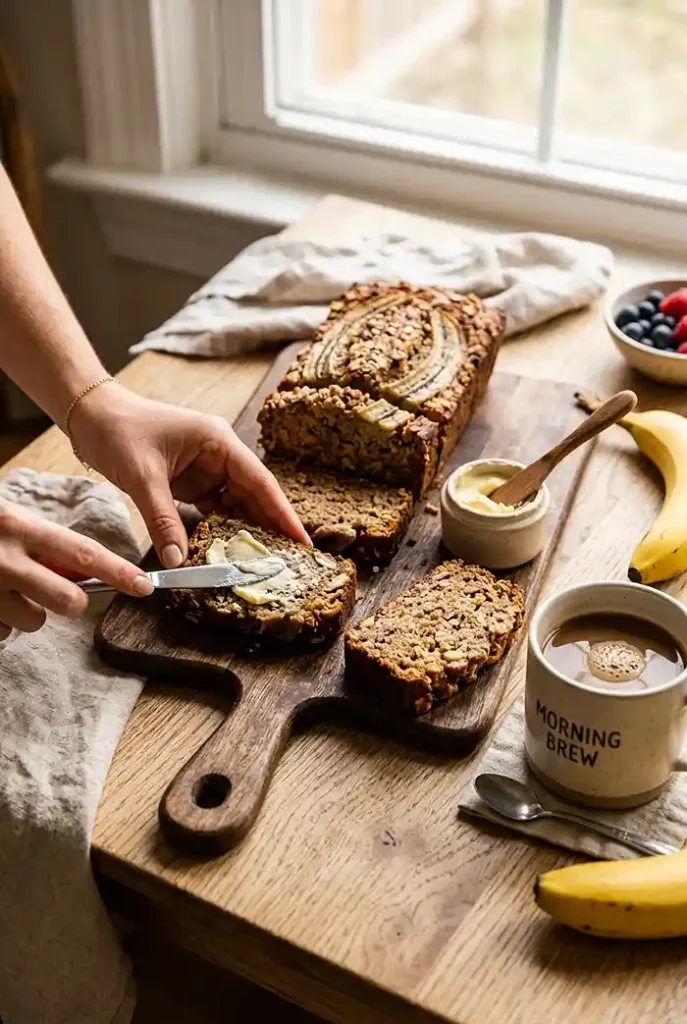
A thick slice served warm with a smear of almond butter or peanut butter turns this into a satisfying breakfast that carries you through the morning. If you’re serving it as a dessert or afternoon snack, a drizzle of honey and a few fresh banana slices on top make it feel a step above everyday.
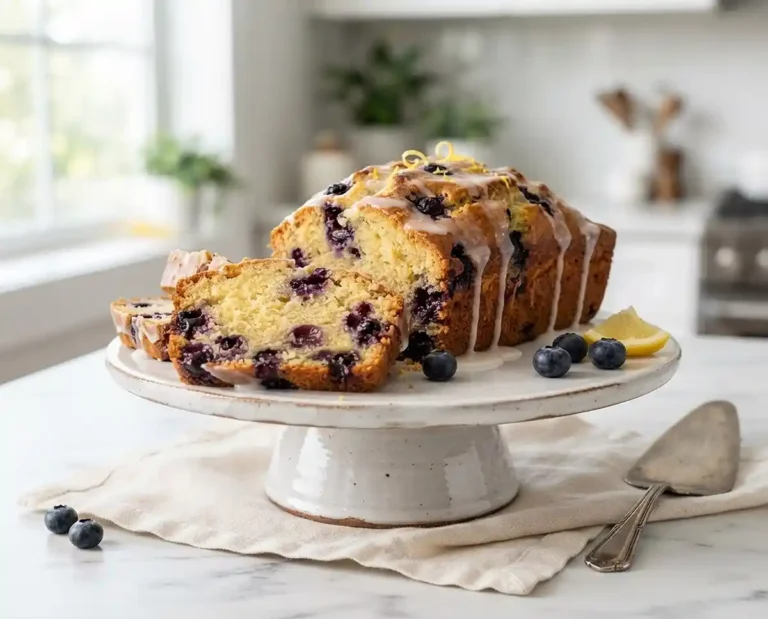
This loaf is a staple at our family’s holiday weekend breakfasts — I’ve made it for Christmas morning more times than I can count, usually the day before so it’s ready to slice straight from the fridge with zero effort. Pair it with these gluten-free blueberry corn cookie bars for a sweet spread that covers both fruit-forward and banana-forward cravings, or serve alongside this gluten-free lemon curd blueberry loaf if you want two show-stopping loaves on the same table.
Give this oat flour banana bread recipe a try and let me know how it turned out in the comments below — I especially love hearing about the mix-ins people add. If you enjoyed it, save it to Pinterest so you can find it the next time those bananas on your counter get a little too ripe to eat fresh.
Gluten-Free Oat Flour Banana Bread
Equipment
- Loaf pan
- Large mixing bowl
- Small mixing bowl
- Whisk
- Spatula
- Parchment paper
Ingredients
Dry Ingredients
- 2 cups oat flour certified gluten-free if needed
- 2 teaspoons baking powder
- ¼ teaspoon salt
Wet Ingredients
- ½ cup neutral oil any neutral-flavored oil
- 2 large eggs or flax eggs
- ½ cup sugar brown, coconut, or white
- 3 large bananas mashed
- 1 teaspoon vanilla extract
Mix-Ins
- ½ cup walnuts chopped
Instructions
- Preheat the oven to 350°F (180°C). Grease a loaf pan, line it with parchment paper, and leave an overhang for easy removal.
- Whisk together the oat flour, baking powder, and salt in a small bowl until evenly combined.
- In a large bowl, whisk together the oil, eggs, sugar, mashed bananas, and vanilla extract until smooth and glossy.
- Add the dry ingredients to the wet ingredients and stir until just combined. Do not overmix.
- Fold the chopped walnuts into the batter with a spatula until evenly distributed.
- Transfer the batter to the prepared loaf pan and smooth the top. Bake for 35 to 40 minutes, or until a skewer inserted into the center comes out clean.
- Allow the loaf to cool completely in the pan before removing and slicing for the best texture.