Gluten-Free Peanut Butter and Jelly Sandwich
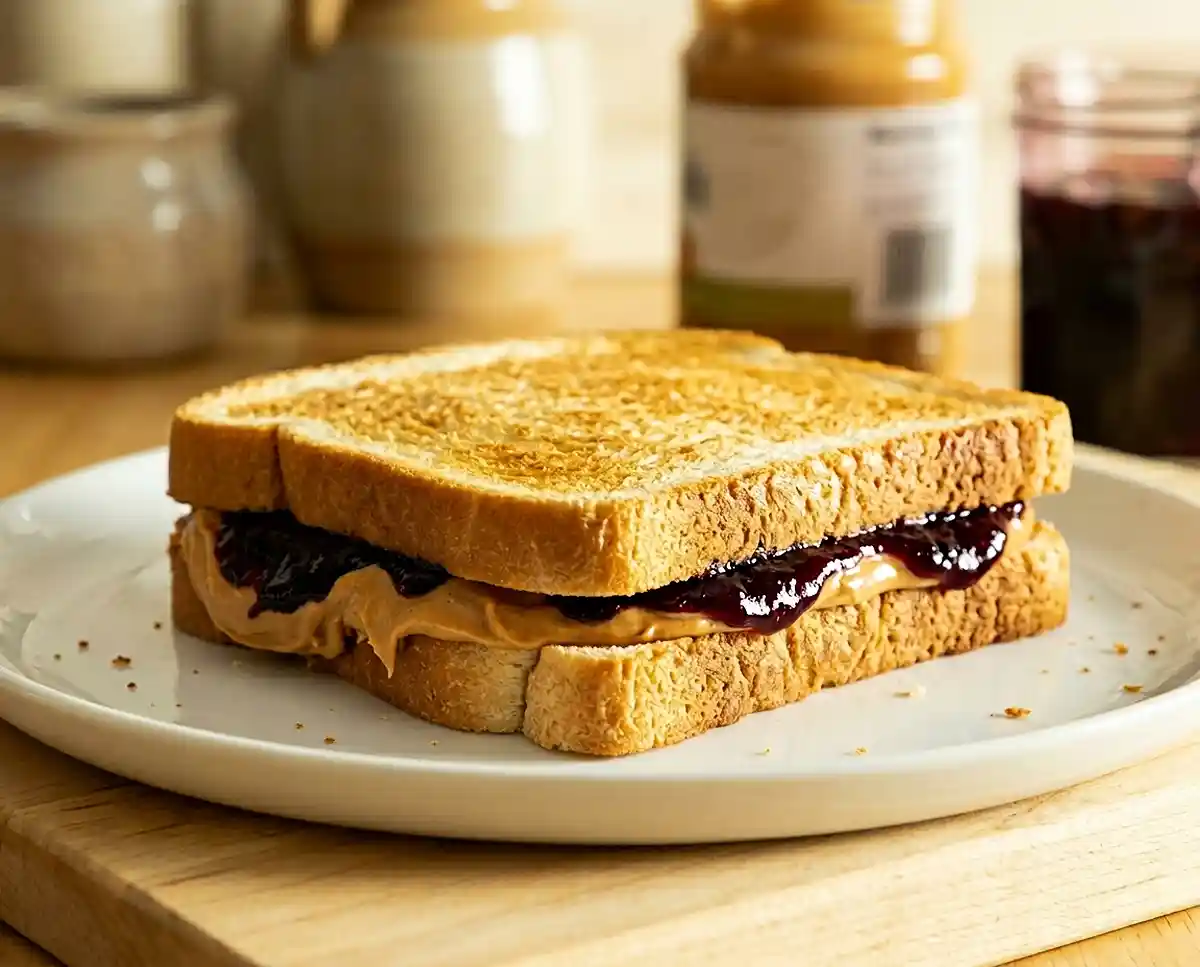
The gluten-free peanut butter and jelly sandwich holds a special place in American food culture. For those avoiding gluten, recreating this childhood favorite might seem tricky at first. The good news is that making the best gluten-free peanut butter and jelly sandwich requires just three simple ingredients and about two minutes of your time.
What makes this classic so beloved is its perfect balance of creamy, sweet, and satisfying. The key to a truly great gluten-free version lies entirely in choosing quality ingredients. With the right bread, gluten-free peanut butter, and gluten-free jelly, you will never miss the original.
Whether you are packing school lunches, need a quick snack, or simply crave that nostalgic comfort, this recipe delivers every time. Let us break down exactly how to make it perfectly and which ingredients to trust.
Table of Contents
Why Ingredient Quality Matters for Gluten-Free Sandwiches
Not all gluten-free breads are created equal. Many taste cardboard-like or crumble the moment you spread anything on them. Artisan-style gluten-free breads have come a long way, offering soft textures and flavors that rival traditional wheat bread.
Look for gluten-free bread that stays soft and pliable without falling apart. Brands that use a blend of rice flour, tapioca starch, and potato starch tend to have the best texture for sandwiches. Toasting lightly can also improve structure if your bread feels too soft.
The peanut butter and jelly themselves are naturally gluten-free in their pure forms. However, cross-contamination during manufacturing can introduce gluten. Always check labels for certified gluten-free status, especially if you have celiac disease.
Ingredients You Will Need
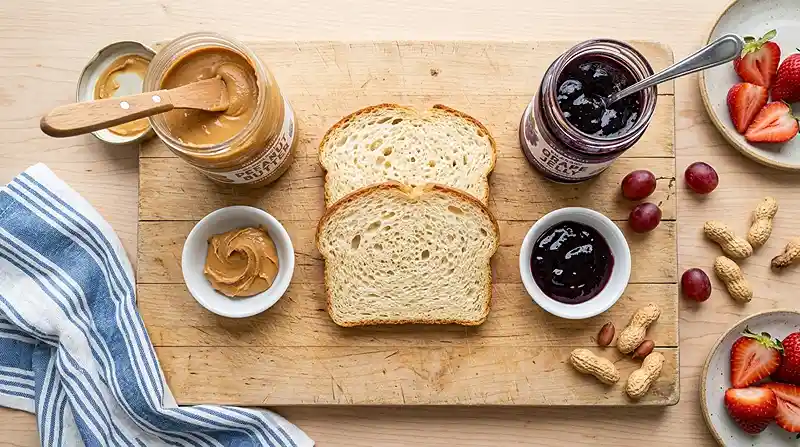
- 2 slices gluten-free artisan white bread
- 2 tablespoons gluten-free peanut butter
- 2 tablespoons gluten-free jelly or jam
Simple Step-by-Step Instructions
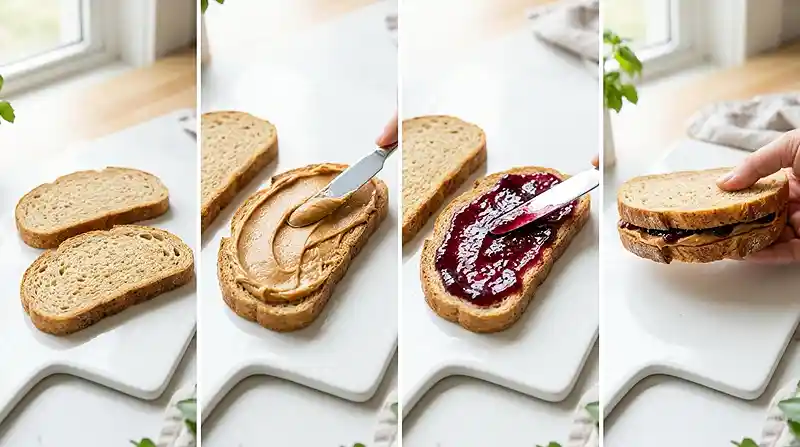
Place both slices of gluten-free bread on a clean cutting board or plate. Having them side by side makes assembly quick and prevents the bread from getting soggy.
Spread the peanut butter evenly across one slice of bread using a butter knife or small spatula. Go all the way to the edges for maximum flavor in every bite. Use the full two tablespoons for a satisfyingly thick layer.
Spread the jelly evenly across the other slice of bread. Grape and strawberry remain the classic choices, but any flavor you love works perfectly. Again, spread edge to edge for the best experience.
Press the two slices together gently, peanut butter side meeting jelly side. Cut diagonally for the classic triangle presentation, or straight down the middle if you prefer rectangles. Serve immediately and enjoy.
Choosing the Best Gluten-Free Peanut Butter
What to Look For
Pure peanut butter contains just peanuts and sometimes salt. These simple versions are naturally gluten-free and often the safest choice. Brands like Smucker’s Natural, Justin’s, and 365 Organic clearly label their gluten-free status.
Some commercial peanut butters add fillers, stabilizers, or flavorings that could contain gluten. Always read ingredient lists carefully. The shorter the ingredient list, the safer the product typically is for those avoiding gluten.
Why Some Peanut Butters May Contain Gluten
Cross-contamination is the main concern with peanut butter. Facilities that process wheat products alongside peanut butter can introduce trace amounts of gluten. Certified gluten-free labels indicate testing has confirmed safe levels.
Flavored peanut butters with added ingredients like chocolate, honey, or spices carry higher risk. Stick to plain varieties unless the flavored version specifically states gluten-free certification on the packaging.
Selecting Gluten-Free Jelly and Jam
Most jellies and jams are naturally gluten-free since they contain fruit, sugar, and pectin. However, some brands add thickeners or flavorings that may contain gluten. Checking labels remains important for complete safety.
Welch’s, Smucker’s, and Bonne Maman all offer gluten-free options clearly marked on their packaging. Organic and artisan brands often have simpler ingredient lists that make verification easier. When in doubt, contact the manufacturer directly.
Homemade jam eliminates all uncertainty if you have the time. Simple recipes require just fruit, sugar, and pectin cooked together briefly. This guarantees a completely safe and delicious spread for your sandwiches.
Tips for the Perfect Gluten-Free Sandwich
Room temperature peanut butter spreads much more easily than cold. If yours has been refrigerated, let it sit out for ten minutes before making your sandwich. This prevents tearing the delicate gluten-free bread.
Consider lightly toasting the bread before assembly. Toasting adds structure that helps gluten-free bread hold up better under the weight of spreads. It also adds a pleasant crunch that contrasts nicely with the creamy filling.
For packed lunches, spread peanut butter on both slices first, then add jelly to the center. This creates a barrier that prevents the jelly from soaking into the bread. Your sandwich stays fresh until lunchtime.
Creative Variations to Try
Upgrade your sandwich with sliced bananas for added nutrition and sweetness. The banana adds potassium and fiber while complementing both the peanut butter and jelly beautifully. Kids especially love this version.
Try different nut butters like almond or cashew for variety. Each brings its own unique flavor profile while keeping the sandwich completely gluten-free. Sunflower seed butter works great for nut-free households.
Swap jelly for fresh fruit slices, honey, or even a drizzle of maple syrup. These alternatives reduce added sugar while providing new flavor combinations. Strawberry slices with peanut butter taste incredible on toasted bread.
FAQs About gluten-free peanut butter and jelly sandwich
Do peanut butter and jelly contain gluten?
Pure peanut butter and traditional jelly are naturally gluten-free since they contain no wheat, barley, or rye. However, some brands may have cross-contamination during manufacturing, so always check for certified gluten-free labels.
What can I use instead of bread for peanut butter and jelly?
Rice cakes, gluten-free crackers, apple slices, celery sticks, or gluten-free tortilla wraps all work excellently. These alternatives offer different textures while keeping the classic flavor combination intact.
What is a good substitute for jelly on a peanut butter and jelly sandwich?
Fresh sliced strawberries, bananas, honey, maple syrup, or fruit preserves all make delicious alternatives. Chia seed jam offers a lower-sugar option with added nutritional benefits.
Can jelly be gluten-free?
Yes, most jellies and jams are naturally gluten-free. They typically contain fruit, sugar, and pectin without any gluten-containing ingredients. Always verify by reading labels, as some brands may add problematic thickeners.
Why is peanut butter not always gluten-free?
While peanuts themselves contain no gluten, cross-contamination can occur in facilities that also process wheat products. Some flavored peanut butters may also contain gluten-based additives or fillers.
Is jelly good for celiacs?
Plain fruit jellies and jams are generally safe for people with celiac disease. Choose brands with certified gluten-free labels for complete confidence. Homemade jelly eliminates all cross-contamination concerns.
Pairing Suggestions for a Complete Meal
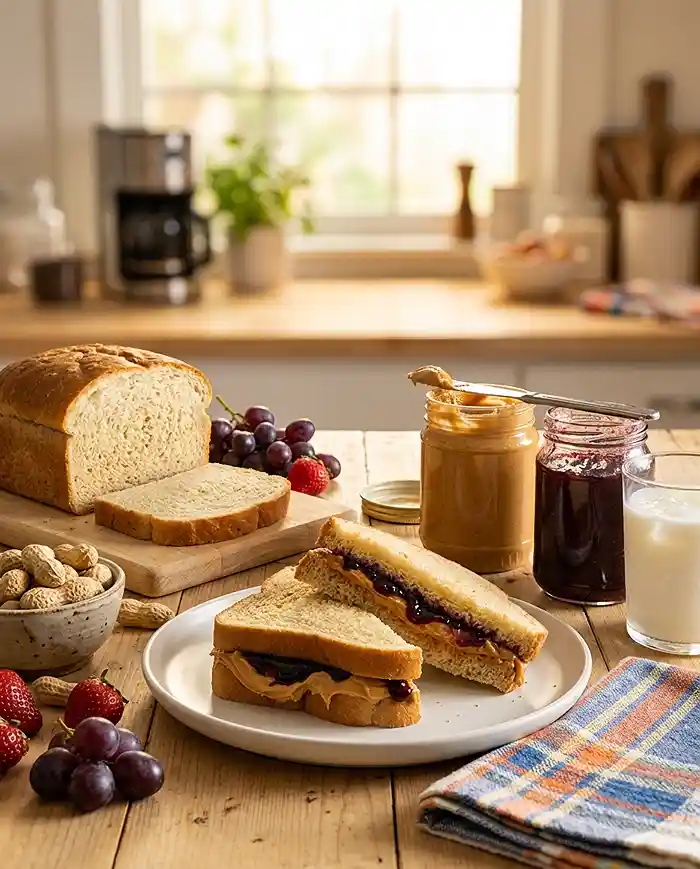
Turn your sandwich into a balanced meal by adding fresh fruit on the side. Apple slices, grapes, or berries complement the sweet and savory flavors perfectly. A small handful of pretzels or chips adds satisfying crunch.
For a more substantial lunch, pair your sandwich with roasted red pepper white bean dip and vegetable sticks. The savory dip balances the sweetness of the sandwich beautifully.
Cool down after your meal with gluten-free tropical fruit popsicles for dessert. The refreshing fruit flavors make a perfect ending to a classic comfort food lunch.
Enjoying This Timeless Classic
The gluten-free peanut butter and jelly sandwich proves that dietary restrictions do not mean sacrificing beloved favorites. With quality gluten-free bread and verified safe spreads, this classic tastes just as good as you remember.
Taking a few extra moments to check ingredient labels ensures every bite is safe and delicious. Once you find your favorite brands, making this sandwich becomes second nature. Keep your pantry stocked and lunch is always just minutes away.
This simple recipe works for quick breakfasts, packed lunches, after-school snacks, or late-night cravings. Share your favorite gluten-free bread and spread combinations, and save this recipe for whenever comfort food calls your name.
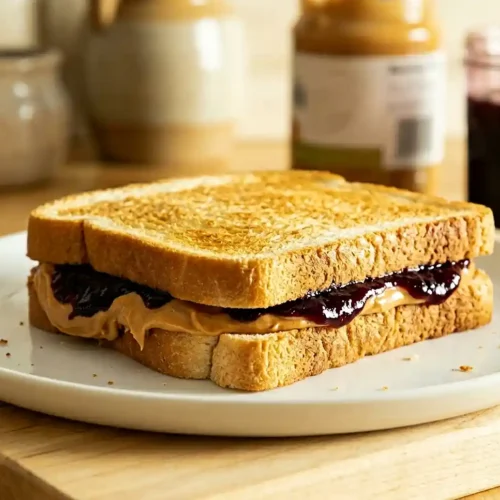
Gluten-Free Peanut Butter and Jelly Sandwich
Equipment
- butter knife or spatula
- cutting board or plate
Ingredients
Sandwich Ingredients
- 2 slices gluten-free artisan white bread
- 2 Tbsp gluten-free peanut butter
- 2 Tbsp gluten-free jelly grape, strawberry, or flavor of choice
Instructions
- Place both slices of gluten-free bread on a clean cutting board or plate, side by side for easy assembly.
- Spread the peanut butter evenly across one slice of bread using a butter knife or small spatula. Go all the way to the edges for maximum flavor in every bite.
- Spread the jelly evenly across the other slice of bread, also extending to the edges for the best experience.
- Press the two slices together gently, peanut butter side meeting jelly side. Cut diagonally for classic triangles or straight down the middle for rectangles.
- Serve immediately and enjoy your classic gluten-free peanut butter and jelly sandwich.