How to Make Gluten-Free Jello
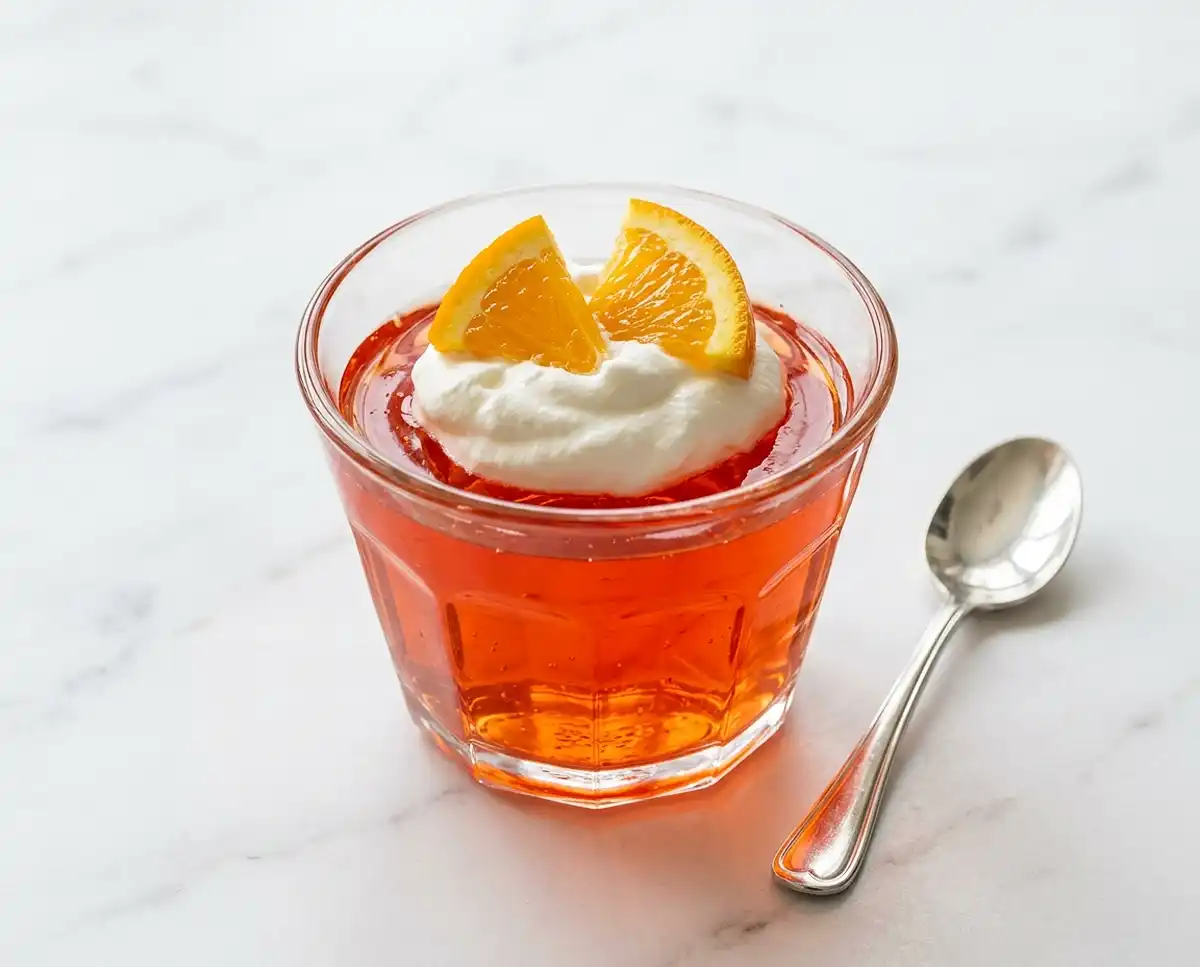
Learn how to make Gluten-Free Jello at home with just 3 ingredients and 5 minutes of prep, plus step-by-step instructions, brand tips, troubleshooting, and storage advice.
The first time I brought a big bowl of homemade jello to our Fourth of July cookout, my nephew—freshly diagnosed with celiac disease—lit up like it was Christmas morning. He hadn’t touched jello in months, convinced it was off-limits.
That moment reminded me why I do what I do. Knowing how to make gluten-free jello at home gives you full control over what goes into it.
The good news? This is genuinely one of the easiest recipes in the gluten-free kitchen. Two minutes of stirring, a trip to the fridge, and you’re done. Can it really be that simple? Yes—and I’m going to show you exactly how.
Why You’ll Love This Gluten-Free Jello
- Wiggles like a dream: Properly dissolved gelatin sets into a smooth, firm texture—silky on the tongue and satisfying to eat.
- Beginner-friendly: No special equipment, no baking, and no guesswork. If you can boil water, you can nail this.
- Naturally dairy-free: Great for households managing multiple dietary needs at once.
- Make-ahead friendly: Prep it the night before and it’s ready when you need it—perfect for busy weeknights or holiday entertaining.
The Secret to Perfect Gluten-Free Jello
- Fully dissolve the granules: Undissolved gelatin leaves gritty pockets that won’t set evenly. Stir continuously for a full 2 minutes—set a timer.
- Use certified gluten-free mix: Not all gelatin brands are equal. trusted celiac research from Beyond Celiac confirms that only mixes carrying a gluten-free label meet the FDA’s 20ppm safety threshold for celiac disease.
- Cold water temperature matters: Adding cold water (not room temperature) stops the gelatin from partially setting too soon, giving you an even, consistent result.
- Refrigerate uncovered first: Covering the dish traps condensation that can disrupt the surface. Let it set uncovered for the full 4 hours, then cover once firm.
Table of Contents
Ingredients
| Ingredient | Amount | Notes |
|---|---|---|
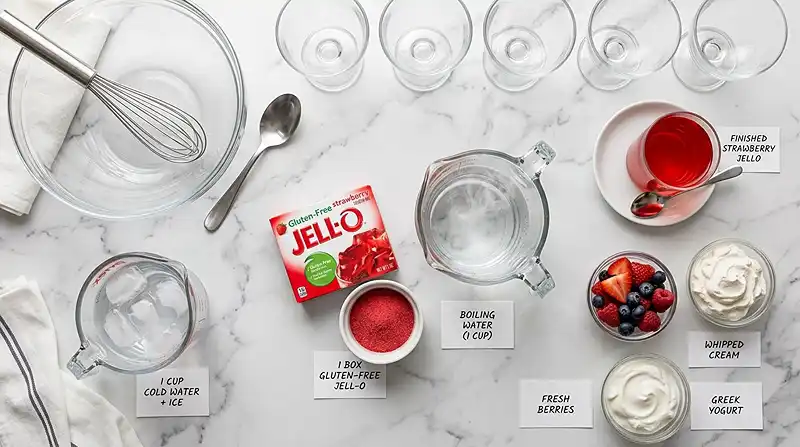
| Certified gluten-free gelatin dessert mix (any flavor, regular or sugar-free) | 1 (3-ounce or 4-serving) box | Look for a gluten-free label; Simply Delish is certified GF |
| Boiling water | 1 cup | Must be a full rolling boil to dissolve granules |
| Cold water | 1 cup | Cold tap water works; ice water may slow setting |
Servings: 4
Instructions
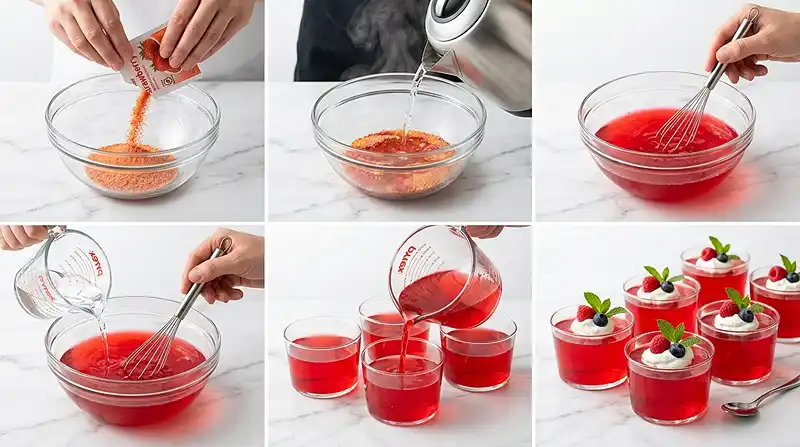
- Add the mix to a heatproof bowl. Pour the entire box of certified gluten-free gelatin dessert mix into a large heatproof mixing bowl. Make sure the bowl is stable—you’ll be pouring boiling water into it.
- Add the boiling water carefully. Slowly pour 1 cup of boiling water over the mix. The granules will start to dissolve immediately and the liquid will turn vibrantly colored. Pro Tip: Use a liquid measuring cup with a handle for safer pouring.
- Stir for a full 2 minutes. Stir continuously until every last granule is completely dissolved—no visible specks remaining. This step is non-negotiable; under-dissolved gelatin won’t set properly.
- Add the cold water and stir. Pour in 1 cup of cold water and stir until fully combined. The mixture will thin out and you’ll notice it’s already starting to smell like the flavor you chose.
- Pour into serving cups or a dish. Divide the liquid evenly into 4 individual cups or pour into a single serving dish. Pro Tip: A ladle makes this cleaner and mess-free.
- Refrigerate uncovered for 4 hours. Place the cups or dish in the refrigerator, uncovered, until the gelatin is completely firm and set. It should jiggle as one piece—not slosh like liquid.
- Cover and serve when ready. Once set, cover with a lid or plastic wrap. Serve directly from the fridge for best texture. Keep refrigerated until the moment you’re ready to eat.
Make It Your Own
Well… one of the best things about homemade gluten-free jello is how easy it is to customize. Swap the cold water for an equal amount of cold fruit juice—apple, white grape, or cranberry all work beautifully. The extra natural sugar deepens the flavor without adding any extra steps, making this a great option for an easy gluten-free entertaining spread.
Want to add fruit? Stir in small pieces of strawberries, blueberries, or mandarin orange segments after the cold water step. Avoid fresh pineapple, kiwi, mango, and papaya—these fruits contain enzymes that prevent gelatin from setting.
For a creamy variation, replace the cold water with cold full-fat coconut milk or evaporated milk. The result is a layered, richer dessert that sets just as firmly. Note that it won’t be as vibrantly colored, but the flavor becomes something altogether more indulgent—as silky as a panna cotta but a fraction of the effort.
Sugar-free gelatin mix works exactly the same way as regular. The ratio of boiling to cold water stays identical, so there’s no adjustment needed. This makes it a reliable choice for anyone monitoring sugar intake without giving up a fun, wobbly dessert.
Common Problems & Solutions
Man, oh man… the most common problem I hear is jello that just won’t set. Nine times out of ten, the culprit is gelatin that wasn’t fully dissolved. If you’re not stirring for the full 2 minutes over the boiling water, the granules stay intact and the whole batch stays liquid. If this happens, gently reheat the mixture, stir again until clear, then refrigerate.
Problem: Jello is cloudy or has white streaks.
This usually means the water wasn’t hot enough when you added it, or the mix wasn’t stirred until fully clear. Start with a true rolling boil, not just hot tap water, and stir until the liquid is completely transparent before adding the cold water.
Problem: Jello has a rubbery or tough texture.
It likely set too fast—usually from being placed in a very cold freezer or from ice-cold water. Stick to cold tap water and refrigerate at standard fridge temperature (around 35–38°F). Avoid the freezer; freezing breaks down the gelatin structure and results in a tough, weeping texture once thawed.
Problem: The surface is wrinkled or has condensation pits.
This happens when the dish is covered before the jello has fully set. Always refrigerate uncovered for the full 4 hours. Once it’s completely firm, then cover with a lid or plastic wrap.
Storage & Meal Prep
| Method | Duration | Notes |
|---|---|---|
| Counter | Not recommended | Gelatin softens at room temperature; keep refrigerated |
| Fridge | Up to 7 days | Cover tightly after set; best texture within first 3 days |
| Freezer | Not recommended | Freezing breaks down gelatin structure; texture becomes tough and watery |
This recipe is ideal for meal prepping desserts ahead of a busy week. Make a full batch on Sunday evening and portion into individual cups for grab-and-go snacks through Friday.
Leftover jello can also be blended with a little cold water and frozen into popsicle molds for a fun twist. Pour any extra into ice cube trays, freeze, and drop the cubes into lemonade or sparkling water for a festive, flavored drink.
How to Make Gluten-Free Jello FAQs
Can I use any brand of gelatin mix for this recipe?
You can use any brand, but for celiac disease or serious gluten sensitivity, choose a mix that is explicitly labeled gluten-free. Beyond Celiac confirms that only mixes carrying a gluten-free label meet the FDA’s 20ppm safety standard. Simply Delish is a certified gluten-free option; standard Jell-O flavors are made without gluten ingredients but are not certified gluten-free.
How do I know when my gluten-free jello is fully set?
Fully set jello jiggles as one firm piece when you gently shake the cup or dish. It should not slosh, ripple like liquid, or leave wet streaks on a spoon pressed into the center. After 4 hours in the fridge it should be fully firm, but you can leave it overnight for complete confidence.
Why did my jello not set at all?
The most likely cause is incompletely dissolved gelatin granules or fruit enzymes. Stir continuously for the full 2 minutes over boiling water until the liquid is crystal clear. Also avoid adding fresh pineapple, kiwi, mango, or papaya, as these fruits contain enzymes that break down gelatin and prevent setting entirely.
What’s the best way to add fruit to gluten-free jello?
Stir small pieces of safe fruit into the mixture after adding the cold water, then pour into cups and refrigerate. Safe options include strawberries, blueberries, raspberries, grapes, and canned mandarin oranges drained well. Avoid fresh tropical fruits like pineapple, kiwi, mango, and papaya, which contain enzymes that prevent gelatin from setting.
Can I make this recipe with juice instead of water?
Yes, replacing the cold water with an equal amount of cold fruit juice works perfectly and adds natural flavor. Use 1 cup boiling water to dissolve the mix, then add 1 cup cold juice. Apple, white grape, and cranberry juice are especially good matches. Avoid juices from fresh pineapple or mango, as they may interfere with setting.
Serving Suggestions
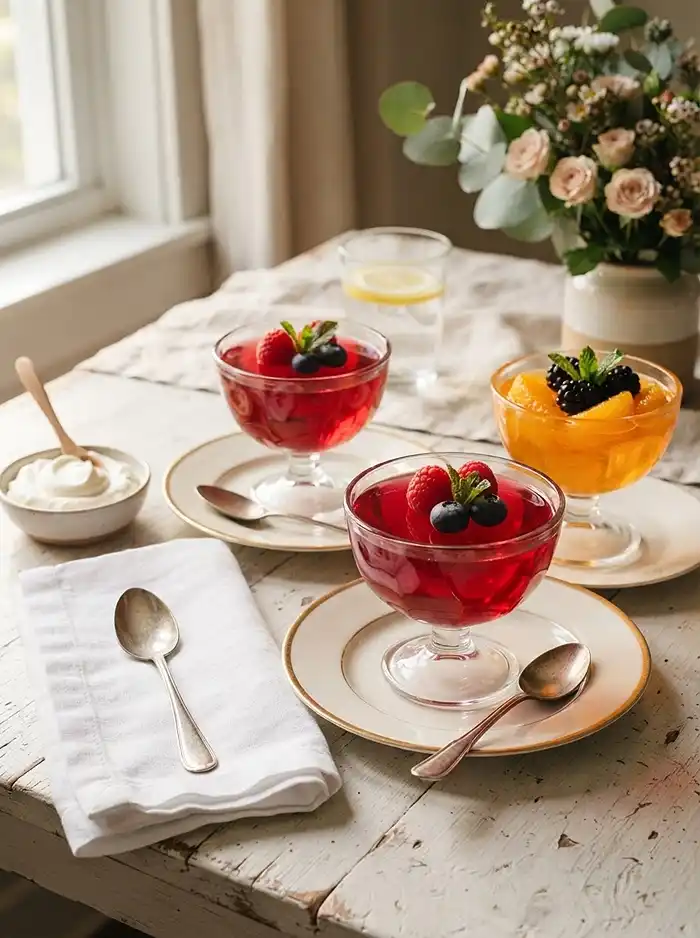
You know… this simple recipe shines brightest when it’s dressed up just a little. Spoon a small dollop of whipped coconut cream on top and scatter a few fresh berries over each cup for a dessert that looks like it took real effort.
For a full gluten-free spread at Thanksgiving or a summer cookout, pair this jello alongside other easy homemade staples. Check out this homemade gluten-free pasta sauce guide for a savory main, and round out the meal with a batch of easy homemade gluten-free mayonnaise for dips and sides.
Jello cups also make a great portable treat for kids’ birthday parties, school events, or potlucks where you can’t always vouch for what else is on the table. Having a trusted homemade option gives everyone peace of mind—especially the parents.
If you tried this recipe, leave a rating and let me know which flavor you went with—I’d love to hear! Share your creation on Pinterest so other gluten-free families can find it too. The more we share what works, the easier this community makes it for everyone just getting started.
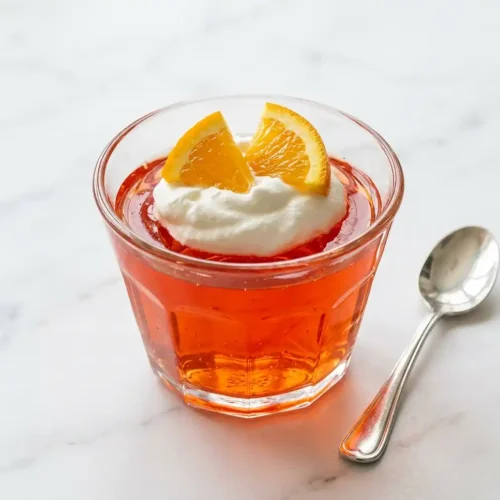
Easy Gluten-Free Jello Recipe That Sets Every Time
Equipment
- Heatproof Mixing Bowl
- Liquid Measuring Cup
- Spoon or whisk
- Serving cups or serving dish
- Refrigerator
Ingredients
Ingredients
- 1 box Certified gluten-free gelatin dessert mix 3-ounce or 4-serving box, any flavor, regular or sugar-free
- 1 cup Boiling water At a full rolling boil
- 1 cup Cold water Cold tap water recommended
Instructions
- Pour the certified gluten-free gelatin dessert mix into a large heatproof mixing bowl.
- Slowly pour 1 cup of boiling water over the gelatin mix.
- Stir continuously for 2 minutes until all gelatin granules are completely dissolved and the mixture is clear.
- Add 1 cup of cold water and stir until fully combined.
- Pour the mixture evenly into four serving cups or one serving dish.
- Refrigerate uncovered for about 4 hours, or until completely firm and set.
- Cover once fully set and serve chilled. Keep refrigerated until ready to enjoy.