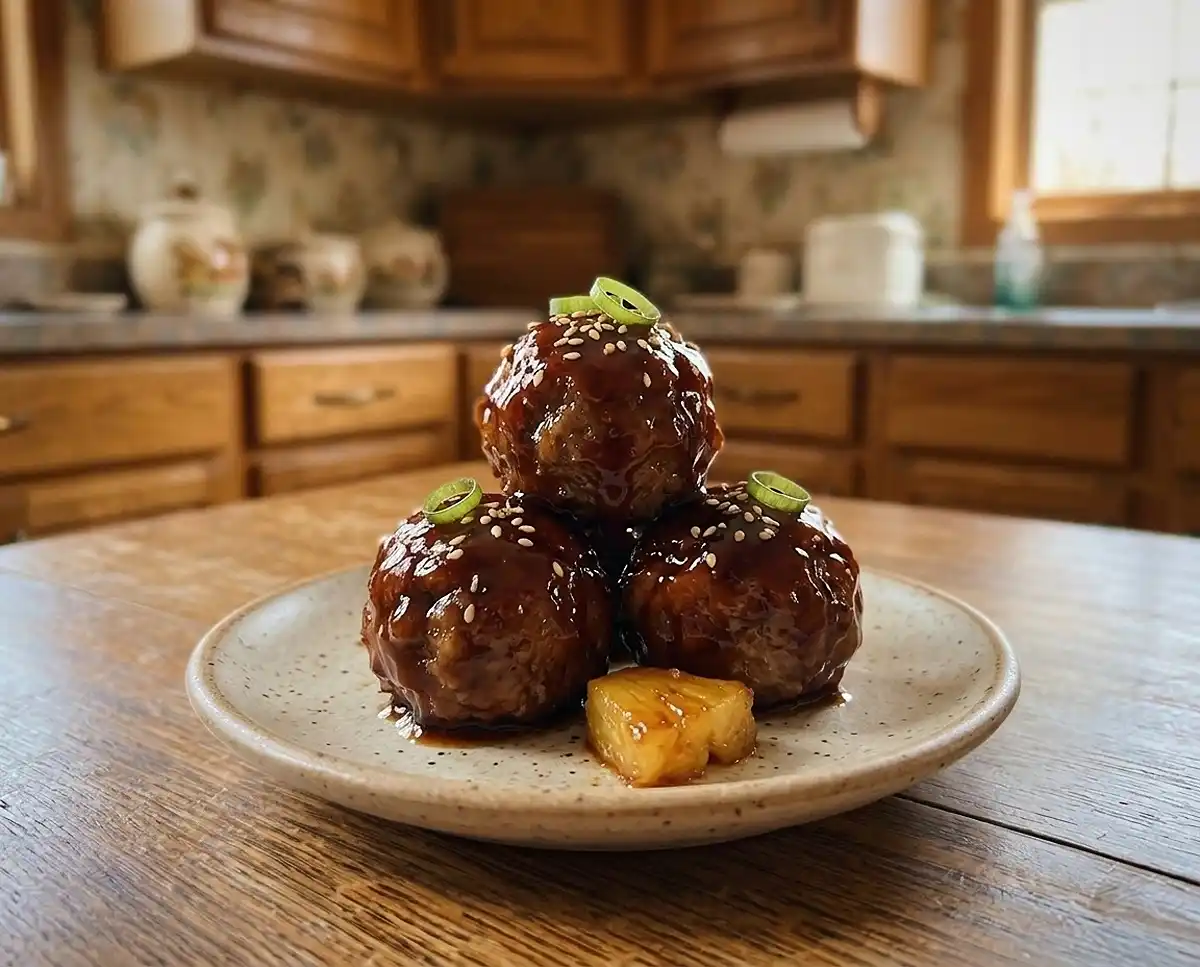
Slow Cooker Teriyaki Meatballs
Make gluten-free slow cooker teriyaki meatballs with homemade tamari sauce and pineapple. Get the step-by-step recipe, storage tips, and fixes.
The first time I made gluten-free slow cooker teriyaki meatballs, I grabbed a bag of frozen meatballs that looked safe. Halfway through dinner prep, I spotted wheat breadcrumbs in the fine print and had to start over. Dinner ran late, but I learned to read every label twice.
Ever stood in a grocery aisle flipping over package after package, hunting for hidden wheat? Well… that hunt is the hardest part of this recipe, and everything after it is simple. You stir a glaze on the stove, pour, and let the slow cooker do the work.
These slow cooker teriyaki meatballs are a savory, saucy party favorite that practically begs to be grabbed with a toothpick! Discover more gluten-free party snacks before your next gathering—you might find the next appetizer everyone talks about.
Why You’ll Love This Gluten-Free Slow Cooker Teriyaki Meatballs Recipe
- Sticky, balanced flavor: sweet pineapple and savory tamari cling to every meatball in a glossy glaze.
- Beginner-friendly: you whisk one saucepan, then the slow cooker handles the rest.
- Easy to adapt: the sauce has no dairy, and you can swap in turkey meatballs if you prefer a leaner option.
- Best for busy days: game days, potlucks, and weeknights when you want dinner ready without hovering.
The Secret to Perfect Gluten-Free Slow Cooker Teriyaki Meatballs
The secret is controlling three things: the sauce, the meatballs, and the label check. Each step below solves a common gluten-free problem, like thin sauce or hidden wheat.
- Rest the sauce for one hour. The sugar dissolves fully, and the garlic and ginger have time to flavor the tamari. That gives you a rounded sauce instead of a sharp, salty one.
- Thicken on the stove first. Starch granules swell when heated, so the flour thickens the glaze before it reaches the slow cooker. Frozen meatballs release water as they warm, which would thin a cold sauce.
- Choose tamari, not regular soy sauce. Regular soy sauce is brewed with wheat. Tamari is usually wheat-free, but this guide to whether tamari is gluten-free explains why you still need to check the label.
- Scatter the pineapple on top. The chunks stay intact instead of breaking down, and their tang cuts through the sugar in the sauce.
Label reading matters here. Foods labeled gluten-free must contain less than 20 parts per million of gluten, and the Celiac Disease Foundation breaks down the law behind the gluten-free label in plain language.
Table of Contents
Ingredients
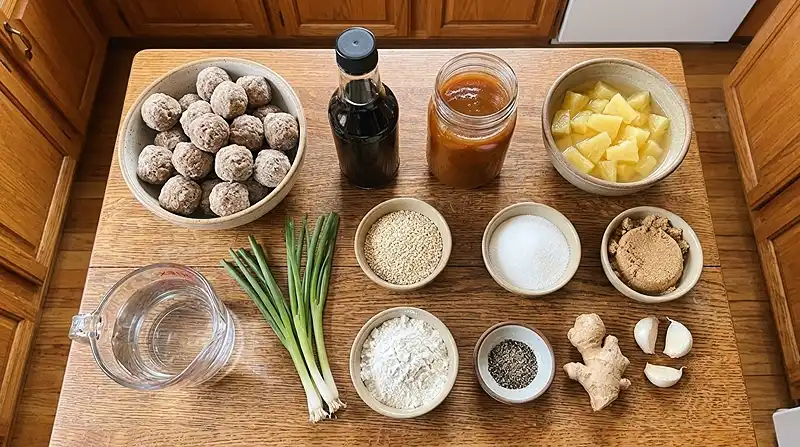
This recipe serves 8. Check the label on the meatballs, teriyaki sauce, gluten-free flour, and sesame seeds before you start.
For the homemade teriyaki sauce
- 2 cups water
- 1 cup granulated sugar
- 1 cup gluten-free tamari
- 2 teaspoons minced garlic
- 2 teaspoons minced or freshly grated ginger
- 1 teaspoon ground black pepper
For the meatballs
- 2 (26-ounce) packages frozen meatballs, labeled gluten-free
- 20 ounces homemade or store-bought teriyaki sauce, labeled gluten-free
- ¼ cup plus 2 tablespoons packed brown sugar
- 20 ounces canned pineapple chunks, juice reserved
- 2 tablespoons gluten-free all-purpose flour
- 2 tablespoons toasted sesame seeds, labeled gluten-free
- 4 green onions, thinly sliced
Ingredient note: Do not drain away the pineapple juice. You whisk it into the sauce, and it adds the fruity sweetness that makes this pineapple teriyaki glaze work.
Instructions
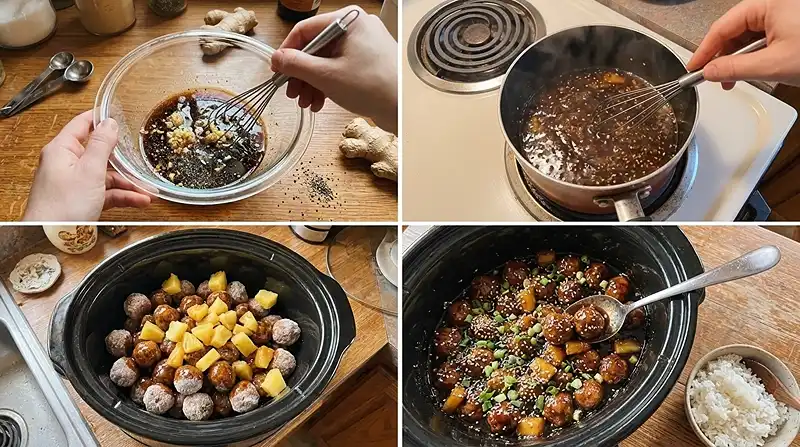
- Make the teriyaki sauce. If you are making homemade sauce, whisk together the water, sugar, gluten-free tamari, garlic, ginger, and black pepper in a bowl. Let the mixture stand for 1 hour before using. Pro tip: skip this step if you are using store-bought sauce, but confirm it is labeled gluten-free.
- Prepare the teriyaki mixture. Pour the teriyaki sauce into a saucepan. Add the brown sugar, reserved pineapple juice, gluten-free flour, and sesame seeds, then whisk until smooth. Heat over medium heat, stirring frequently, until the mixture is hot and slightly thickened and as glossy as a freshly lacquered table.
- Add the meatballs. Place the frozen gluten-free meatballs in the bottom of a slow cooker. Pour the warm teriyaki mixture over them and gently stir to coat. Pro tip: stir gently so the meatballs keep their shape.
- Add the pineapple. Scatter the pineapple chunks evenly over the meatballs. Leave them on top instead of stirring them in.
- Slow-cook. Cover and cook on high for about 2½ hours or on low for about 4 hours. The meatballs should be fully heated through, and the sauce should look hot and glossy. Follow the package heating directions for your specific meatballs if they differ.
- Garnish and serve. Sprinkle with sliced green onions and additional sesame seeds, if desired. Serve immediately with rice.
Make It Your Own
For turkey meatballs, use frozen turkey meatballs labeled gluten-free in place of the meatballs listed. Turkey is leaner, so follow the package heating directions and avoid cooking past the point the meatballs are heated through.
You know… not everyone eats soy, and that is a fair reason to change the sauce. Coconut aminos can stand in for tamari in a soy-free kitchen. They taste sweeter and less salty, so taste the sauce before you add the pineapple.
If you do not have gluten-free all-purpose flour, a gluten-free thickener like cornstarch can fill in. Use a product labeled gluten-free, because cross-contact can happen during processing. Whisk it into the sauce until smooth before heating so it does not clump.
For a lighter plate, serve the meatballs over cauliflower rice instead of white rice. The sticky sauce coats the cauliflower just as it does regular rice. It also stretches the meal if you are feeding a crowd.
Common Problems & Solutions
Problem: the sauce is thin. Simmer the saucepan a few minutes longer before pouring it over the meatballs. Gluten-free flour needs steady heat to swell and thicken, and frozen meatballs will release a little extra liquid as they cook.
Problem: the sauce has lumps. Whisk the flour in thoroughly while the mixture is still cool, then heat while stirring. Dry flour clumps when it hits hot liquid, so smoothing it first prevents little pockets of paste.
Man, oh man… the biggest problem is hidden gluten. Read the label on every packaged item, including the meatballs and sesame seeds. Meatballs often contain breadcrumbs, and a gluten-free claim on the package is your best signal.
Problem: the sauce tastes too sweet. Add a splash more gluten-free tamari at the end, a little at a time. Salt and savory flavor balance the sugar in both the brown sugar and the pineapple juice.
Problem: the meatballs fall apart. Stir gently and only once when coating. Frozen meatballs soften as they heat, so extra stirring can break them apart.
Storage & Meal Prep
| Method | Duration | Notes |
|---|---|---|
| Counter | Up to 2 hours | Keep covered while serving, then refrigerate |
| Fridge | 3-4 days | Airtight container, reheat until steaming hot |
| Freezer | 2-3 months | Portion into freezer-safe containers or bags |
Reheat leftovers in a saucepan or microwave until steaming hot all the way through, adding a splash of water if the sauce has tightened. Leftover meatballs are great tucked into a rice bowl or a lettuce wrap. Spoon any extra sauce over rice or roasted vegetables so nothing goes to waste.
Your Questions Answered
Can I use turkey meatballs?
Yes, you can. Use frozen turkey meatballs labeled gluten-free in place of the meatballs listed. Follow the package heating directions, since leaner meatballs can dry out if overcooked.
How do I know my meatballs are really gluten-free?
Look for a gluten-free label on the package. Foods labeled gluten-free must contain less than 20 parts per million of gluten. If the package has no label, check the ingredients for wheat breadcrumbs and choose a different brand.
What’s the best way to serve these meatballs?
Serve them over hot rice with green onions and sesame seeds on top. The rice soaks up the sticky sauce. Cauliflower rice works if you want a lighter option.
Why did my sauce turn out thin?
The sauce probably needed more time on the stove. Heat it over medium heat, stirring frequently, until it is hot and slightly thickened before adding it to the slow cooker. Frozen meatballs also release some liquid as they heat.
Can I make the homemade teriyaki sauce ahead of time?
Yes, you can make the sauce in advance. The recipe already has it rest for 1 hour, so mixing it earlier in the day fits easily. Keep it covered in the refrigerator until you are ready to heat it.
Serving Suggestions
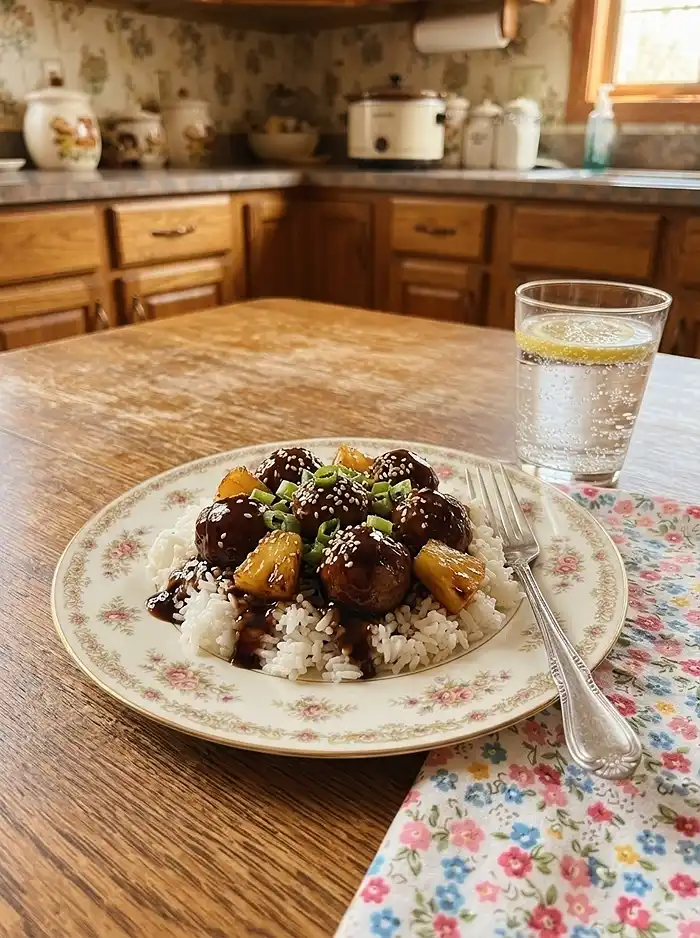
Spoon the meatballs over steamed rice and add a side of crisp cucumber or steamed broccoli. I bring a pot to our Fourth of July cookout every year, and it empties before the burgers do. Set it on the warm setting so guests can serve themselves.
For a dessert that keeps the gluten-free theme going, try this gluten-free caramel apple dip or these no-bake salted caramel pretzel bars.
If you want another savory option for the table, these Korean street food skewers fit right in.
If you make these gluten-free slow cooker teriyaki meatballs, I would love to hear how they turned out. Leave a star rating and a comment below, and tell me about any swaps you tried.
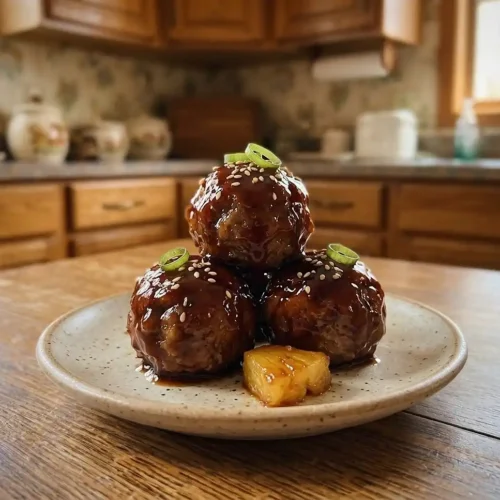
Gluten-Free Slow Cooker Teriyaki Meatballs
Equipment
- Slow Cooker
- Saucepan
- Mixing bowl
- Whisk
Ingredients
For the homemade teriyaki sauce
- 2 cups water
- 1 cup granulated sugar
- 1 cup gluten-free tamari
- 2 teaspoons minced garlic
- 2 teaspoons minced or freshly grated ginger
- 1 teaspoon ground black pepper
For the meatballs
- 2 26-ounce packages frozen meatballs labeled gluten-free
- 20 ounces homemade or store-bought teriyaki sauce labeled gluten-free
- ¼ cup plus 2 tablespoons packed brown sugar
- 20 ounces canned pineapple chunks juice reserved
- 2 tablespoons gluten-free all-purpose flour
- 2 tablespoons toasted sesame seeds labeled gluten-free
- 4 green onions thinly sliced
Instructions
- Make the teriyaki sauce. If you are making homemade sauce, whisk together the water, sugar, gluten-free tamari, garlic, ginger, and black pepper in a bowl. Let the mixture stand for 1 hour before using. Skip this step if you are using store-bought sauce, but confirm it is labeled gluten-free.
- Prepare the teriyaki mixture. Pour the teriyaki sauce into a saucepan. Add the brown sugar, reserved pineapple juice, gluten-free flour, and sesame seeds, then whisk until smooth. Heat over medium heat, stirring frequently, until the mixture is hot and slightly thickened.
- Add the meatballs. Place the frozen gluten-free meatballs in the bottom of a slow cooker. Pour the warm teriyaki mixture over them and gently stir to coat.
- Add the pineapple. Scatter the pineapple chunks evenly over the meatballs. Leave them on top instead of stirring them in.
- Slow-cook. Cover and cook on high for about 2½ hours or on low for about 4 hours. The meatballs should be fully heated through, and the sauce should look hot and glossy. Follow the package heating directions for your specific meatballs if they differ.
- Garnish and serve. Sprinkle with sliced green onions and additional sesame seeds, if desired. Serve immediately with rice.