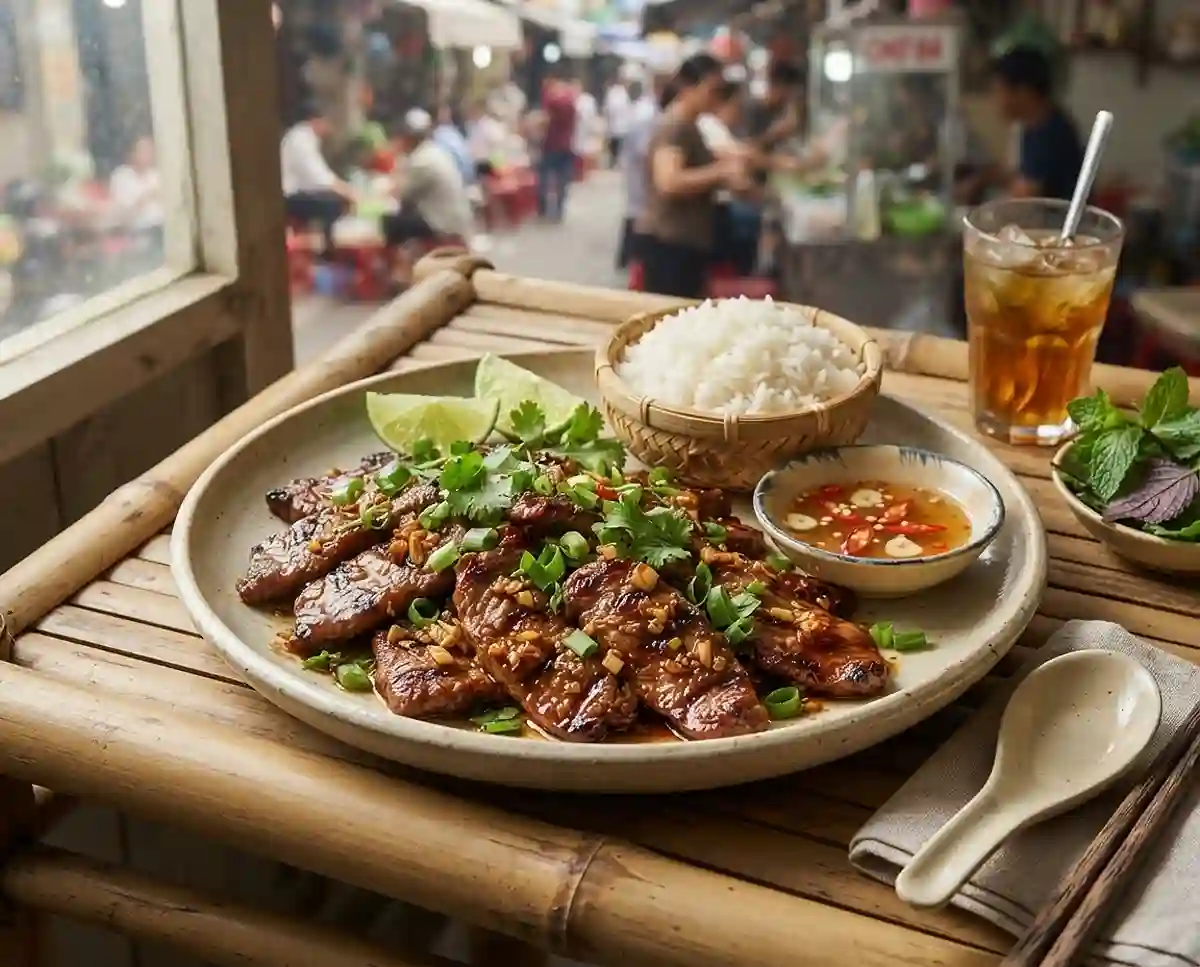
Vietnamese Lemongrass Beef
Make gluten-free Vietnamese lemongrass beef at home with tamari, fresh lemongrass, and a simple marinade. Step-by-step instructions, tips, and storage guide.
The first time I tried to make gluten-free Vietnamese lemongrass beef at home, I used dried lemongrass from a jar. The result was technically edible—but it tasted like I was eating potpourri with steak. That failure sent me back to the Asian grocery store, fresh stalks in hand, and everything changed.
Fresh lemongrass is floral, bright, and faintly citrusy in a way that dried powder simply can’t replicate. Paired with gluten-free tamari instead of soy sauce, this dish delivers every bit of that deep, savory Vietnamese street-food flavor—with zero gluten compromise.
Well… if you’ve been hunting for a weeknight dinner that actually tastes like something, this is it. The marinade comes together in one bowl, the cook time is under 10 minutes, and the result is the kind of meal that makes your kitchen smell like a restaurant you’d actually drive across town for.
Why You’ll Love This Vietnamese Lemongrass Beef
- Seared, caramelized edges with a juicy center: cooking the beef in batches over high heat gives you that char-kissed crust that makes this dish sing.
- 10-minute cook time: once the beef marinates, dinner is on the table faster than takeout arrives.
- Naturally gluten-free with no specialty swaps: gluten-free tamari behaves exactly like traditional soy sauce in this recipe—no flavor gap, no texture compromise.
- Flexible enough for weeknights or guests: serve it over steamed rice for Tuesday dinner, or plate it with fresh herbs and lime wedges for a dinner party that looks like you tried very hard.
The Secret to Perfect Gluten-Free Vietnamese Lemongrass Beef
Most home cooks overcrowd the pan and steam the beef instead of searing it. These four techniques are the difference between pale, chewy meat and caramelized, restaurant-quality results.
- Mince the lemongrass finely: lemongrass fibers are tough and fibrous. If you leave them chunky, they won’t soften during the short cook time and you’ll end up chewing on something that belongs in a candle. Use only the tender inner stalk and mince until it’s almost paste-like.
- Marinate for at least 30 minutes: the combination of lime juice and tamari begins to tenderize the beef while the aromatics penetrate the fibers. Longer is better—up to 8 hours in the fridge—but 30 minutes still makes a real difference.
- Cook in batches over ripping-hot heat: crowding the pan drops the temperature fast, which means the beef steams in its own moisture instead of searing. Work in two or three batches and let the pan recover its heat between rounds.
- Toss in the pan juices at the end: that last 30–60 seconds of bringing all the beef back together in the skillet lets the caramelized drippings coat every piece. Don’t skip it—this is where the dish gets its depth.
According to trusted celiac education from Beyond Celiac, soy sauce is one of the most common hidden sources of gluten in Asian cooking. Swapping to certified gluten-free tamari is the single most important change that makes this recipe safe without sacrificing any flavor.
Table of Contents
Ingredients
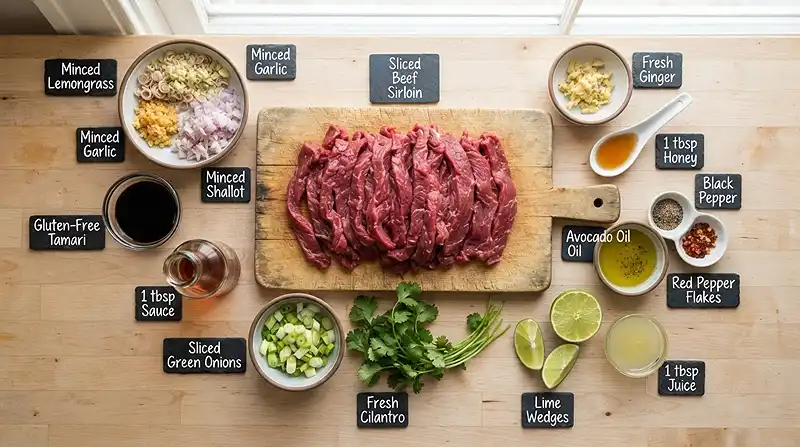
This recipe makes 4 servings. Use the exact quantities below—the marinade is calibrated for 1 1/2 lbs of beef, and changing the ratio will throw off the salt-acid balance.
| Category | Ingredient | Amount |
|---|---|---|
| Protein | Beef sirloin or flank steak, thinly sliced | 1 1/2 lbs |
| Aromatics | Fresh lemongrass, tender inner parts finely minced | 2 stalks |
| Aromatics | Garlic, minced | 3 cloves |
| Aromatics | Shallot, finely minced | 1 small |
| Aromatics | Fresh ginger, grated | 1 tsp |
| Marinade | Gluten-free tamari | 2 tbsp |
| Marinade | Fish sauce | 1 tbsp |
| Marinade | Lime juice | 1 tbsp |
| Marinade | Honey | 1 tbsp |
| Marinade | Avocado oil | 1 tbsp |
| Seasoning | Black pepper | 1/2 tsp |
| Seasoning | Red pepper flakes | 1/4 tsp |
| Garnish | Green onions, sliced | 2 |
| Garnish | Fresh cilantro | For serving |
| Garnish | Lime wedges | For serving |
Ingredient note: Fish sauce is naturally gluten-free, but always check the label—some brands add wheat as a filler. Look for varieties with a short ingredient list: anchovies, salt, water, sugar. That’s all you need.
Instructions
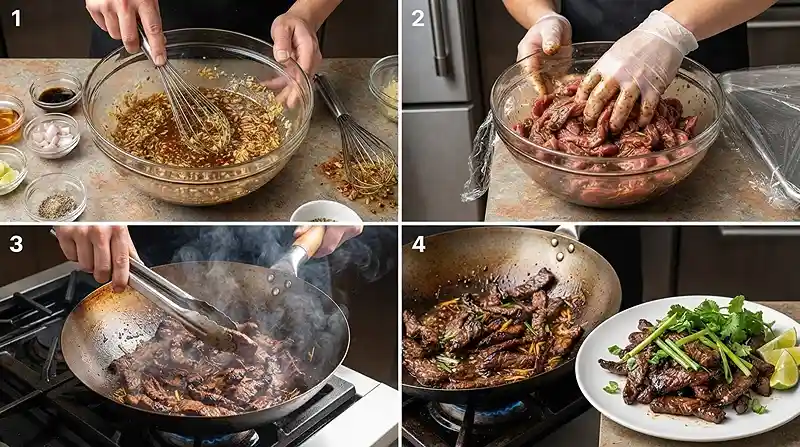
In a large bowl, combine the minced lemongrass, garlic, shallot, gluten-free tamari, fish sauce, lime juice, honey, avocado oil, grated ginger, black pepper, and red pepper flakes. Stir until the honey is fully dissolved and the marinade looks cohesive.
Add the thinly sliced beef and toss until every piece is thoroughly coated. Cover the bowl and refrigerate for at least 30 minutes. The marinade will darken the beef slightly as the tamari and lime get to work.
Pro Tip: Slice the beef against the grain and aim for pieces about 1/4 inch thick. Thinner slices cook faster and absorb more of the marinade. Pop the beef in the freezer for 15 minutes before slicing—it firms up just enough to make clean cuts easy.
Heat a large skillet or wok over high heat until it’s very hot—a drop of water should evaporate on contact. Add the marinated beef in a single layer, working in batches. Cook for 2–3 minutes per side until browned with caramelized edges.
Pro Tip: Don’t stir the beef constantly. Let it sit undisturbed for the first 90 seconds so it develops that deep sear. Stirring too early prevents browning and leads to steaming instead.
Once all batches are cooked, return all the beef to the skillet and toss for another 30–60 seconds. The pan drippings will coat every piece with concentrated, caramelized flavor—this step is what gives the dish its restaurant-quality finish.
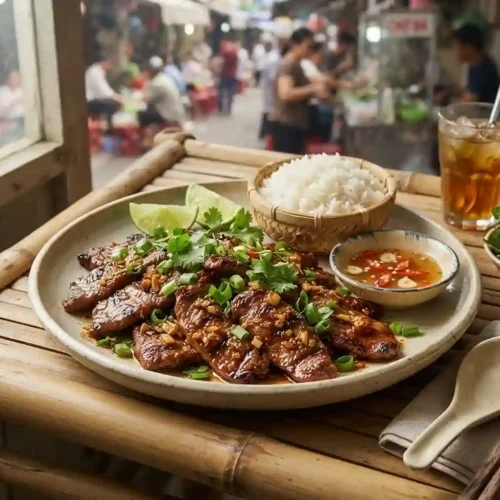
Remove from the heat and garnish with sliced green onions and fresh cilantro. Serve hot immediately with lime wedges and steamed rice or gluten-free rice noodles alongside.
Make It Your Own
You know… the marinade in this easy gluten-free Vietnamese lemongrass beef recipe is remarkably forgiving. Once you’ve made it once, you’ll start riffing on it naturally.
Swap the beef for chicken thighs. Boneless, skinless thighs sliced thin work beautifully here—they stay juicy at high heat where breasts tend to dry out. The cook time drops slightly, so watch for an internal temperature of 165°F. The lemongrass marinade is just as good on poultry as it is on beef.
Use coconut aminos instead of tamari. Coconut aminos are slightly sweeter and lower in sodium, so if you go this route, taste the marinade before adding the honey and consider reducing it to 1/2 tbsp. The flavor profile shifts just a touch toward sweet-savory rather than deeply umami.
Add vegetables directly to the skillet. Thinly sliced bell peppers, snap peas, or bok choy all cook in the same 2–3 minute window as the beef. Add them to the pan in the last batch and toss with the beef during that final 30–60 second finish. This is how to make gluten-free Vietnamese lemongrass beef a complete one-pan dinner.
Turn up the heat. The 1/4 tsp of red pepper flakes gives a background warmth, not a burn. If you want real heat, add a thinly sliced fresh Thai chili to the marinade, or increase the flakes to 1/2 tsp. If you’re cooking for kids or heat-averse eaters, leave the flakes out entirely—the dish still has plenty of flavor.
Common Problems & Solutions
Man, oh man… high-heat stir-fry cooking is where most home kitchens expose their limitations. Here’s how to work around the most common issues.
Problem: The beef is chewy and tough. This almost always comes down to slicing with the grain instead of against it, or using a cut that’s too thick. Solution: slice against the grain—perpendicular to the muscle fibers—at no more than 1/4 inch. Flank steak needs this more than sirloin, which is naturally more tender.
Problem: The beef steamed instead of seared and looks grey. The pan wasn’t hot enough, or you added too much beef at once. Solution: let the skillet or wok preheat for a full 2 minutes over high heat before adding anything. Cook in smaller batches—if the beef is touching, it’s too crowded.
Problem: The marinade burned in the pan. Honey and tamari have natural sugars that caramelize fast at high heat—which is good for flavor, but can tip into burnt if the heat is too aggressive or the pan is dry. Solution: make sure the beef is well-coated with oil from the marinade before it hits the pan. If your skillet is getting too dark between batches, deglaze with a splash of water and start fresh.
Problem: The lemongrass is stringy and unpleasant to eat. The outer leaves of the lemongrass stalk are fibrous and woody—they won’t soften during cooking. Solution: peel back and discard the outer two or three layers until you reach the pale, tender inner core. Mince that part as finely as you can, almost to a paste. As an additional resource, Serious Eats’ guide to preparing lemongrass walks through exactly how to break down the stalk with great visual clarity.
Storage & Meal Prep
| Method | Duration | Notes |
|---|---|---|
| Counter | Not recommended | Cooked beef should not sit out more than 2 hours |
| Fridge | 3–4 days | Airtight container; bring to room temp before reheating |
| Freezer | Up to 2 months | Freeze in portions; thaw overnight in fridge |
| Marinated (uncooked) | Up to 8 hours | Keep covered in fridge; cook from cold |
To reheat, use a hot skillet for 2–3 minutes rather than the microwave. The microwave softens the sear and can make the beef rubbery. A quick toss in a dry pan over medium-high brings the edges back to life.
For meal prep, cook a full batch and portion it over steamed rice in individual containers for the week. The flavors actually deepen overnight as the beef sits in its own juices—Tuesday’s leftovers taste better than Monday’s dinner.
Vietnamese Lemongrass Beef FAQs
Can I use dried lemongrass instead of fresh?
You can, but the flavor difference is significant. Fresh lemongrass is bright, floral, and citrusy; dried is muted and sometimes slightly medicinal. If fresh lemongrass isn’t available, lemongrass paste from a tube is the next best substitute—use about 1 tablespoon to replace 2 stalks. Dried powder works as a last resort but won’t give you the same result.
How do I know when the beef is cooked through?
Thinly sliced beef at this thickness cooks in 2–3 minutes per side over high heat. Look for browned, slightly caramelized edges and no pink visible in the center of each slice. If you’re using flank steak, err on the side of medium rather than well-done—it toughens quickly when overcooked.
What’s the best gluten-free tamari brand to use?
San-J and Kikkoman both make certified gluten-free tamari that perform well in high-heat cooking. Check the label for a certified gluten-free seal rather than relying on ingredient lists alone, since cross-contamination in facilities can be a concern for those with celiac disease.
Why did my beef release so much liquid in the pan?
This happens when the beef is too wet going into the pan, or when the pan isn’t hot enough. Pat the marinated beef lightly with a paper towel before cooking to remove excess surface moisture. A properly preheated pan at high heat will evaporate moisture fast enough to still get a sear—a lukewarm pan will not.
Can I make this recipe ahead of time for a dinner party?
Yes. Prepare the marinade and slice the beef up to 8 hours ahead and keep it covered in the fridge. Cook just before serving—the whole cook takes under 10 minutes once the pan is hot. You can also cook it fully in advance and reheat in a hot skillet for 2–3 minutes, though freshly cooked gives you the best sear.
Serving Suggestions
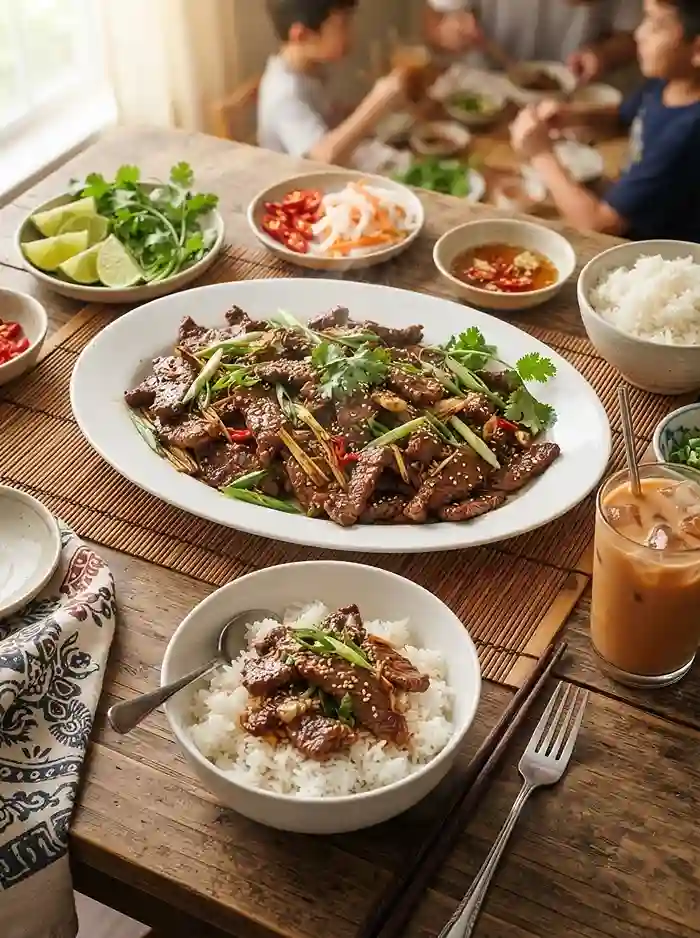
Steamed jasmine rice is the classic pairing—it soaks up the caramelized pan juices and lets the lemongrass flavor stay front and center. Gluten-free rice noodles are a close second, especially if you want something lighter. Either way, pile the beef on top and finish with a squeeze of lime right at the table.
This dish earns its place at a Lunar New Year spread or any family dinner where you want something that feels special without spending three hours in the kitchen. Add a crisp, cooling side like this fresh gluten-free avocado romaine salad to balance the heat and richness of the beef.
For drinks, something bright and citrusy works well alongside the lemongrass. This easy gluten-free Orange Julius is a crowd-pleasing option that works just as well for adults as it does for kids at the table. And if you want to round out the meal with something sweet, these gluten-free ube sweet rolls make an unexpectedly fun finish to a Vietnamese-inspired dinner.
Give this recipe a try and let me know how it goes in the comments—I’d especially love to hear if you tried it with chicken or added vegetables to the pan. If it earned a spot in your weeknight rotation, sharing it on Pinterest helps other gluten-free families find it too.
Gluten-Free Vietnamese Lemongrass Beef Recipe
Equipment
- Large bowl
- Large skillet or wok
- Tongs
Ingredients
Protein
- 1 ½ lbs Beef sirloin or flank steak, thinly sliced
Aromatics
- 2 stalks Fresh lemongrass, tender inner parts finely minced
- 3 cloves Garlic, minced
- 1 small Shallot, finely minced
- 1 tsp Fresh ginger, grated
Marinade
- 2 tbsp Gluten-free tamari Use certified gluten-free tamari for a gluten-free recipe.
- 1 tbsp Fish sauce Check the label to ensure it is gluten-free.
- 1 tbsp Lime juice
- 1 tbsp Honey
- 1 tbsp Avocado oil
Seasoning
- ½ tsp Black pepper
- ¼ tsp Red pepper flakes
Garnish
- 2 Green onions, sliced
- Fresh cilantro For serving
- Lime wedges For serving
Instructions
- In a large bowl, combine the minced lemongrass, garlic, shallot, gluten-free tamari, fish sauce, lime juice, honey, avocado oil, grated ginger, black pepper, and red pepper flakes. Stir until the honey is fully dissolved and the marinade looks cohesive.
- Add the thinly sliced beef and toss until every piece is thoroughly coated. Cover and refrigerate for at least 30 minutes.
- Heat a large skillet or wok over high heat until very hot. Add the marinated beef in a single layer, working in batches. Cook for 2–3 minutes per side until browned with caramelized edges.
- Once all batches are cooked, return all the beef to the skillet and toss for another 30–60 seconds so the caramelized pan drippings coat the beef.
- Remove from the heat and garnish with sliced green onions and fresh cilantro. Serve hot with lime wedges and steamed rice or gluten-free rice noodles.